Sara Teasdale (born 8 August 1884 Missouri U.S. and died 29 January 1933 New York New York) An American poet whose short, personal lyrics were noted for their classical simplicity and quiet intensity.
Common name: Greater bilby Scientific name:Macrotis lagotis Family:Thylacomyidae
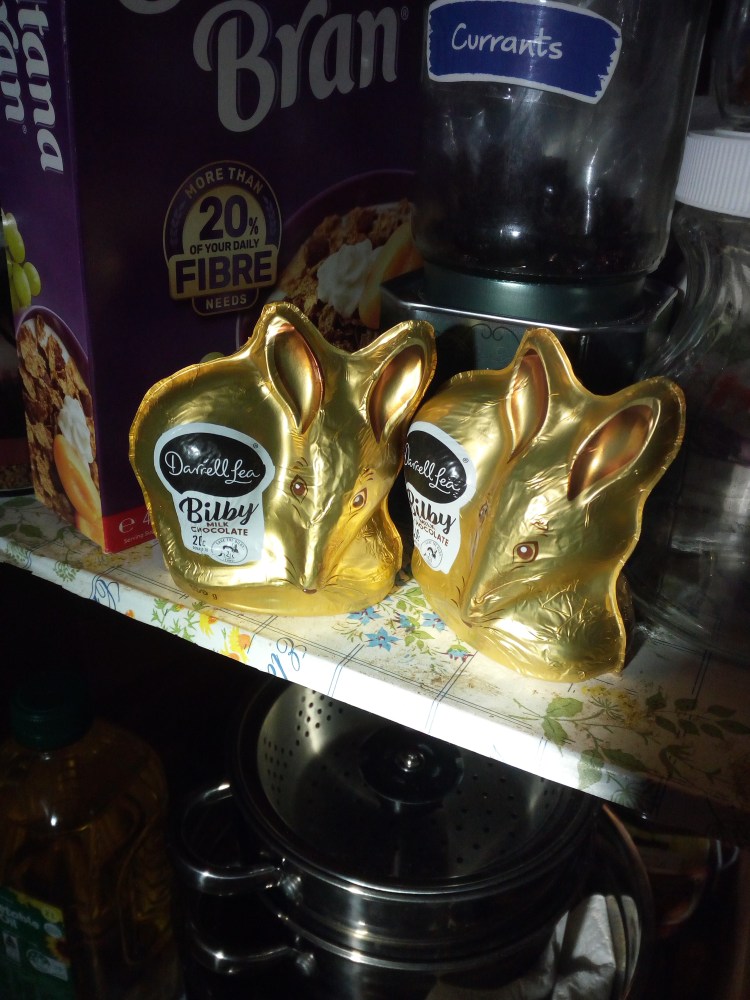
Among the hot, dry grasslands of western Queensland, the Greater Bilby lives far from the public interest surrounding its conservation. As one of Queensland’s 15 endangered mammals, the Greater Bilby is the subject of intense conservation efforts. This includes attempts to replace the Easter Bunny with the Easter Bilby in Australia, in an effort to make the public aware of this important animal’s endangered plight. Find out more:
Quote: “Every Darrell Lea chocolate Bilby you buy helps raise money for the Save the Bilby Fund, 20 cents from every purchase will help the national breeding program and support the Save The Bilby Fund’s mission to have 10,000 Bilbies in the population by 2030.”
I have decided to accept the Non-Fiction Reader Challenge from Book’d Out and make non-fiction part of my regular reading. I am currently reading ‘Pictorial History of Australia’s Little Cornwall’ by Philip Payton.
Why this particular book? Do I have Cornish connections?
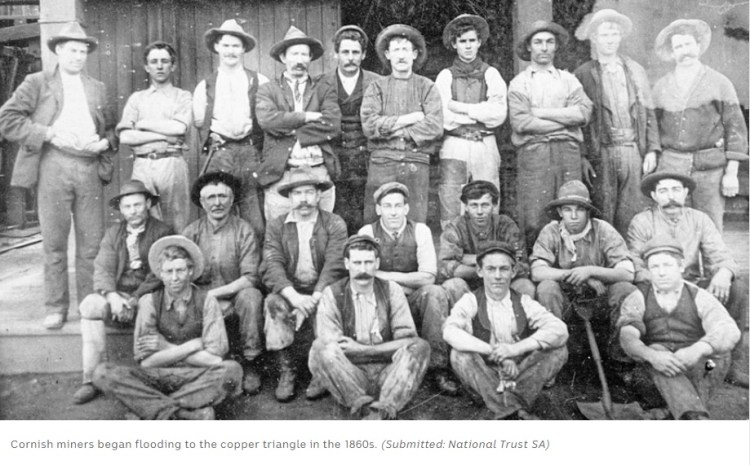
Well, I chose this book because I attend Cheryl Hayden’s U3A classes on Cornish History and all that entails. Cheryl has a passion for Cornishman Tristram Winslade and she studied with author Philip Payton. On the first day, the first thing I recognised were the names of towns and places because Cornish miners came to Australia around 1840s and left their mark on the South Australian landscape.
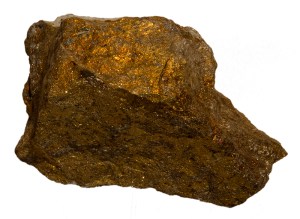
Miners and their families came to South Australia to take part in the new colony’s great copper boom from 1845 to 1877. These skilled men used their expertise to extract the rich ore which gave Australia world-wide acclaim as the Copper Kingdom. Mining was a grim life for everyone and added to that physical toil was the mental toll of being thousands of miles away from home.
And, no, I don’t have a family connection to Cornwall. But I am fascinated by the strength, courage and determination of those Cornish pioneers who travelled to the other side of the world for work.
The motto of Cornwall is ‘Onan hag Oll’ which in English means ‘One and All’ a sentiment of unity that pervades the Cornish spirit and has defined its character over centuries.
My mantra would have been ‘Damn dirt and dust’. They were religious people so perhaps did not swear. If you’ve read about the Prayerbook Rebellion and King Edward VI part in it back in 1549, they took that pretty seriously.
Book photographs show grim, hardworking Cornishmen above and below ground. Of course, in those days the people being photographed had to keep very, very still otherwise the image blurred. These blokes changed the fortunes of Australia.
QUOTE: The Cornish steam engine was revolutionary when it was introduced into Australia in the mid-19th century, enabling mining of metals at depths not previously possible. This new form of deep, hard rock mining required new skills and technology not then present in Australia. Mining for copper required the skills of miners who knew how to establish mines and systematically work them in a way that gave the best return for the effort and cost required to access the ore body.
Due to my claustrophobia I don’t know how men could go down a shaft and work in tunnels underground. I get palpitations and cold sweats just looking at the B&W photos of mining accomplished hundreds and hundreds of metres—Moonta as deep as 762 metres (2,500 feet)—below the surface in low lighting with little ventilation… sorry, have to stop and take some deep breaths…
Copper Mining South Australia Burra Mine Site c1900s
Death and infant mortality would have been regular visitors, coupled with irregular supplies of food and clothing necessities. For example, Burra is 164km from the city of Adelaide and two hours travel by car now. Back then it would have taken several days, if not a week, allowing for the weather. What consideration was given to housing, health, education and even entertainment? It seems like it was all work, work, work for mining families. But I bet it wasn’t!
I certainly hope those intrepid miners were well paid with bonus credits because I reckon they deserved every penny they earned and more. In conjunction, the Moonta Mines women on the Yorke Peninsula deserved gold medals for their Cornish Pasties, continual scrubbing of clothes and the ability to produce a home-life as normal as possible under the harsh conditions.
When the mines were closed in 1923 many Cornish families stayed in Australia. By then ‘Little Cornwall’ and its Cornish heritage had achieved legendary status. Festivals and parades were held Kernewek Lowender and Gorsedh Kernow. There are early photographs of Chapels, brass bands and street parades with proud banners. This tradition still exists in South Australia today.
Kapunda Copper Mining Mounds and Pond, South Australia
It’s easy to say nothing really remains of the old mines but it does. It’s there in the engine house, the rocks, the mounds and mineral ponds; the names of Cornish descendants and, of course, the original town names like Redruth, Burra, Kapunda and the ‘Copper Triangle’ of Wallaroo, Moonta and Kadina. Today Burra and Moonta are of outstanding national heritage significance as two places in Australia where Cornish mining technology, skills and culture are demonstrated to a high degree.
Mining continues in Australia; minerals are a finite resource yet presently unrecycled copper products are widely used in building construction, electrical grids, electronic products, transportation equipment and home appliances.
One hundred years from closing in 1923 to 2023 today, those Cornish miners had no inkling of the controversy, dilemma and great debate earth mining is causing in Australia right now. Benjamin Franklin said ‘No nation was ever ruined by trade.’ But whose bank account does it fill and at what cost to the environmental future of our country?
Now I am going for a walk, very conscious of what could lie beneath the grassy parkland.
♥ Gretchen Bernet-Ward
Pictorial History of Australia’s Little Cornwall By Philip Payton Format: Paperback Size: 265 x 218 mm ISBN: 9781743056554 Extent: 96 pages Wakefield Pressis an independent book publishing company based in Adelaide, South Australia.
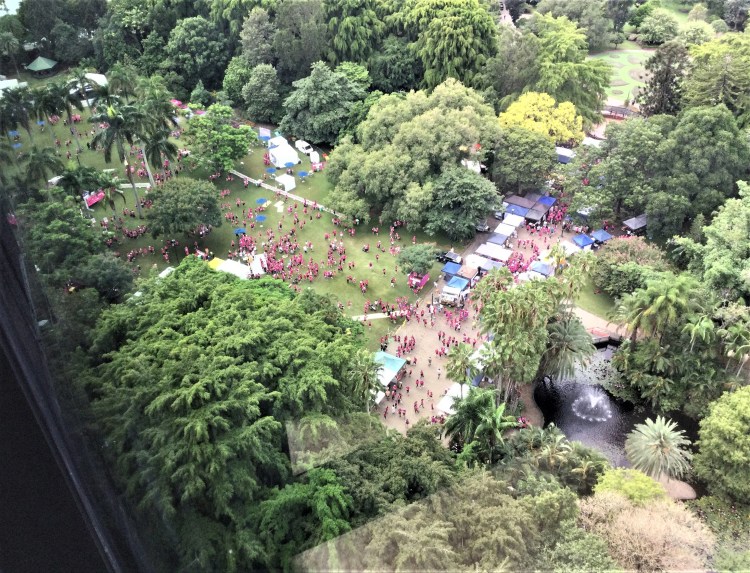
International Women’s Day Fun Run, Brisbane, was held on Sunday 12 March 2023. This record-breaking fundraiser supports women with breast cancer and raises funds for life-saving research at Mater Hospital.
The 5km course started from Southbank Parklands and crossed the Brisbane River to City Botanic Gardens.
The high-rise photograph was taken of the finish line in City Botanic Gardens, like a swirl of PINK ants, tired but happy participants.
The course and venues are designed to provide the best experience for all participants, whether they chose to walk, jog or run. Think about it for next year!
Smiling is infectious, You catch it like the flu. When someone smiled at me today, I started smiling too. I passed around the corner and someone saw my grin. When he smiled I realised I’d passed it on to him. I thought about that smile, then I realised its worth. A single smile, just like mine could travel round the earth. So, if you feel a smile begin, don’t leave it undetected. Let’s start an epidemic quick, and get the world infected!
by Spike Milligan(Possibly) Irish Writer, Poet, Comedian, Actor.
NOTE: Author/illustrator Jez Alborough also attributed to this poem.
For those who may not know what these photographs represent, keep reading.
The first photo is a poster for a charity fundraising event held at the RSL community centre in aid of the cancer centre at St Andrew’s hospital, Toowoomba, Queensland.
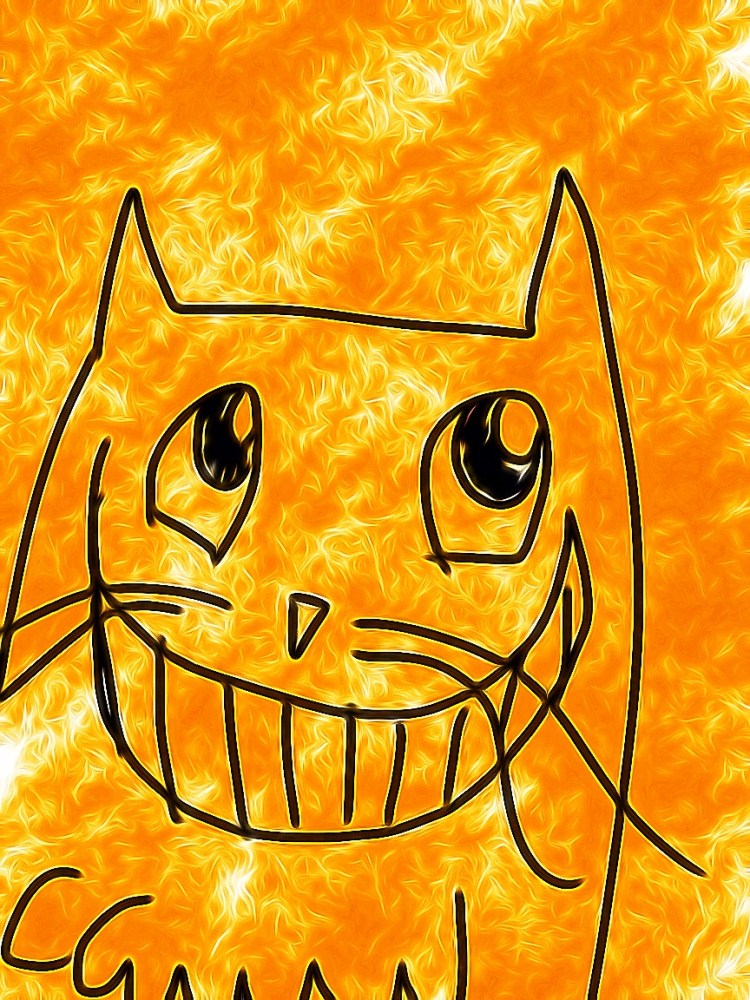
The required fancy dress is Bogan style, a checked flannel shirt and hairdo called the Mullet. This haircut is said to be the anglicised name of French guru Henri Mollet’s hair style.
Although there are later versions of its creation, the Mullet was embraced and immortalised by bogan Australian men in the 1970s and 80s perhaps as a form of rebellion.
The name also refers to an edible fish (sea mullet, Mugil cephalus) which occurs around much of the Australian coastline. I can see a similarity, dead fish on head…
Can’t say whether I liked this hair fashion statement or not, kind of an interesting trend at the time which didn’t concern me. A question has been raised asking if today’s Mullet is a fond, ironic reclamation of Australian identity or a cheap way to cut your hair—particularly prevalent for both men and women during Covid-19 restrictions.
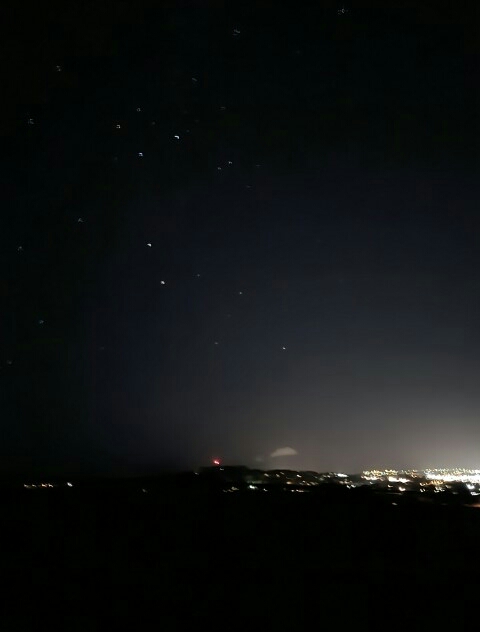
Look closely… a night-time view across Toowoomba, Queensland, and high above—that’s the Southern Cross star constellation which is imbedded in Australian and Pacific Island cultures.
There are many types of competition in the world. In fact thousands of competitions exist in the world. From sport to just about anything you care to name can be made into a challenge involving a ball, a bat, a horse, a swimming pool, eating, drinking, singing, running, dancing, driving, outer space, and let’s not forget the longest, the highest, the bravest, the most foolhardy things to outdo anyone who has tried before.
Of course, more and more now, competing involves a chat show panel or video camera following near-naked people running around the jungle working up a sweat for the ratings and a big pay cheque. Celebrity shows, quiz shows, unreality television, cooking, antiques, and growing gardens. From local country fairs to big city boardrooms, they all love a good competition. Supermarkets and used car dealers love a bit of sales competition and are currently discussing book sponsorship—I wish!
Disco toads dance the night away
Schools thrive on competition; I think many children are born competitive, it starts with their siblings and works toward world domination. Queenslanders have several forms of competition (gambling casinos, Golden Casket Lottery, Scratch-its, leagues clubs) and one unique game requiring ugly cane toads which jump around when a bucket is lifted off them. (See photo) The first toad to leave the circle or careen through the crowd is the winner. Ugh! Cane toads are an imported noxious pest, destroying habitat and native wildlife. I would like to see a competition to have them eradicated from Australia.
Hey, jumping into a subject which would be impossible to turn into a spectator sport—BOOK READING!
Hang on, isn’t that what Goodreads reviewers do? Yeah, but not with a live studio audience. Maybe this is feasible. “Now,” whispers the show host, “here we have Angela Augustus reading a chapter from a special edition of The Animals in That Country by Laura Jean McKay.” Not classical literature so reader-viewers (or RVs) won’t lose points. “Hands on buzzers”.
AnnouncerOne: “Watch Angela turn the last page, slowly turning the page, right she’s done it! The audience goes wild and everyone at home clambers online to secure a copy of The Animals in That Country an immersive adult experience with subtle undertones and high drama.”
Announcer Two: “Next up, viewers, we have Angus Augustus, Angela’s twin brother. He is quick, too quick and the audience miss his speed reading, lips barely moving. They admire his patent page-flick technique and the flourish when he shoots the book into its alphabetical place on the bookshelf.”
Book reader Angus is studied by thousands of wannabe speed readers around the country. But what about comprehension? Sports players have to speak into the microphone to explain How they did it/Why they did it/What it felt like when they did it. So put Angus on the pro circuit, tentatively dubbed Real Reading Australia2030, thanking his mother and first grade teacher. He waves battered copies of Blinky Bill, Possum Magic or even the contentious Wombat Stew, then moves onto Bluey, Animalia and Ranger’s Apprentice enthralling thousands of children across Australia—again, I wish.
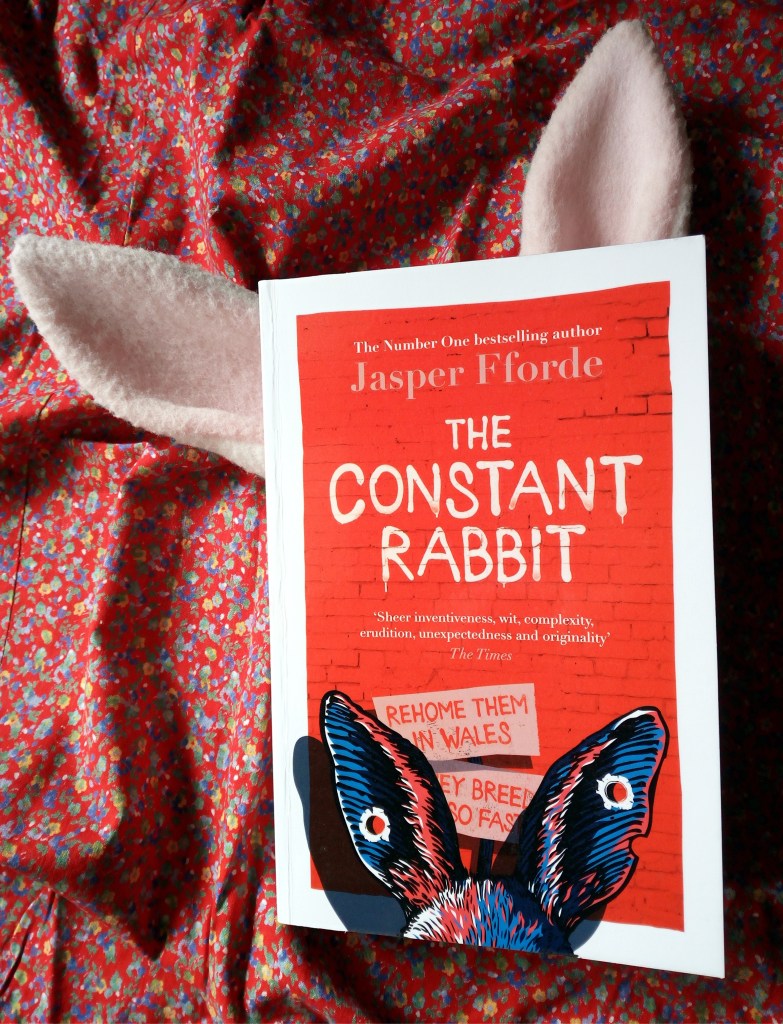
The ground swell back to paper books would archive digital copies, screens would go unlit, there would be reading time in every home after dinner. Renegades would read Jasper Fforde far into the night despite work next day. It would not be unusual to see readers sitting for hours engrossed in a p-book instead of an e-book without a café latte or muffin in sight.
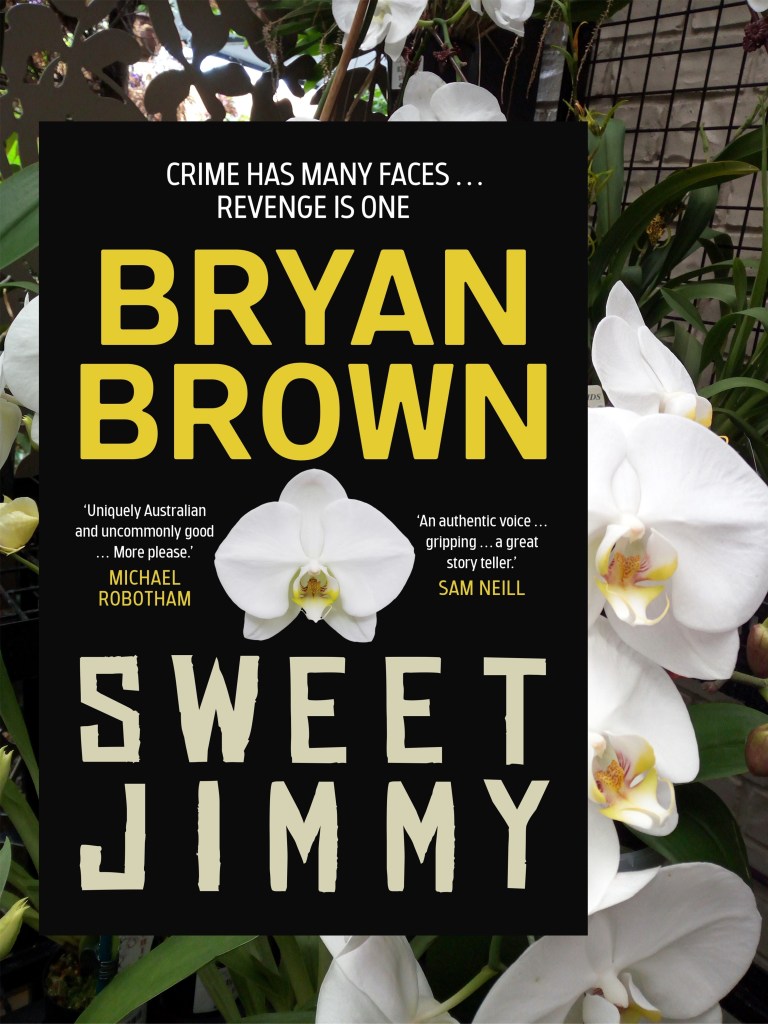
A book engrosses a person, it takes all your attention no flashy adverts therefore it is advisable to slowly build up to bigger, thicker, weighty classics. It can be done! Librarians offer recommendations for a good Book Gym where staff talk you through a workout to suit your particular genre. Believe me, people are keen and waiting to read. The first-release promo videos astonished me with reader focus and intensity. I love reading Australian crime novels but cannot discussed top Aussie authors due to Brook Paige TV Clause—another wish.
My advice is to create a comfortable environment and read up on your chosen author’s booklist before enrolling in the proposed *Real Reading Australia 2030. The genres for this thrilling competition can go either way—traditional or modern—but paper format rules. Polish your *specs dear reader!
My Thoughts: A beautiful story of ordinary life and love with extraordinary depth. Author William Trevor invited me into the pages so I could gently and thoughtfully read my way through the summer months in an Irish village named Rathmoye and learn about those who lived there in varying degrees of peace, comfort, toil and hardship. So different from today’s way of living, except our emotions never change, human nature is what it is.
I read this novel for ‘A Year With William Trevor’ Reading Challenge (info below). I could see the countryside, the characters. William Trevor captures the very essence of humanity with ease. His style of writing is deceiving, he makes it look simple but every sentence is meaningful.
William Trevor Love and Summer 2009
Gradually rural mid-century characters show the reader their world, from joy to sorrow, their hidden thoughts amid the daily grind. Making do ‘just because’ the majority of things are hard to come by.
There are the not-so-hidden thoughts from people in the village about the visiting stranger from Castledrummond, Florian Kilderry, and local lass Ellie Dillahan who are the two main characters on a collision course. Among others, we have Miss Connulty with secret desires, wearing mother’s jewellery, wondering if she is jealous of Ellie. There is advice from Sister Ambrose, and old Orpen Wren who wanders about with his hopeful memories and tragic past.
FOUNDLING QUOTE: Ellie “We were always there. The nuns pretended our birthdays, they gave us our names. They knew no more about us than we did ourselves. No, it wasn’t horrible, I didn’t hate it.”
Everyone and everything has a part to play; woven through the story is a decaying estate; dogs, sheep and Ellie delivering farm fresh eggs on a bicycle; sewing a summer dress on the kitchen table. Amid the endless toil of farm life, Ellie’s husband battles his own demons after losing his first wife and child. Most of all, religion and the Irish nuns who cared for and raised Ellie from a baby, the lessons they taught her never forgotten.
‘But she saw Florian…’ Ellie watches him, she is captivated. He stirs her in strange and mysterious ways, slowly drawing her onto forbidden ground. Florian is both accessible and distant. They come from different and difficult backgrounds, they both have the vestiges of abandonment. Not getting too close, searching for something, they don’t really know what that something is—Ellie is smitten but she also has a strong conscience.
Florian Kilderry starts off photographing a funeral with his old Leica camera but later feels that photography would fail him like everything else. We know that he has other plans but he cannot get the lovely Ellie out of his thoughts as he prepares to sell the family estate.
They pass notes in a niche in a stone wall, go walking, talking. In between times, Florian is literally burning everything from inside his family home, it seemed such a waste to me but his memories are bitter-sweet. A charming flashback has Florian and cousin Isabella reading some of his short stories written by hand in an old field journal years before. I wondered if they were really William Trevor’s when he was young?
The ending is powerful and actually crept up on me.It is three-pronged and at first I wondered if I’d interpreted it correctly. Snappy vignettes of speech and thought are used to heighten the denouement.Also a tantalising question is left hanging in the air. Great stuff!
Conclusion: I finished this book and wanted to meet the characters, sit and chat with them in the sunshine. To ask questions and maybe visit the village pub; walk through the fields, splash across streams, eat a farmhouse meal. So much of this tale is real and true but mostly vanished from the universal landscape. Domesticity, societal rules and etiquette, that time immemorial quality of hard, tedious tasks being done by hand, without grumbling, because there was no other way.
For better or worse, close-knit farming communities are changing and moving on from villages like Rathmoye in many ways except for emotions, our deep desire for love and tenderness and a partner to walk beside us.
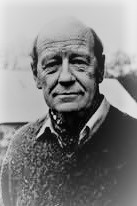
William Trevor (1928-2016) was an Irish writer who left behind an amazing legacy—dozens of novels, novellas, short stories and plays—for us to enjoy. In 2023, on the occasion of the 95th anniversary of his birth, what better way to celebrate his work than by spending a year reading it?
That’s why I (Kim) have joined forces with Cathy from 746 Books to spend ‘A Year with William Trevor’. Between the two of us, we think we can cover a good chunk of his writing over the course of 12 months—and we’d love you to join in!
We have come up with a proposed reading schedule and we’ll be posting our reviews in the first week of every month between January and December 2023. #williamtrevor2023
Biography William Trevor Ireland (1928 – 2016)
William Trevor was born in County Cork in 1928 and spent his childhood in various provincial Irish towns. He went to Trinity College, Dublin and then to England in 1953. In 1977 William Trevor received an honorary CBE in recognition of his services to literature, and in 1998 he was awarded the prestigious David Cohen British Literature Prize for a lifetime’s achievement in writing. He wrote novels, plays, essays and short stories, appeared in anthologies and won many literary awards.
Postscript: At the time of writing this book review, I did not know that ‘Love and Summer’ was the last NOVEL William Trevor wrote. (My review posted on St Valentine’s Day)
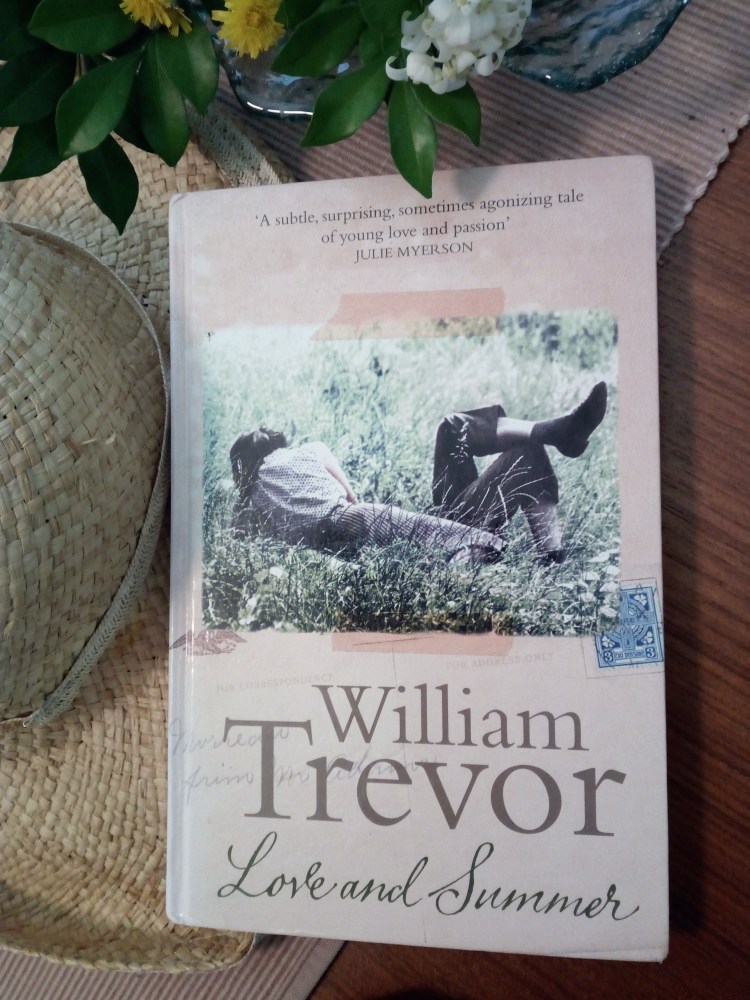
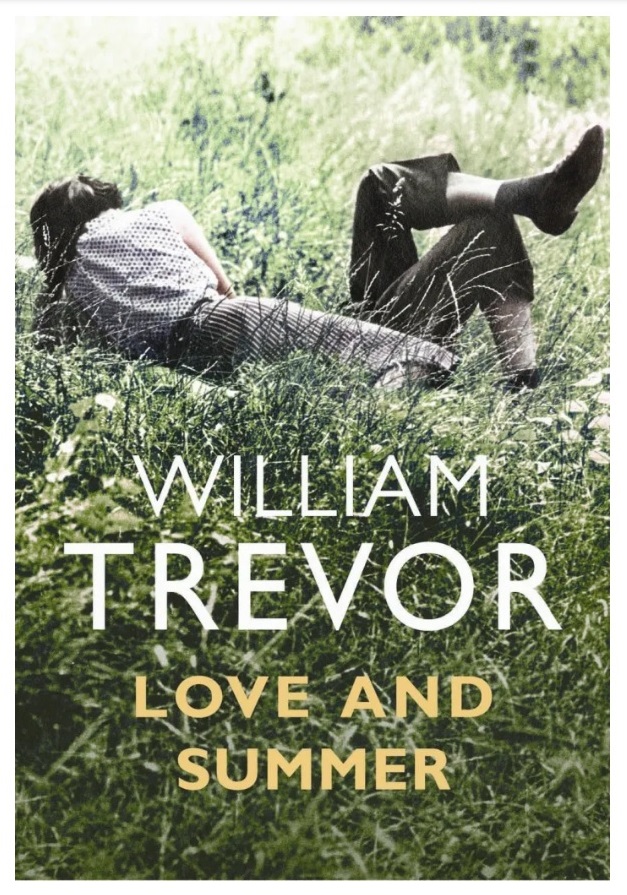
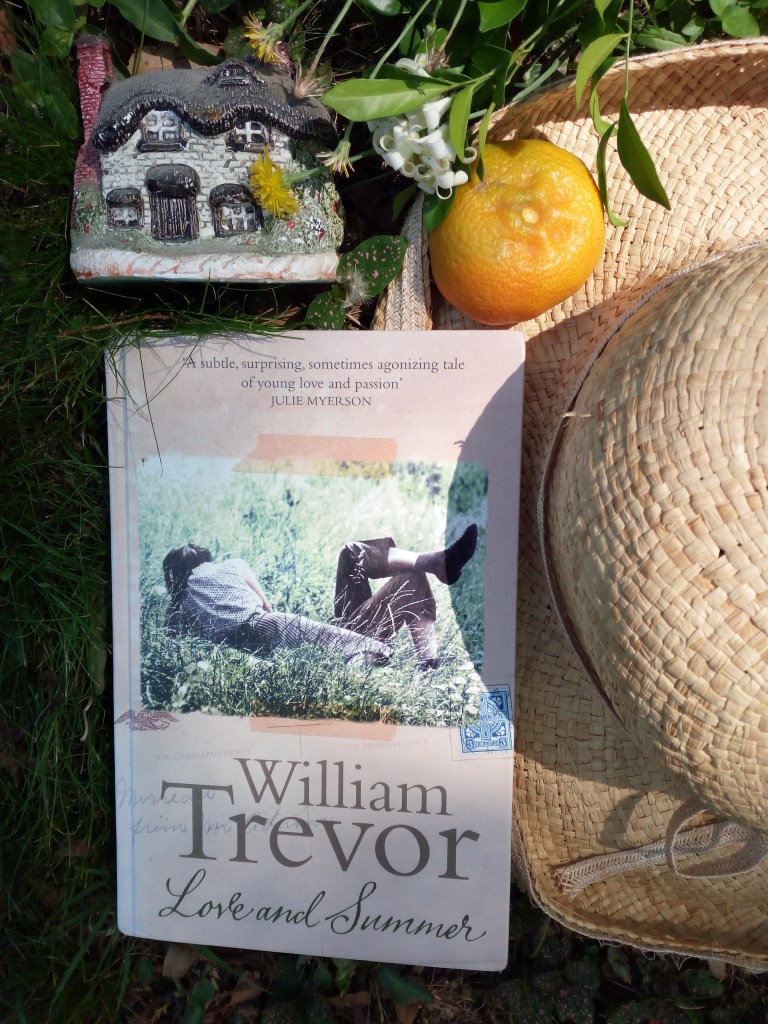
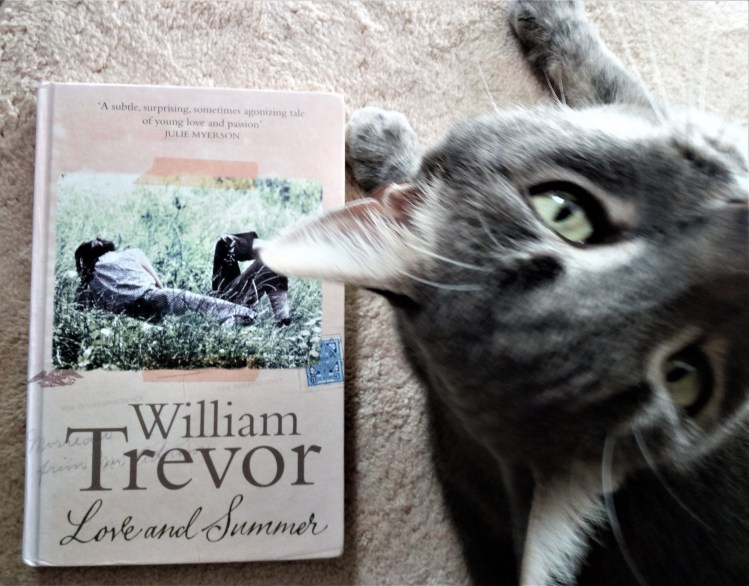
Photography: My book-styling image was hijacked by JoJo who insisted that I use it in my ‘Love and Summer’ review. Apparently all other William Trevor novels had flown off the shelves, so I borrowed a large print edition from my local library. It has an odd front and back cover design as though someone has scribbled postcard graffiti to match an element in the story. Happy reading! ♥ GBW.
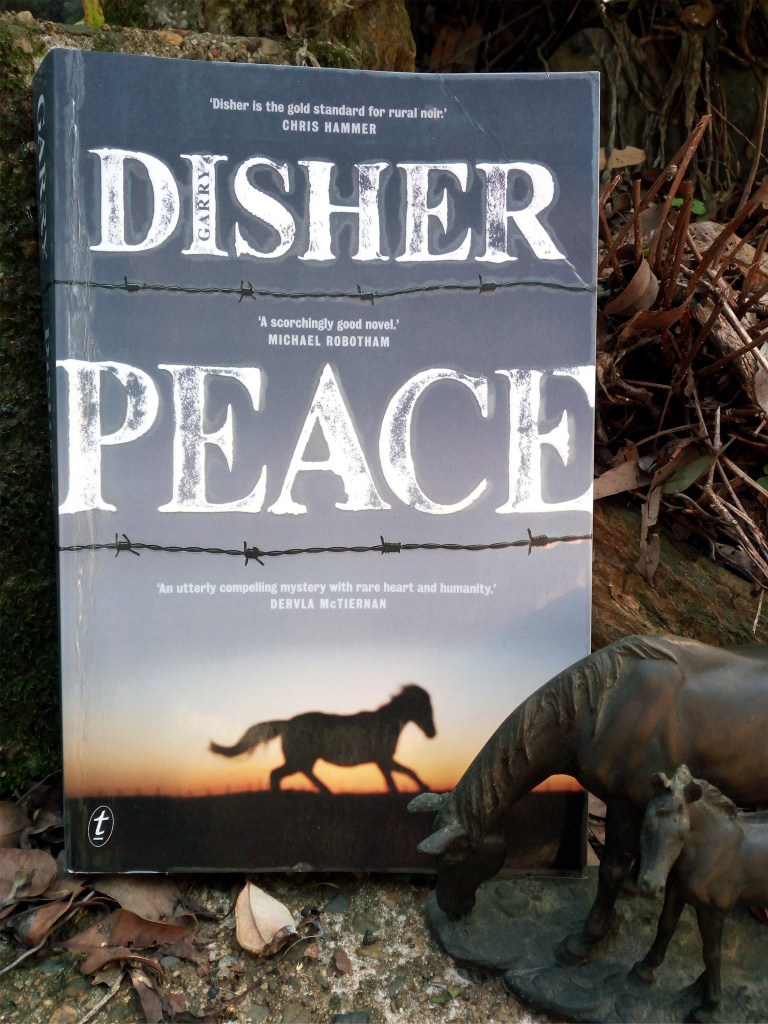
First in line‘The Fourth Crow’(2012) a Constable & Robinson Ltd hardback featuring a series written by well respected historical fiction author Pat McIntosh. Her Gil Cunningham murder mysteries are lusciously populated with all manner of people and goings-on in Glasgow in fifteenth century Britain. The ye olde atmosphere is so vividly written that you can imagine yourself right there, and this series was recommend to me by a medieval historian and lecturer.
Historic Note: 👑 The movie ‘The Lost King’(2022) is a story about the real Philippa Langley who actually found the final resting place of King Richard III. The poetic licence has been challenged but it’s immersive viewing, filmed entirely on location in Edinburgh Scotland with great care and compassion, humour and heartache and so relevant on so many levels. Can recommend!
Nextin line‘Death in Disguise’ (1992) by Carolyn Graham on BorrowBox Audio, but do I really have to mention anything about Caroline Graham’s Midsomer Murders mystery series? DCI Tom Barnaby has had so many crimes to solve over so many years in books and on ITV television that he’s almost a real person.
This story is nicely read by John Hopkins with a foreword by John Nettles who played the first Tom Barnaby. I have to admit I am not far into this tale of criminal intent because I am finding the plot slow and the scene-setting long. However, the writing quality is top notch in relation to some of the light-weight stuff around today.
The third book‘Love and Summer’ (2009) a Charnwood large print hardback written by highly regarded award-winning Irish author William Trevor. I had not heard of him until a WordPress blogger Reading Matters posted and wrote about the William Trevor Reading Challenge. https://readingmattersblog.com/2022/12/17/a-year-with-william-trevor-is-almost-here/ This tale hooked me straight away with subplots, instant twists and turns and interesting characters. “Ellie falls in love with Florian, although he’s planning to leave Ireland and begin anew after what he considers to be his failed life… and a dangerously reckless attachment develops between them”.
Of course, I review books on Goodreads regardless of whether or not anyone reads them. Either the books or my reviews! The interesting fact of my 2022 Goodreads Reading Challenge is I nominated to read 37 books over the year. I ended up reading 78 books (211%) so that was a surprise.
JOIN A LOCAL BOOK CLUB AND BE SURPRISED!
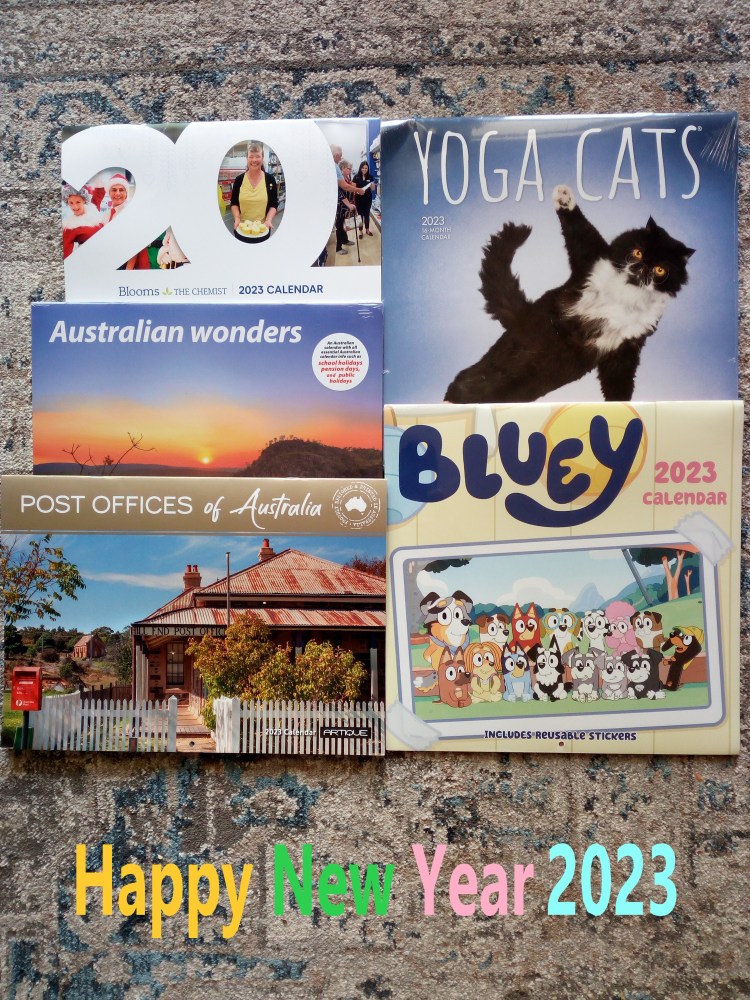
Happy New Year 2023 and may you be pleasantly surprised by________________(fill in the blank).
In geometry we learn how to measure the distance between things
The space between things
The empty space between lines
How long is the shadow cast by a branch on a tree if it is two o’clock and the branch is east facing and seven feet above the ground
A train departed Madrid in rush hour at 5:40pm and arrived in Barcelona at 8:15pm it went 63mph for 50 minutes how fast did it go the rest of the way if it is 386 miles between the cities
A trove of treasure held 300 cubic inches of gold and had a six inch square face how long was the box
If it takes three seconds for my phone to chime after you send a text message and it takes two seconds for my brain to recognise your name on my phone how long will my stomach flutter if I’ve loved you for one month…
Assuming my stomach flutters for that long and you ended our burgeoning relationship yesterday to stay comfortable in your current surroundings and we both don’t want to give up how real it all feels how much silly putty does it take to fill the empty space in my chest
If Wal-Mart sells silly putty for $1.36 per package and each package contains 4oz. of silly putty and I work for $13.51 per hour and $13.30 of each hour’s wage goes towards bills and other essentials how long will I have to work in order to save enough money to buy all the silly putty required to fill my chest with it, assuming I live in Oregon where there is no sales tax and that I only drink one six pack at $8.99 a week
More importantly though
If I fill my chest with silly putty, will my heart bounce back after it’s dropped next time.
A collection of poems by Michael DeVoe is available:
I like geometric imagery but don’t appreciate the mechanics. However, I do enjoy the clever confusion of this poem and the end twist.
♥ Gretchen Bernet-Ward
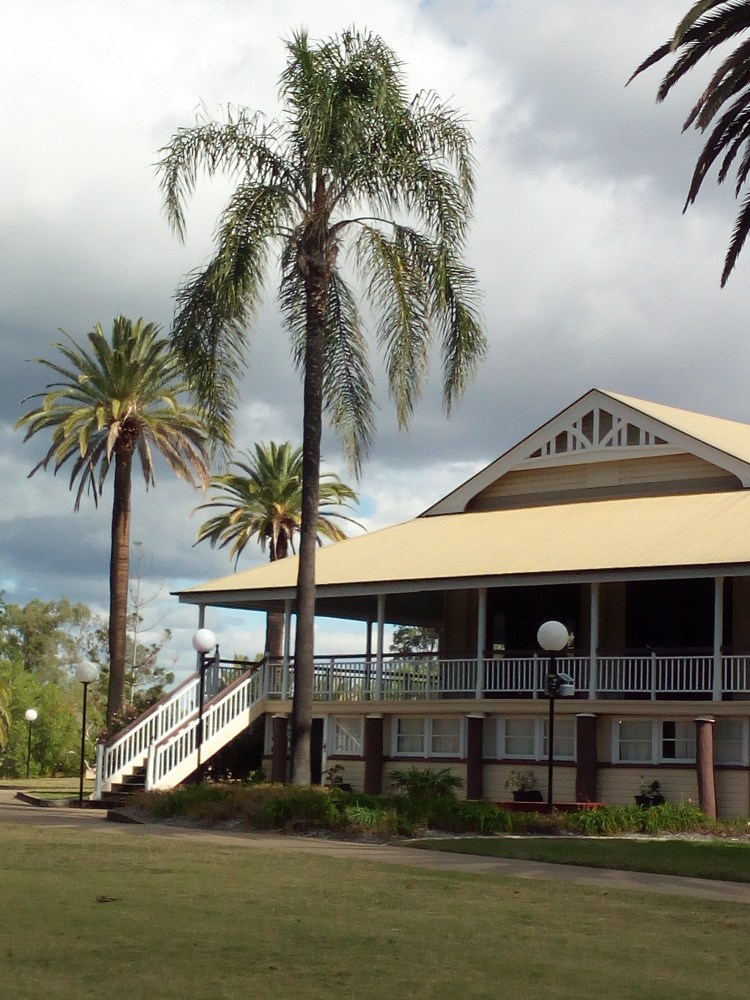
We stopped for lunch at the Gatton campus of University of Queensland and admired this heritage-listed Foundation Building constructed in 1896 and used for events and conferences.





















 Thoughts Become Words