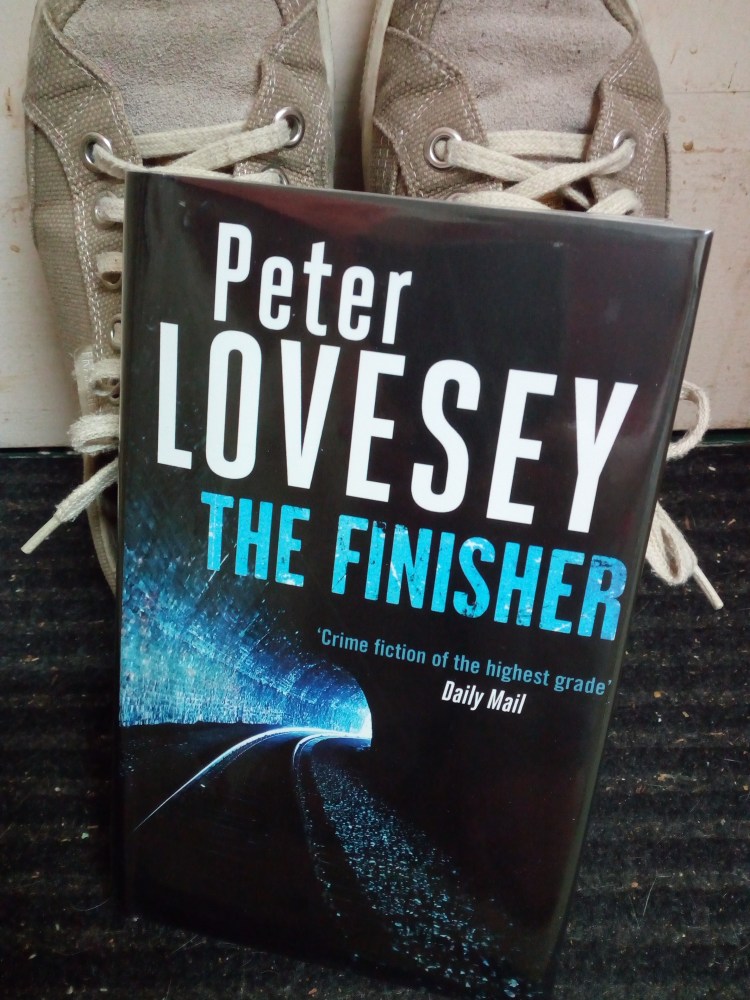
‘The Finisher’ by Peter Lovesey

THIS IS A GRAND STORY of old-school police procedural proportions, a murder mystery which employs the same dedication and precision as the runners in training for the Bath Half Marathon.  The build-up is firm and steady, the plot delivers survival tactics, and every likely and unlikely event is taken into consideration.

MOST OF THE GROUNDING for this solid piece of deduction has to do with Detective Superintendent Peter Diamond of Bath’s Criminal Investigations Department.  I can’t say Diamond is all that loveable, and he gets himself into trouble on the odd occasion, but he’s a great character to drape a story around.

DIAMOND HAS A GIRLFRIEND Paloma and when they are together I get a midsomer murder ‘Shakespeare and Hathaway’ vibe.  Diamond is aided and abetted by two sensible police officers, Keith Halliwell and Ingeborg Smith, and annoyed by Assistant Chief Constable Georgina Dallymore. Like any good whodunnit, there’s a crusty forensic pathologist Dr Sealy and a number of important characters woven into the story.

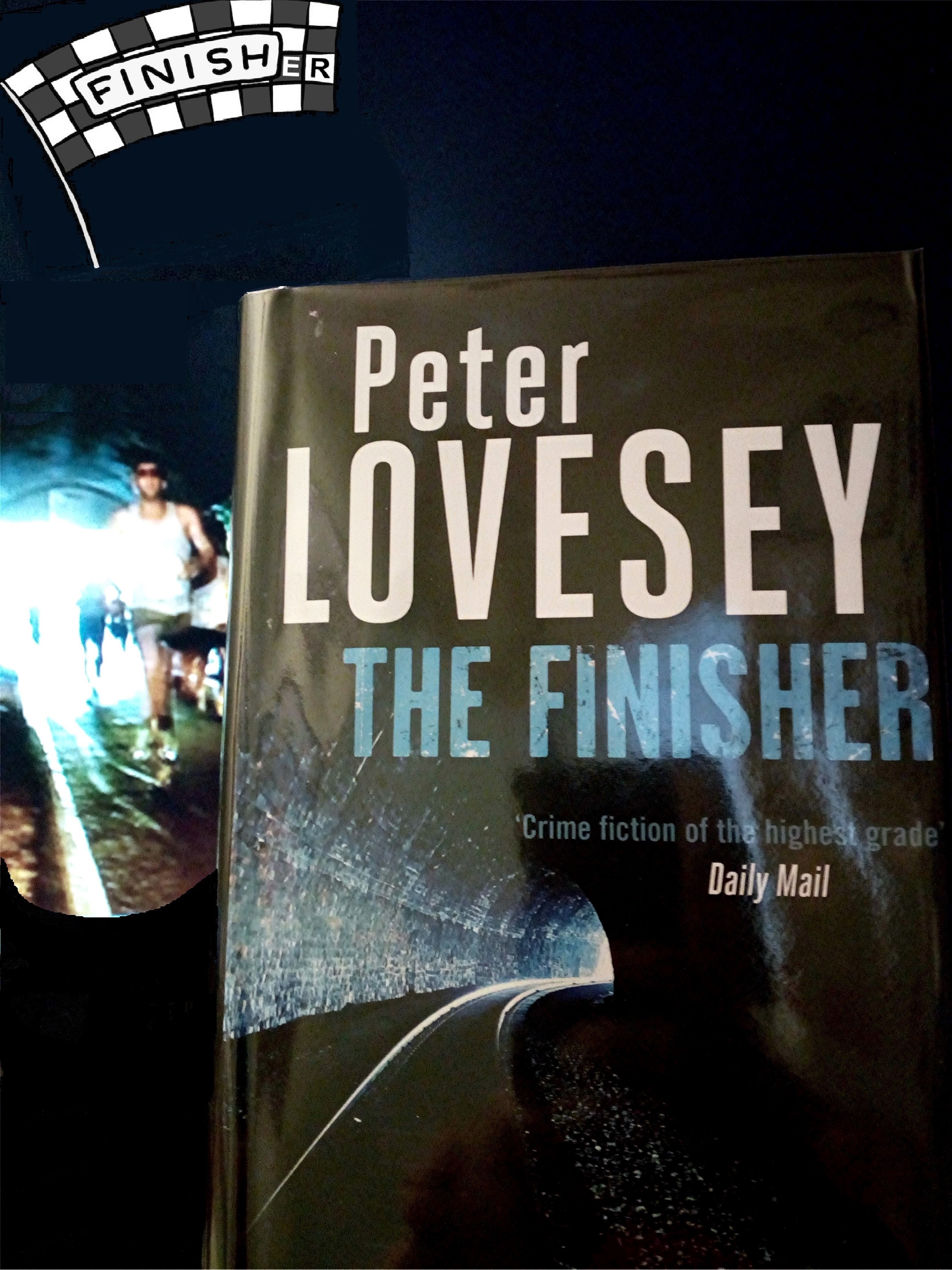
Bath Half Marathon August 2020 03
Do you think you could run this marathon? https://bathhalf.co.uk/race-info/

I AM NOT BIG on writing synopses because I figure that a potential reader can get any amount of reviews online which offer insights into this ingenious plot.  Suffice to say that the Bath Half Marathon is an absolutely huge running event held in UK and literally thousands of people from all walks of life compete each year for charity.  On this occasion, a murder takes place and Diamond has to find the body before he can make an arrest. Actually there are two murders but this is where it gets tricky…

AUTHOR PETER LOVESEY has given the reader several suspects to choose from and they are all plausible.  Some of the characters include Spiro and Murat part of the modern-day slave trade, Maeve Kelly primary school teacher, sleazy Tony Pinto, and wife of Russian oligarch Olga Ivanova, taking part in the Bath Half Marathon for wildly different reasons. 

IMG_20201017_200429

I HAD A MASSIVE claustrophobia attack: the hills where the race is run has hundreds of old tunnels and underground quarries.  I haven’t felt that bad since I read ‘The Chalk Pit’ a Ruth Galloway mystery by Elly Griffiths.  Cruelly, Lovesey did not spare my nerves.

THE BOOK TITLE is apt in various ways, and apart from showcasing beautiful Bath, there are techie things like micro-chipped runners and aerial drones.  However, Lovesey does say that the route he mapped out is not the one followed by real runners.  He has never run the marathon but as an author and sports writer he cleverly captures the mood and excitement of the event.

Nothing like running a hot bath after running the Bath Half Marathon.

I MAY NOT SAY ‘Where are my running shoes?’ but with at least seventeen other novels in the Peter Diamond series, I am going to start my own reading marathon.

Gretchen Bernet-Ward


AUTHOR PROFILE

Poetry Clipart 08Peter (Harmer) Lovesey (born 1936), also known by his pen name Peter Lear, is a British writer of historical and contemporary detective novels and short stories. His best-known series characters are Sergeant Daniel Cribb, a Victorian-era police detective based in London, and Peter Diamond, a modern-day police detective in Bath.

Peter Lovesey lives near Chichester UK and was a teacher/lecturer before he turned to full-time writing.  In 2020 he celebrates 50 years as an author and ironically in 1970 his first prize-winning novel was ‘Wobble to Death’ where a bizarre six-day endurance race takes place in 1880s London.  His son Phil Lovesey also writes crime novels.

Jasper Fforde ‘The Constant Rabbit’ Book Review

IMG_20200724_134144

Most readers will grasp the fact that this book is not going to be about Bugs Bunny.  Jasper Fforde’s unique trademark of invective wit and critical observation cover politics, racism, sexism, bureaucracy and libraries.  Actually the library in the village of Much Hemlock has reverted to the old card system but is still afloat despite very tight restrictions.  Some reviewers say this book is a departure from Fforde’s usual style but I disagree.  Jasper Fforde has always been out-there, although his unique writing charm has become more prominent since Douglas Adams and Terry Pratchett left the room.

The main protagonists are village newcomer Constance Rabbit and long-time residents Peter Knox and his daughter Pippa.  Despite cultural differences, they meet in the library and become friends.  And the book title?  I thought it had something to do with “The Constant Gardener” by John le Carré but in a Zoom interview via Avid Reader Bookshop, Brisbane, Mr Fforde himself said that it refers to people rabbiting on, e.g. constantly talking – so there you go.

Rabbits rarely lie,” said Pippa.  “They take their greatest pride in preserving most strongly the parts of them that aren’t us”. Thus rabbits walk tall but do lean towards the tonal qualities of Beatrix Potter so it’s a shock when UKARP United Kingdom Anti-Rabbit Party rears its ugly head, ready to enforce rehoming of rabbits to a Mega Warren in Wales.  Things don’t look good for Connie but she’s not going to hop away.  Can sharing her difficulties with her neighbour cause romance to blossom over a lettuce salad?  But wait, average bloke Peter hides a dark secret.

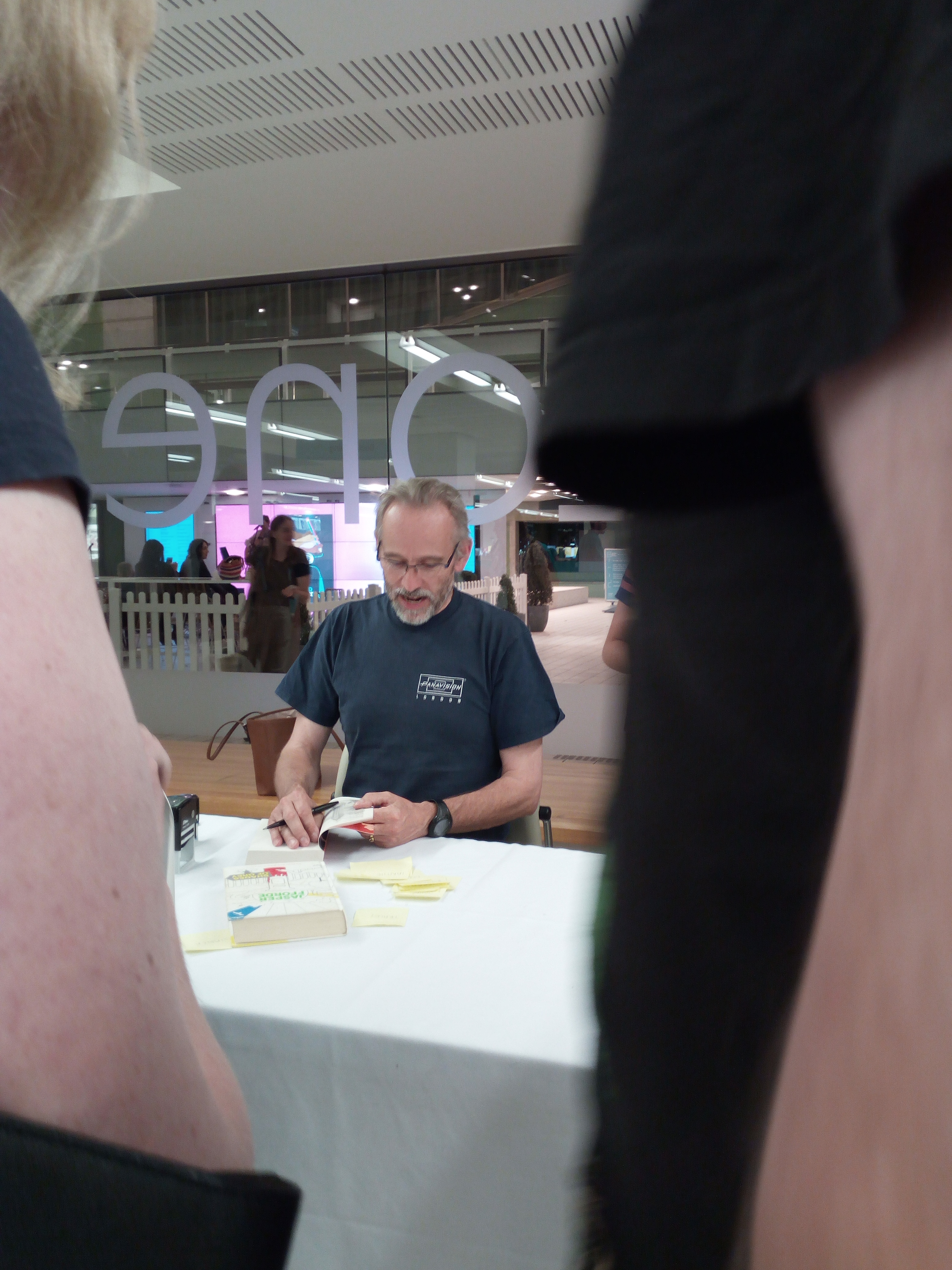
Jasper Fforde Zoom Chat The Constant Rabbit 2020 Image
Jasper Fforde reads a portion of his new book The Constant Rabbit during Zoom interview via Avid Reader Bookshop, West End, Brisbane, Australia in July 2020 https://avidreader.com.au/products/the-constant-rabbit-1

As the byline reads “It’ll take a rabbit to teach a human humanity…” and for any reader with an open mind that’s what this book achieves.  Situations run parallel to today’s world like a surreal split in the time-continuum, engaging satire and brazen behaviour with apprehension and alarm.  It doesn’t take much effort to transpose our current social and political climate over the chapters.  It rapidly becomes clear that the intertextual remarks are meaningful and at times confronting.

Like the home-created experiments that lived and breathed in Thursday Next (in earlier Fforde books Pickwick the Dodo was made from a kit) Connie’s large family had not been the only animals caught up in the 1965 Spontaneous Anthropomorphising Event.  Six weasels, five guinea pigs, three foxes, a Dalmatian, a badger, nine bees and a caterpillar suffered disorders.  What happened to them is succinctly explained. 

Chapter “Searching in vain & Shopping in town” Connie talks about her acting career and lets slip a few movie names. There’s even a dig at the Playboy Bunny era.  I could have done with more illustrations as per previous books but real product brand names and clever wordplay are liberally sprinkled throughout the story; and organisations like TwoLegsGood, Rabxit, and RabCoT exist alongside old-school references, a mixture of “jolly good chap” and 2020 tactile sensibility.

IMG_20201014_091628
Part illustration taken from frontispiece drawn by Bill Mudron of Portland, Oregon USA (and my cast-iron rabbit)  https://www.billmudron.com/

What I like about Fforde’s writing style is the wry humour, he tells it like it is – with a twist.  The smarmy Senior Group Leader, Mr Torquil Ffoxe does not escape being lampooned for about forty permutations of the double ff in his name when “All, without exception, were pronounced Fox” so is that a dig at Fforde’s own moniker or reader misinterpretation?

In my opinion, this book is vaguely similar to George Orwell’s “Animal Farm” but does not match because in “The Constant Rabbit” Fforde has significantly placed every name, action and event to create an edgy kind of intimacy, an uncomfortably familiar stab of recognition for readers.  With Manor Farm you feel things won’t turn out right; in Much Hemlock you want things to turn out right.  Best of all, Connie Rabbit has joined the illustrious list of strong female characters Jasper Fforde has written over the length of his literary career.

Gretchen Bernet-Ward


IMG_20190907_185124Author Profile:

Jasper Fforde has been writing in the Comedy/Fantasy genre since 2001 when his novel “The Eyre Affair” debuted on the New York Times Bestseller list. Since then he has published 14 more books (which include a YA trilogy) with several becoming bestsellers, and counts his sales in millions. “The Constant Rabbit” is his 15th novel.

Jasper Fforde previously worked in the film industry, and now lives and writes in Wales UK. His oeuvre consists of series and standalones and his recent novel “Early Riser” is a thriller set in a world in which humans have always hibernated; his latest book “The Constant Rabbit” about anthropomorphised rabbits becoming the underclass in a post-Brexit Britain was published 2020.

Check out Dan Simpson’s blog Writer’s Routine for Jasper Fforde audio interview.
All you ever wanted to know
http://www.jasperfforde.com/

Marie Curie said…

IMG_20200824_143106
Marie Curie was the first woman to win a Nobel Prize, the first person and the only woman to win the Nobel Prize twice, and the only person to win the Nobel Prize in two scientific fields. She was also the first woman to become a professor at the University of Paris.  Details https://www.nobelprize.org/prizes/physics/1903/marie-curie/biographical/

Gretchen Bernet-Ward

‘Mirror, Mirror on the Wall’ 10 True Facts

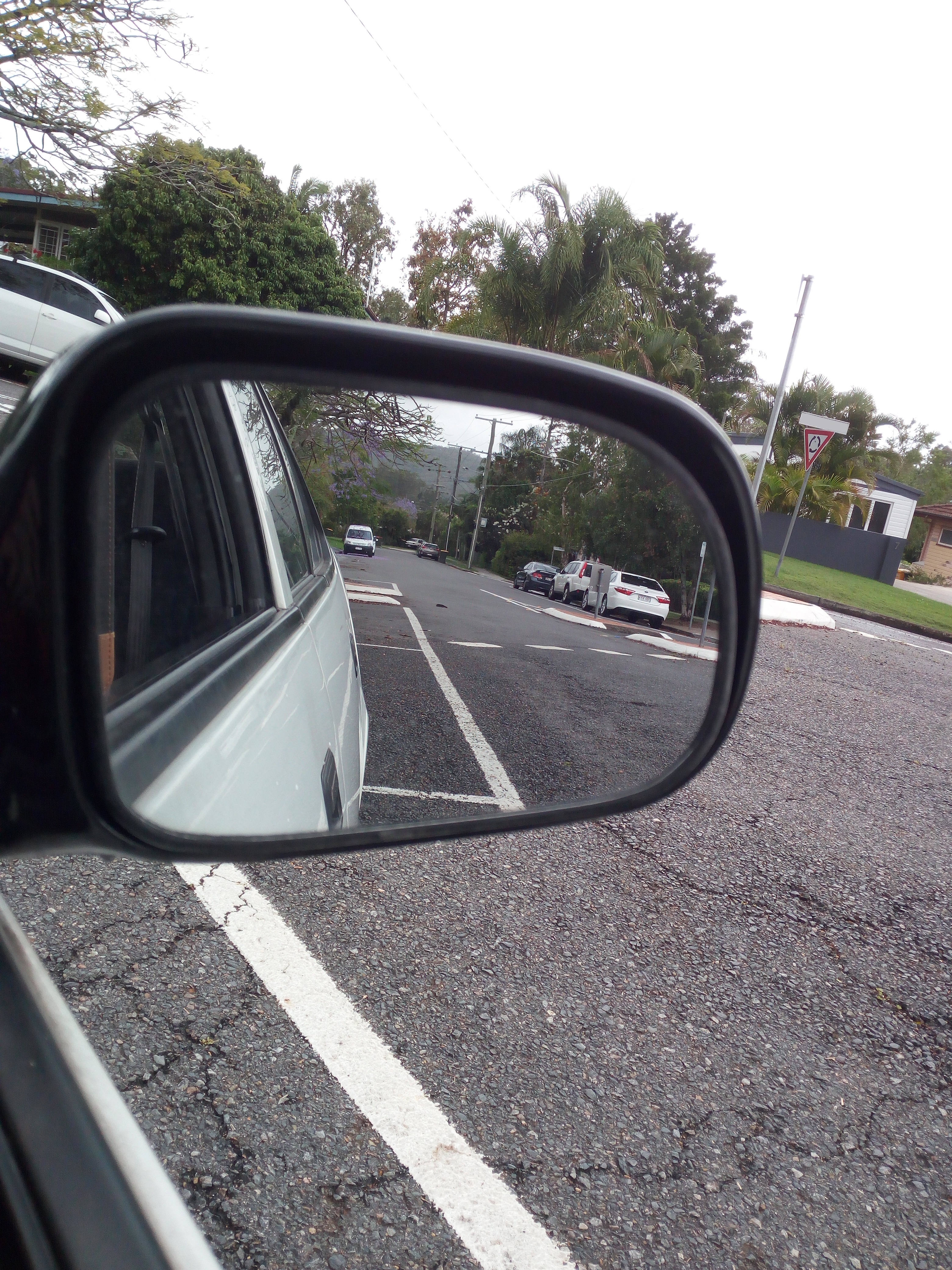
Winter night © Gretchen Bernet-Ward 2020

The nerd in me just loves these ten crazy true facts about mirrors!  I was actually searching for a fiction story based on a mirror but discovered Dr Ruth Searle’s website and decided her information was far more interesting.

Read on . . .

10. Mirrors And Time Travel

We know that a mirror can do more than reflect your image. And I won’t even start to document the amount of films I’ve seen or books I’ve read where the doorway to another world is through a mirror. A mirrored portal can lead you into an enchanted world of the future or the past; a doorway into a fantasy, paranormal or parallel world; a dystopian dreamscape or endless deep space—supposedly—however, with scientific know-how, Dr Ruth Searle explains HOW wormholes CAN make it possible to travel into the past.

9. Mirrors, Phantom Limbs, And The Human Brain

Experiments using mirrors on patients with phantom limbs have allowed researchers to learn a lot about the workings of our brain. Using a “smoke and mirrors” style optical illusion, researchers placed mirrors vertically on a table and used them to reflected the patient’s intact limb… there’s details on creating new neural pathways due to the plasticity of the brain and the connection between vision and touch.

8. Mirrors Cause Hallucinations

“A strange illusion is conjured up when you stare at your reflection in a mirror” writes Ruth Searle. This one slightly freaked me out because I remember as a girl I was told to stare into a mirror in the evening and soon I would see the face of my one true love. Anyway I stared and stared, and the more I stared, the more frightened I became. I never saw anything but I never did try that again.

If you are up for it, the instructions read “At first, you will find that there are small distortions in your face in the mirror. Then, gradually, after several minutes, your face will begin to change more dramatically, and look more like a waxwork, like the face doesn’t belong to you.” Shiver, no thanks!

7. Can Everyone Recognise Themselves In A Mirror?

Apparently children develop mirror self-recognition by about two years old but cultural differences can sometimes influence recognition and is not a sign that they lack the ability to separate themselves psychologically from other humans. One for those parental “aaw, cute” moments when their kid kisses the mirror.

Confident Cat
Confidence

6. Animals That Have Mirror Self-Recognition

Some researchers think certain animals are able to pass a test for recognising their own reflection. Animals which pass the traditional mirror self-recognition test naturally include chimpanzees and orangutans but several others surprised me. Killer whales anyone..?

5. Mirrors On The Moon

This sentence sounds like sci-fi but if you don’t believe me, read it yourself: “The Laser Ranging Retroreflector was left on the Moon by Apollo astronauts, and is used to calculate the distance from the Earth to the Moon. It is essentially a series of corner-cube reflectors—a special type of mirror—which reflects a laser beam back in the direction it came from… Not only can the Laser Ranging Retroreflector measure the distance from the Earth to the Moon, but it has improved our knowledge of the Moon.” There’s more on the website.

4. Mirrors Can Also Reflect Sound

Before radars were invented, mirrors which reflect sound waves were known as “acoustic mirrors” and were used in Britain during World War II to detect certain sound waves coming from enemy aircraft. It is worth checking the photo to see this almost modern art installation.

3. Reflecting Matter With Mirrors

I absolutely love this Sheldon-like paragraph “Amazingly, mirrors can also reflect matter. Such mirrors are known in physics as atomic mirrors. An atomic mirror reflects atoms of matter just as a conventional mirror reflects light. They use electromagnetic fields to reflect neutral atoms, although some just use silicon water…” Put on your Big Bang t-shirt and read the rest of it, I dare you.

2. True Mirrors

Dr Ruth Searle writes “It’s actually a myth that a mirror reverses your image—your reflection is not flipped. What you see is the left-hand side of your face on the left of the mirror, and the right-hand side on the right, giving the illusion that your reflection is reversed. However, a non-reversing mirror, or true mirror, was developed… primarily for applying cosmetics.” On Zoom, there is a function which allows you to reverse your image and I find it very disorientating.

IMG_20171016_115002
Backward and forward

1. Splitting Light With A Mirror

I did not know that mirrors not only reflect light, sound, and matter, but they can also split light beams. A basic beam splitter is a cube, made from two glass prisms connected at their base. The illustration for this one makes it look amazingly simple but the explanation says beam splitters are used in many scientific instruments including telescopes so their function would have to be precise.

So there you have it, folks, a short ramble through the never-ending joys of the internet.

Gretchen Bernet-Ward


ListVerse: 10 Crazy Facts About Mirrors | Ruth Searle | 30 December, 2013 | 80 Comments
Profile: Dr Ruth Searle is a marine biologist with a PhD in humpback whale ecology and behaviour in tropical marine environments.  She is also a freelance writer and science nut.

Unstoppable Springtime

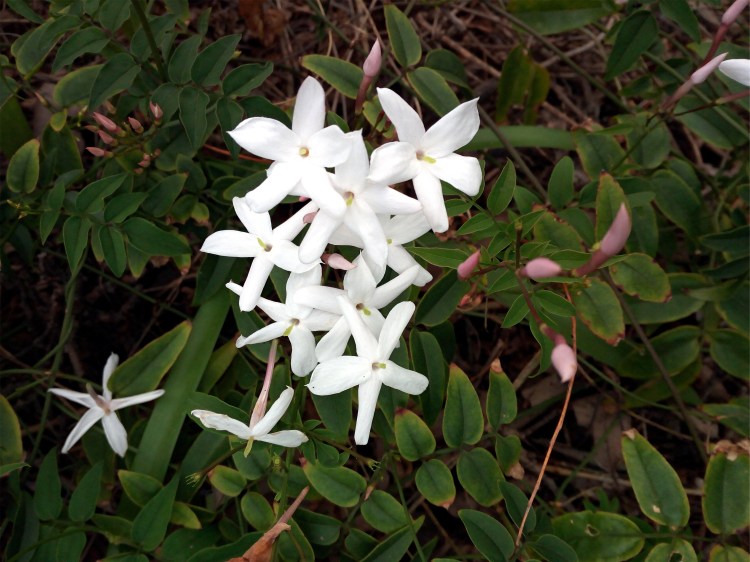
Plants and flowers come and go in the garden according to the seasons but Spring seems to be the best time for Nature to attract my attention.

Here is a tiny sample of what’s happening now in a suburban backyard in Brisbane…

Protect the natural environment, recycle, reuse, conserve water, and remember social distancing doesn't apply to plants. 

Gretchen Bernet-Ward

Lucy V Hay ‘Criminally Good’ Advice

After reading Lucy V Hay’s two informative books “Writing and Selling Thriller Screenplays” and “How NOT to Write Female Characters” the next logical step was to subscribe to her website and learn more.

The first thing I noticed was that Lucy is very active and her site holds a plethora of information. Then I was delighted to receive a free copy of The Lynmouth Stories, three of Lucy’s short stories titled “In Plain Sight”, “Killing Me Softly” and “Hell and High Water”, twisters which certainly pack a psychological punch.

Here’s what it says on her website—

Lucy is an author and script editor, living in Devon with her husband, three children and six cats. She is the associate producer of Brit Thrillers Deviation (2012) and Assassin (2015) both starring Danny Dyer. See Lucy’s IMDB page HERE and other movies and short films she’s been involved in, HERE.

In addition to script reading and writing her own novels, Lucy also blogs about the writing process, screenwriting, genre, careers and motivation and much more at her blog Bang2write, one of the most-hit writing sites in the UK. Sign up for updates from B2W and receive a free 28 page ebook (PDF) on how NOT to write female characters, HERE or click the pic on her website.

For more scriptchat, leads and links, join Lucy’s online writing group, Bang2writers. It’s something I am going to explore further!

Gretchen Bernet-Ward

ADDENDUM—For a free copy of The Lynmouth Stories and more, join Lucy’s EMAIL LIST—My post heading comes from the title of Lucy’s email CRIMINALLY GOOD where she interviews fellow crime writers and asks them five questions.  She says “It’s fascinating to read their answers, especially as they are all so different!”  Today I have the choice of Ian Rankin, Sophie Hannah or Peter James. GBW. 

Your Precious Life

IMG_20200913_122610
Photo Gretchen Bernet-Ward 2020 — Quote from poem The Summer Day by Mary Oliver https://www.loc.gov/poetry/180/133.html

The Summer Day

Who made the world?

Who made the swan, and the black bear?

Who made the grasshopper?

This grasshopper, I mean-

the one who has flung herself out of the grass,

the one who is eating sugar out of my hand,

who is moving her jaws back and forth instead of up and down-

who is gazing around with her enormous and complicated eyes.

Now she lifts her pale forearms and thoroughly washes her face.

Now she snaps her wings open, and floats away.

I don’t know exactly what a prayer is.

I do know how to pay attention, how to fall down

into the grass, how to kneel down in the grass,

how to be idle and blessed, how to stroll through the fields,

which is what I have been doing all day.

Tell me, what else should I have done?

Doesn’t everything die at last, and too soon?

Tell me, what is it you plan to do

with your one wild and precious life?

Mary Oliver

Mary Oliver (1935-2019) author and Pulitzer Prize winning poet.
https://www.poetryfoundation.org/poets/mary-oliver

Gretchen Bernet-Ward

Poetry Clipart 09

My Neglected Bookshelves

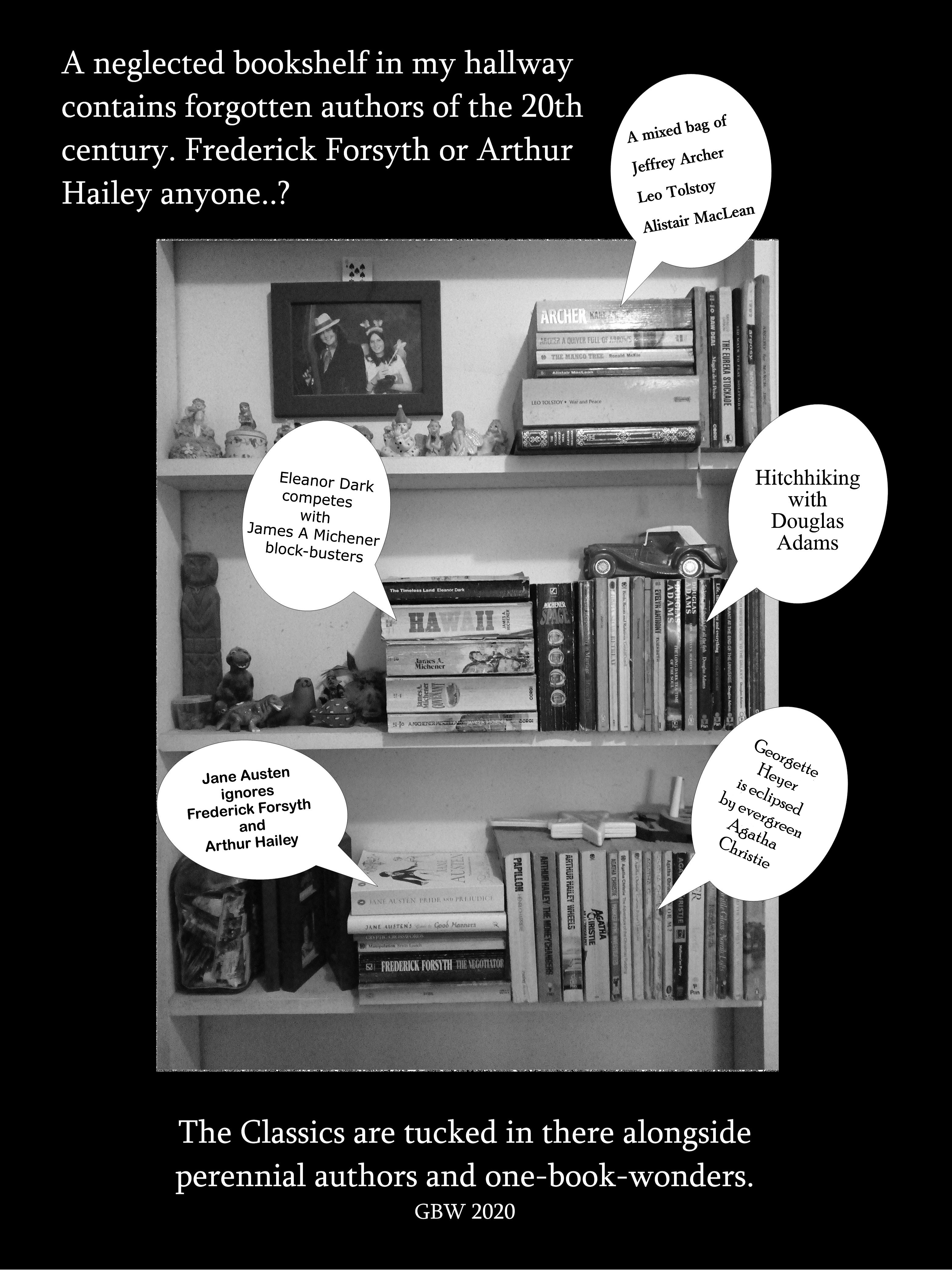
IMG_20200825_093745
Old bookshelf © Gretchen Bernet-Ward 2020

Don’t look too closely, there’s plenty of dust on them thar bookshelves. These books have sentimental value but may be destined for the University of Queensland Alumni Book Fair 2021 at St Lucia Campus, Brisbane—
Link https://alumni.uq.edu.au/uq-alumni-book-fair

Here’s the first installment of my three-day visit in April 2019—
https://thoughtsbecomewords.com/2019/04/28/rare-book-auction-and-alumni-book-fair/

Old books or new ones, ebooks or audio, I wish you all good books!

Gretchen Bernet-Ward

IMG_20190505_123307
A corner of the UQ Alumni Book Fair 2019

ANZAC Park in Toowong

20200808_141556

RECENTLY I was fortunate enough to take a pleasant stroll in a modest yet important piece of parkland.  From 1916 to the present day, ANZAC Park is one of the oldest ANZAC parks in the world – a war memorial and a green space for everyone.

I HAVE visited ANZAC Park on and off for many years and have seen some old trees removed and new ones planted, the circular roadway improved, a dog park installed, children’s area expanded, the duck lagoon which overflows or dries up depending on the seasons and, of course, enjoyed many picnics sitting on a tartan rug on the sloping hillside away from the hum of the city.

APPROXIMATELY 15 minutes or 7km from Brisbane CBD, in times gone by it was a day’s outing at the end of the tram line.  It is opposite the significant landmarks of Toowong Cemetery and Mt Coot-tha Botanic Gardens, linked by the Toowong pedestrian and cycle bridge recently named Canon Garland Overpass.

More on Canon Garland further down . . .

20200808_140904


ANZAC is the acronym formed from the initial letters of the Australian and New Zealand Army Corps.  This was the formation in which Australian and New Zealand soldiers in Egypt were grouped before the landing on Gallipoli in April 1915 during the First World War.


THE CONFLICT commemorated in ANZAC Park is the First World War 1914–1918 and memorial types were Garden/Avenue/Tree.  Inscriptions within the park consisted of small brass and metal plaques located in front of memorial trees, bearing the details of local men from the district who died at Gallipoli and on the Western Front.  No plaques remain today nor is there a stone monument.

YEARS of petitioning from a community-based campaign to honour the memory of Anglican clergyman and military chaplain Canon David Garland, the Queenslander who gave ANZAC Day to the world, culminated in the renaming of the pedestrian and cycle bridge which crosses the busy Western Freeway.  Officially named Canon Garland Overpass, it pays tribute to the man who championed the formation of “ANZAC Day” as our nation’s “All Souls’ Day”.

This photo was taken as I walked across the bridge – a safe yet disconcerting experience.

20200808_135138 Brisbane
Canon Garland Overpass for pedestrians and cyclists across Western Freeway at Toowong, Brisbane, looking towards Mt Coot-tha — the camera was held straight — View shows the enclosed AU$5.4 million overpass constructed between 2008-2009 and later renamed “Canon Garland Overpass” after the man who pioneered ANZAC Day. The bridge provides a safe way for pedestrians and cyclists to cross the busy Western Freeway with links to and from ANZAC Park to Mt Coot-tha Botanical Gardens, historical Toowong Cemetery, Western Freeway Bikeway, main bus routes and local cafes. The overpass features a 60 metre-long freeway-crossing, 160 metres of elevated structure and fully enclosed screen protection — https://garlandmemorial.com/2019/10/09/canon-garland-overpass/

AFTER A LIFETIME of service to the community, Canon Garland (1864–1939) was buried across the road in Toowong Cemetery, not far from The Stone of Remembrance and The Sword of SacrificeThe official unveiling of these two memorials makes stirring reading.  On 25 April 1924, they were unveiled by the Governor-General as Australia’s first “national” ANZAC Memorial, thanks to the tireless efforts of Canon Garland.

FROM ITS POSITION on the corner of Wool Street and Dean Street, and Mt Coot-tha Road, Toowong, ANZAC Park has easy access to places mentioned above as well as bushland walks and picnic areas within Mt Coot-tha Reserve.

Friends of ANZAC Park have beaut photographs on their website.
Queensland War Memorials insight includes planting an honour avenue of palms.


JUST TO CONFUSE things, an ANZAC monument stands in Toowong Memorial Park, a heritage-listed memorial park at 65 Sylvan Road, Toowong, City of Brisbane, Queensland, Australia.  The Toowong War Memorial is composed of brown Helidon freestone and was built to commemorate those men of the district who died in service or were killed in action in World War One.  It was designed by George Rae and built c.1922 by Toowong monumental stonemasons Andrew Lang Petrie & Sons.  It was added to the Queensland Heritage Register in September 2007.  This monument sits on a hill and has twelve small stone pillars around it.


20200808_130660
Sandwiches — cheese and tomato, egg and lettuce, corned beef and salad, chicken and mustard mayonnaise.

I am writing this post on 1st September 2020, the first day of Spring, so time to get outside and breathe that fresh air – don’t forget the picnic rug!

Gretchen Bernet-Ward

Swooping Season – Watch Out!

IMG_20200826_115359
This sign had fallen off the fence onto grass under a eucalypt tree but whether caused by human or bird intervention is anyone’s guess. GBW.

Magpies in Australia are well-known for swooping humans and pets during their breeding season between July and December, but peak swooping month is September in Brisbane.  This is normal defensive behaviour in springtime as the birds are trying to protect their eggs or newly hatched young in the nest.

Walk the long way home!  Swooping season can be a nuisance to some people, but often Magpies will accept the presence of people within their territories (they do get to know human families) however when attacks do occur, they usually take place within a hundred metre radius around the tree containing their nest.

I know from experience that a sudden rush of wings and a sharp, snapping beak at the side of your head is a very scary thing.

While most Magpie attacks are mild, they could cause serious injury to your eyes and head.
Seven tips to protect yourself against swooping birds:

(1)  Wear a hat or carry an umbrella

(2)  Wear sunglasses to protect your eyes

(3)  Do not interfere with the birds or their nest

(4)  Watch the birds while walking away quickly and calmly

(5)  A bird is less likely to swoop if it knows you’re watching

(6)  If you ride a bike, dismount and walk

(7)  Never aggravate a Magpie as this can make the bird defensive and lead to a more severe swooping attack next time.

Some people paint big eyes on their bike helmets or stick drinking straws on their hats to repel Magpies, but I’m not sure these ideas work.  Wearing head protection stops wayward claws from tangling in hair.

Magpies are vocal birds with a carolling call.  They adapt well to open and cleared environments and thrive in large areas of lawn (like parks, golf course, school grounds) which provide foraging sites, and where there are scattered trees available for nesting, and a water source.

Usually Magpies eat garden pests and insects but they are inventive when it comes to cat food.  In my photo sequence this one peered into the car scrounging for a snack.

The nest of a Magpie is bowl-shaped and made from dry sticks with a lining of grass, bark and other fibres.  The clutch size is usually around three to four blue-grey eggs, though this varies according to season, predators and health of the parents.  Magpie lifespan is about 25 years and I have had two hanging around my place for several years.  Both parents raise their young and guard their territory and they are a natural part of my outdoor life.

Pen Paper Clipart Boy Holding PencilPLEASE NOTE The Australian Magpie (Cracticus tibicen) is a native Australian bird and is PROTECTED under the State Wildlife Legislation (Nature Conservation Act 1992).  It is a serious offence to harm Magpies and penalties apply for attempting to harm them.  Information Brisbane City Council Biodiversity Living with Wildlife.

Gretchen Bernet-Ward