‘The Sun Walks Down’ by Fiona McFarlane

Absolutely love this book! Although I am not a clever reader of literary fiction, Fiona McFarlane got me hooked. It is sometimes a demanding read but so alive and full of richly portrayed characters.

Of course, the South Australian landscape is the main protagonist, tortured and decimated as it is, ruined by European settlers who did not see beauty or learn bush secrets nor had the ability to properly sustain the land; they just saw desert to be conquered. And they did it badly.

September 1883, in the South Australian outback, young Denny is lost in a dust storm but author McFarlane’s tale spins off into other areas as well; the climate, people showing strength and fear, love, intimacy, unthinking cruelty, making good and bad decisions, and those who trek back and forth across the bone-dry landscape on enduring camels. Colonial Australia was raw and rough; every human emotion is detailed here, channelled into finding a lost boy, coercing the reader into moods of discomfort, dreamlike imaginings, and showing the struggles needed to sustain a viable future.

Although I dislike the non-indigenous trees on the bookcover, I could write copious notes on each character in this story. McFarlane brings to mind earlier Australian authors, superlative Patrick White and inimitable Thea Astley. Here, McFarlane’s character of Mrs Joanna Axam reminds me of my great-aunt, a strong and opinionated woman with natural cunning subdued for polite society and an unerring ability to read people’s personalities, often using it against them.

GBW 2023

Joanna Axam has a whippet named Bolingbroke which shows her sense of humour. Henry, her deceased husband, left behind a biblical garden, not because he was devout but because he liked the idea. Joanna knows it’s thirsty, a waste of water, but cannot let it die even though their land is barren due to cattle over-farming. I found her chapters quite riveting and she is obsessed with the possum cloak worn by Jimmy, one of Sergeant Foster’s trackers. What a schemer! Did she want it taken from the rightful owner to cover her own disfigurement? Did she understand mob and Country significance of a possum cloak?

Although young frightened Denny is the catalyst, over seven long days, there are many people good, bad and indifferent, trying to find the youngster by using their own particular skills. Two people spring to mind, Karl and Bess, penniless itinerant artists wandering in the desert in search of creative inspiration. They are woven through Denny’s story for better or worse, you decide.

GBW 2023

I read this book when I was feeling strong otherwise I may have been overwhelmed by emotion at what Fiona McFarlane has created. As indicated by my first name, I am a descendant of German settlers to South Australia where the story is set. My great-great grandfather was a Lutheran pastor who documented the sad decline of Indigenous populations, caring for them as best he could. His records are in University archives and that’s all I know.

Just like life ‘The Sun Walks Down’ has turmoil then a resolution of sorts.

Set aside a chunk of quiet time to read it.

 Gretchen Bernet-Ward

My Goodreads reviews—
https://www.goodreads.com/gretchenbernetward
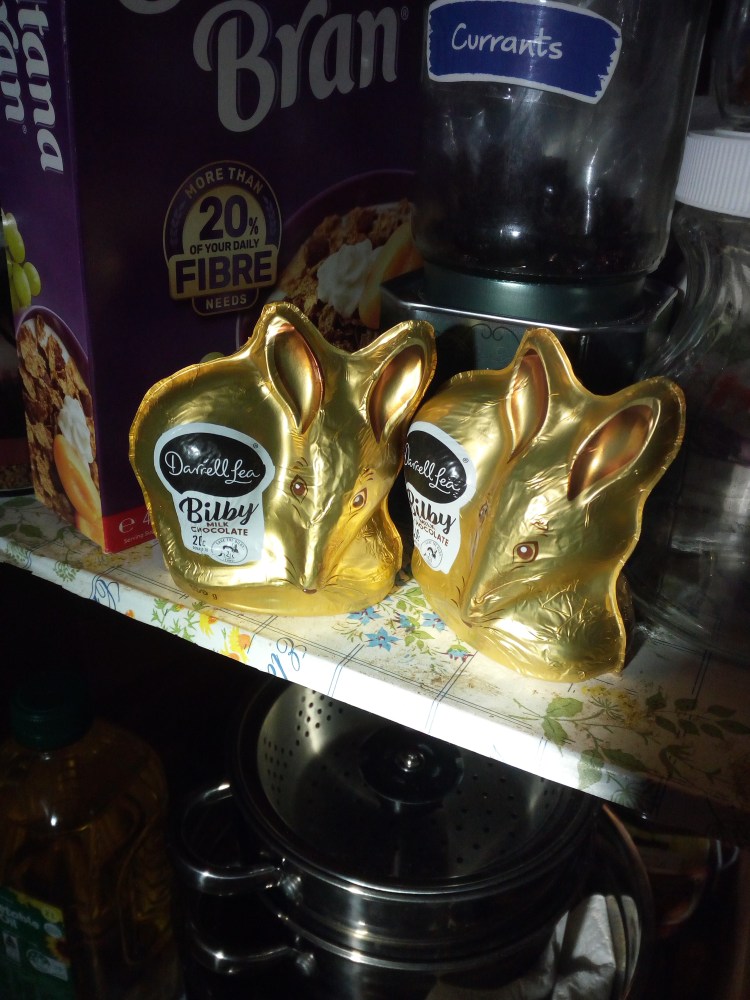
Save the Bilby

Two Easter Bilbies hiding in cupboard © Gretchen Bernet-Ward 2023

Bilby – Australia’s Easter Bunny

Common name: Greater bilby
Scientific name: Macrotis lagotis
Family: Thylacomyidae

Among the hot, dry grasslands of western Queensland, the Greater Bilby lives far from the public interest surrounding its conservation. As one of Queensland’s 15 endangered mammals, the Greater Bilby is the subject of intense conservation efforts. This includes attempts to replace the Easter Bunny with the Easter Bilby in Australia, in an effort to make the public aware of this important animal’s endangered plight. Find out more:

https://www.qld.gov.au/environment/plants-animals/conservation/threatened-wildlife/threatened-species/featured-projects/greater-bilby

Save the Bilby – Donations welcome

Quote: “Every Darrell Lea chocolate Bilby you buy helps raise money for the Save the Bilby Fund, 20 cents from every purchase will help the national breeding program and support the Save The Bilby Fund’s mission to have 10,000 Bilbies in the population by 2030.” 

NonFiction Reader Challenge ‘Little Cornwall’ Philip Payton

Pictorial History of Australia’s Little Cornwall by Philip Payton © Styling Gretchen Bernet-Ward 2023

I have decided to accept the Non-Fiction Reader Challenge from Book’d Out and make non-fiction part of my regular reading. I am currently reading ‘Pictorial History of Australia’s Little Cornwall’ by Philip Payton.

Why this particular book? Do I have Cornish connections?

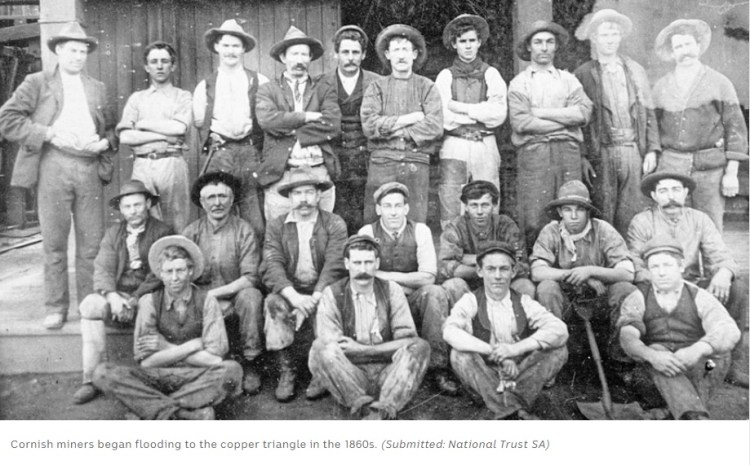
Well, I chose this book because I attend Cheryl Hayden’s U3A classes on Cornish History and all that entails. Cheryl has a passion for Cornishman Tristram Winslade and she studied with author Philip Payton. On the first day, the first thing I recognised were the names of towns and places because Cornish miners came to Australia around 1840s and left their mark on the South Australian landscape.

Miners and their families came to South Australia to take part in the new colony’s great copper boom from 1845 to 1877. These skilled men used their expertise to extract the rich ore which gave Australia world-wide acclaim as the Copper Kingdom. Mining was a grim life for everyone and added to that physical toil was the mental toll of being thousands of miles away from home.

Statue Dedicated to Kapunda Cornish Miners of South Australia Bruce Elder Aussie Towns

And, no, I don’t have a family connection to Cornwall. But I am fascinated by the strength, courage and determination of those Cornish pioneers who travelled to the other side of the world for work.

The motto of Cornwall is ‘Onan hag Oll’ which in English means ‘One and All’ a sentiment of unity that pervades the Cornish spirit and has defined its character over centuries.

My mantra would have been ‘Damn dirt and dust’. They were religious people so perhaps did not swear. If you’ve read about the Prayerbook Rebellion and King Edward VI part in it back in 1549, they took that pretty seriously.

Book photographs show grim, hardworking Cornishmen above and below ground. Of course, in those days the people being photographed had to keep very, very still otherwise the image blurred. These blokes changed the fortunes of Australia.

QUOTE: The Cornish steam engine was revolutionary when it was introduced into Australia in the mid-19th century, enabling mining of metals at depths not previously possible. This new form of deep, hard rock mining required new skills and technology not then present in Australia. Mining for copper required the skills of miners who knew how to establish mines and systematically work them in a way that gave the best return for the effort and cost required to access the ore body.

Australian Government Parks and Heritage National Heritage Places – Australian Cornish Mining Sites

Due to my claustrophobia I don’t know how men could go down a shaft and work in tunnels underground. I get palpitations and cold sweats just looking at the B&W photos of mining accomplished hundreds and hundreds of metres—Moonta as deep as 762 metres (2,500 feet)—below the surface in low lighting with little ventilation… sorry, have to stop and take some deep breaths…

Copper Mining South Australia Burra Mine Site c1900s

Death and infant mortality would have been regular visitors, coupled with irregular supplies of food and clothing necessities. For example, Burra is 164km from the city of Adelaide and two hours travel by car now. Back then it would have taken several days, if not a week, allowing for the weather. What consideration was given to housing, health, education and even entertainment? It seems like it was all work, work, work for mining families. But I bet it wasn’t!

I certainly hope those intrepid miners were well paid with bonus credits because I reckon they deserved every penny they earned and more. In conjunction, the Moonta Mines women on the Yorke Peninsula deserved gold medals for their Cornish Pasties, continual scrubbing of clothes and the ability to produce a home-life as normal as possible under the harsh conditions.

When the mines were closed in 1923 many Cornish families stayed in Australia. By then ‘Little Cornwall’ and its Cornish heritage had achieved legendary status. Festivals and parades were held Kernewek Lowender and Gorsedh Kernow. There are early photographs of Chapels, brass bands and street parades with proud banners. This tradition still exists in South Australia today.

Kapunda Copper Mining Mounds and Pond, South Australia

It’s easy to say nothing really remains of the old mines but it does. It’s there in the engine house, the rocks, the mounds and mineral ponds; the names of Cornish descendants and, of course, the original town names like Redruth, Burra, Kapunda and the ‘Copper Triangle’ of Wallaroo, Moonta and Kadina. Today Burra and Moonta are of outstanding national heritage significance as two places in Australia where Cornish mining technology, skills and culture are demonstrated to a high degree.

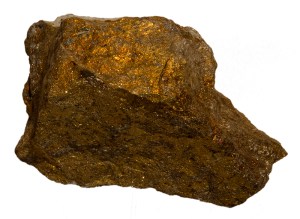
Mining continues in Australia; minerals are a finite resource yet presently unrecycled copper products are widely used in building construction, electrical grids, electronic products, transportation equipment and home appliances.

Image GeoScience Australia https://www.ga.gov.au/education/classroom-resources/minerals-energy/australian-mineral-facts/copper

One hundred years from closing in 1923 to 2023 today, those Cornish miners had no inkling of the controversy, dilemma and great debate earth mining is causing in Australia right now. Benjamin Franklin said ‘No nation was ever ruined by trade.’ But whose bank account does it fill and at what cost to the environmental future of our country?

Now I am going for a walk, very conscious of what could lie beneath the grassy parkland.

Gretchen Bernet-Ward  

Pictorial History of Australia’s Little Cornwall
By Philip Payton
Format: Paperback
Size: 265 x 218 mm
ISBN: 9781743056554
Extent: 96 pages
Wakefield Press is an independent book publishing company based in Adelaide, South Australia.
Opinion Piece GBW March 2023

Two Very Aussie Things

For those who may not know what these photographs represent, keep reading.

The first photo is a poster for a charity fundraising event held at the RSL community centre in aid of the cancer centre at St Andrew’s hospital, Toowoomba, Queensland.

The required fancy dress is Bogan style, a checked flannel shirt and hairdo called the Mullet. This haircut is said to be the anglicised name of French guru Henri Mollet’s hair style.

Although there are later versions of its creation, the Mullet was embraced and immortalised by bogan Australian men in the 1970s and 80s perhaps as a form of rebellion.

The name also refers to an edible fish (sea mullet, Mugil cephalus) which occurs around much of the Australian coastline. I can see a similarity, dead fish on head…

Can’t say whether I liked this hair fashion statement or not, kind of an interesting trend at the time which didn’t concern me. A question has been raised asking if today’s Mullet is a fond, ironic reclamation of Australian identity or a cheap way to cut your hair—particularly prevalent for both men and women during Covid-19 restrictions.

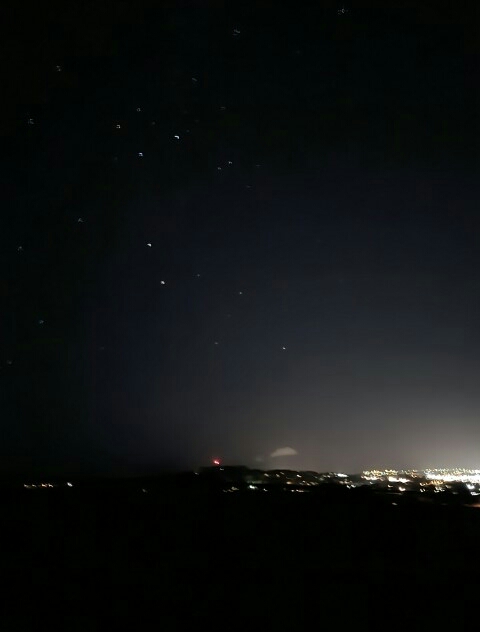
Look closely… a night-time view across Toowoomba, Queensland, and high above—that’s the Southern Cross star constellation which is imbedded in Australian and Pacific Island cultures.

Gretchen Bernet-Ward

Cat Circumnavigates World: True Story of Trim

Bedtime reading for kids and cats: Trim the courageous cat and his real seafaring adventures around the world.

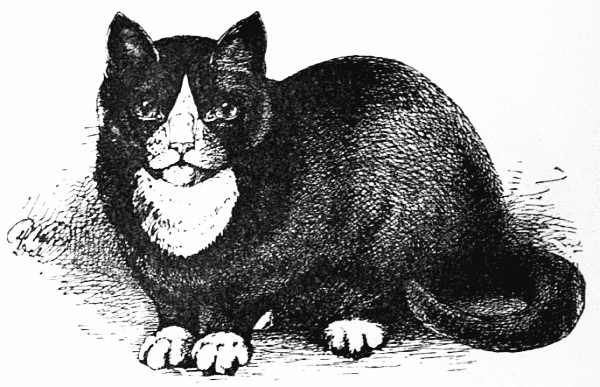
A small book containing a big story. Matthew Flinders, British navigator and cartographer, sailed to and from Australia between 1795 to 1803 for various reasons including mapping the entire coastline. On these precarious, dangerous and adventurous journeys, Flinders was accompanied by Trim, his black cat with white paws.

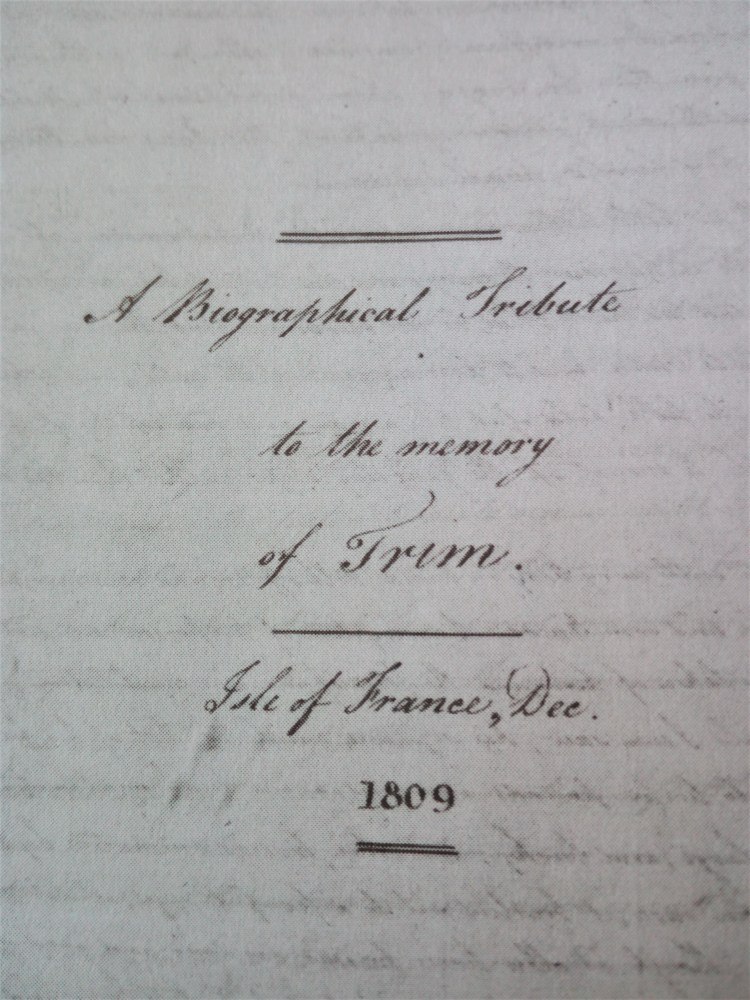
Page 12 : Hand-written front page of Matthew Flinders tribute to his seafaring cat Trim, written 1809 and published 2019.

Written in conjunction with Flinders biographical tribute, this book “Trim The Cartographer’s Cat” or “The Ship’s Cat Who Helped Flinders Map Australia” shows a new and fascinating insight into the man who was the world’s most accomplished navigator and cartographer.

Matthew Flinders RN was the first to circumnavigate Australia and also instrumental in giving our continent its name. Trim accompanied Flinders through good times and bad, including a shipwreck, and this small volume has exciting chapters on their 19th century nautical experiences.

Page 29 Flinders and Trim dined onboard in the gunroom, the junior officers mess. Actually, Trim helped himself to their dinner.

Trim was a seafaring daredevil, surviving fur-raising adventures. When he wasn’t climbing rigging or cadging food, he caught his own ocean-fresh flying fish suppers.

I like to think Trim’s name relates to a ship being “trim” as in desirable weight distribution for better handling at sea. Certainly he was a neat and ship-shape cat! However, you may find that Trim was named after a character in a 1759 novel by Laurence Sterne.

MAIN CONTENTS (but plenty more topics)

  • “A Biographical Tribute in the Memory of Trim” by Matthew Flinders.
  • “Matthew Flinders Trim’s Shipmate and Bedfellow” according to Dr Gillian Dooley PhD.
  • “My Seafurring Adventures with Matt Flinders” from Trim himself, assisted by Philippa Sandall.
  • Timeline: The Voyages of Matthew Flinders and Trim.

The book illustrations are wonderful, research is thorough, the format is highly readable. A great read for those who are interested in factual exploration history. I feel as if I got to know Flinders and his life skills. Of course, Trim’s rodent catch-and-clean-up service is another skill altogether! This book has given me more than I learned at school – and is suitable reading for a family or feline friend.

By all accounts, both Flinders and Trim were exceptional characters.

Pages 42-43 Illustrates the circumnavigation routes of HMS Investigator and HMS Porpoise

Not many ships cats have one memorial statue, let alone six. But Trim does, including one outside Euston Station in London.

Trim The Cartographer’s Cat

Without venturing into the politics of what happened to Matthew Flinders (or Trim, or indeed First Nations People) after he sailed from Terra Australis, I enjoyed reading this publication and will go so far as to say every library should own a copy.

Meow! 😸

Gretchen Bernet-Ward

Book: “Trim The Cartographer’s Cat”
Format: Hardback
Edition: 1st
Pages: 128
ISBN 9781472967220
Imprint: Adlard Coles
Illustrated: Beautiful maps, historical artwork, quirky original illustrations
Dimensions: 182 x 129 mm
Publisher: Bloomsbury Publishing
Booktopia Online

Anzac Day 2022

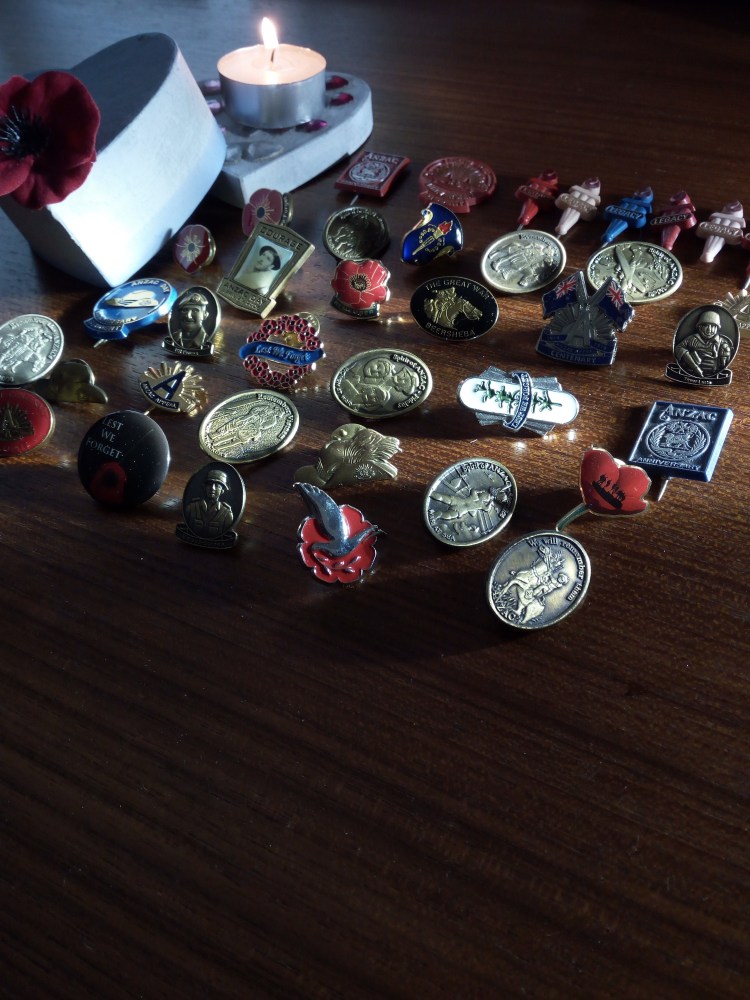
Anzac Day remembrance © Gretchen Bernet-Ward 2022

LEST WE FORGET

Anzac Day commemorations will take place on Monday 25 April 2022 across Australia, and at the Australian War Memorial’s Sculpture Garden, marking the 107th anniversary of the landings at Gallipoli.

This Anzac Day also marks the 80th anniversary of Anzac Day commemorations at the Memorial.

This year’s commemorative program will include: 

5.30 am     Dawn Service
9.30 am     RSL (ACT Branch) Veterans’ March
4.45 pm     Last Post Ceremony

Australian War Memorial, Canberra https://www.awm.gov.au/

Gretchen Bernet-Ward

Cotton Harlequin Bug

Image courtesy of Dot Bernet © September 2021

The whole plant was covered in these fast-moving jewel-like bugs! It was fascinating to see them sparkling in the sunlight in a suburban garden.

I am reading “Miss Benson’s Beetle” by Rachel Joyce, wherein Miss Benson and her assistant Enid search for a golden beetle in the wilds of New Caledonia, far removed from the comforts and safety of home, and this book has heightened my interest in insects.

The little Cotton Harlequin bugs (above) were enjoying lunch.

Scientific name: Tectocoris diophthalmus

Size: 2 centimetres

The Australian Cotton Harlequin Bug is a member of the Jewel Bug family named for their bright metallic colouration.

The males and females of the Cotton Harlequin Bug are different colours, with the females mostly orange and the males mostly blue-red.

The Cotton Harlequin Bug lives in urban, agricultural and coastal areas of eastern Australia. It eats sap from many species belonging to the hibiscus plant family (Malvaceae) including ornamental hibiscus species and cotton.

Gretchen Bernet-Ward

* * * *

A display of Australian beetles at the Cobb and Co Museum in Toowoomba, Queensland. Read about my visit https://thoughtsbecomewords.com/2019/06/30/toowoomba-mountain-air-and-heritage-preserved/

The Oldest Foods on Earth

The Oldest Foods On Earth cookbook photo © Gretchen Bernet-Ward 2021

‘The Oldest Foods on Earth’ introduction by author John Newton who asks ‘What do I mean by Australian native produce?’

Quote “Indigenous foods we have always eaten, e.g. oysters, crabs, rock crayfish and all the fish that swim around us… and varieties of duck and quail… but outside the familiar are an estimated 6,000 edible plants including 2,400 fruiting trees in south-east Queensland alone, and 2,000 truffles or subterranean mushrooms.  Of those, 6,000 non-Indigenous Australians currently use less than fifty.

“Why should you eat these foods?  Firstly, for their unique flavours, then for their nutrient values… they are among the richest on the planet in the nutrients we need for health.

“This book is a guide on how to source, select and cook with Australian native produce ingredients.” © John Newton 2019

Published by NewSouth Publishing Australia with recipes from chefs such as Peter Gilmore, Maggie Beer and René Redzepi’s sous chef Beau Clugston. ‘The Oldest Foods on Earth’ will convince you that this is one food revolution that really matters.

Gretchen Bernet-Ward

Indigenous painting ‘Possums and Tall Trees’ an Arabana ILF children’s book by Aunty Kathy Arbon 2018

DID YOU KNOW? Former teacher Suzy Wilson, the owner of Riverbend Books in Bulimba, Brisbane, got the ball rolling in 2004 when she launched the Riverbend Readers Challenge to raise money to boost literacy levels. The Challenge grew, and then teamed up with the Fred Hollows Foundation and the Australian Book Industry to become the Indigenous Literacy Project in 2007. In 2011 it was superseded by the Indigenous Literacy Foundation (ILF), a national not-for-profit charity focussed on improving literacy levels in very remote Aboriginal and Torres Strait Islander communities.

Source https://www.indigenousliteracyfoundation.org.au/

ANZAC Day 25 April 2021

ANZAC Day dawn service Brisbane 25 April 2021 to honour Australian and New Zealand personnel who served and died in all wars, conflicts and peacekeeping operations – a national day of remembrance © Gretchen Bernet-Ward 2021

LEST WE FORGET Gretchen Bernet-Ward

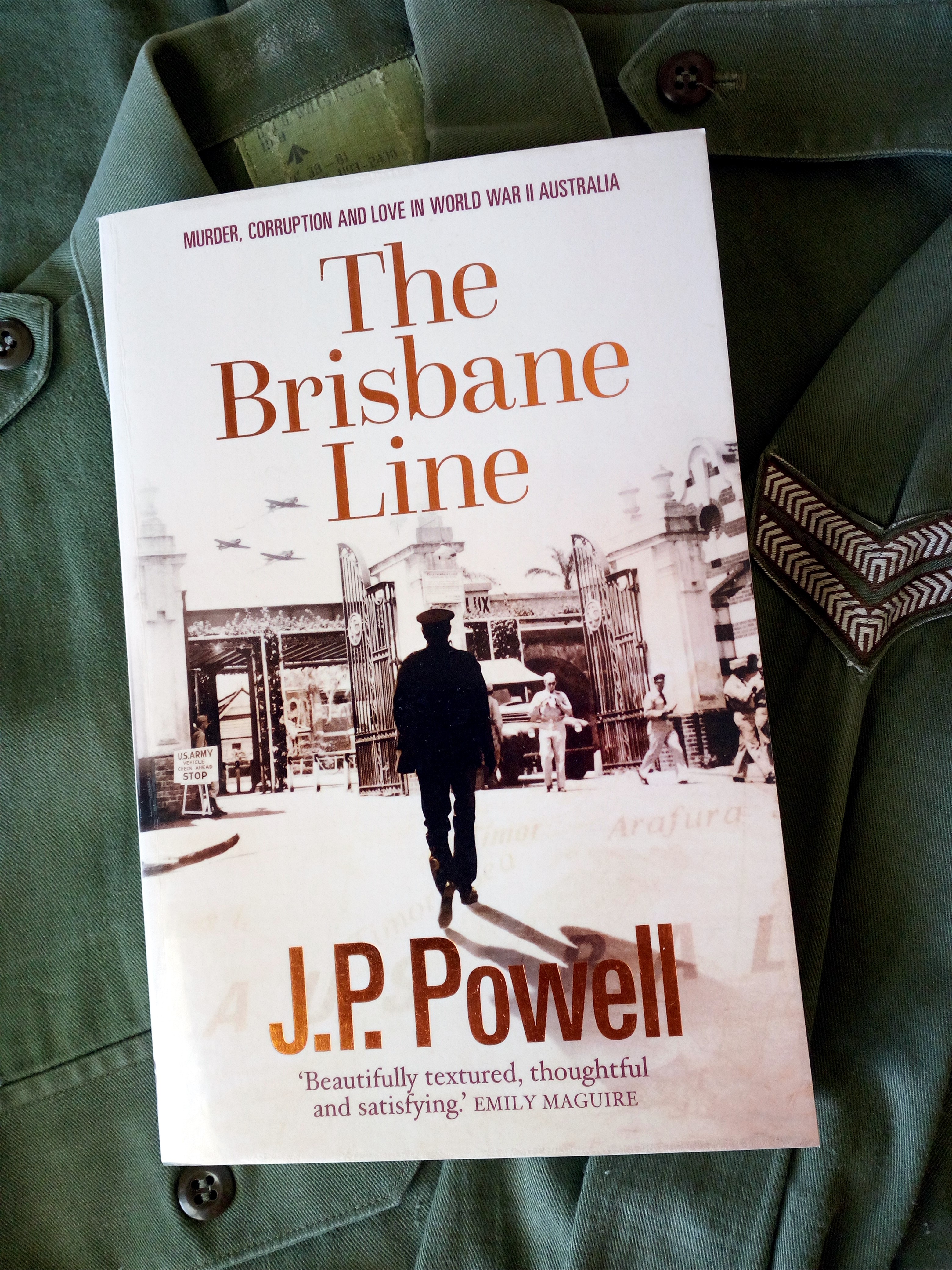
Review ‘The Brisbane Line’ by J P Powell

IMG_20200811_124224

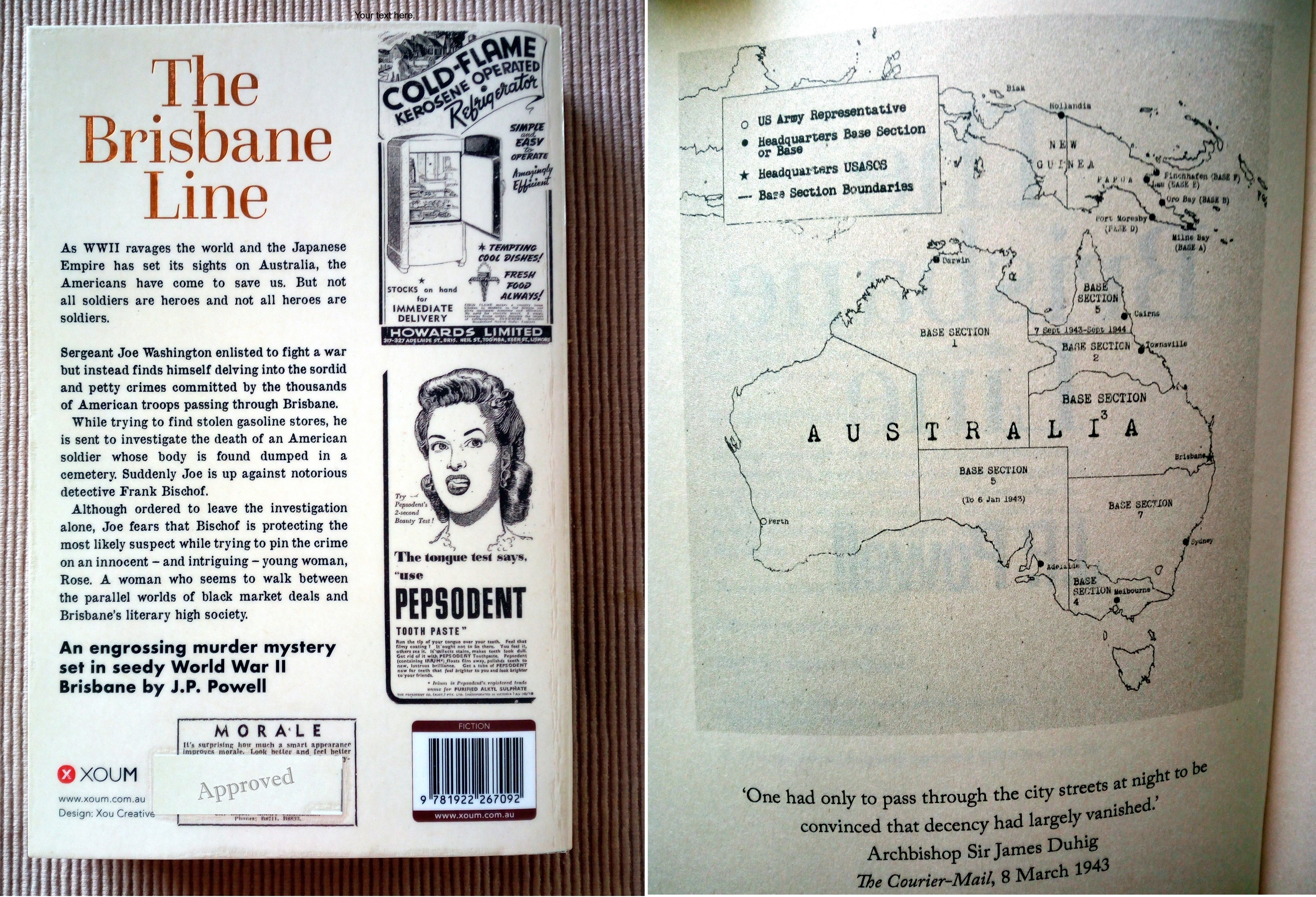
This is a book I had to read.  The name is derived from “an alleged 1942 WWII government plan to abandon Northern Australia in the event of a Japanese invasion”—there is nothing alleged about it.  My father was a young soldier in WWII based in Melbourne when his division received the command to form The Brisbane Line.  It made such an impression on him that later, when he was married, he relocated the family to Brisbane where I currently live.

I dearly wish I could discuss this novel with my late father but I do remember him reminiscing about the off-duty times and leave in tropical Far North Queensland where hi-jinks often lead to a soldier’s death.   I am sure there was tension, corruption and murder among the thousands of American troops stationed in Brisbane, but on the other hand I know families of young women who married GI Joe’s and went to live in US never to return.

Enigmatic protagonist, Rose, has a boyfriend who is a prisoner-of-war and she says “It’s men who cause the trouble in the first place.  It’s just another hypocrisy.”

IMG_20200820_122715

Suitable for crime readers and historians, this well-researched yet fictionalised novel is based on a real person and his original paperwork.  It is more interesting than a text book and follows Sergeant Joe Washington, a US Military Police officer and amateur photographer who joins local police in battling crime and black market corruption.  Joe also has grave suspicions of a murder cover-up.

The humid atmosphere is laced with grunge and irritability offset by guys and gals dancing the night away at the Trocadero Dance Hall.  Well-known landmarks and people make an appearance, for example notorious cop Frank Bischof, author Thea Astley and General Douglas MacArthur, an American who in WWII commanded the Southwest Pacific region. 

The book is gritty and at times the inequality upset my 21st century sensibilities but it is based on true events.  Powell has recreated a vibrant town which embraced a huge influx of cashed-up strangers in uniform and the repercussions this had on Brisbane society, some of which still lingers today.

In “The Art of War” Chinese military strategist Sun Tzu wrote “All warfare is based on deception” and “The greatest victory is that which requires no battle” so I think Judy Powell’s book shows there was no battle—but plenty of deception closer to home.  

Gretchen Bernet-Ward


Author Profile

Briobooks
http://briobooks.com.au/authors/jppowell
YouTube Avid Reader Books interview
https://www.youtube.com/watch?v=SbE0v3Yhkx0

Brisbane Line JP Powell Author Photo 2020 (5)Judy Powell is an archaeologist and historian with a passion for bringing the past to life.  She has worked as a high school teacher, an academic, a National Parks officer, a museum administrator and has excavated in Jordan, Cyprus and Greece as well as leading historical archaeology projects in Australia.  Powell, who lives outside Brisbane, was awarded a QANZAC Fellowship by the State Library of Queensland to pursue research into, and writing of, a series of crime novels set in Brisbane during World War II.