Interested in hosting a Welsh blog post, holding the Reading Wales dragon standard high? Consider compiling, coordinating and hosting an annual event started on WordPress by Book Jotter aka Paula Bardell Hedley. Then read ‘Time to Say Hwyl’…
Oh, Paula, such a bitter-sweet blog post but so very understandable! Life is full of changes and challenges and new things. Your Dewithon will live on in the hearts and minds of all who participated each year and the personal touch you gave to the literature of wonderful Wales.
This month you can read and review any Welsh authors you like for Dewithon! As you can see from my grandmother’s faded favourite teatowel there has been a bit of Welsh influence in our family. Some of these songs have made me very emotional over the years. And many readers will remember singing favourites in their school choir.
I have been recommended Gareth Williams book ‘Valleys of Song: Music and Society in Wales, 1840-1914′ from University of Wales Press. Quote ‘This enthralling social history focuses on such groups as the fighting choirs of Dowlais and Merthyr that raised armies of supporters, electrified massive crowds and aroused fierce passions.’
But I digress, I have participated in past Dewithons and enjoyed reading Welsh authors I had not previously known thanks to Paula Bardell-Headley aka Book Jotter.
This year 2024 I am reading a crime novel ‘The Silent Quarry’ in an eight book series featuring DI Winter Meadows written by Cardiff-born Welsh crime and mystery author Cheryl Rees-Price. 1.THE SILENT QUARRY 2.FROZEN MINDS 3.SUFFER THE CHILDREN 4.A KNOT OF SPARROWS 5.LIES OF MINE 6.RISE TO THE FLY 7.WINTER’S CRY 8.HARBOUR NO SECRETS (standalone ‘BLUE HOLLOW’)
“I do a lot of walking and, fortunately, living in Wales provides plenty of stunning places to inspire my imagination and feed the world of Winter Meadows.” Goodreads quote from Cheryl Rees-Price
Rather than me expounding how wonderful Welsh authors are, and the books I have previously read, I will give you some links (below) to Paula’s website which is jammed-packed with information and insights. Paula is the nicest, most organised and prodigious book-blogger that I have had the pleasure to read.
Remember those hashtags #dewithon24 and #readingwales24. Reading Welsh authors has broadened my reading awareness, as the saying goes ‘Try it, you’ll like it!’
Welsh author Charlotte Williams created a gripping, atmospheric crime novel of high emotion and psychological fear. Written in 2014 ‘Black Valley’ is the second book in the Dr Jessica Mayhew series, a literary symphony of tension, dark imaginings and worst possible scenarios.
A phobia I have was triggered and at times I almost stopped reading. However, I was Reading For Wales and I felt I owed it to the author and the character, psychotherapist Jessica Mayhew, to see it through to the bitter end.
Jess consults with a new patient Elinor Powell, an artist who seems fragile but in fact is quite annoyed at her twin sister Isobel, angry at her famous mother’s sudden and suspicious death, and quite demanding of Jess’s time.
Soon after the consultation, Jess’s best friend, straight-talking Mari, gives her an invitation to attend a private art viewing at the Cardiff art museum. Unwittingly Jess meets Elinor and her circle of friends from the Welsh arts scene. Particular focus is on the emergence of reclusive ex-miner Welsh Valley’s artist Hefin Morris who is touted by art dealer Blake Thomas and handsome art critic Professor Jacob Dresler as ‘the most exciting painter working in Britain today.‘ Jess queries their promotional hype.
The Hefin Morris artwork has strong depictions of the aftermath of destruction at the closure of the mines. A recurring theme echoes through the book ‘The crumbling of the infrastructure, the moral and spiritual vacuum created in the wake of that implosion, a landscape that bore silent witness to the ravages of coalmining – the heritage of the Rhondda. The abandoned landscape becomes a character in its own right’.
Jess is a newly separated single parent struggling with her estranged husband, and two daughters who live with her, but nevertheless she hits it off with Jacob Dresler. They hook up and become a couple, going out together and then away for the weekend to Twr Tal, Tall Tower, in the valley of Cwm Du, Black Valley. Atmosphere plus! But that’s when events go badly wrong and there is a death. Who is responsible for the tragedy? Jess has niggling fears that her new friends are not who they seem.
Against her better judgement, one thing quickly leads to another and Jess becomes a therapist-turned-detective. She calls DS Lauren Bonetti for guidance as she is slowly drawn into Elinor’s twin-dynamic world of manipulation. Circumstances spiral out of control while tension escalates and Jess is put in a very dangerous situation.
I was still not sure who was good and who was bad and what would be revealed as the story advanced to the final chapters. There is a section where the action is a bit contrived and I wondered if Jess would do such a silly thing considering her work ethics, but events quickly moved forward.
The ending appears inconclusive—but wait, there’s more. And it is certainly chilling how closure is drawn contrary to reader expectation. ‘Black Valley’ would suite a crime club or reading group interested in discussing trust and relationship issues.
I was saddened to read that author Charlotte Williams died of cancer prior to this book being published. It is a tribute to her writing talent. In my opinion, it sets the marker high for good quality crime novels and exposes the shallow scripting currently prevalent.
GBW22
Interestingly a second ‘Black Valley’ edition has the same bookcover as my copy and publishers Pan Macmillan have the date 2018 with Jessica Mayhew’s client as Pandora Powell not Elinor.
Throughout my copy of the book, Jacob Dresler is just called Dresler but there is a chapter inconsistency where he is only referred to as Jacob. Perhaps the book has been re-edited and re-released. Whatever: I thoroughly enjoyed this gripping narrative!
♥ Gretchen Bernet-Ward
My thanks to Book Jotter, Paula Bardell-Hedley, for instigating #Dewithon22. This is the fourth year I have participated and each time I have read eye-opening, unforgettable books set in Wales. Actually I have a couple more to read before the end of the month. Will I make it?
FYI:The House on the Cliff is the first book in the proposed Jessica Mayhew series if you are considering reading either for #Dewithon22.
This will be my fourth Reading Wales #dewithon and I am excited at the list of Welsh authors and poets which Book Jotter has assembled to tempt our reading taste buds.
Source one book, source ten! Create your own list! See my list! Join in Reading Wales!
Currently I have six books on a waiting list at my local library because it will be easier to collect them rather than hanging around waiting for an interstate or overseas parcel delivery.
I hold Covid-19 responsible and also a catastrophic flood which swept down the Queensland coast, through my city of Brisbane (everything is still soaked) and pounded coastal New South Wales before heading towards Sydney. Notice how I worked in the word ‘Wales’?
A MESSAGE FROM THE CREATOR BOOK JOTTER, PAULA BARDELL-HEDLEY
Welcome to the fourth Reading Wales celebration (aka Dewithon 22), a month-long event beginning on Saint David’s Day, during which book lovers from all parts of the world are encouraged to read, discuss and review literature by and about writers from Wales.
For more in-depth information on this reading jolly, head over toDHQ (Dewithon Headquarters), and to see what’s happening this year, please follow this link. You can also share your thoughts and posts on Twitter by using the hashtags #dewithon22 and/or #walesreadathon22.
____________________
visit DHQ Reading Wales Dewithon22 websites below.
click‘On Our Shelves’ to browse Dewithoner’s suggested reading list.
source books relating to Wales from library, bookshop, online.
Here Be Dragons by Sharon Kay Penman (because my family are dragon fans and it’s part of Welsh Princes trilogy I have always wanted to read). DOWNLOADED e-book.READ
Black Valley (Jessica Mayhew book 2, couldn’t source book 1) by Charlotte Williams, a domestic drama arts thriller of some intensity. AVAILABLE in my local library.READ
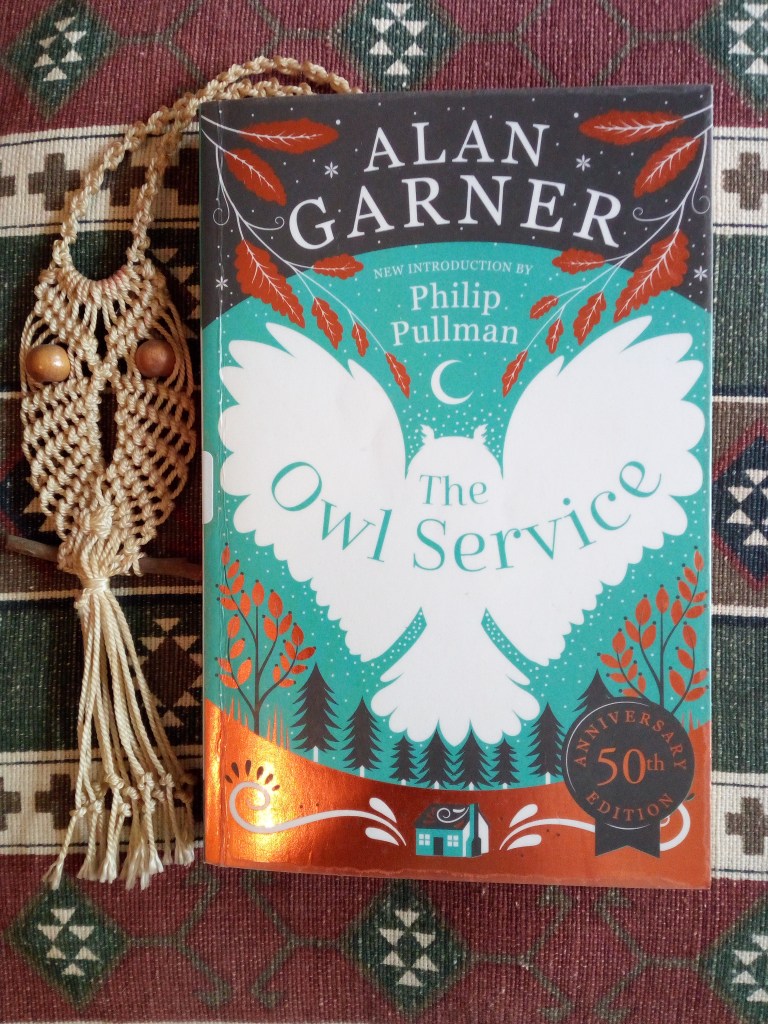
The Owl Service by Alan Garner was too tempting, so I’ve added it to my list. The Guardian says “…the plot is very gripping and slightly creepy.” AVAILABLE in my local library.READ
Sugar and Slate by Charlotte Williams – past winner of the Arts Council of Wales Book of the Year, an autobiographical story of a Welsh-African mixed-race woman who brings her unique qualities to the story, transforming it into a lively and living account of her life. ON ORDER.
I’m keen to get started 😀 and already made some headway!
My thoughts are that I will eventually read them all—perhaps not all in March—and I am looking forward to having my mind held captive by the literati of Wales. When I put down the books and walk Terra Australis again, my reviews will be either here or Goodreads.
Looking forward to reading about what you are reading!
THREE THINGS started back in June 2018, an idea from Paula Bardell-Hedley of Book Jotter under the headings READING LOOKING THINKING and it seems I am the only participant left standing.
Thus I have decided that I will write an even dozen—non metric 12—and call it quits. Not because I don’t like the idea, it’s just that now I tend to write posts without the need for an overflow outlet. I try to keep my patter short (cough) and practice slick (cough, cough) editing which mostly works. GBW.
READING
OFF THE BEATEN TRACK: THREE CENTURIES OF WOMEN TRAVELLERS
Author: Dea Birkett with foreword by Jan Morris Published: 2004 Publisher: Hardie Grant Books Australia Pages: 144 Includes: 120 Illustrations, Bibliography, Index ISBN: 1740662180
This book astounds in more ways than one. An enduring record of women in past centuries who did not stay home cooking and cleaning. From exotic, lesser known locations and fascinating old photos, to women around the world who had the courage to explore and travel alone. As Jan Morris said in the Forward “What they all had in common was their gender and their guts”. It offers the young millennials something to think about—survival without the internet.
“Writing was one of the few careers that had long provided women with professional status, more so perhaps than other forms of artistic expression”.
Off The Beaten Track: Three Centuries of Women Travellers
My particular favourite is on pages 94-95. It starts with a quote “The pictures of the pen shall outlast those of the pencil, and even worlds themselves” Ephra Behn, prologue to “The Luckey Chance” (1687).
Below, left, is a vintage bromide print (1902) taken by an unknown photographer which shows traveller Ina Sheldon-Williams dressed in white frills, painting two tribesmen with a horse and foal, in rather genteel surroundings. Unlike fish collector Mary Kingsley (1862-1900) who suffered overturning canoes, leeches and crocodiles in West Africa, and her thick skirts saved her when she fell into a pit of pointed spikes.
The photo on the right follows the biography of Ethel Mannin (1900-1984) an English woman who lived the stuff of literary dreams. Ethel was 23 years-old, had abandoned an early marriage and with one suitcase, a portable typewriter, a child of three and six words of French she went to the south of France in search of the violet fields, olive groves, vineyards and orange trees. Later, her writing enabled her to purchase a home in fashionable Wimbledon.
Ethel’s prodigious writing and her travelling were intertwined and she wrote fiction and non-fiction providing the reason for her travels. Ethel described herself as “An emancipated, rebellious, and Angry Young Woman”. I just love her 1930 B&W National Gallery portrait—a strong look, perhaps later copied by young Wednesday in “The Addams Family”. GBW.
Unlike cultivated New Farm Park, I have been looking out my window with a certain amount of glumness and a large dose of embarrassment, at the backyard garden (read overgrown jungle) which has proliferated after recent steady rain. Autumnal April, an odd time for such rainfall. It fell in south-east Queensland but not enough in the water supply dam catchment areas.
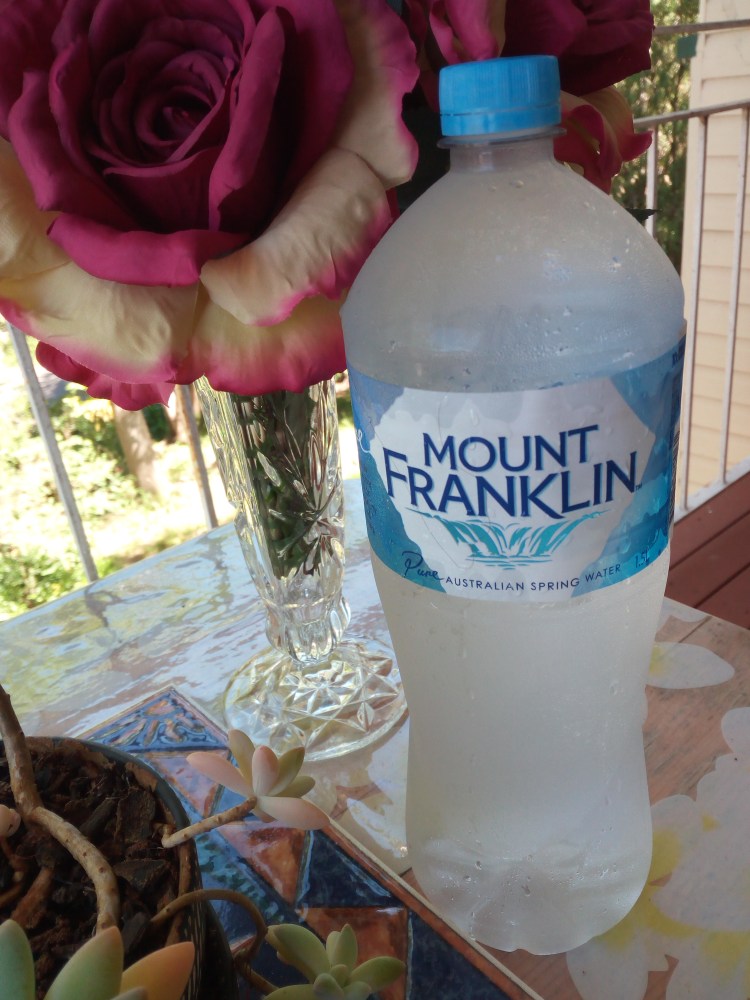
Even in the 21st century we are dependent on water falling from the sky.
There was a campaign for recycled water during our big Millennium Drought but it never caught on.
I believe Las Vegas, Nevada, has used recycled (reclaimed) water for many years. It’s a mental thing, isn’t it? People are dubious of water others have already drunk and worse…
Getting back to riotous grass, the lawnmower men and gardeners are booked solid so unless I can find an old man with a hay scythe, I will avoid looking out the windows for another week or two. GBW.
THINKING
Fasten seatbelts, get ready for my stream-of-consciousness…
I have been thinking about the legacies we leave behind. Good, bad or unintentional. Of course, there are hundreds of ways a person leaves a legacy; flamboyantly, quietly, cruelly, some not necessarily acknowledged, but they will be there just the same. From the tangible to the ephemeral, the loved to the hated, a universal legacy or a small one-on-one, we leave our mark. Be aware of this legacy, this part of you which I believe you will indelibly leave behind in some form. Use it wisely so those who receive it, directly or otherwise, will know where it came from and decide if it is worthy of keeping, if it will become part of them—although some legacies are hard to shake. Many people are no-fuss, low-key individuals and that’s fine, however, they may not know it but they will intrinsically leave a legacy. A legacy is more than an amount of money or property left to someone in a Will. I believe it can be found in a good book or website (thanks Paula) but rarely in texting or social media. A legacy transcends time. Think about it. I bet you can recall a parent, sibling, teacher, partner, child, best friend or workmate saying or doing something you have not forgotten. Basically it’s the essence of that person you experience and instinctively preserve. A legacy can be as big as a skyscraper or a single gentle word, both of equal value, and both can leave a remembrance. If it is bad, destructive or no value, it should be dismissed and a life lesson learned from it. In turn you can pass on a better legacy so others will benefit. That’s what a legacy is! Sometimes you don’t know until years later (sometimes never) that your legacy of word or deed was appreciated. And it doesn’t matter if you hold a very special legacy close because you will inexorably create your own for someone else. Make it good. GBW.
This year there is no set book for Wales Readathon 2021 so I have chosen subjects of Welsh origin which appeal to me, but it seems I have borrowed books with quite substantial content and I may not comfortably finish reading all of them within the month of March.
BOOK ONE within the ‘Penguin Book of Welsh Short Stories’ edited by Alun Richards there are twenty-four famous Welsh authors.
BOOK TWO singer Tom Jones ‘Over the Top and Back: The Autobiography’ is quite a hefty volume and packed full of action.
BOOK THREE‘The Gardens of Wales’ compiled by garden design historian Helena Attlee, photography by Alex Ramsay, is splendidly presented in true coffee-table style with absorbing information.
You can see I love a good dose of contextual facts and photographs.
Reviews below—on with the show
PENGUIN BOOK OF WELSH SHORT STORIES Edited: Alun Richards First published: 1976 Second edition: August 2011 ISBN: 9780241955468 Number of Pages: 348 Publisher: Penguin Books Ltd
There are twenty-four short stories in this slim volume ‘The Penguin Book of Welsh Short Stories’ edited by Alun Richards (some have been translated from the original Welsh) and I am going to list every one even though I am only half way through—
THE FASHION PLATE – Rhys Davies THE GOLDEN PONY – Glyn Jones ACTING CAPTAIN – Alun Lewis SATURDAY NIGHT – Geraint Goodwin THE LOSS – Kate Roberts THE BRUTE CREATION – Gwyn Jones EXTRAORDINARY LITTLE COUGH – Dylan Thomas A SUCCESSFUL YEAR – D. J. Williams THE TEACHER – Gwyn Thomas THE STRANGE APEMAN – E. Tegla Davies BE THIS HER MEMORIAL – Caradoc Evans THE RETURN – Brenda Chamberlain TWENTY TONS OF COAL – B. L. Coombes THE SQUIRE OF HAVILAH – T. Hughes Jones AN OVERDOSE OF SUN – Eigra Lewis Roberts THE HOUSE IN BUILTH CRESCENT – Moira Dearnley BLIND DATE – Jane Edwards MORFYDD’S CELEBRATION – Harri Pritchard Jones A WRITER CAME TO OUR PLACE – John Morgan A ROMAN SPRING – Leslie Norris BEFORE FOREVER AFTER – Ron Berry HON. SEC. (R.F.C.) – Alun Richards BLACK BARREN – Islwyn Ffowc Elis MEL’S SECRET LOVE – Emyr Humphreys
Backcover information reads ‘In twenty-four short stories, written by Welsh men and women, for the most part about Welsh people, we are treated to depictions of valley and mountain, country and town, as well as offered powerful and moving insights into the nature of the people.’
MY REVIEW: The calibre and wisdom of these fiction short stories blows me away, the people of Wales and the understated passion they have for their country shines through in emotive yet precisely documented stories of their era. I was drawn into their despair and great joy of everyday life, studied and examined but never artificial. So far the story which touched me the most is ‘The Squire of Havilah’ by T. Hughes Jones. Behind the tale, behind the words is a great depth of understanding about a man most of us would have met or seen once and dismissed from our mind. Daniel Jones, a 40-year-old bachelor of Rhos-y-grug, is a misjudged man who, in himself, is hopeful of a wealthy future. After being deceived and flimflammed at a fair into paying for the deeds to twenty acres of rich mineral land in Havilah, supposedly in Mesopotamia (Iraq), Jones dreams the life of a prosperous man as his farmhouse crumbles and his land turns wild around him. Religion plays a part and Jones cannot visit his tenure because the First World War is raging. There are other pertinent parts to the story and lessons lurk; perhaps distrust of fairground buskers. But everyone has something going on deep in the recesses of their mind. If you cannot help, at least acknowledge their hopes and dreams. ♥ GBW.
OVER THE TOP AND BACK: THE AUTOBIOGRAPHY Author: Tom Jones Publisher: Penguin Australia 2015 ISBN: 9780718180690 Imprint: Michael Joseph Format: Paperback Pages: 521 includes photographs
MYREVIEW: I will be upfront and say that so far I have not read all the chapters in the life of the inimitable Welsh singer Tom Jones. But ‘Over the Top and Back’ has me hooked. I love reading about the lives of famous 20th century celebrities from when they came into the world until their later years. Especially with lots and lots of old photographs like this one. The ‘aah’ nostalgia moment happens and I remember his songs and where I was, or how old I was, when I saw him on B&W television or tuned the radio and heard his current hit. Or bought ‘the single’ a small vinyl record. I discovered that Tom Jones adopted the name Tommy Scott for a short time but his real name is Thomas John Woodward. In his early life, aged twelve, he contracted TB infection, not unusual in industrial Wales during that era. He recovered after two years and wanted to be either a professional singer or a slate-faced cowboy. He writes ‘From the kitchen of 44 Laura Street in Pontypridd in the forties, the odds of becoming one appear to be about as long as the odds on becoming the other’. But as we know he did succeed—and what a ride—I lost track of the many famous people he met and worked with. Before knickers were tossed on stage, his raucous stage presence shone too brightly for the strict censorship laws of the time. A censor once told him to tone himself down during the rendition of Rolling Stones song ‘Satisfaction’ because it implied sexual satisfaction. ‘Well, isn’t it?’ said Tom. Can’t wait to read what happens when he tours America. ♥ GBW.
THE GARDENS OF WALES Author: Helena Attlee Format: Hardback | 128 pages | Colour photos Dimensions: 250 x 267 x 17.78mm | 910g Publication: 2009 ISBN: 9780711228825 Publisher: Frances Lincoln Ltd
MYREVIEW: I have a library copy of ‘The Gardens of Wales’—like Tom Jones autobiography, it is well thumbed—and the picturesque gardens are simply stunning. There are fine examples of unusual topiary but it’s the flights of fancy created by dedicated visionaries which I find jaw-dropping; whole gardens and parkland over untold acres with water features, profuse flowers, statues, fine lawns, hidden paths, grottoes, ancient trees, and the hard work and dedication by gardening staff. All set against a backdrop of magnificent heritage listed Welsh homes, er, mansions, maybe castles. Anyway, they are very grand and I hope I get to return to UK one day and visit them. For example Wyndcliffe Court, Monmouthshire ‘Warm stone terraces, bulging topiary and a good splash of colour (plus trickling fountain and bowling green) the garden of Wyndcliffe Court bears all the hallmarks of designer H. Avray Tipping’ an artisté who loved the contrast between cultivation and natural landscape. I admire the classical architecture of the follies, or summerhouses, often a miniature version of a stately home, fashioned for a couple to sit and partake of their view. This book has become a bit of a rarity, however, Helena Attlee has made a career of studying and writing about spectacular gardens in many countries around the world. Both she and photographer Alex Ramsay live in Wales. Alex Ramsay’s image of the layered Orangery Terrace, Aviary Terrace and Top Terrace at Powis Castle, Montgomeryshire, is a sight to behold. ♥ GBW.
In March 2020 last year, for the shared Wales Readathon, I ordered ‘One Moonlit Night’ by Caradog Prichard which unfortunately arrived late so I posted my review in April. It is a fascinating almost-autobiographical novel and well worth reading. But history is trying to repeat itself and the 2021 deadline is looming fast.
I will finish these books, meanwhile a halved review is better than no review, right.
To view stunning photographs of breathtaking scenery and villages around Wales which inspired Welsh authors, poets and artists to create their world-famous works, I can highly recommend Visit Wales “The word trail: 8 journeys through Welsh literary landscapes” website—
Creatives, some well-known, some not so, feature on the list including my favourite Dylan Thomas, who spent his final years in Laugharne, where he lived in a boathouse down on the estuary.
Read about contemporary poet Gillian Clarke (I have already downloaded her “Collected Poems”) and Medieval European poet Dafydd ap Gwilym (14th century) who was born into a noble family in the parish of Llanbadarn.
There’s even a giant peach commemorating Roald Dahl’s eponymous children’s story.
Kate Roberts, hailed as “Brenhines ein Llên” (Queen of Our Literature) chronicled the lives of slate workers. The South Wales coalfields attracted thousands of migrant workers, but the North Wales slate mines were almost exclusively worked by Welsh-speaking local men, which had a major influence on cultural life. Yet it was a woman – Kate Roberts (Caernarfonshire 1891-1985) – who was the greatest chronicler of the lives of men, women and children in the slate-producing north.
It’s March and that means Wales Readathon time! Book Jotter has launched this exciting yearly event with an eye-opening post featuring a Royal Welsh Fusiliers regimental mascot, a Great Orme goat named Fusilier Shenkin IV. You can read his life story and details on #dewithon21 in the following post… oh, and perhaps join us as we Read Wales…
Dewithon is an opportunity for book bloggers around the world to discover Welsh writers and their works (fiction, non-fiction, poetry, plays, in fact anything written in English or Welsh with links to the nation of Wales).
We will begin our 31 days of celebration on Monday 1st March 2021 (St. David’s Day), with an official page appearing thereafter to display all your Dewithon-related posts. There are plenty of useful links and reading suggestions at DHQ (Dewithon Headquarters) and in our Wales Readathon Library, but please do not hesitate to ask for help if you are struggling to get started. You are free to read and write on any literary subject relating to Wales, so please dechrau darllen (start reading)!
Dewithon With a Difference
It became apparent quite recently that some members of our global book blogging community were having difficulties obtaining certain UK…
It has been awhile since I compiled a Three Things post. Traditionally, it should be different things, Reading Looking Thinking, but sometimes I don’t quite stick to that plan. The original post was started by Paula Bardell-Hedley of Book Jotter. She has the best literary links in the blogging biz.
Let’s open with READING
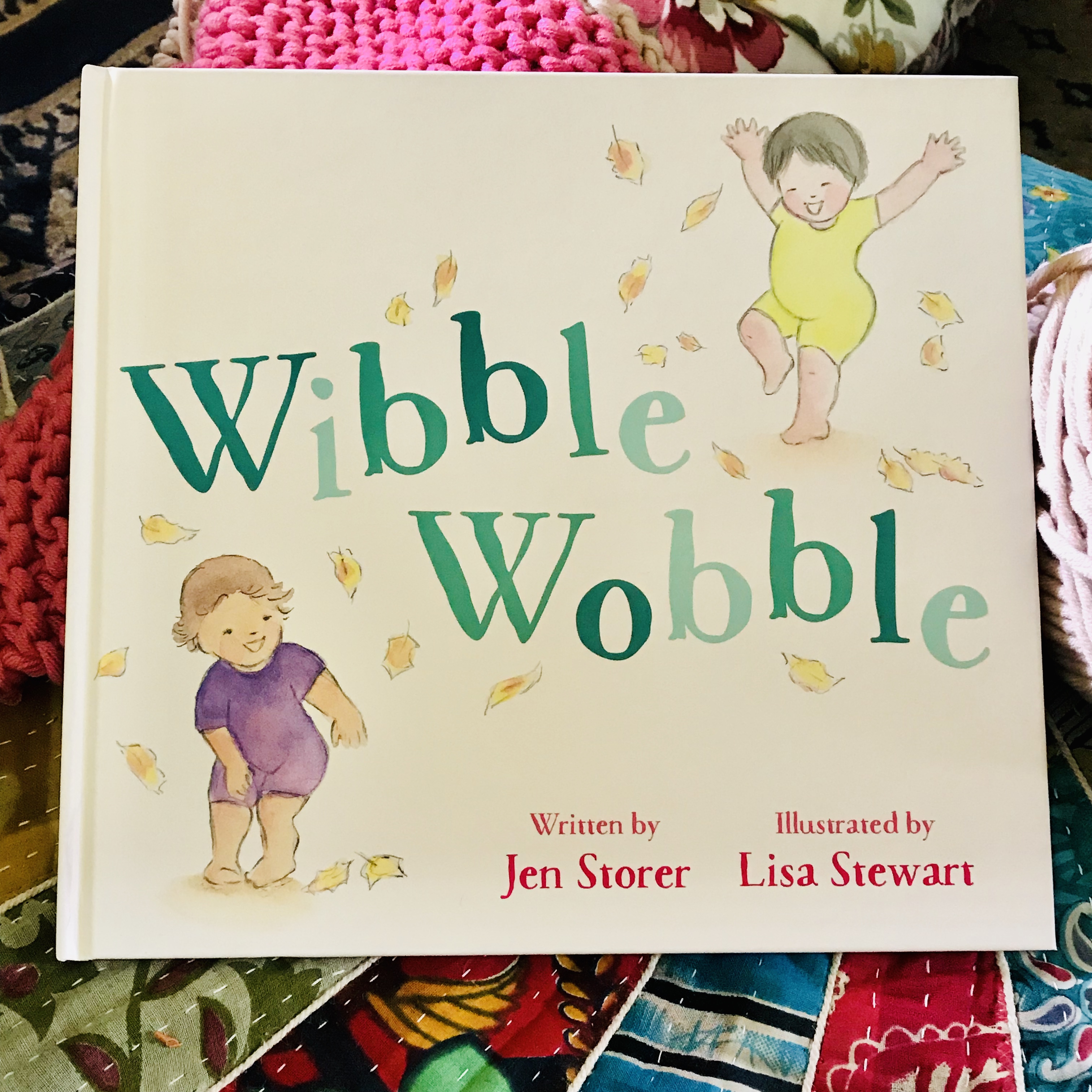
Tensy Farlow And The Home For Mislaid Children by Jen Storer
Published: 3 August 2009
ISBN: 9781742286495
Imprint: Penguin eBooks
Format: EBook
Pages: 348
MY REVIEW
A scary story for ages nine and upwards but personally I would not have read it at nine years of age. Or if I did, I would have had my fingers ready to peek through. But seeing as I was an adult when this story was written, it’s all a bit hypothetical really.
Abandoned in the River Charon as a baby, Tensy Farlow is found and raised by dear Albie Gribble until circumstances contrive to send her to a gothic children’s home which is anything but homely. Tensy is a strong yet unusual protagonista with flame red hair. She makes friends with the other foundlings and workhouse orphans, but as if Watchers-in-the-night aren’t bad enough there is a swampy creature with an evil agenda—and Tensy’s name is top of the list.
The characters are both funny and horrible, like despicable Matron Pluckrose, her assistant Mrs Beadle, foul Cook and very creepy buildings including a haunted chapel loosely based on Abbotsford Convent in Melbourne where Jen Storer had occupied a writing space.
Amidst the mayhem and dire food, there are nice people like GAs (guardian angels—although Tensy doesn’t have one) young Howard, Olive, good guys Guy and Magnus and… well, I think there were some other nice people. When I wasn’t reading through my fingers (ahem) I steadily progressed to the climactic ending. I did question the tenuous tying up of loose ends but over all it was a transcendental finale. One for the Roald Dahl and Lemony Snicket readers but with unique quirks and atmospheric twist-backs all its own.
AUTHORJen StorerofGirl & Duckis an award-winning author of numerous books. She is a writing motivator, creative inspirationalist, founder ofScribbles, the international children's writers creative group for authors, poets, illustrators and all things kidlit. Jen has worked both sides of the publishing industry and knows trillions of wise and wonderful things to encourage and guide emerging writers.
I joined many others on Zoom as Angela Goddard, Director of Griffith University Art Museum, took us on a 3-part virtual short course to discover a unique perspective on Australian art.
Using artworks on display in QAGOMA’s Australian Art Collection, this introductory short course explored aspects of Australian art history, from ancient Indigenous traditions through to the present day. Each virtual session featured a focus lecture, followed by a Q&A with a contemporary artist.
SESSION 1: COUNTRY, LANDSCAPE AND MEMORY SESSION 2: NETWORKS OF MODERNITY SESSION 3: PATHS TO THE CONTEMPORARY
I could ask questions and discuss ideas with other attendees and panelists via the Zoom chat window. It was fascinating to see how our art evolved from the European painters to a strong Australian identity and then recognition of the original Indigenous artists.
After coming to grips with the Covid-19 pandemic, my city of Brisbane is learning how to get back into social activities and community events in a new socially acceptable way.
Apart from learning how to properly wash our hands and wear a face mask like the rest of the world, we are now embracing outdoor activities more than ever before. In the cool calmness of morning, I do yoga in the park and share my mat with insects and fallen blossom.
I took this photograph (below) of the back page of November 2020 “What’s On” brochure which showcases some of the mostly-free Brisbane City Council activities on offer, from pottery and pilates to Shakespeare, cyclists and circus handstands.
Hmm, I am thinking of attending the evening performance of "A Midsummer Night's Dream" in Roma Street Parklands, 14-15 November from 4pm. Although the park is adjacent to the central business district and fine dining, I think a picnic would be nice. The event states "live music and swordplay". Nothing like munching on a sandwich while watching dueling swordsmen spouting Shakespeare.
♥Gretchen Bernet-Ward
Brisbane City Council November 2020 “What’s On” Event Guide
Rhys Kentishimage is similar to Black Lake mentioned throughout the book. In the final chapter “It’s strange that they call it the Black Lake cos I can see the sky in it. Blue Lake would be a better name…”
A young narrator recounts the village life of Bethesda in Wales where he is growing up with his ailing Mam, best friends Huw and Moi, and an assortment of idiosyncratic people. Set during the first World War and translated from the original Welsh, I found this classic novel hypnotic, one happenstance rolling into the next with lyrical prose and stunning imagery.
ACKNOWLEDGEMENT
A calm Llyn Idwal, Snowdonia, North Wales, UK Photo (above) byRhys KentishonUnsplash
The boy’s awareness of adult behaviour is both naïve and heart-wrenching, as well as unsettling for a reader like me. He has several graphic encounters, from death to mental illness, told without prejudice or judgement, and his stream-of-consciousness narrative remains strong. One thing the boy is absolutely certain of—he will not work in the slate quarry.
Turn of the century Bethesda, Wales, UK
Modern day Bethesda, Wales, UK
Looking back as an adult, I recall feeling distanced from what was really going on. This boy is in the thick of things and Prichard captures his thoughts so beautifully for adult readers. Some chapters brought tears to my eyes. In chapter 4, my favourite paragraphs are when the boy awakens after a picnic. He feels the desolation of being left behind and desperately tries to find his way home. I remember that type of heart-thumping experience!
A great description‘It was raining stair rods in the morning and I was sitting in school with wet feet cos my shoes leaked’ and in search of dry socks, he discovers a dead body. The quest to find out what happened is revealed in chatter between the boy and Huw. Further into the book, disaster strikes with three significantly life-changing farewells.
Often a bad experience is offset by a good one; a kind gesture (usually a slice of bread) parish humour, the choir, a football match, and rollicking outdoor adventures with school friends which paint a beautiful picture of his part of Wales.
It’s never defined but I think author Caradog Prichard is reliving his early life, factual elements blending with history and mystery. These days it would probably be described drily as ‘social commentary’.
Modern writers would do well to study this slim volume. Roaming in the grown-up world of teachers, priests, policemen and illness, the boy is observant but has no power of his own and that simplicity transcends time and place. He is the epitome of first-person POV, surrounded by subtext which packs a thoughtfully aimed punch.
From a man who knew what he was writing about, ‘One Moonlit Night’ (‘Un Nos Ola Leuad’) is a fine example of storytelling.
♥Gretchen Bernet-Ward
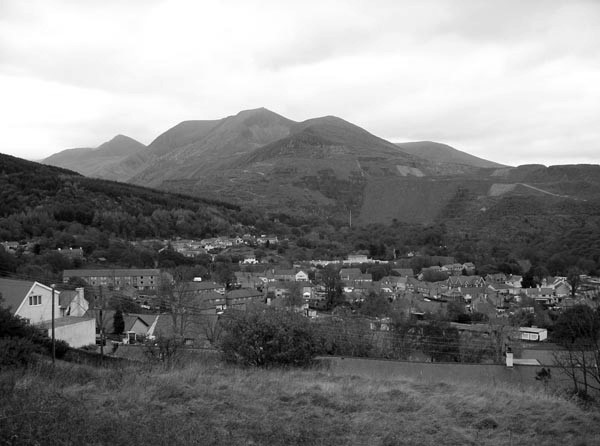
The village of Bethesda, North Wales, UK
I participated in Wales Readathon and#dewithon20 group reading of this novel.
My thanks to Paula Bardell-Hedley for her super efforts in creating this event 1st to 31st March 2020. https://bookjotter.com/2020/03/01/wales-readathon-2020/
AUTHOR PROFILE
PRICHARD, CARADOG (1904-1980) journalist, novelist and poet from Wales UK.
I can recommend the author biography by Menna Baines on National Library of Wales website. Apart from a detailed look at Prichard, it contains photos of the author at home with his dog.
Menna Baines documented his life’s work, and at one point says ‘He published a collection of short stories, Y Genod yn ein Bywyd (‘The Girls in Our Life’ 1964); being heavily autobiographical, they cast some interesting light on his life…”












 AUTHOR


 I participated in
 Thoughts Become Words