The building in my photograph, with the two people either cleaning or repairing the clock tower, are on the Ann Street side of the Roma Street railway station in Brisbane. These intrepid workers could see a view across ANZAC Square to the General Post Office which denotes the centre of the city. Officially the station area is known as Brisbane Passenger Station, Brisbane Terminal Station, and Brisbane Terminus yet, surprisingly, on the main façade at the Ann Street entry level there is an art deco-style sign proclaiming ‘Central Station’ and that is what the majority of commuters name it.
The train platforms can be accessed a number of ways but I guess these intrepid workers either came from inside the clock tower or climbed up it. The BCC bus sign seems to have spotted them but the commuters below failed to see what was unfolding. The two workers were untangling their ropes!
My bus came and I will never know what transpired that day.
💗 Gretchen Bernet-Ward 2025
On theme, this steam roller is different but of the same era. Queen’s Park, Toowoomba, Queensland.
When you are stuck at home for weeks on end, the stuff and junk around your home can become unbearable.
It does at my place.
Shelves seem crowded, cupboards appear to bulge, clothes hang on available doorknobs, and too many cardboard boxes hold bits and pieces of my memories.
During my Covid-inspired clean-up, I unearthed one particular item decades old.
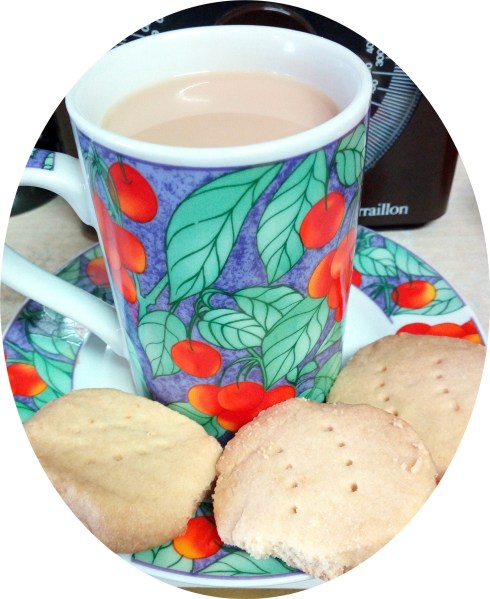
Sieve flour, rice flour, sugar into basin, rub in butter and knead until smooth paste formed. Turn on to floured board, make shape or shapes as desired, prick with a fork. Place on cold greased slide, cook in a slow oven ¾ hour to an hour, until a pale brown.
MY FATHER’S FAVOURITE SHORTBREAD RECIPE
Reproduced in original style from my mother’s PWMU Cookery Book 1976 Printed in Australia by Simpson Halligan Co Pty Ltd Distributed by Jolly Book Supplies, Brisbane Twenty-first edition revised and enlarged with over 200,000 copies issued
Mix 227g (1/2 lb) butter and 113g (1/4 lb) fine white sugar or icing sugar; add pinch salt and .45kg (1 lb) plain flour; knead all well together; roll out to the thickness of about half an inch, cut into rounds or finger lengths; prick with fork. Note 340g (¾ lb) flour and 113g (1/4 lb) rice flour may be substituted for .45g (1 lb) flour. Bake in slow oven about 40 minutes until fawn colour.
Ever do something just for fun? Sure you have. From an impromptu picnic to cooking a lavish dinner. Sporty things, family things, shopping expeditions or entering a competition in the name of fun.
Recently I designed a book-themed teatowel for fun. There was a prize involved but I won’t dwell on that because I did not win. However, it did spawn this blog piece…
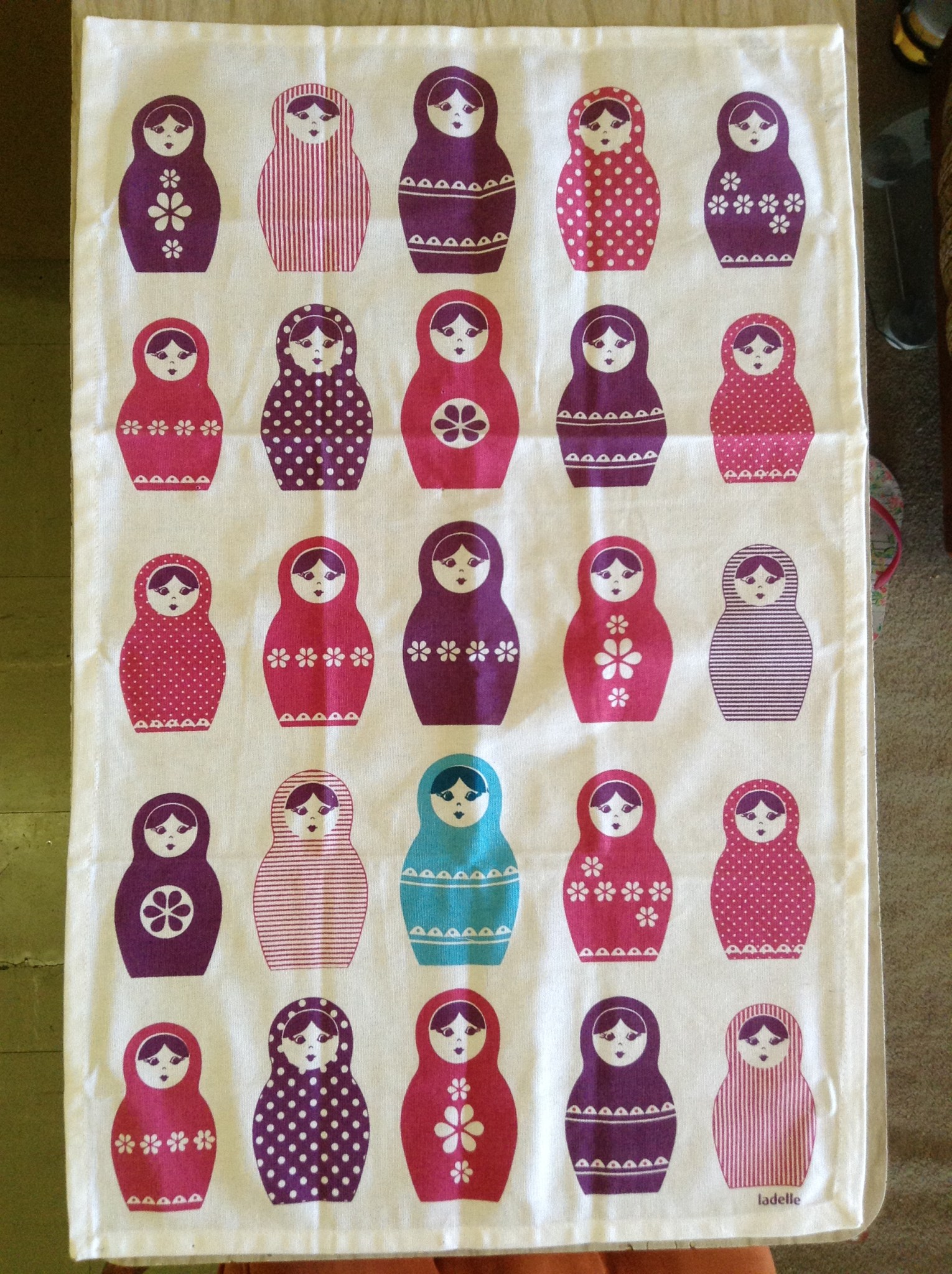
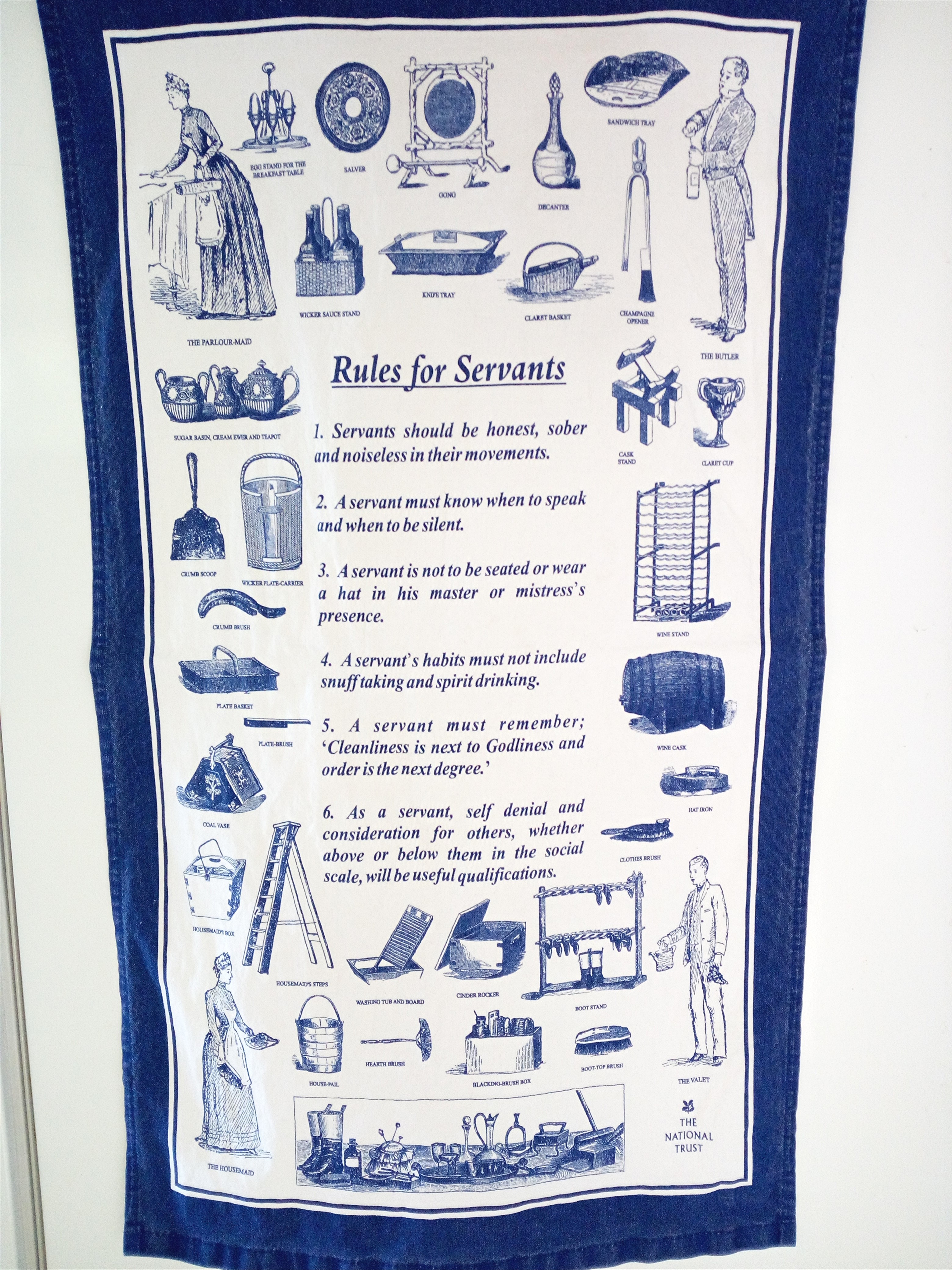
For those born into a dishwasher world, I will elaborate. A teatowel is used to dry crockery and cutlery. It is made of an oblong piece of linen or cotton material, naturally absorbent, hemmed on all sides and printed with a design. The design is printed on one side, in portrait position. Teatowels can be any colour, any theme, but traditionally the same fabric and size. They can also be displayed poster-like on a kitchen wall. The following teatowels are not ignominious!
Tourist destinations sell souvenir teatowels, the most glorious ones are those in public art galleries. Gift shops offer cute ones with flowers, teacups, recipes or cow designs. Craft groups use them as fund-raisers, while cookware stores display matching sets of oven mitt, apron and teatowel with a trendy designer logo.
I have a large proportion of Australian flora and fauna too well-laundered to show here. The examples displayed are the best I could find in the kitchen drawer. A lovely giraffe print from Western Plains Zoo, Dubbo NSW, was singed from a cooking incident. My recently purchased Cecily teatowel (below) is part of a book-themed series from New Zealand. It will not suffer the fate of another limited edition teatowel which, shock horror, was used to wipe the stove griller.
Teatowels sound old-fashioned and domesticated but they can become the focus of teenage washing-up disputes and used as a weapon to flick people. Snap!
Apparently teatowels originated in Victorian England and were used at teatime to keep the china in good condition. Baked goods were often laid on a teatowel to cool or alternatively kept moist under a teatowel. The name is different in different countries, in Australia a dishtowel/dishcloth is used for more heavy duty cleaning.
Tidy teatowel (Unknown)
No doubt there is an online history of teatowels and teatowel aficionados around the world, but I am content in the knowledge that I have owned many useful hard-working ones over the years. Lightly imbued with nostalgia and sentiment, some were gifts, most I have bought, and one I designed myself which is not destined to be printed. That’s a good thing.




 Thoughts Become Words