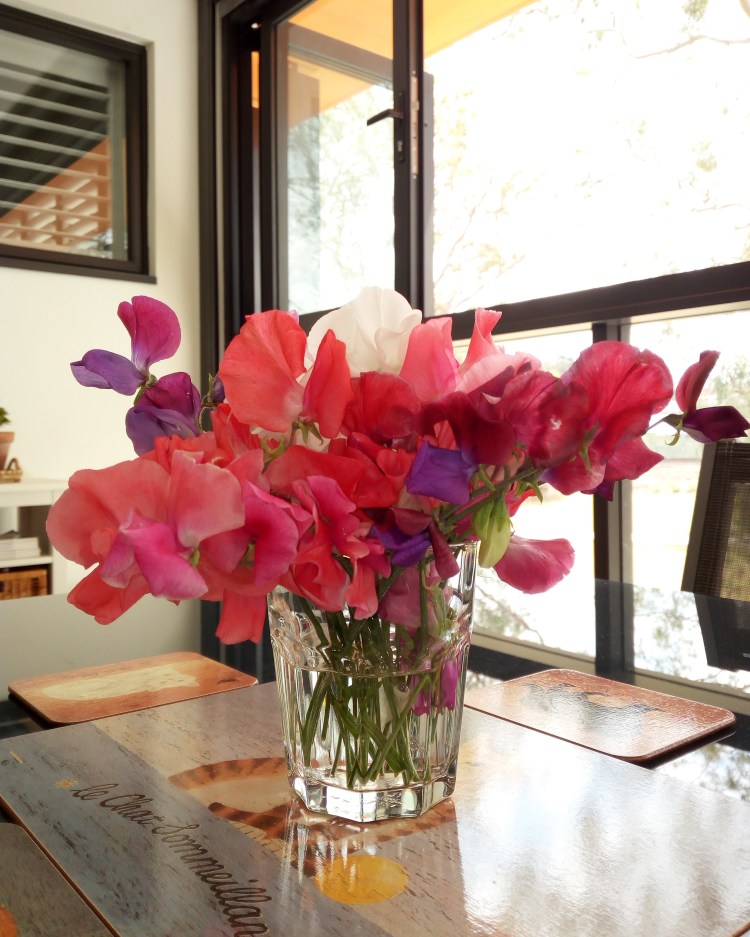
Under the sweet-peas I stood And drew deep breaths, they smelt so good. Then, with strange enchanted eyes, I saw them change to butterflies.
Higher than the skylark sings I saw their fluttering crimson wings Leave their garden-trellis bare And fly into the upper air.
Standing in an elfin trance Through the clouds I saw them glance… Then I stretched my hands up high And touched them in the distant sky.
At once the coloured wings came back From wandering in the zodiac. Under the sweet-peas I stood And drew deep breaths. They smelt so good.
By Alfred Noyes
Alfred Noyes was a British poet. He was born 16th September, 1880, Wolverhampton, Staffordshire, UK. He passed away 28 June, 1958, on the Isle of Wight. A traditional English poet, mainly remembered for his lyrical verse. The heart-wrenching “The Highwayman” and “Drake” are his best known works and illustrate his love of the sea.
It is said that the Romantic poets such as Tennyson and Wordsworth greatly influenced him. In 1949, due to his increasing blindness, Noyes dictated all his subsequent works. He also wrote for children and in 1952 he published a very popular children’s book “Daddy Fell into the Pond” and other poems. Info: https://www.poetryfoundation.org/poets/alfred-noyes
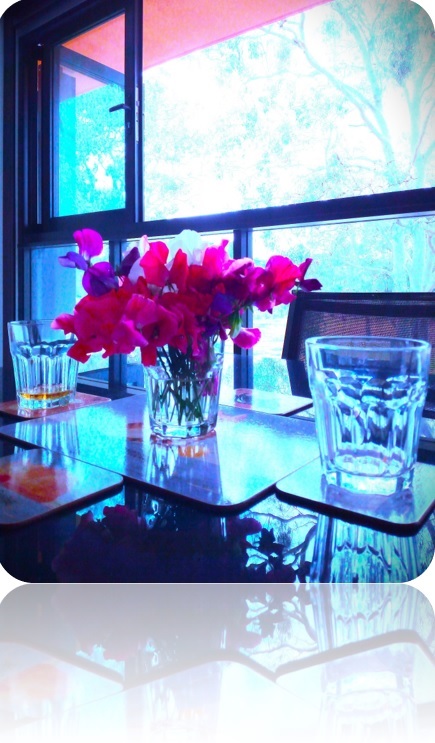
🌺 An annual plant of the pea family, sweet-pea flowers are cultivated throughout the world for their beautiful petals and soft perfume. Their rather unflattering botanical name is Lathyrus odoratus but the meaning comes from the Greek word lathyros meaning pea and the Latin word odoratus, meaning fragrant. Alfred certainly liked them!
As we gardeners in the other half of the world, the southern hemisphere, bid a fond farewell to summer, I thought about some of the natural highlights around me.
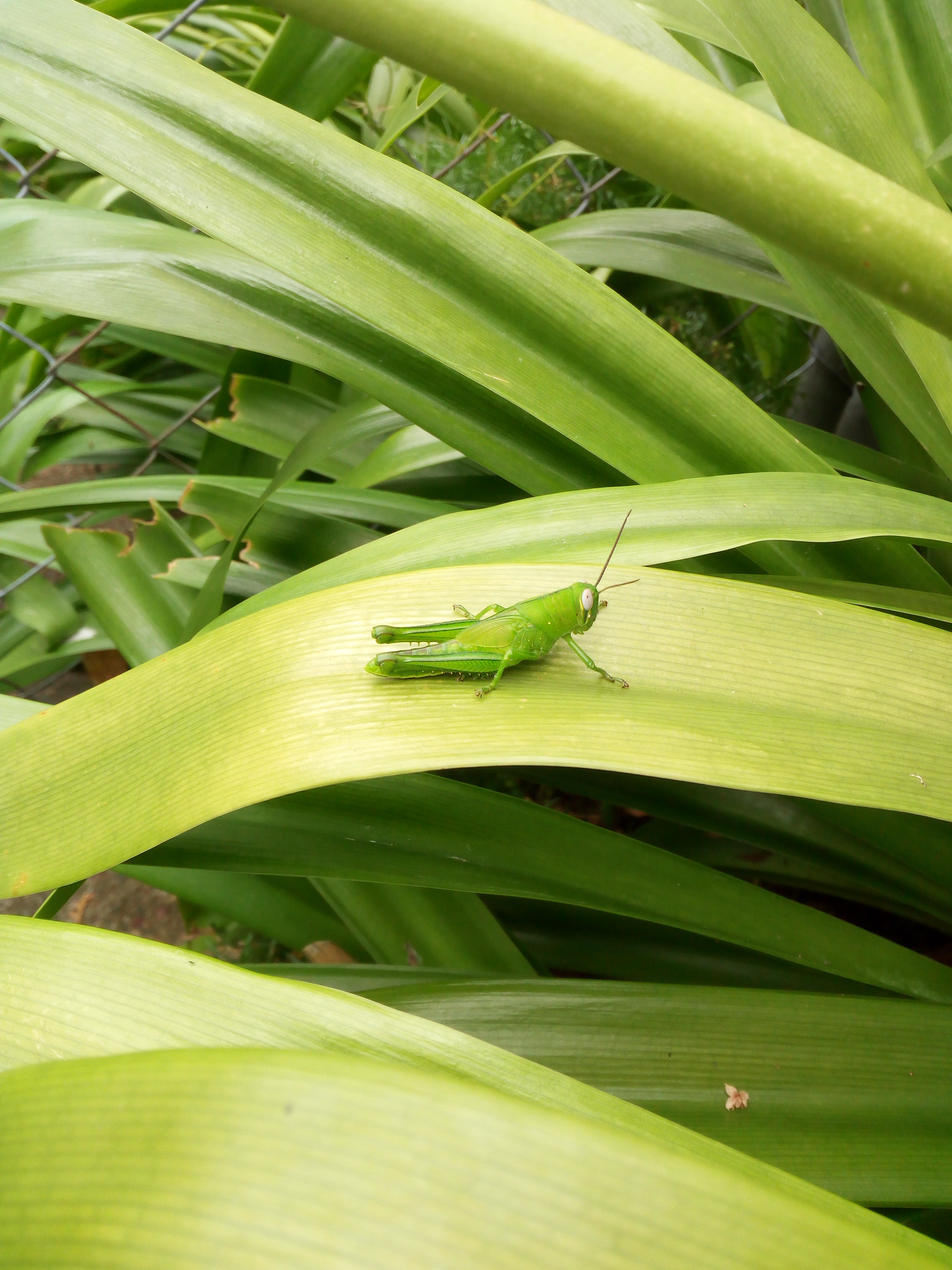
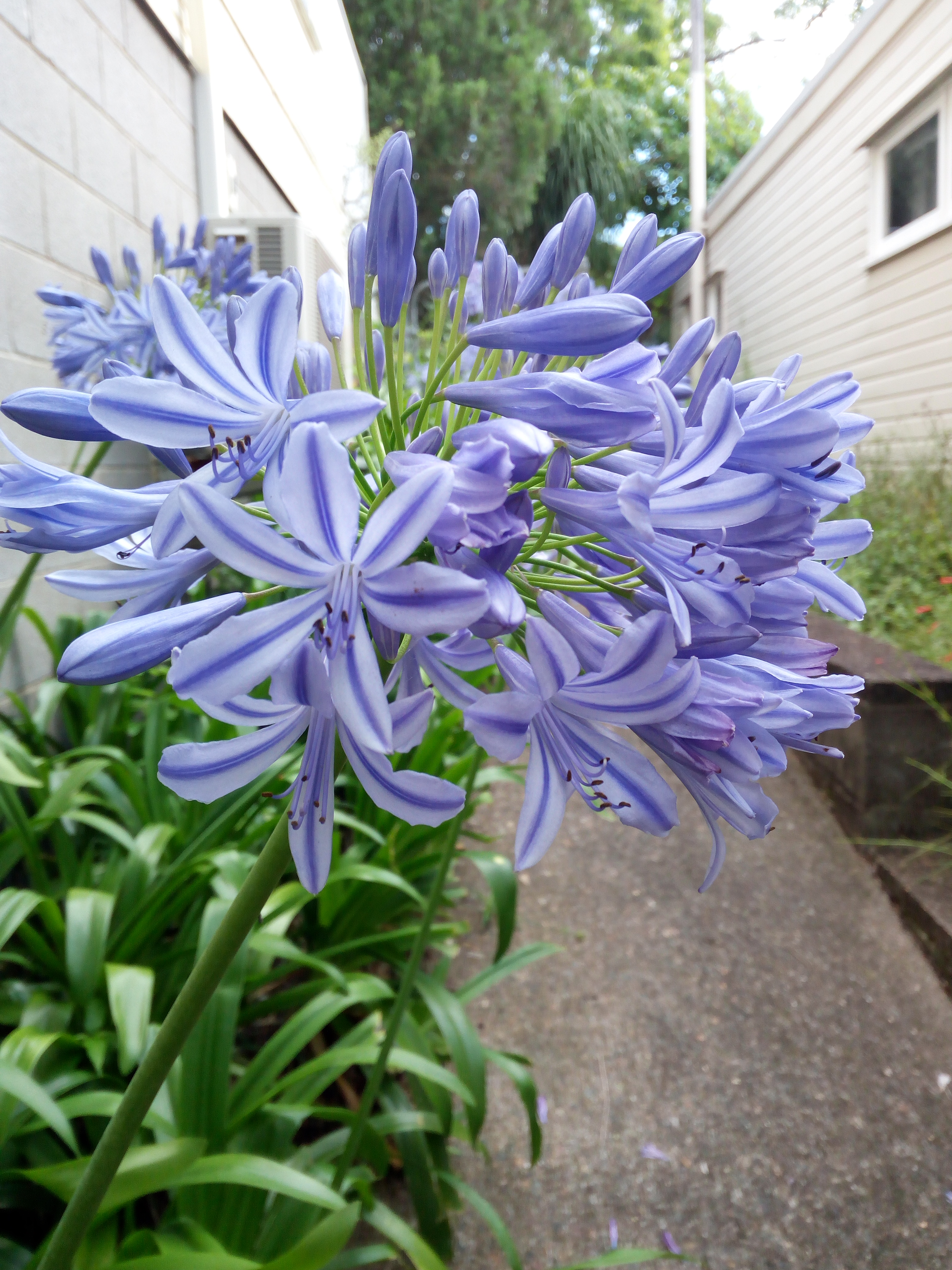
The coffee bean tree is laden down with green berries. The agapanthus flowered abundantly for the first time in four years. The lawns are lush, the weeds are going feral. Every garden is flourishing, flowers and green foliage abound. Shrubs, hedges and trees are taller and their leaves are broader. Insects are so noisy the sound gets inside your head.
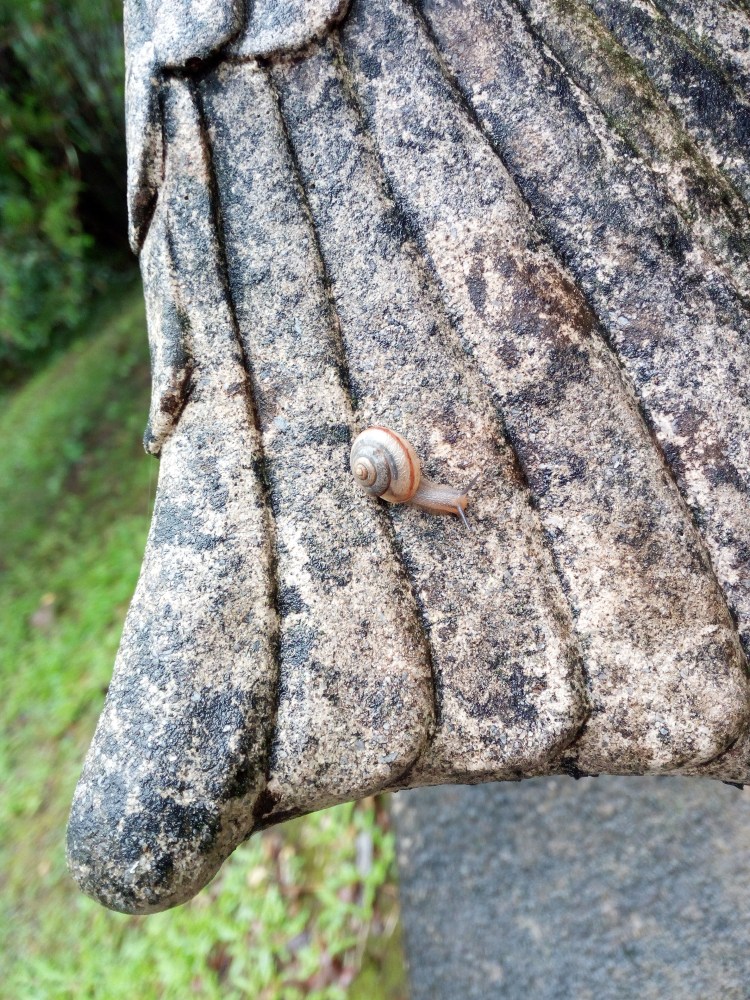
It has been a smorgasbord of a summer for the plant, animal, bird, reptile and insect domains in my suburb. Oh, and I just found out that snails are from the phylum Mollusca family. I am loathe to mention the toads but they relish the dampness at night courtesy of La Niña.
The Orchard Butterfly is our biggest and today I spied a huge one drying its wings during a brief respite between showers before fluttering free from the mandarin tree.
Scrub turkeys are getting bolder, scratching garden beds and terrorising cats. Birds generally are spoilt for choice when it comes to food and where to build a nest. But like homemakers everywhere, they have to make a good decision. The eagle-eyed hunters are watching, waiting, taking their time. Even the possums are walking more leisurely across our roof.
Actually the agapanthus have already been and gone. There was a sea of them in the back paddock but due to a computer malfunction those early photographs are not available – c’est la vie.
GOODBYE SUMMER
Birds sing at 5am, grasshoppers hop, lawnmowers til noon, cold drinks and ice-cream for arvo tea, pray for a cool breeze, clothes stick to skin, a quick swim, a light dinner, air-con fades away, windows open to humidity, can’t sleep, hoping no holes in the flyscreen, late summer storm rattles the house, memories rattle through my mind.
Our cat JoJo is a respectful blue-tongue lizard watcher and a keen rodent catcher. However, I am worried about a white ant termite nest beside the house. Never seen one before but I know they are voracious eaters, chomping through wood at a great rate. The pest control people are swamped with work at this time of year. Fortunately cats and termites are not the least bit interested in each other.
Australian summertime will soon hand over the weather to autumnal March. Cooler maybe, my advice is still wear a hat and sunscreen. Speaking from experience, I personally would not participate in a fun run unless it ends at the local swimming pool. Afterwards I would never ever eat greasy takeaway food. Ah, but those hot chips with salt and vinegar…
♥ Gretchen Bernet-Ward
** NEWSFLASH ** As I proof-read this post the city was already soaking from heavy rain and now the wet weather has continued in earnest. Day and night torrential rain has fallen, flooding large parts of Brisbane and South East Queensland causing major havoc to housing, business, roads, rivers and creeks. Sadly lives have been lost. About an hour ago we had a power failure. It is drenching, pounding rain, the air is humid, the sky dull grey. From overflowing guttering to washing away bridges, fast flowing flood waters are powerful and dangerous, carrying a multitude of unseen debris. Stay dry, stay safe. As the saying goes “If it’s flooded, forget it”. GBW 2022
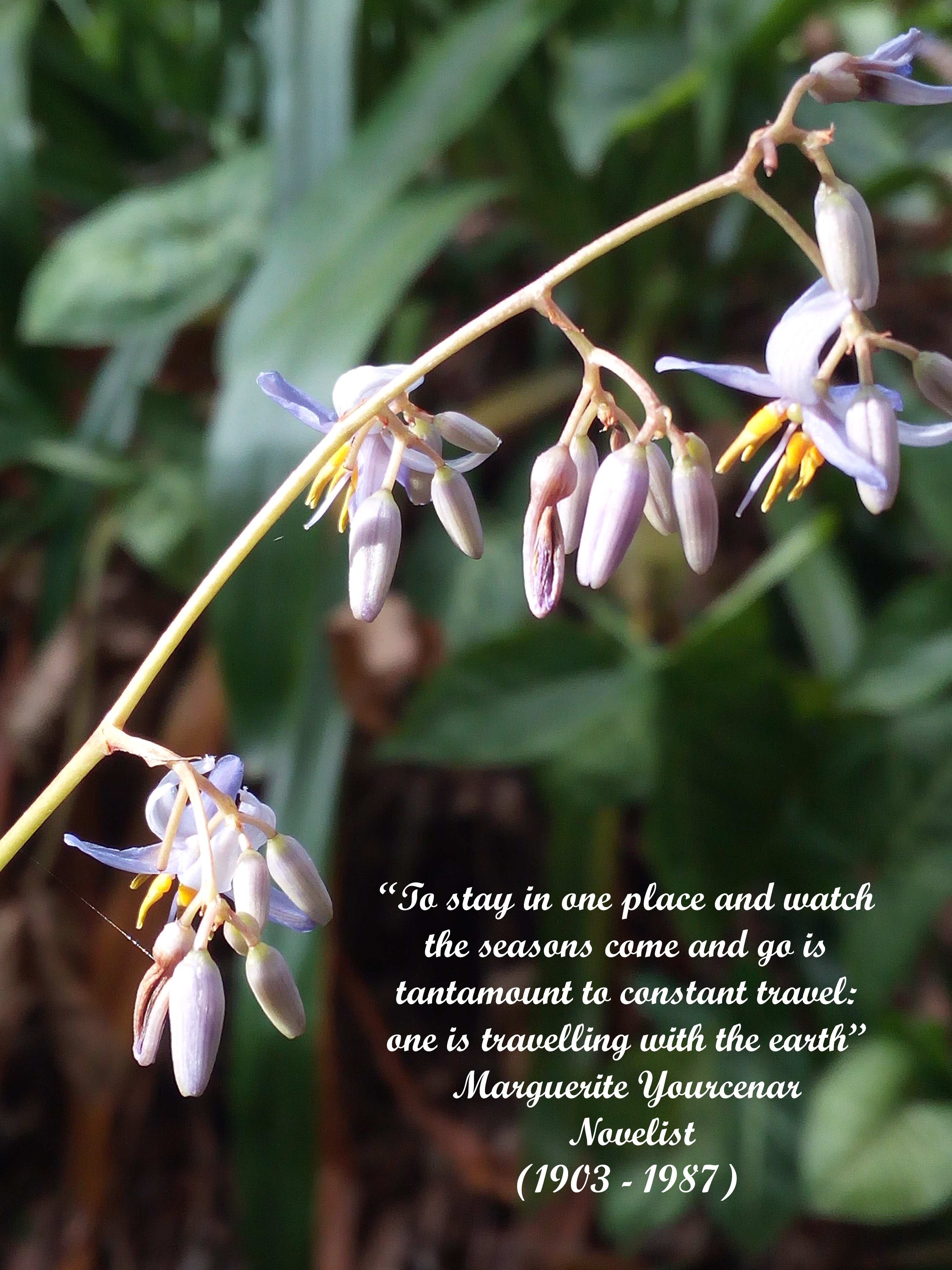
Marguerite Yourcenar, or Marguerite Antoinette Jeanne Marie Ghislaine Cleenewerck de Crayencour, was a French novelist and essayist born in Brussels, Belgium, who became a US citizen in 1947. Winner of the Prix Femina and Erasmus Prize, in 1980 she was the first woman elected to the Académie Française. Her most notable work is historical novel “Mémoires d’Hadrien” (Memoirs of Hadrian) and I have read “Denier du Rêve” (retitled A Coin in Nine Hands) set in 1933 over one day in Rome where a ten-lira coin passes through the hands of nine unusual people https://www.britannica.com/biography/Marguerite-Yourcenar The flower buds are Dianella caerulea (commonly known as the blue flax-lily) which turn into small green then purple berries and it grows in a terracotta pot near my kitchen door. GBW.
The world’s best loved insects – butterflies. As soon as I walked into the Bribie Island Butterfly House, a sense of calm enveloped me. Founder Ray Archer says “Butterflies are beautiful and very peaceful insects” and I can attest to that.
Blue Tiger
This tranquil not-for-profit organisation was founded by Ray and Delphine Archer who sold their business Olive Products Australia and moved to beautiful Bribie Island, off the south-east coast of Queensland, so Ray could devote time to his passion for breeding and raising butterflies.
I’d like to take you on a stroll through the butterflies domain. But first we will learn a few facts from the Nursery before entering their airy, sun-filled, flower-perfumed enclosure.
A LESSON OR TWO ON BUTTERFLIES . . .
A female butterfly may lay between 100 to 200 eggs, and within a week or so a caterpillar will hatch.
A caterpillar breathes through tiny holes in its sides and will eat its own weight in leaf material every day until the final skin is discarded and the chrysalis hardens.
Inside the chrysalis, metamorphosis continues as the butterfly is formed and this can take weeks, months or sometimes years.
When the final stages of the caterpillar are complete, the newly formed adult butterfly will emerge, needing a few hours to dry its wings before taking flight.
Butterflies don’t have a mouth, they use their proboscis like a straw to drink nectar from flowers.
Butterflies have two large compound eyes which offer a wide visual field and extreme colour vision.
The two antennae on a butterfly’s head help with navigation and detecting plant aromas and a prospective mate.
AND THE ONE YOU WILL BE TESTED ON . . .
Butterflies are insects in the macrolepidopteran clade Rhopalocera from the order Lepidoptera.
Ready to go inside? You have to go slow because butterflies don’t dive-bomb you like mosquitoes. Silent wings flutter by, difficult to photograph, I marvel at their fragility.
Photos left to right—Plant-filled entry; a vine chock-full of happy butterflies; misty air rises from a vaporizer; a Common Crow, why that name?; a Swamp Tiger against the blue sky; newly hatched Monarch; oops, there’s two Orchard Swallowtails mating, best move on . . .
Common Crow
Swamp Tiger
Monarch
Orchard Swallowtails
NEXT I NOTICED QUIRKY THINGS TUCKED AROUND THE BUTTERFLY HOUSE . . .
Hanging pot planters and gumboots stuffed with plants.
A rather clandestine bubbler and a secret butterfly door.
Inspirational quote and landing pad stocked with nutritious butterfly food.
This lady (below) had to make sure she was butterfly-free before leaving. The butterflies landed on hair and hats. Interestingly, they stayed well clear of the heavy black plastic doors, perhaps because their focus is on light, bright colours.
Before departing I visited the plant section where butterfly-friendly plants (see chart) were available for purchase. There is no cafe and no merchandising, and nobody telling visitors The Rules. The only suggestion is to leave your worries in a bin at the door. Quite a refreshing visit in more ways than one!
The Bribie Island Butterfly House exists to provide a sense of purpose and lasting friendships among their volunteers, to offer visitors an enjoyable and educational visit in a peaceful environment and to help the disadvantaged via donations to charities.
Grow a patch of dandelions! Check out Lyn’s wonderful UK Butterflies And Garden blog. Pledge to stop using manufactured pesticides! Around my area, the green tree frog and butterfly populations have severely decreased due to the rise in toxic garden herbicides and pesticides. Think natural, not noxious!
And, of course, my avatar is a hand-drawn butterfly.
Coming out of a hot dry summer, March weather is beginning to soften the sky and offer the cooler, more gentle mornings of autumn. There is no definite change of season, just a calmness, almost a feeling of relief after the insistent tropical heat.
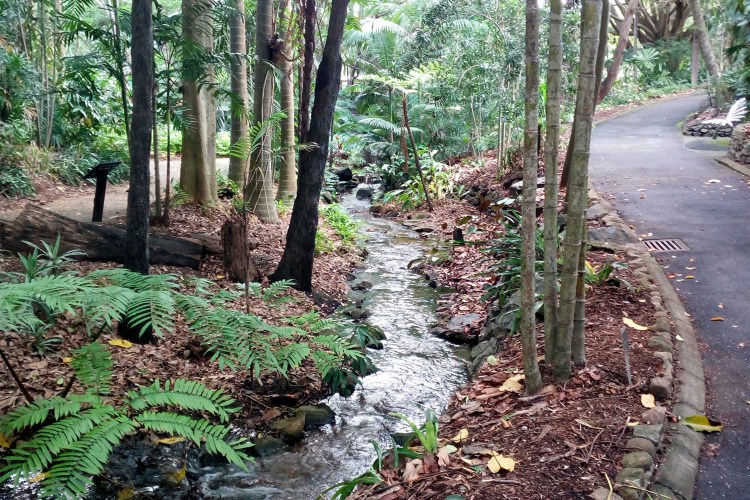
Apart from, whack, an insect, there’s something serene and relaxing about strolling through a garden, touching leaves, sniffing flowers, following a creek and hearing the splash of a small waterfall through the trees.
To quote Rudyard Kipling “The Glory of the Garden it shall never pass away!” so…
Here’s what I experienced one lovely morning…
Arriving early at the Brisbane Mt Coot-tha Botanic Gardens, I strolled through a cool, green gully and thought it was strange to be in a capital city yet hear no traffic sounds. I floated along, enjoying the stillness, until my personal calm was shattered when the garden crew came on duty and the leaf- blowing brigade roared into action. I had to wait until one fellow walked out of shot to photograph Xanthorrhoea australis, the Grass-trees (below; left). The atmosphere shuffled its feathers and tranquility returned.
Wooden bridges and flowing streams…
Leisurely, I followed the meandering paths across bridges and green lawns, enjoying the mild sunshine. Strolling down a slope, I came to a bracken-lined watercourse then walked up a gentle incline towards king ferns, piccabeen palms and towering hoop pines. I’ve never fully traversed the 56 hectare (138 acre) area which displays mainly eastern Australian plants.
You can spot Eastern Water Dragons (lizards) and geckos as they scurry out of sight or get a giggle watching the many varieties of water fowl, ducking and diving in the lake. Feeding wildlife is not allowed and I couldn’t entice them into an appealing photograph.
Sculptural features are ‘casually’ placed throughout the gardens and I think the most alluring is a silver fern seat (below; left) with interesting support.
Beside the pond and beneath the trees…
The Japanese Garden (below; entrance and pond) offers soothing symmetry and a waterlily’s single bloom. Nearby the concert bandstand has grass seating surrounded by trees with foliage of different patterns and colours. Around me, there’s a multitude of subtropical shrubs, cycads and flowers with names I never remember. You will notice that I do not attempted to be horticultural! A bit further along, in the arid zone, resides a sci-fi concoction of exotic cacti. The culinary, fragrant and medicinal herb gardens are pure indulgence. But if herbs aren’t your thing, the pungent eucalypt is my favourite and walking the Aboriginal Plant Trail with its edible food plants.
Biodiversity and water reflections…
The stillness of the morning created pleasing reflections on the lagoon which is fed by rainwater captured from the hills. You can choose between typical heathland or wetland regions made easily accessible for suburban folk. The Conservation Collection includes rare and endangered species in their natural habitats and I entered the steamy, geodesic hothouse (below; left) where equatorial plants are nurtured. My face beads in sweat, it’s not a place for humans to linger too long. Time for an ice-cream!
Tropical Display Dome at Brisbane Botanic Gardens, Mt Coot-tha, is a large lattice structure (geodesic) displaying plants from the tropics. A pathway winds upwards through the dome building, wrapping around a central pond with water plants.
Look outside the Botanic Gardens…
Outside the entry are several buildings of interest: Sir Thomas Brisbane Planetarium (below; saved from extinction by a vocal community uprising) large carpark, small art studio, specialist library and auditorium providing a variety of events. I have booked a place in a workshop Monoprinting Australian Native Plants, so a blog post may be forthcoming. The new Visitor Information centre offers guided walks and Gardens Café has the ice-cream. The two white-coated fellows outside the café are entomologists, surviving statues from World Expo 88.
Pandas and children have a special treat…
The Mt Coot-tha Botanic Gardens Children’s Trail is a hide-and-seek ramble through the shady rainforest garden with special works of art dotted along the way and I couldn’t resist following it myself. Check out the wacky weathervane! And a log for native stingless Sugarbag bees. Mother and baby Panda bears enjoy the bamboo; they are a special fabrication of laser-cut aluminium by Australian sculptor Mark Andrews.
Parks and gardens change with horticultural trends. The smaller City Botanic Gardens are older and more formal, in keeping with the style of previous centuries, but I prefer the softness of Mt Coot-tha Botanic Gardens. As the world becomes more populated and natural plant life decreases, Brisbane city dwellers like me need our botanical gardens to nourish and refresh our screen-dependant interior lives.
♥Gretchen Bernet-Ward
Tropical lagoon and green algae swirls at Mt Coot-tha Botanic Gardens, Brisbane, Australia 2019
Note: Please click or tap an image to enlarge.
You may also like to read about my visit higher up the road atMt Coot-tha Lookout.
Nasturtiums like to grow free-range in the sun with well-drained soil but I planted the seeds in an old hanging basket under the verandah and watched their lifespan over three months from warm September mornings in springtime to steamy January afternoons in summertime.
These vivid flowers would be perfect at Christmas time. But, no, this spectacular red Callistemon, an Australian native Bottlebrush, flowers in springtime and early summer.It has long fluffy tubular flowers that look beautiful in gardens and taste delicious to all kinds of native birds, insects and other wildlife. The flower 'brushes' are so soft, not spiky at all.There were two Rainbow Lorikeets hiding in the branches, eating the nectar and chatting away, but they wouldn’t keep still for a snapshot.I saw this long row of flowering plants in an industrial-type setting in Brisbane yet Callistemon grows in every location, tall shady trees to knee-high potted shrubs and used as groundcover.Information from this website Australian Plants Online Flowering Callistemon indicates that I’ve photographed 'Hannah Ray' which is 4 metres high and suitable for streetscapes.It brightened my September day!♥Gretchen Bernet-Ward



















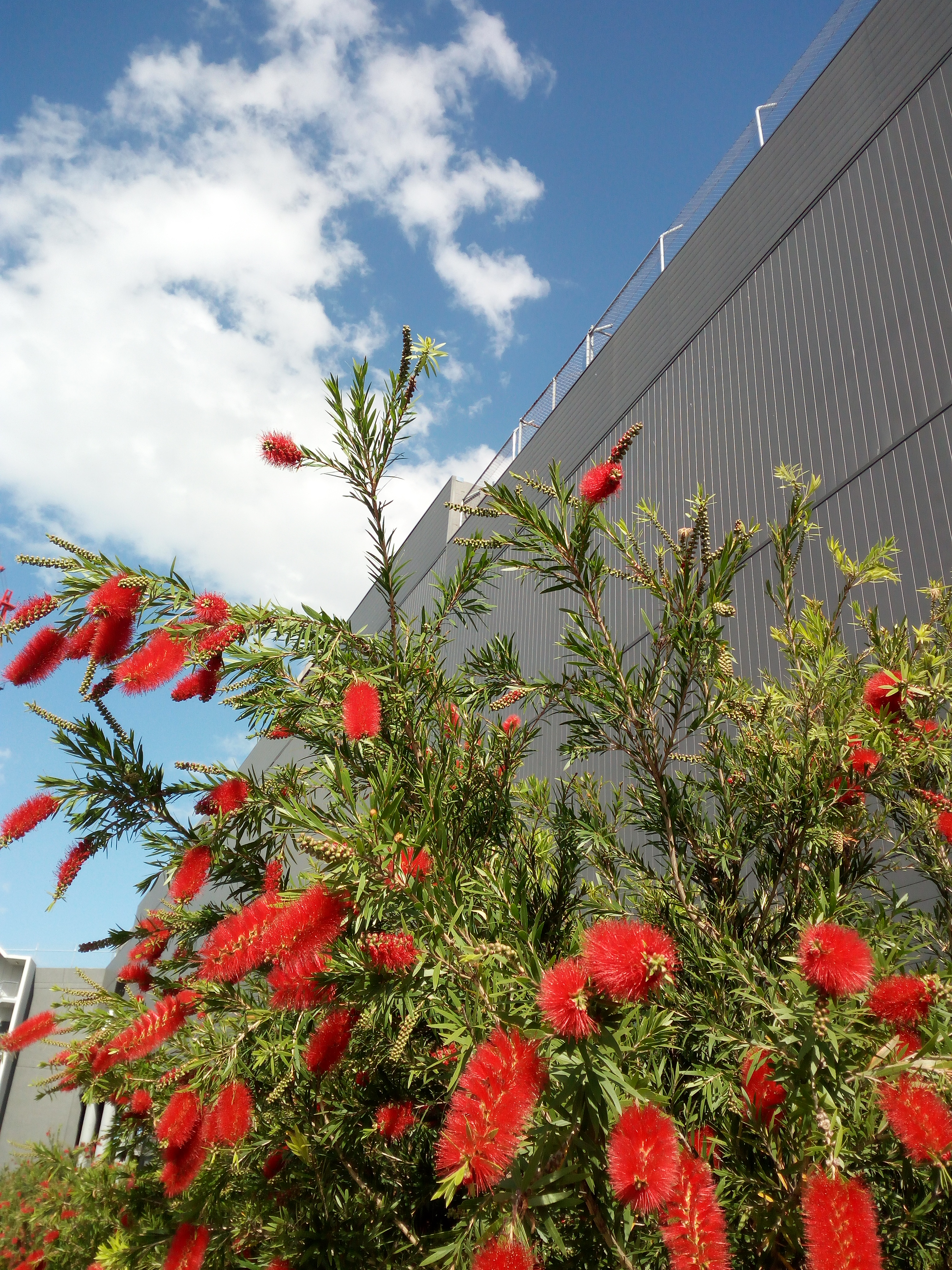 There were two Rainbow Lorikeets hiding in the branches, eating the nectar and chatting away, but they wouldn’t keep still for a snapshot.
I saw this long row of flowering plants in an industrial-type setting in Brisbane yet Callistemon grows in every location, tall shady trees to knee-high potted shrubs and used as groundcover.
There were two Rainbow Lorikeets hiding in the branches, eating the nectar and chatting away, but they wouldn’t keep still for a snapshot.
I saw this long row of flowering plants in an industrial-type setting in Brisbane yet Callistemon grows in every location, tall shady trees to knee-high potted shrubs and used as groundcover.
 Information from this website
  Thoughts Become Words