Sunny Stroll in City Gardens
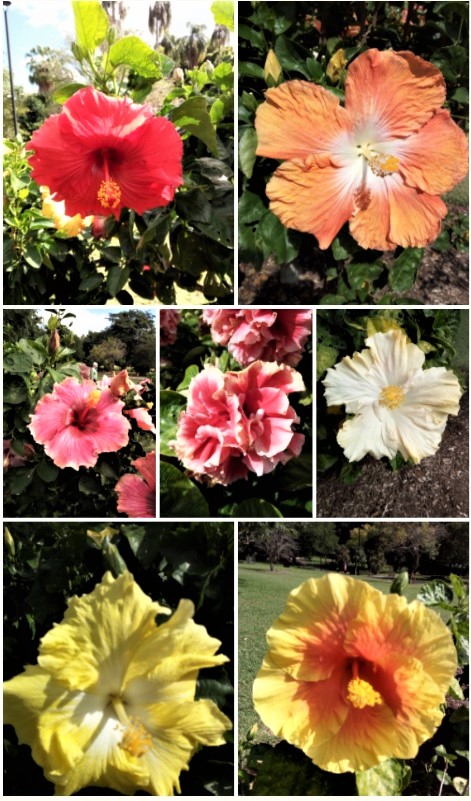
Cultural Heritage Significance

Brisbane City Botanic Gardens heritage significance has many aspects. The oldest botanical garden in Queensland is located in Brisbane’s central city on the banks of the Brisbane River. Originally called the Brisbane Botanic Gardens, it was established in 1855. It was among the first places to be listed under the Queensland State heritage legislation back in 1989 and one of the few non-buildings to be included.
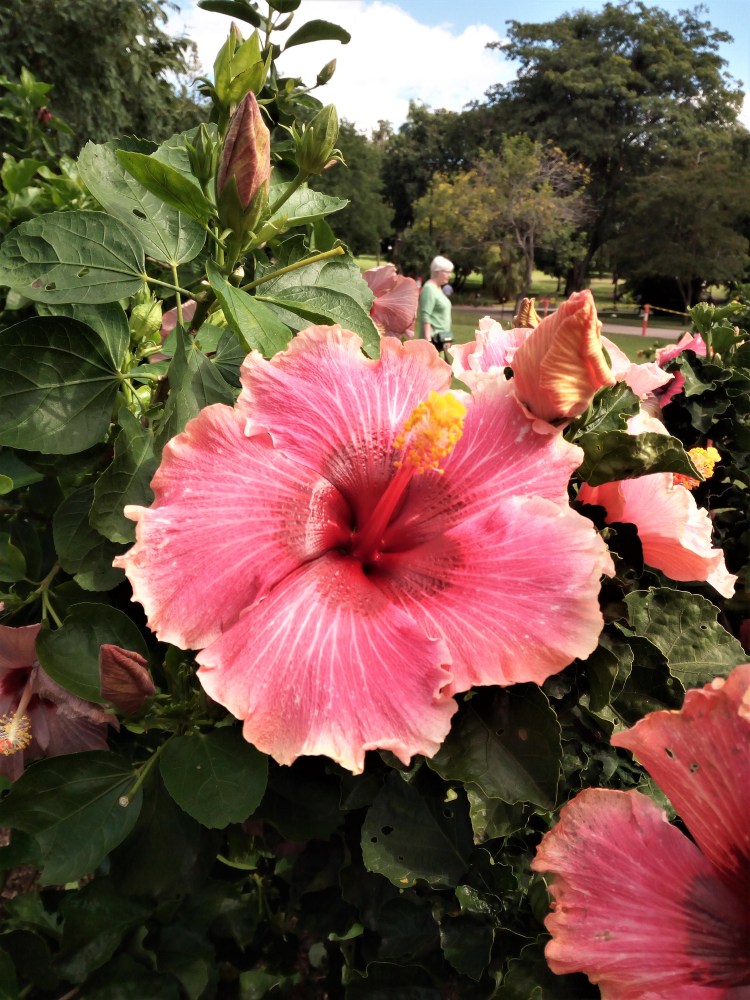
Hibiscus Garden, Brisbane City Botanic Gardens © Gretchen Bernet-Ward 2023

The gardens have many attractions. Some of my favourites are the mature trees, native plants, palms, water features, sculptures, winding paths, rolling lawns, a quaint café (with white Ibis) and, of course, beautiful flowers including the Hibiscus Garden (above) and masses of marigolds (below) in circular beds which were attracting the bees.

Marigolds in Brisbane City Botanic Gardens © Gretchen Bernet-Ward 2023

There is a variety of wildlife including possums at night. I took a photo (below) of a camouflaged Kookaburra. Can you SPOT THE KOOKABURRA in the tree?
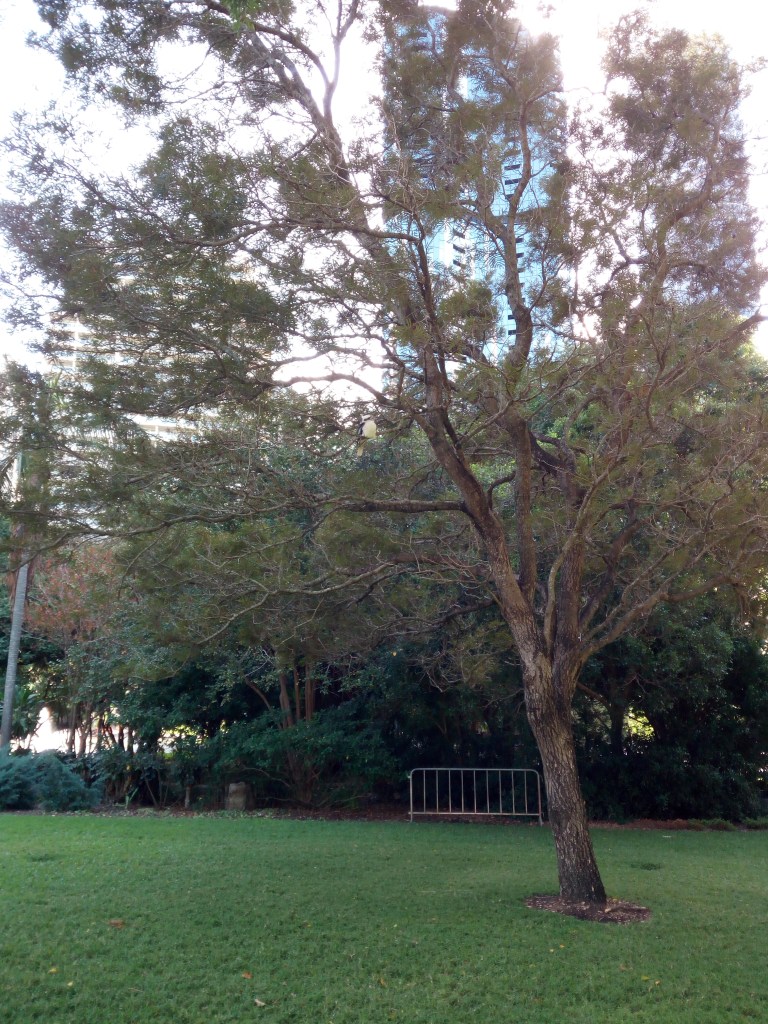
Spot the Kookaburra in the tree City Botanic Gardens Brisbane © Gretchen Bernet-Ward 2023

These gardens are so different to what I remember as a youngster, they are now lush and green, better planted and more well managed. I love Weeping Fig Avenue and Bamboo Grove but have no current photos. Do you know I have never seen an event at the River Stage! Many events are hosted within the grounds including the spectacular night-time Botanica Light Show in May.
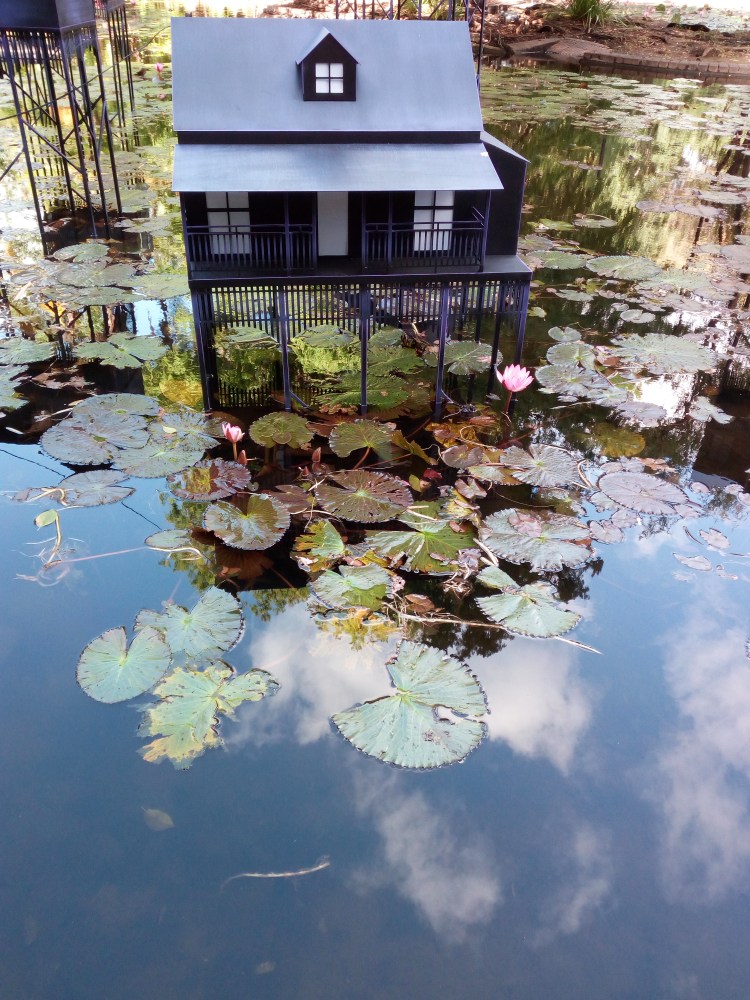
Phoebe Paradise ‘Foundation’ Botanica (lights up at night) © Gretchen Bernet-Ward 2023

The little house on stilts (above) has significant meaning for our river city. I tried to take a photo of it at night, but it got lost in the evening mist on the mysterious pond.  

♥  Gretchen Bernet-Ward

Information highlights:
https://www.brisbane.qld.gov.au/things-to-see-and-do/council-venues-and-precincts/parks/city-botanic-gardens/attractions

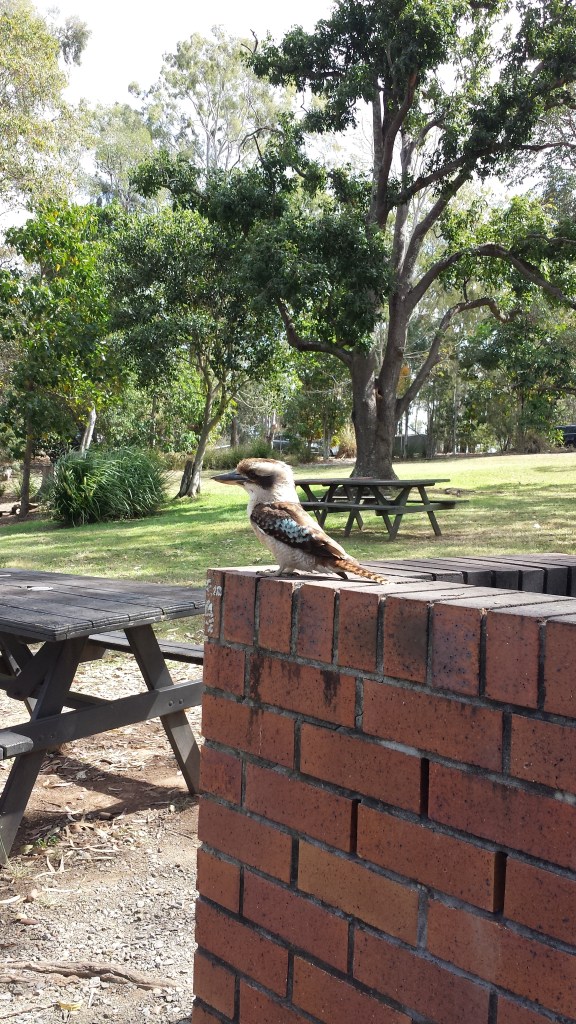
The Kookaburra and The Crustacean Claw

Kookaburra with yabby crayfish claw, Crows Nest, Queensland 2022

The Laughing Kookaburra can be identified immediately by both plumage and call. The cackling laugh is often used in scary jungle movies.

Laughing Kookaburras are found throughout eastern Australia. They feed mostly on insects, worms and crustaceans (like the yabby crayfish above) although small snakes, mammals, frogs and birds may also be eaten. Prey is seized by pouncing from a convenient perch. The meal is eaten whole, but larger prey is killed by bashing it against the ground or tree branch.

The kookaburra photograph (above) was taken at Crows Nest, located 44km north-east of Toowoomba on the Great Dividing Range, Queensland. It is one of the larger members of the kingfisher family with a wingspan 64cm-66cm (25in-26in).

This kookaburra swooped down and kept a watchful eye on our lunch but it’s best not to feed human food to native wildlife © Gretchen Bernet-Ward 2018

I have always loved keen-eyed, stocky little kookaburras. Suburban kookaburras living in parkland sometimes loiter around barbecue cooking areas. They are not dangerous birds and rather stand-offish but I would not encourage them with human food. That powerful beak is better suited to nature’s diet.

Laughing Kookaburra feathers are generally off-white below, faintly barred with dark brown, and brown on the back and wings. The tail is more rufous, broadly barred with black. There is a conspicuous dark brown eye-stripe through the face, like an old-fashioned burglar mask.

Original 1960s artwork F.C. Bernet – Image © Gretchen Bernet-Ward 2022

My grandfather was an artist, woodcarver and bespoke furniture maker, and he designed and cast this laughing kookaburra (above) in a plaster mould. After hand-painting the kookaburra, he framed it in the minimalist style of 1960s. Both he and my grandmother (a needleworker extraordinaire) created Australian designs when many things were influenced by British and European artisans.

The kookaburra’s scientific name is Dacelo novaeguineae but the name ‘kookaburra’ is generally believed to be derived from the original term ‘grab a stick’ or ‘gougou garrdga’ in Kamilaroi/Euhlayi language.

Group kookaburra calls are best heard in early morning and at dusk, and are crazy loud if you are standing under their tree.

A group of kookaburras is called ‘a riot of kookaburras’ because of the raucous noise.

Studies have shown that kookaburras pair for life. The nest is usually a bare chamber in a naturally occurring tree hollow. The breeding season is August to January and every bird in the family group shares parenting duties. The ideal set-up really.

My words, with kookaburra information courtesy of Sea World and Australian Museum.

♥ Gretchen Bernet-Ward

A Home for Leftover Photos

An eclectic mix of my unused photos ♥ Gretchen Bernet-Ward

IMG_20180312_105742
Laser cut dragon fantasy

IMG_20171215_065125
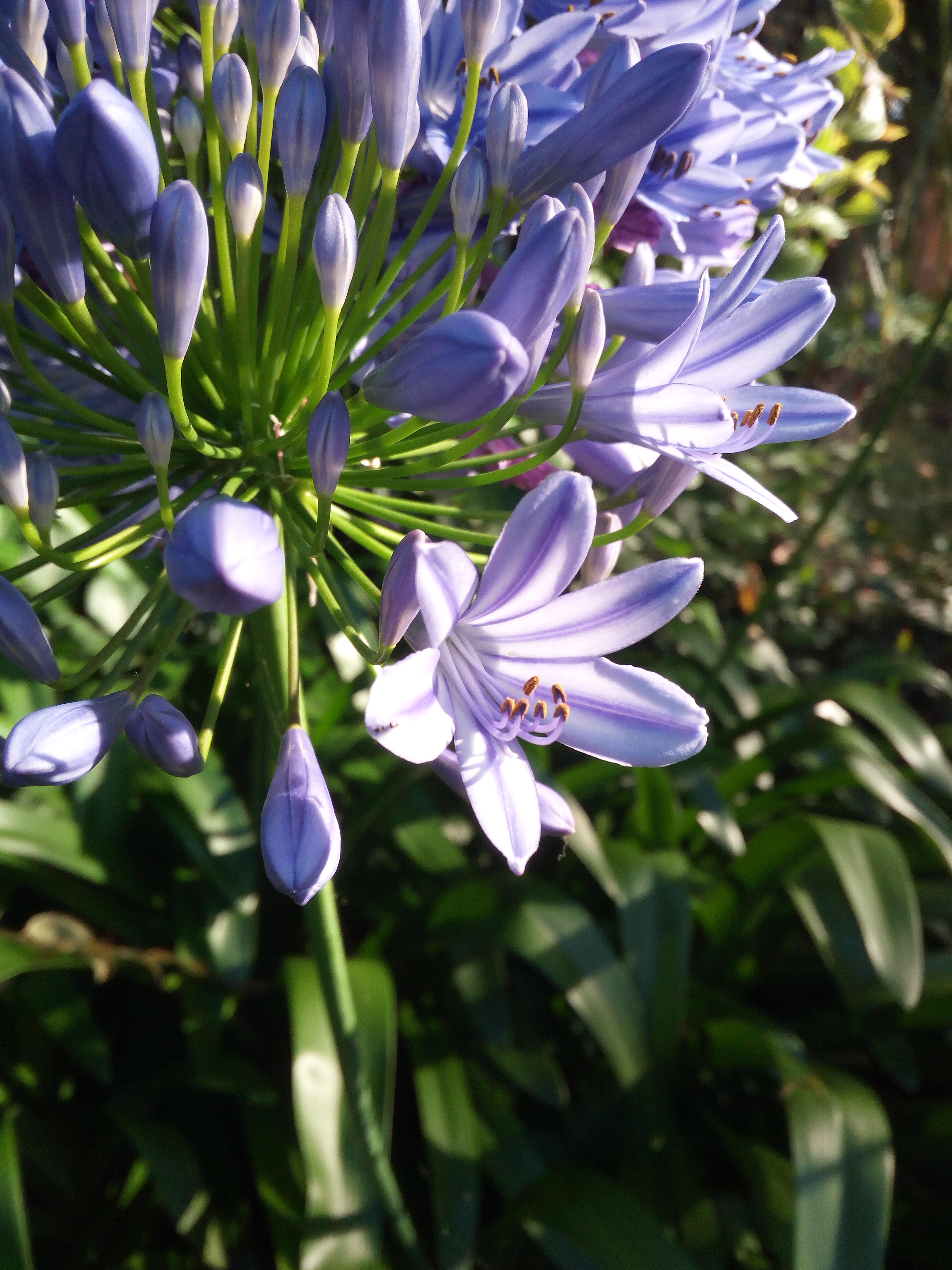
Agapanthus up close and personal

IMG_3714
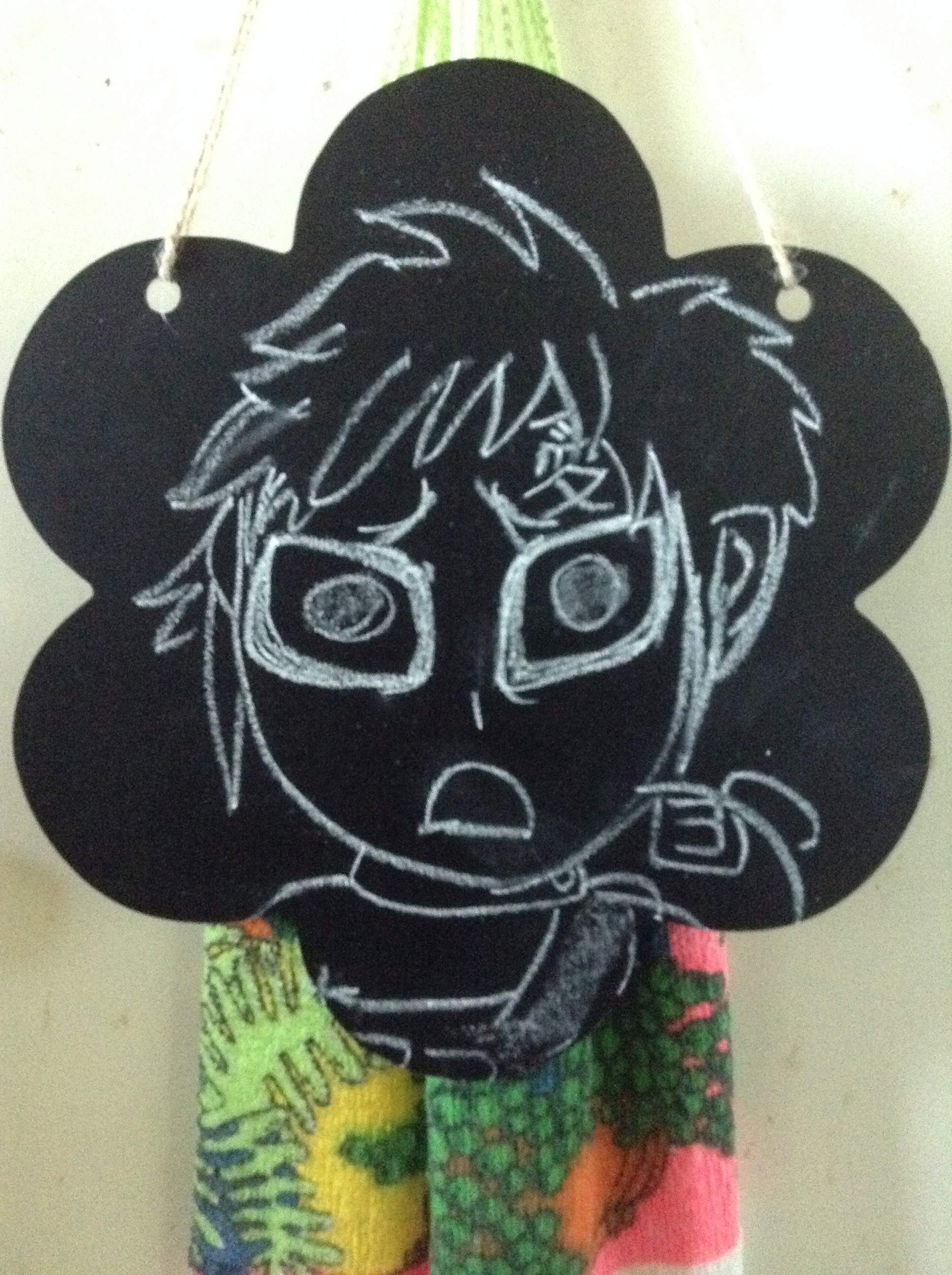
Gaara chalk drawing

IMG_3385
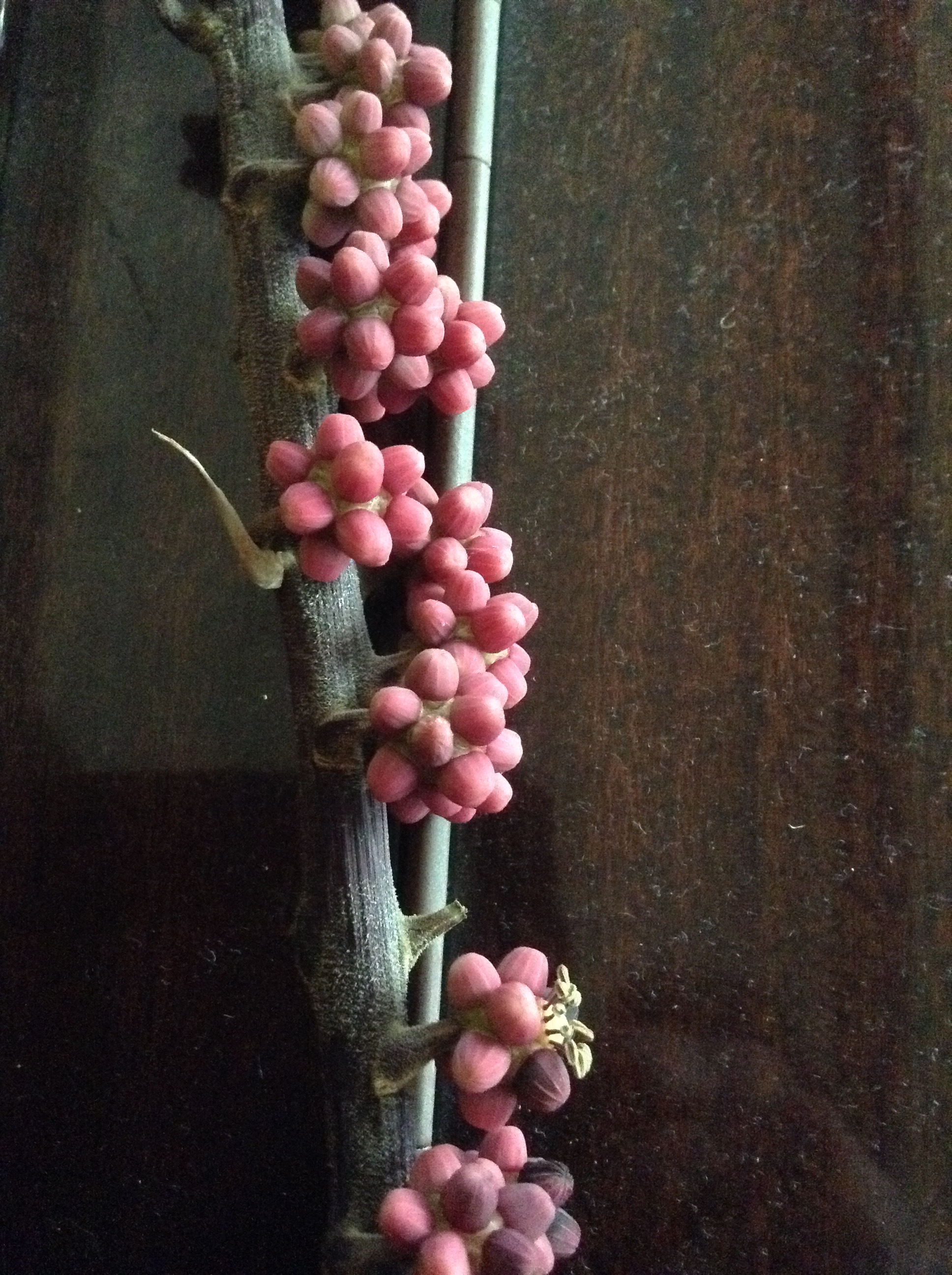
Umbrella tree flower pods

IMG_20171016_115002
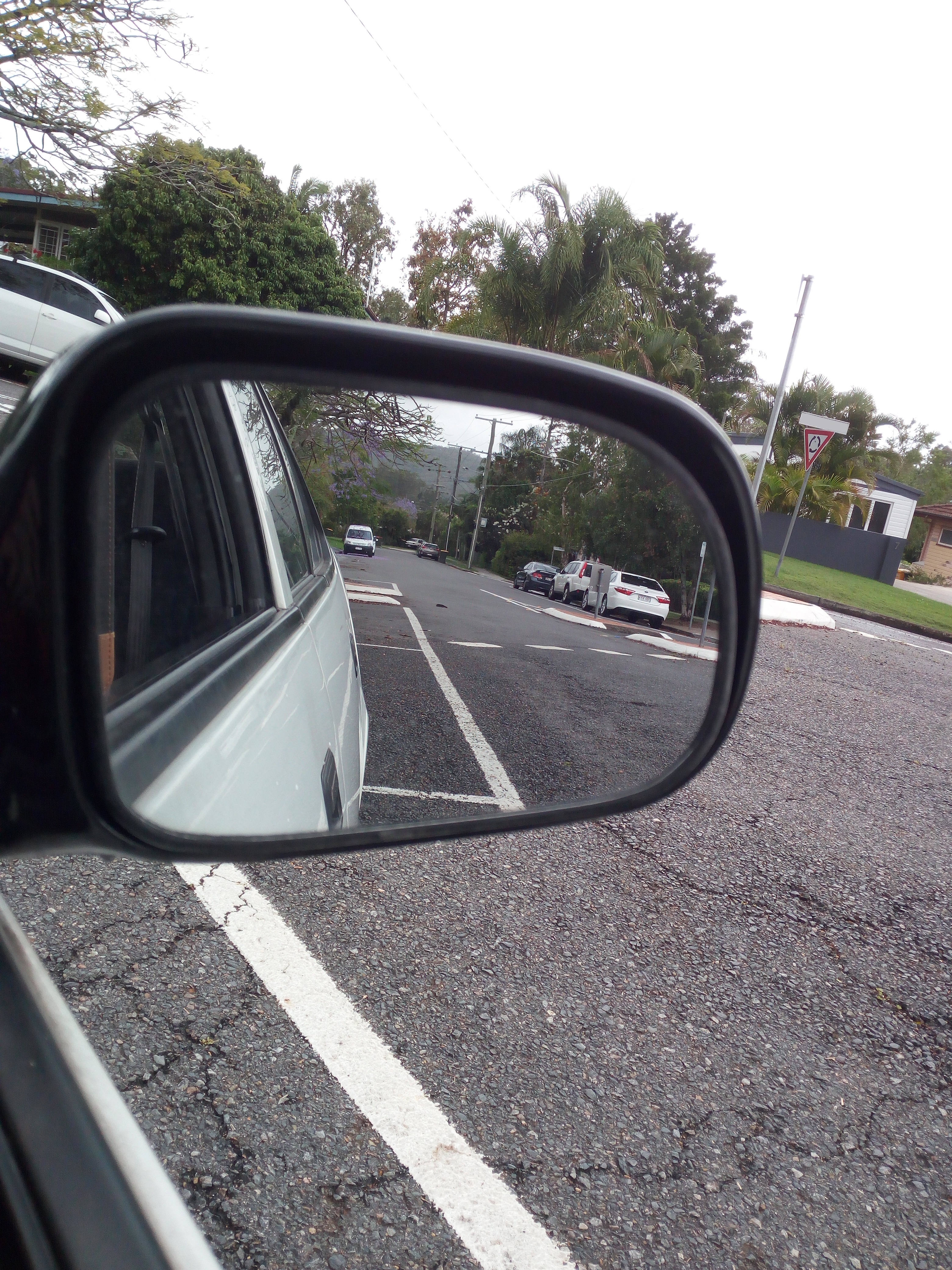
Backward and forward

IMG_3020
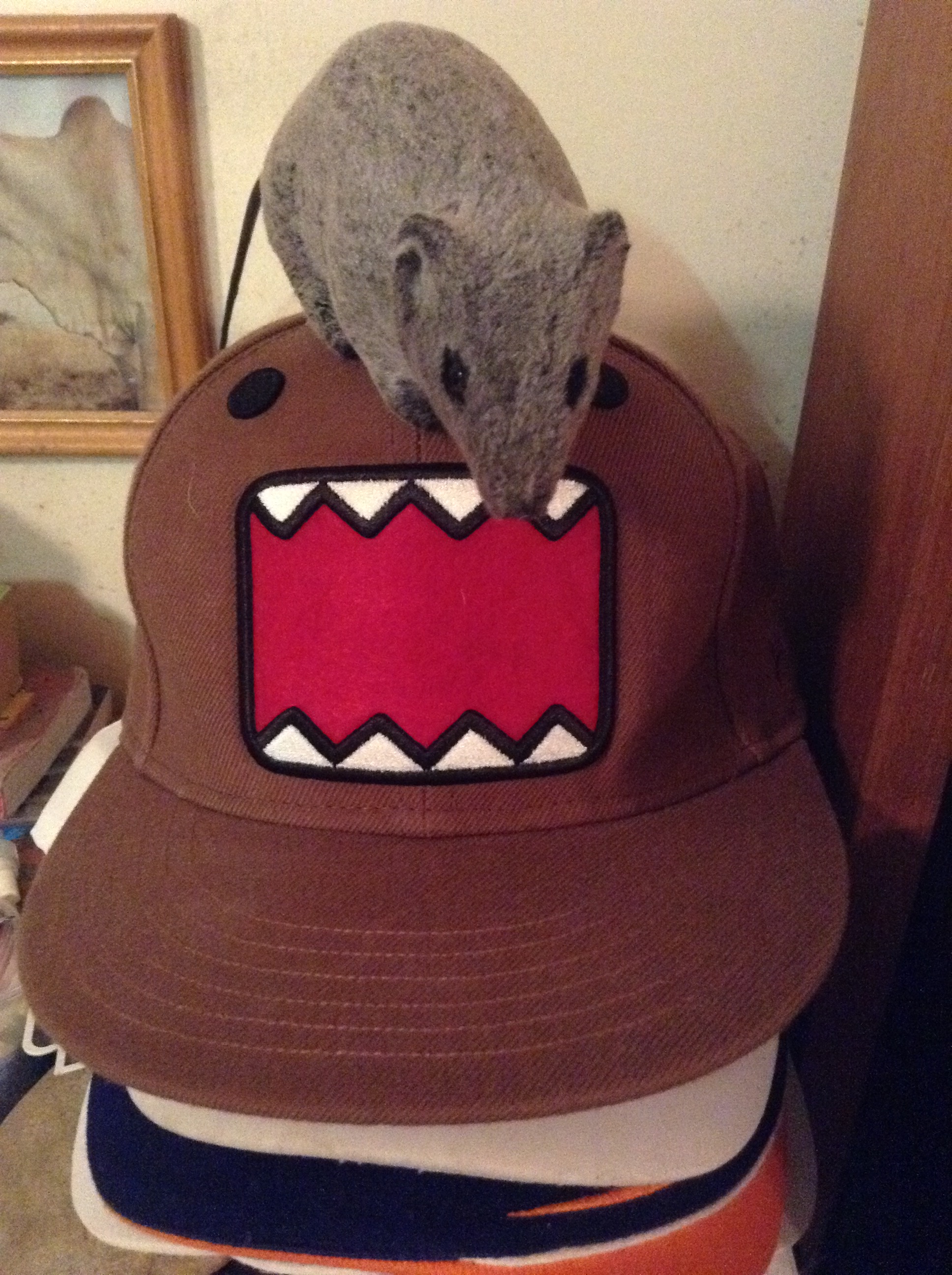
Watch out, Mr Rat

Kitchen Tree Frog IMG_20180319_082448
Frog ready to clean up

IMG_20171105_105503
Pretty purple petals

IMG_20171130_151830
A pixie was here a second ago

IMG_20170612_160356_BURST001_COVER
Mirror, mirror on the wall…

IMG_20170928_130507
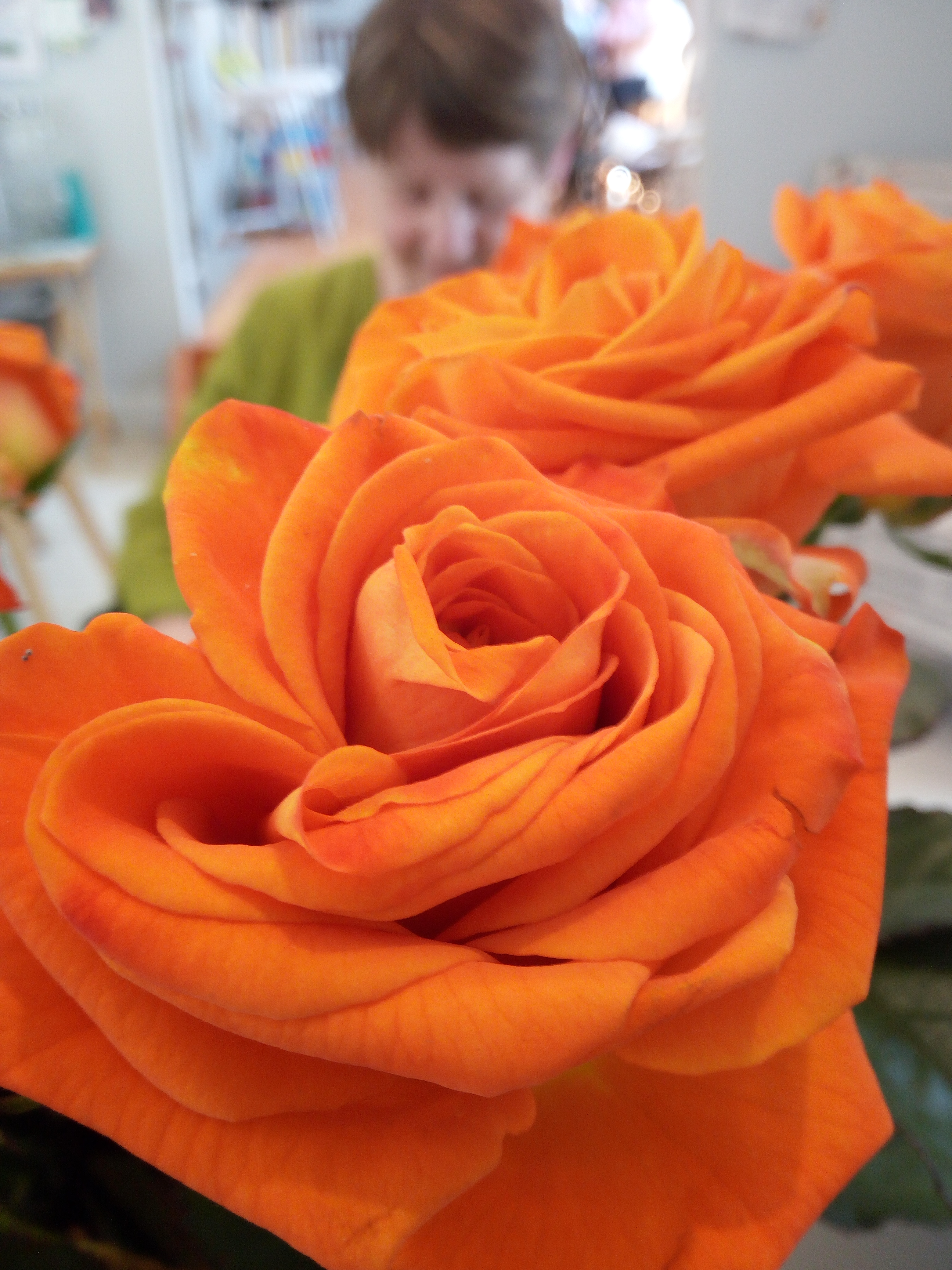
Gigantic orange roses

IMG_20180313_075503
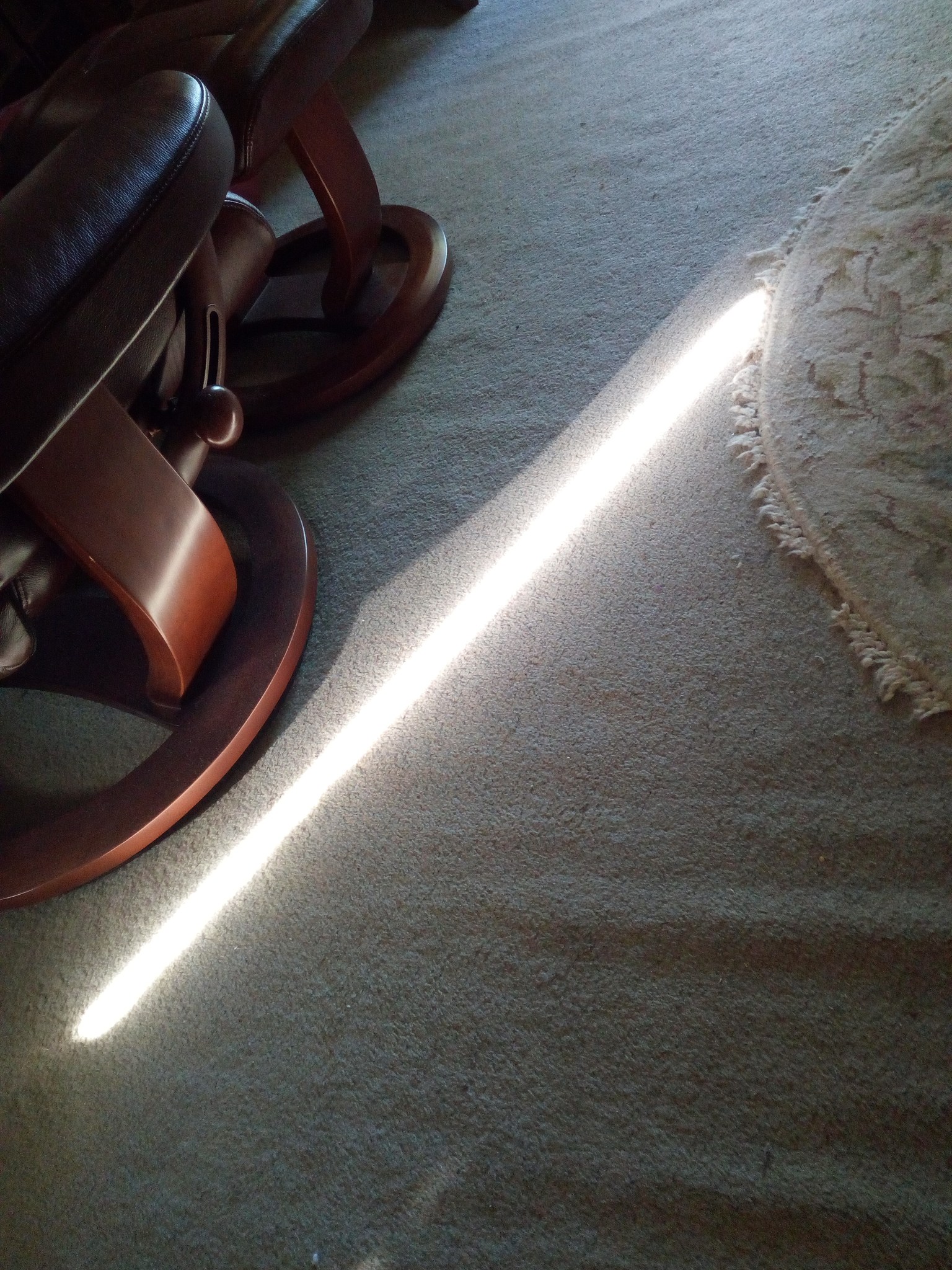
Luke left his light sabre unattended

IMG_20180323_071422
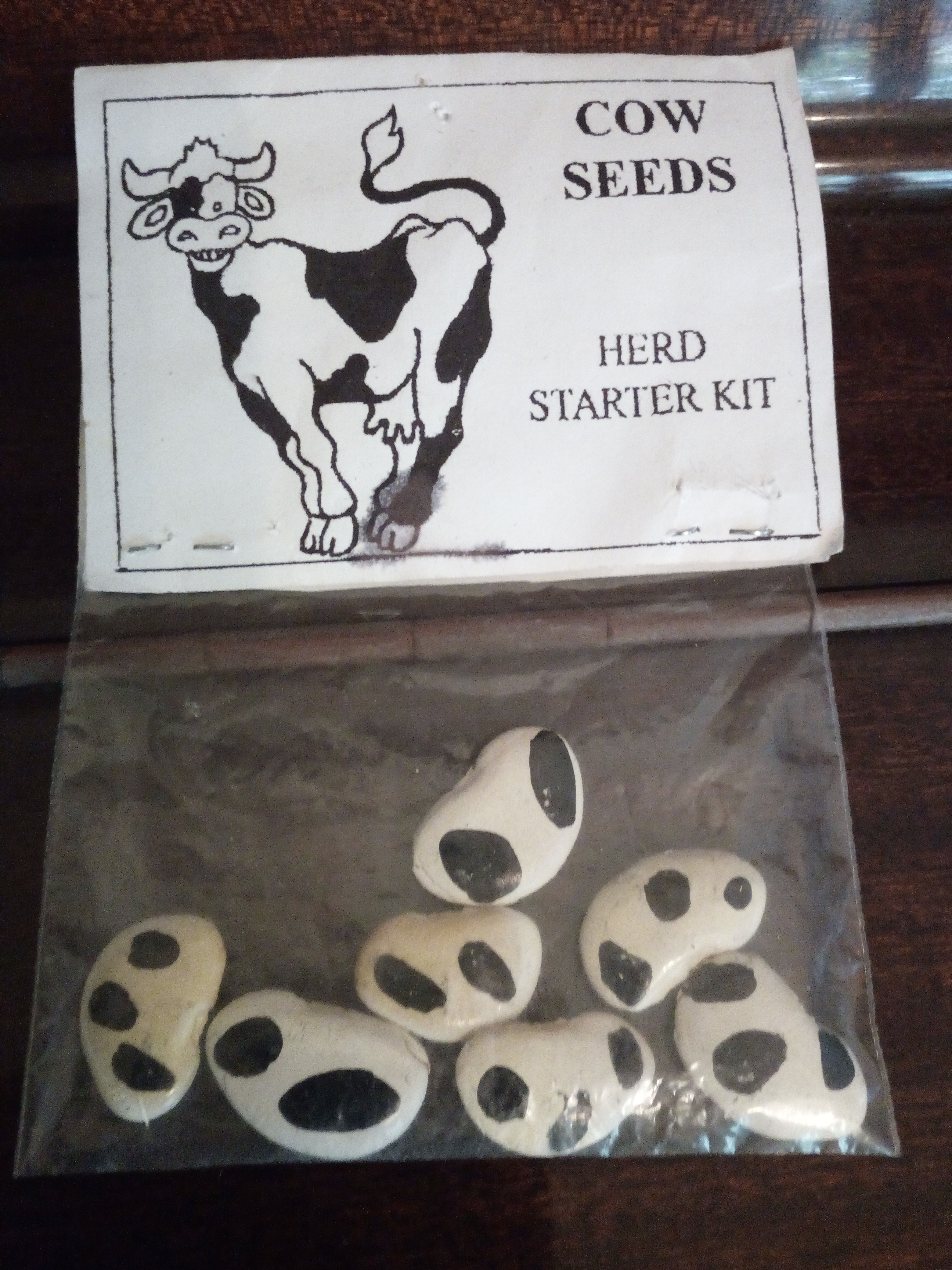
Grow-a-Cow


IMG_20180324_223228
Kookaburra wizard