Night Walk in Covid-19

Fairy trees © image Dot Bernet 2019

“Hands up all the blog writers who wrote about their experiences of living through Covid-19 and its aftermath. Okay, I will join your ranks and become one of those adding something to world history with a personal experience; of course the names have been changed to protect the innocent.”

During the time of the worldwide Covid-19 pandemic, Angela and her daughter Jenny decided they would go for a walk every evening. Just a short one around a block or two, maybe across the park to upset the plovers in the damp grass, then home again. A walk was especially invigorating during the colder months of August in Brisbane. It got them out of the house, away from the air-con heating, into the refreshing chill of the cool night air. They donned jackets and beanies and shoved gloves in their pockets just in case of light rain. The suburban streets were deserted yet the night was infused with noise, the dull murmur of a distant highway, the sound of birds settling in to roost, a possum scuttling across a rooftop, the whoosh-whoop of fruit bat wings as they scoped out a mulberry tree or date palm and then crash-landed into the foliage. Owls were heard but never seen, unlike car drivers who appeared to have lost all concept of care and responsibility, arbitrarily speeding through red traffic lights because the streets were empty. However, while joggers, scooters, dog owners and their canines were tucked up in front of their preferred screens, a full moon would rise and cats would prowl under its glow. It was not unusual for a feline to stroll across the street to check out the two interlopers, then perhaps allowing Angela the occasional stroke of neck fur or chin scratch. These nightly walks offered the duo some unusual sights, the least of which was the activity of a darkened 4WD vehicle continually cruising up and down various back streets. Were they lost, were they scoping out burglary opportunities, or is that impugning a parent teaching their teenager to drive?
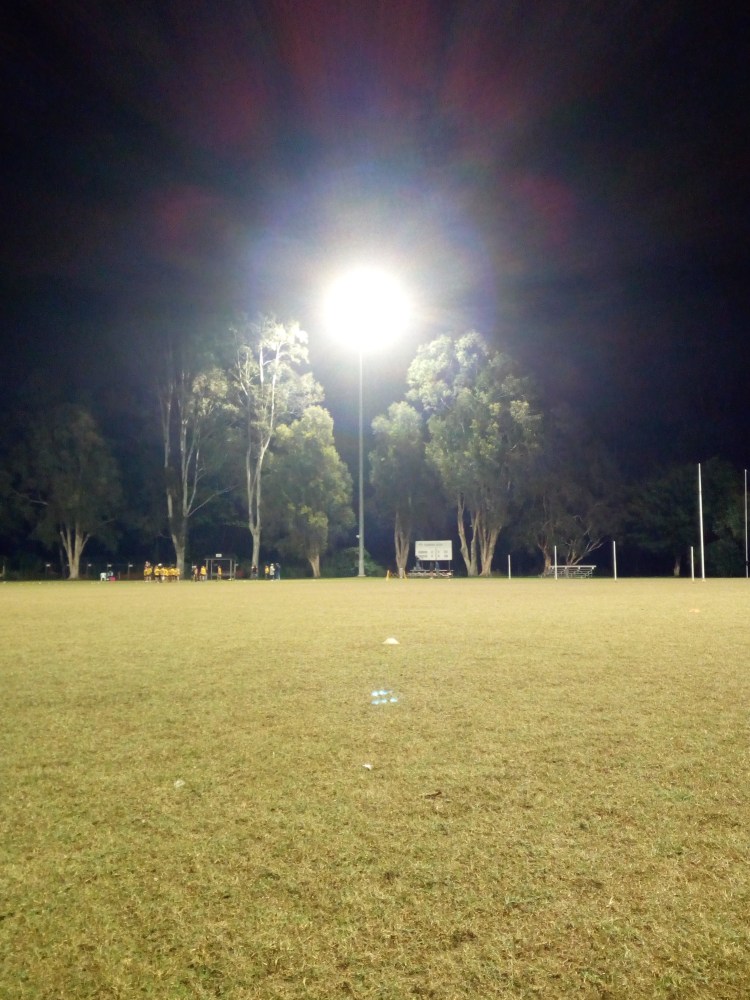
Footy training cancelled © image Dot Bernet 2019

Many homes had their living room curtains open so it was easy to see their televisions, replaying the gloomy news over and over again as the fatality statistics grew more and more alarming each night. Often cooking smells hung in the air or the tang of eucalypt competing with the pall of grey smoke left over from backyard firepits, an ill-advised council initiative. Angela was glad her face mask filtered the worst of it. One night they took a different route and Jenny was chastised for impulsively, recklessly walking down the middle of a major suburban road just because she could. Not a delivery van, ambulance or person in sight, only rows and rows of parked cars and houses with twinkling fairy lights strung around trees and across balconies and down driveways. They saw unloved little street libraries, a ghost bus lit up but without passengers, and even a large picture frame hanging high up a jacaranda tree. There was a trend among real estate agents to put either cheery red bows or teddy bears on their For Sale signs. Unfortunately the follow-up maintenance was non-existent so, after rain, ribbons of blood-red dye ran down the advertisements and the poor teddy bears were soaked, left to dangle in macabre poses of decomposition. Indirectly a gloomy statement of that period in history. It always felt nice to return home.

❤ © Gretchen Bernet-Ward 2024
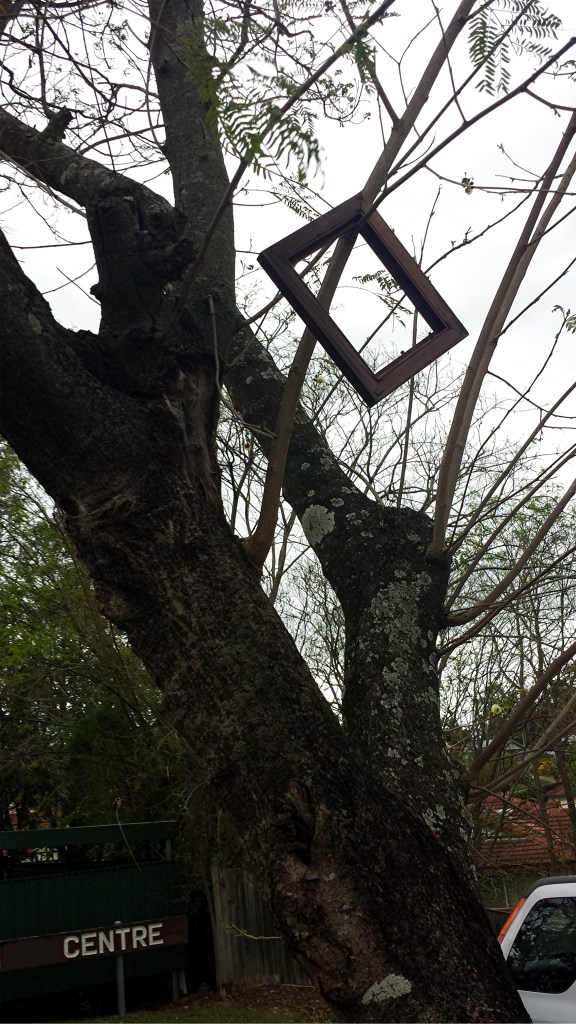
Why? © image Dot Bernet 2019

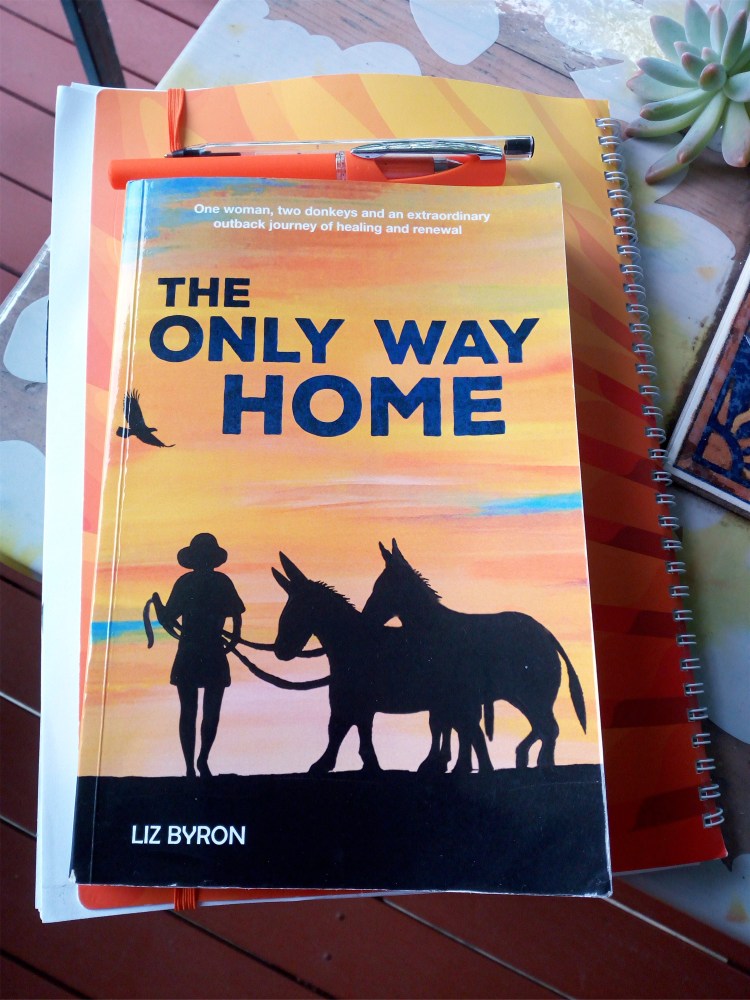
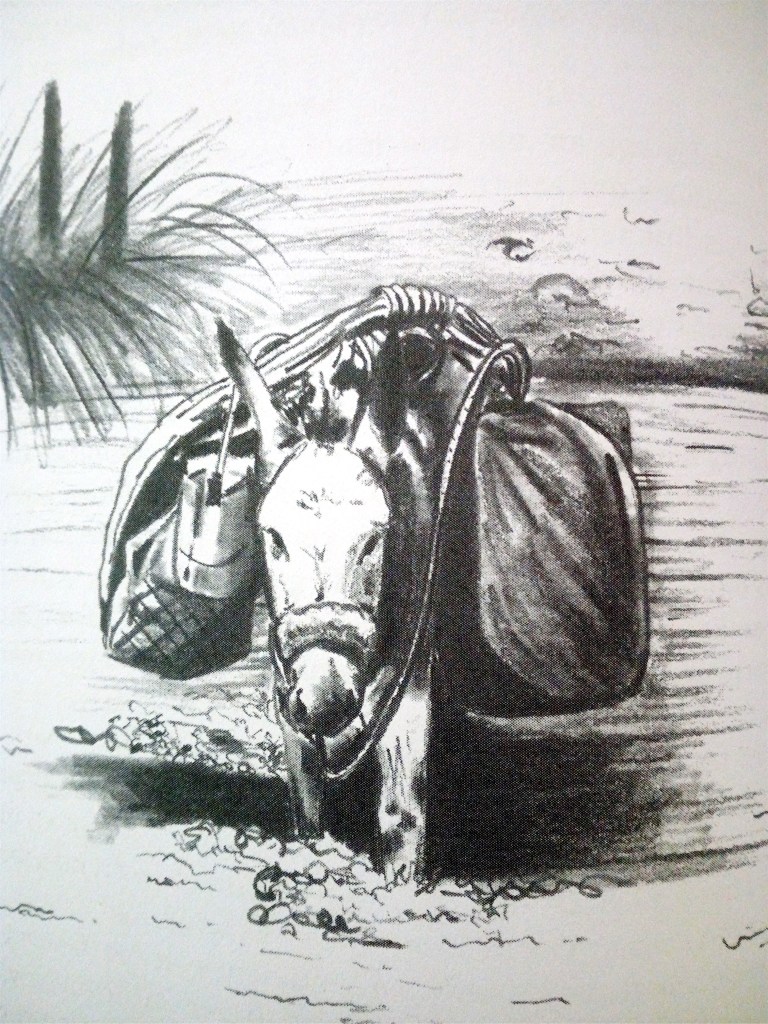
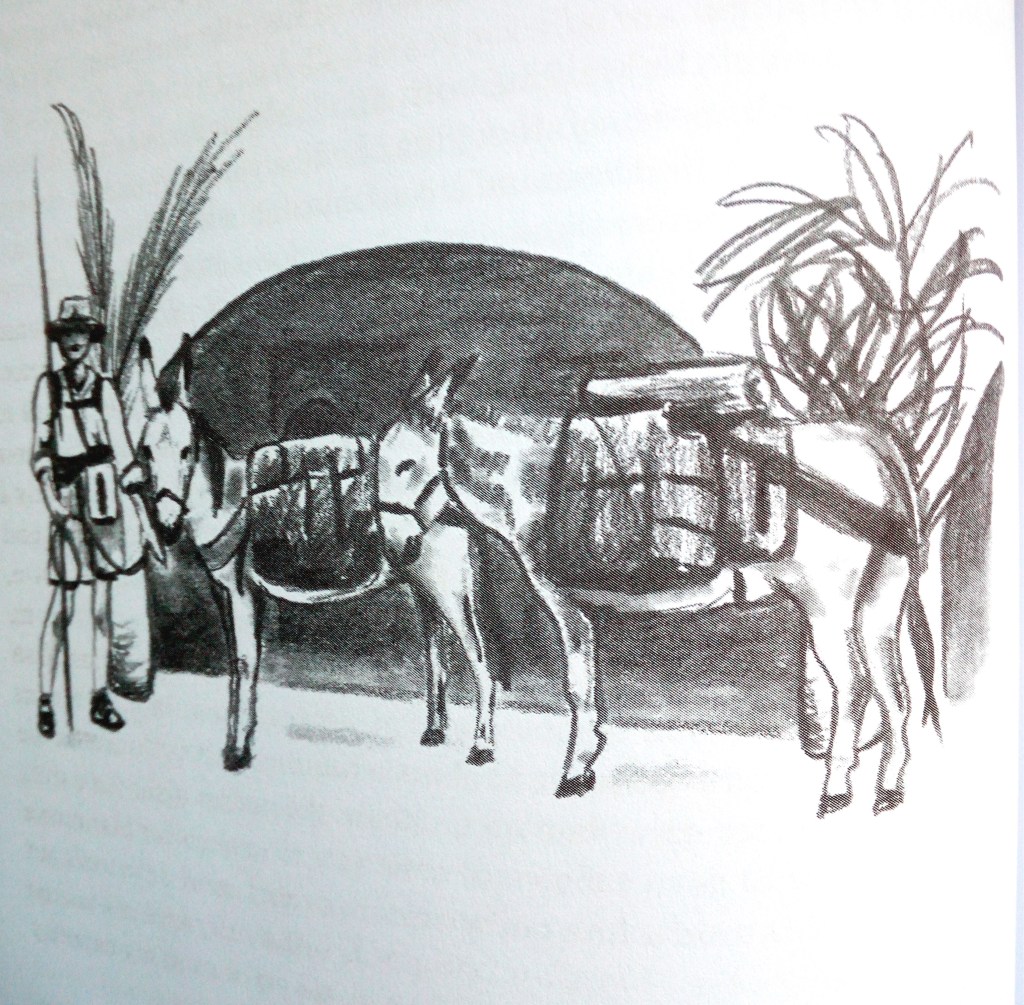
Donkey Trekking Tips ‘The Only Way Home’ Liz Byron

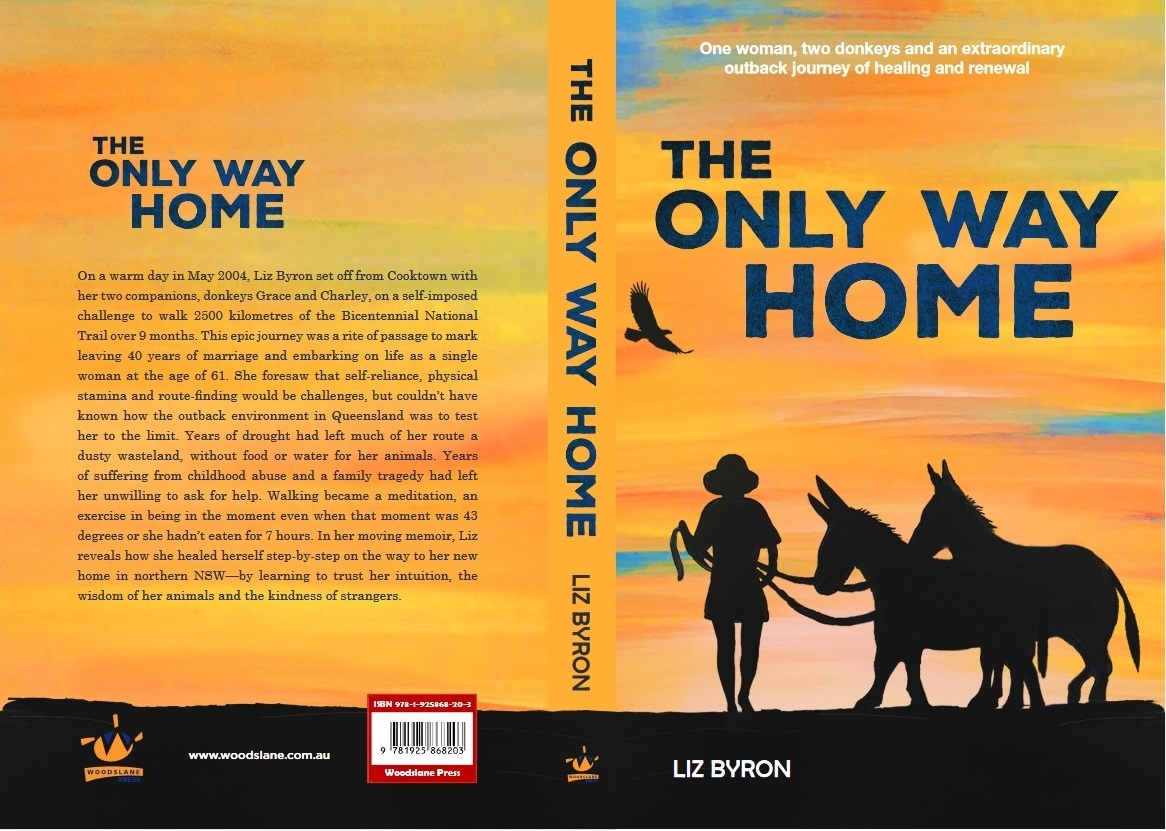
In her memoir ‘The Only Way Home’ and YouTube video (see below) Liz Byron explains what it meant leaving her roller-coaster marriage, career, family dinners, large library and a comfortable, charming home to trek 2,500 kilometres through rural Queensland on the rugged Bicentennial National Trail.

Liz, mother and semi-retired sociolegal researcher, writes from her New South Wales Northern Rivers home.  Her writing is confronting and visceral in its honesty.

Each step on this radical journey of self-discovery helped Liz make sense of grief and trauma, including the tragic loss of one of her four children.  Liz’s fierce independence was confronted daily as she tackled details of equipment, food supply, lack of drinking water, thorny grass seeds and the hilarious will of her two devoted donkeys Grace and Charley.

PHOTOGRAPH COURTESY OF AUTHOR

EXCERPTS FROM LIZ BYRON INTERVIEW

What advice would you give to someone wanting to do a long distance trek?

LIZ : From the various facets involved in a long-distance trek, consider where you might lack experience and spend time acquiring the experience you need. From thirty years of overnight bushwalking, I was experienced at living outdoors, packing light, negotiating difficult terrain and camping, cooking in all weathers. However, I had no experience with large animals and allowed myself four years to get to know my donkeys, learn how to handle them on the road and have them face as many scary situations as I could predict might arise.

What was your most essential piece of equipment?

LIZ : My hoof pick. Everything about trekking depends upon the donkeys’ feet.

You talk about having to learn about adjusting your standards of what to expect, how did the BNT trek compare to what you expected?

LIZ : Adjusting my standards was more about adjusting my expectations of other people and myself. A strong theme in the book is that – because of all my outdoor experience – physical challenges were easily overcome. It was almost as if surviving physically demanding situations was no longer part of the lessons I needed to learn. The challenges were much more about relating to people from whom I needed help – because of the extremely dry conditions and NEVER part of my trek plan – so accepting my limitations, and theirs, changed my standards of what to expect in all sorts of social situations.

What was the most important thing that working with donkeys taught you about yourself?

LIZ : Accepting the way things are, like donkeys do, is far healthier, for both mind and body, than getting lost in thoughts about how things should be.

Several years have passed since you walked the Bicentennial National Trail, have the lessons you learned endured?

LIZ : Yes. Because lessons learned from experience, in other words, from our mistakes, naturally endure.

Thank you, Liz, I enjoyed reading ‘The Only Way Home’. Your unique memoir shows strength of purpose and insights into your remarkable journey.

Gretchen Bernet-Ward 2021

WOLLONGONG CITY LIBRARIES – YOUTUBE

MY BOOK REVIEW HERE

THE ONLY WAY HOME


PURCHASE BOOK HERE

Liz Byron ‘The Only Way Home’ Book Review

A memoir of singularity of purpose and a deep determination to overcome all obstacles.  Liz Byron challenges herself in every way, mentally, physically and spiritually to start afresh by walking the rugged Bicentennial National Trail towards a new, independent life.  The BNT on the Great Dividing Range on the east coast of Australia has some of the most unforgiving landscapes in the world.  Her companions on this journey are two donkeys with the wisdom of ages and Liz’s symbol, the wild watchful wedge-tail eagles.

‘The Only Way Home’ is an intimate memoir with a heartbreaking look into family life, the pain Liz suffers and the repercussions for those involved.  It also captures the freedom of walking through wide-ranging bushland, fording rivers, and making camp with two charming character-filled donkeys Grace and Charley.

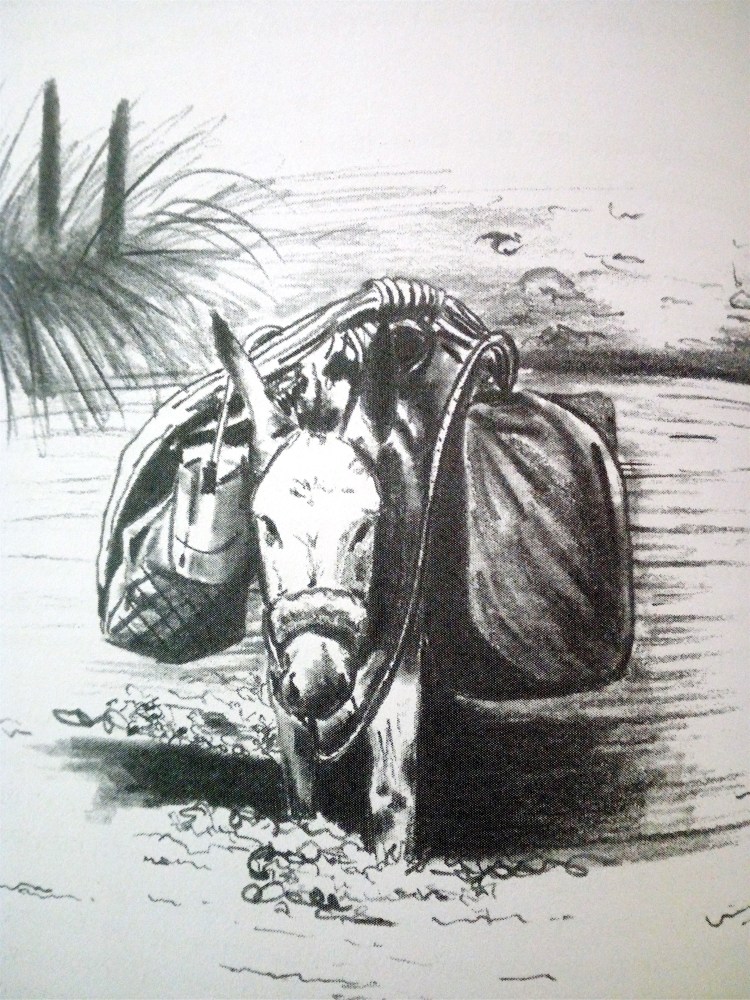
Liz had previously done a lot of bushwalking but without encountering such a harsh and challenging environment. Taking the extremes of drought country in their stride, her donkeys are clever and observant, and prove they can be stubborn for good reason.  Humans just have to work out what those reasons are! Liz shows love and respect for her companions, their hardiness and their intuition. Grace and Charley each carried a load, packed and balanced, and it was amusing how they behaved when released to graze.

Interspersed with walking the Queensland section of the BNT, a trail originally intended for horses, Liz writes candidly about her fractured marriage, the love of her children and losing a child, the trauma of her own childhood and soothing meditation. A mixture of grief, courage and sheer willpower drives her forward as she launches herself into a second life in one of the most demanding ways imaginable. 

Admittedly I am not an adept hiker but some of the trials and tribulations Liz encountered would have had me stumbling to the nearest township, flagging down a four-wheel drive and heading back to Brisbane.  At one stage the soles of Liz’s hiking boots came adrift, not to mention needle-thin grass seeds digging into her skin.  Sometimes the track was marked and sometimes it was not; they traversed barren sections, steep topography, waist high grass, slippery rocks and rested at the occasional restorative oasis.

Along the way, Liz kept a journal rather than taking photographs and if she stopped for the night in solid accommodation in lieu of pitching a tent, all she needed was a table and chair to update her journal.  Liz often met farmers, cattlemen, country people, who were informative and willing to help with advice on the terrain ahead, plus an overnight paddock for her two stalwart pals.

Memorable lines from Liz ‘Folks in rural, remote, drought-stricken Queensland understood only too well the interdependent nature of being human.  I, on the other hand, was trying to resolve an inherent dichotomy: seeking my independence as a woman at the same time as being a homeless wanderer heavily reliant on cattle station people’ – Liz is a vegetarian and food was a source of uneasiness, both getting and eating, and fresh produce was always a joy – ‘My commitment to receive help graciously was Step One.’   

Charlie, the archetypal Australian bushman said ‘Don’t be tempted to leave the roadway. The country is the same in every direction. Getting lost around here is a lot easier than getting found.’

‘The Only Way Home’

I liked the way the chapters and timeline were introduced.  Backstory arrives at pertinent intervals with sections of Liz’s life before, during and after she walks the Bicentennial National Trail.  Through Liz’s retelling more shocking revelations emerge, putting her quest in sharper focus.

Just reading, without travelling alone for 2,500 kilometres with two Equus asinus companions, this memoir invoked many emotions in me. From an embattled marriage to conquering those kilometres, Liz shares the insights gained on her path to independence and healing.

Gretchen Bernet-Ward


ISBN: 9781925868203
Format: Paperback
Number of Pages: 257
Published: 24 Feb 2020
Publisher: Woodslane Pty Limited NSW

In her introduction, Liz Byron says ‘It was 2006, when I had been writing academic material for 20 years, before I decided to try writing my story. I had five lecture pads full of journal notes about the 2,500 kilometre trek I’d recently completed with my two donkeys. This seemed like a good place to start.  And so I did. I wrote on and off for nearly fifteen years before feeling as if I understood myself and my life well enough to explain why I had done the trek.’ My thanks to Liz Byron for a review copy, the book is available on her website here.

LIZ BYRON Q&A INTERVIEW HERE

The Bicentennial National Trail - Australia
The Bicentennial National Trail (BNT) originally known as the National Horse Trail, is one of the longest multi-use, non-motorised, self-reliant trails in the world, stretching 5,330 kilometres from Cooktown, Queensland, through New South Wales and the Australian Capital Territory to Healesville, 60 km north-east of Melbourne, Victoria. This trail runs the length of the rugged Great Dividing Range through national parks, private property and alongside wilderness areas. The BNT follows old coach roads, stock routes, brumby tracks, rivers, fire trails and was originally intended for horses.  The Trail would take most of one year to walk.

Review ‘In My Father’s House’ by Indrani Ganguly

IMG_20200110_124943

When I first picked up Indrani Ganguly’s memoir-style book, I dipped into a couple of stories.  It soon became apparent the pages contained a thoughtful mixture of poetry, artwork, travellers’ tales, photographs and fiction stories in a layout designed to gently lead the reader though Indrani’s world.

Chapters are grouped under different headings, the kind of book which anyone can read and everyone will find something that touches them.

The content captivated me with a mix of fact, fantasy and deep emotions initially triggered by Indrani’s return visit to her father’s house and her old room which had been left untouched since she moved out.  This is where her thoughts begin to unfold, first with artwork and poems then a retrospective short story about her family titled ‘Menagerie Manor’.

Jewellery Gold 04As luck would have it, being a fan of crime novels, the first short story I read was ‘A Candle for Bob Carter’ in which plain-clothed Chief Inspector Bob Carter is on jewel-guarding duty at a swanky fancy dress Christmas party during a hot Australian summer.  ‘We’ll turn the air-conditioning up dear,” says Leila as the sound system booms the obligatory yet incongruous ‘I’m Dreaming of a White Christmas’.  Such a fun twist at the end.

Indian Goddess Maa Durga Devi 03Under the tribute heading Women Worldwide, I read in awe as determined elderly ladies went ‘Walking in the Land of the Gods’.  Later I laughed out loud after reading ‘Durga Down Under’ a rather irreverent look at Durga, the Supreme Hindu Mother Goddess.  The accompanying poems resonated with me, particularly ‘A Woman’s Solitude’ a brief respite before a hectic day.  Under the title Travel Tales, Indrani writes with clarity and insight, transporting me to spectacular locations around the world.  My favourite is Shimla in the Himalayas which also has a lovely photo of Indrani and her daughter Gitanjali on rugged little ponies.

In this deceptively compact hardback volume there is a lot to read and think about.  ‘In My Father’s House’ is more than a treasury of family memories, Indrani’s words entertained and enlightened me.  She is in tune with diverse levels of society and human nature as well as comfortable within herself and her writing.

IMG_20190805_153244In her foreword, Indrani says ‘I continue to look both backwards and forwards for ideas and inspiration’.  I have already read and blogged her historical novel ‘The Rose and The Thorn’ and look forward to more literary adventures.
Gretchen Bernet-Ward


AUTHOR PROFILE

IMG_20191122_183130Indrani Ganguly was born into a Bengali family in Lucknow and now lives in Brisbane with her husband, son and daughter.  She travels extensively around Australia, India and other countries.
She studied English Honours in Lady Shri Ram College, Delhi University, has a masters in Sociology from Jawaharlal Nehru University, and a PhD on the impact of British occupation on revolution and reform in Burdwan, now in West Bengal.

‘In My Father’s House’ was published 2015 by Unique Publications Delhi, and her novel ‘The Rose and The Thorn’ was published 2019 by Boolarong Press Brisbane.
Indrani’s website: https://indraniganguly139.wordpress.com/blog/

Reflections on WAM Writers’ Festival

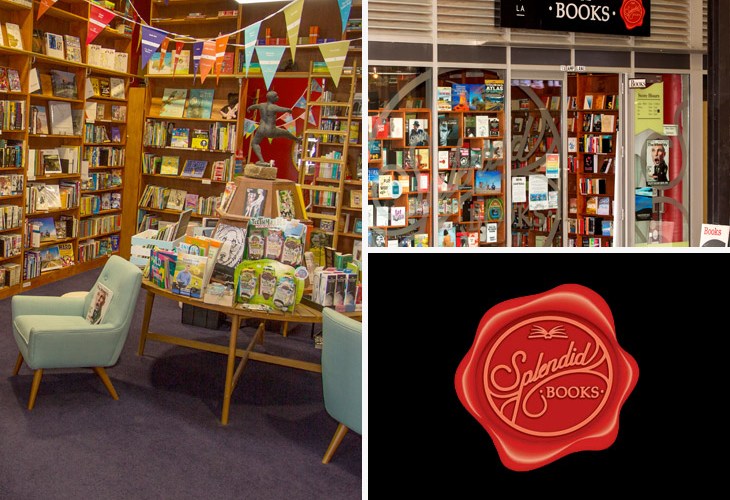
An enlightening literary look at events on the Victorian/New South Wales border; interesting books and even more interesting authors, and a bookshop with the perfect name.

Assassin and the Actress ‘Reckoning: A Memoir’

A highly charged and deeply honest memoir, ‘Reckoning’ combines research into the life of assassin and Polish World War II survivor Zbigniew Szubanski , father of Australian actress Magda Szubanski, and Magda herself as she struggles to come to terms with her father’s legacy and forge her own career within the world of television and movies.  This absorbing, eloquently written book contains remarkable revelations of wartime espionage, emotional family ties and facing the truth, and I was enthralled to the very last page.

First published in 2016, ‘Reckoning’ is Magda’s debut novel, and courageously written.  I must admit my initial thoughts were ‘Wow, she’s brave putting that in writing’ but it made me love this book even more.  Definitely a five-star read!  Magda relates one of those true stories from childhood to adulthood which hits the right cord with just about everyone.  We’ve had similar feelings and domestic issues and career changes and sexuality debates and, yes, sadly, the father we got to understand a little too late.

‘Reckoning’ has gone on to bigger things but here’s the first results:
Winner Nielsen BookData Booksellers Choice Award, 2016
Winner Book of the Year, Australian Book Industry Awards, 2016
Winner Biography of the Year, Australian Book Industry Awards, 2016
Winner Douglas Stewart Prize for Non-Fiction, NSW Premier’s Literary Awards, 2016
Winner Indie Award for Non-Fiction, 2016
Winner Victorian Community History Award Judges’ Special Prize, 2016
Shortlisted Matt Richell Award for New Writer of the Year, Australian Book Industry Awards, 2016
Shortlisted Dobbie Literary Award, 2016
Shortlisted National Biography Award, 2016

Website https://www.textpublishing.com.au/books/reckoning
Twitter https://twitter.com/magdaszubanski

ABOUT THE AUTHOR
Magda Szubanski is one of Australia’s best known comedy performers.  She lives in Melbourne and began her career in university revues before writing and appearing in a number of comedy shows.  Magda created the iconic character of Sharon Strzelecki in ABC-TV series ‘Kath and Kim’.  She performs in theatre productions and has acted in movies – notably ‘Babe’ and ‘Babe Pig in the City’ – and currently ‘Three Summers’ directed by Ben Elton and ‘The BBQ’ directed by Stephen Amis.

Gretchen Bernet-Ward