Night Walk in Covid-19

“Hands up all the blog writers who wrote about their experiences of living through Covid-19 and its aftermath. Okay, I will join your ranks and become one of those adding something to world history with a personal experience; of course the names have been changed to protect the innocent.”
During the time of the worldwide Covid-19 pandemic, Angela and her daughter Jenny decided they would go for a walk every evening. Just a short one around a block or two, maybe across the park to upset the plovers in the damp grass, then home again. A walk was especially invigorating during the colder months of August in Brisbane. It got them out of the house, away from the air-con heating, into the refreshing chill of the cool night air. They donned jackets and beanies and shoved gloves in their pockets just in case of light rain. The suburban streets were deserted yet the night was infused with noise, the dull murmur of a distant highway, the sound of birds settling in to roost, a possum scuttling across a rooftop, the whoosh-whoop of fruit bat wings as they scoped out a mulberry tree or date palm and then crash-landed into the foliage. Owls were heard but never seen, unlike car drivers who appeared to have lost all concept of care and responsibility, arbitrarily speeding through red traffic lights because the streets were empty. However, while joggers, scooters, dog owners and their canines were tucked up in front of their preferred screens, a full moon would rise and cats would prowl under its glow. It was not unusual for a feline to stroll across the street to check out the two interlopers, then perhaps allowing Angela the occasional stroke of neck fur or chin scratch. These nightly walks offered the duo some unusual sights, the least of which was the activity of a darkened 4WD vehicle continually cruising up and down various back streets. Were they lost, were they scoping out burglary opportunities, or is that impugning a parent teaching their teenager to drive?
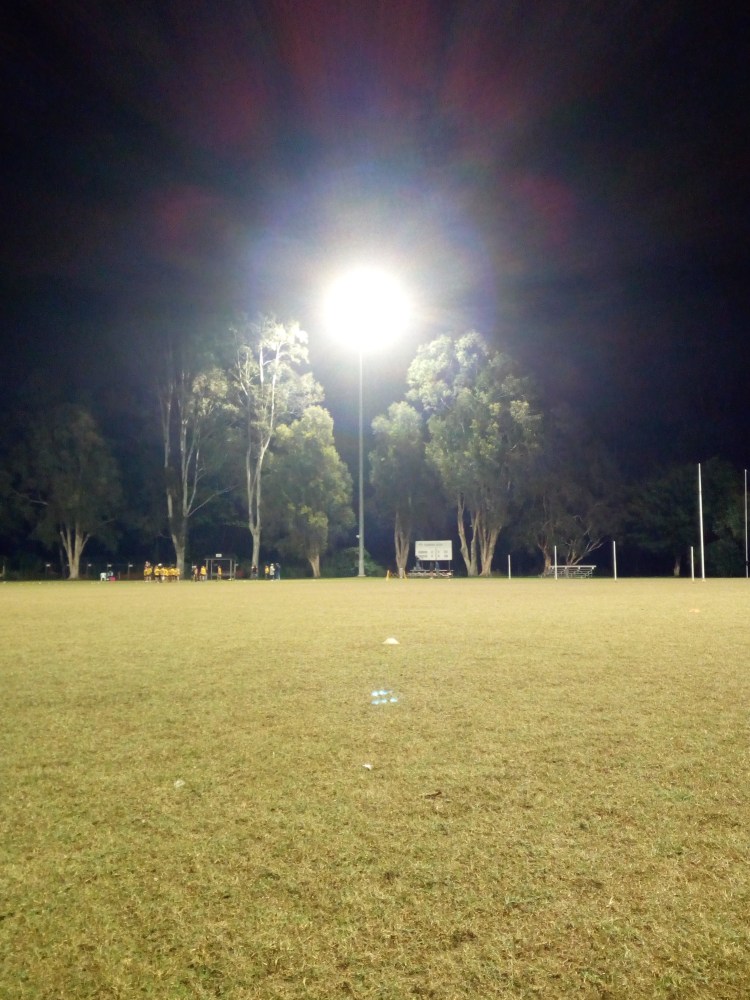
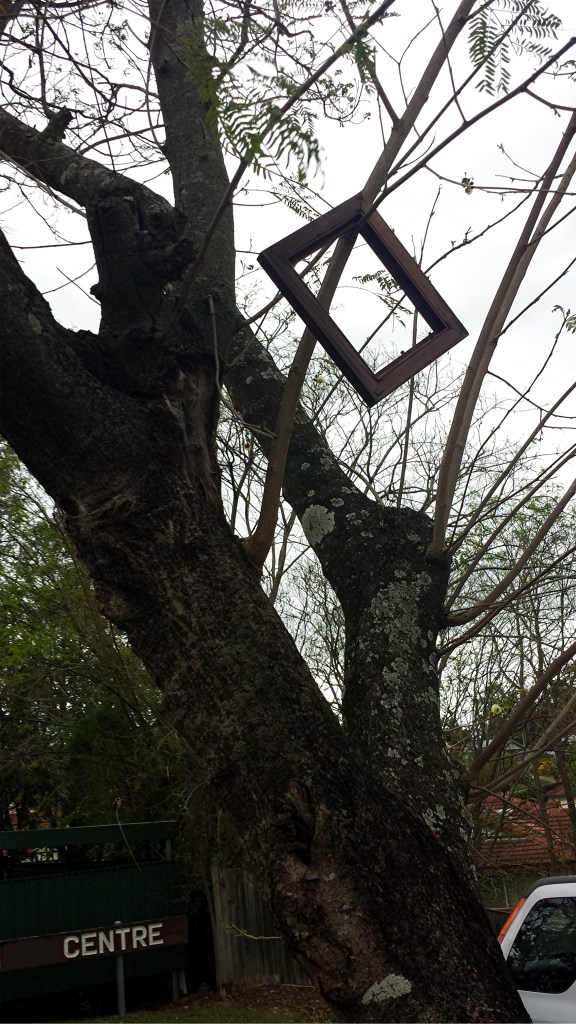
Many homes had their living room curtains open so it was easy to see their televisions, replaying the gloomy news over and over again as the fatality statistics grew more and more alarming each night. Often cooking smells hung in the air or the tang of eucalypt competing with the pall of grey smoke left over from backyard firepits, an ill-advised council initiative. Angela was glad her face mask filtered the worst of it. One night they took a different route and Jenny was chastised for impulsively, recklessly walking down the middle of a major suburban road just because she could. Not a delivery van, ambulance or person in sight, only rows and rows of parked cars and houses with twinkling fairy lights strung around trees and across balconies and down driveways. They saw unloved little street libraries, a ghost bus lit up but without passengers, and even a large picture frame hanging high up a jacaranda tree. There was a trend among real estate agents to put either cheery red bows or teddy bears on their For Sale signs. Unfortunately the follow-up maintenance was non-existent so, after rain, ribbons of blood-red dye ran down the advertisements and the poor teddy bears were soaked, left to dangle in macabre poses of decomposition. Indirectly a gloomy statement of that period in history. It always felt nice to return home.
❤ © Gretchen Bernet-Ward 2024
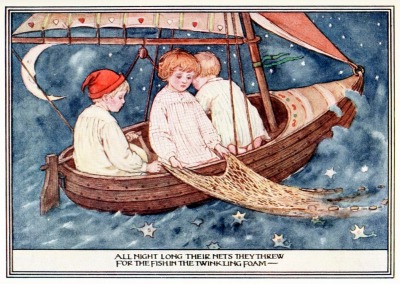


 Maxfield Parrish and other artists illustrated his earlier books, and artwork changed to reflect 20th century styles over the years while the eponymous characters remained constant.
 Thoughts Become Words