Hand Writing Battles Electronic Devices
You write a note, you play a note, you spend a fifty dollar note, you note the car registration, you notice a lot of things when you take note of them, like a friend’s new dress, your mate’s new haircut or that yapping dog nextdoor. Politicians and criminals are notorious and actors want to be noteworthy. People say “I will make a note of that” and in the 21st century this means on paper, in a diary or various devices with a keyboard, keypad, screen or verbally to an electronic entity.
The word Note has a lot of explanations, e.g. to observe, to bear in mind, a brief record of points or ideas, to write down as a memory aid or prompt and underscore a special event. I guess the word note has been abbreviated from notation or possibly elaborated since note originally comes from Latin nota, meaning to mark, sign, remark.
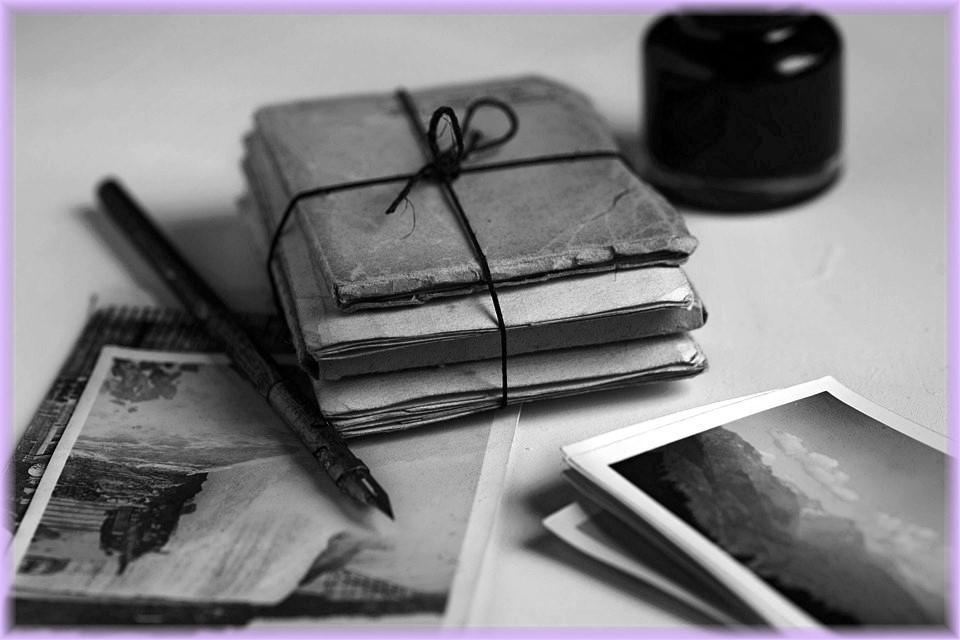
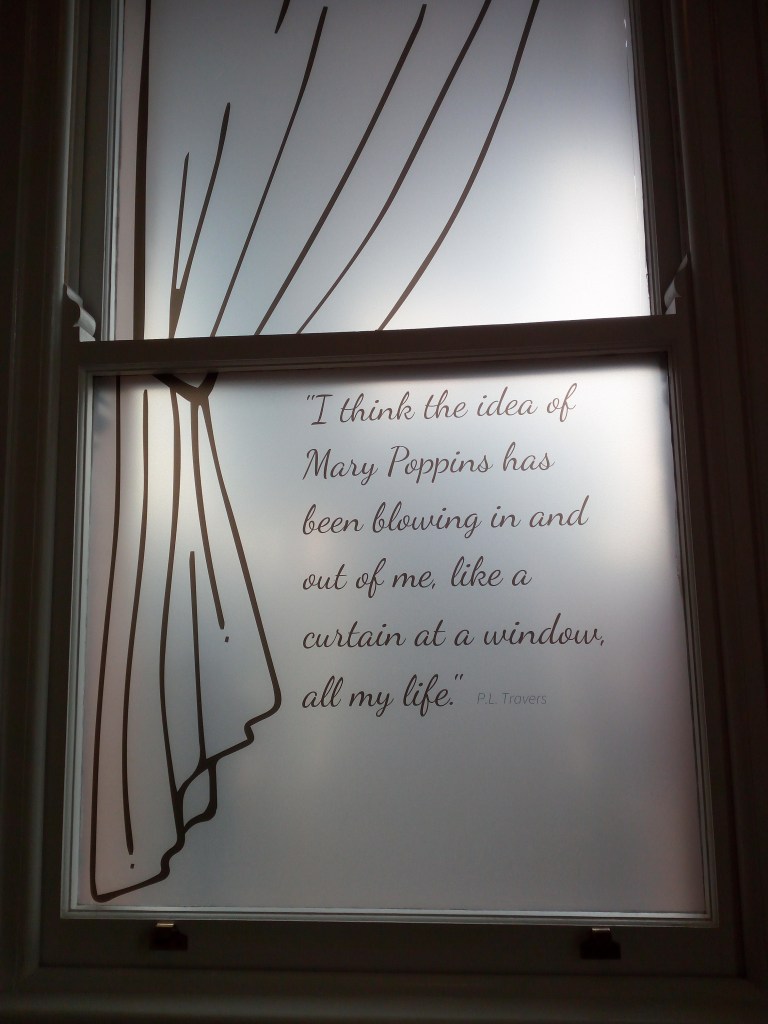

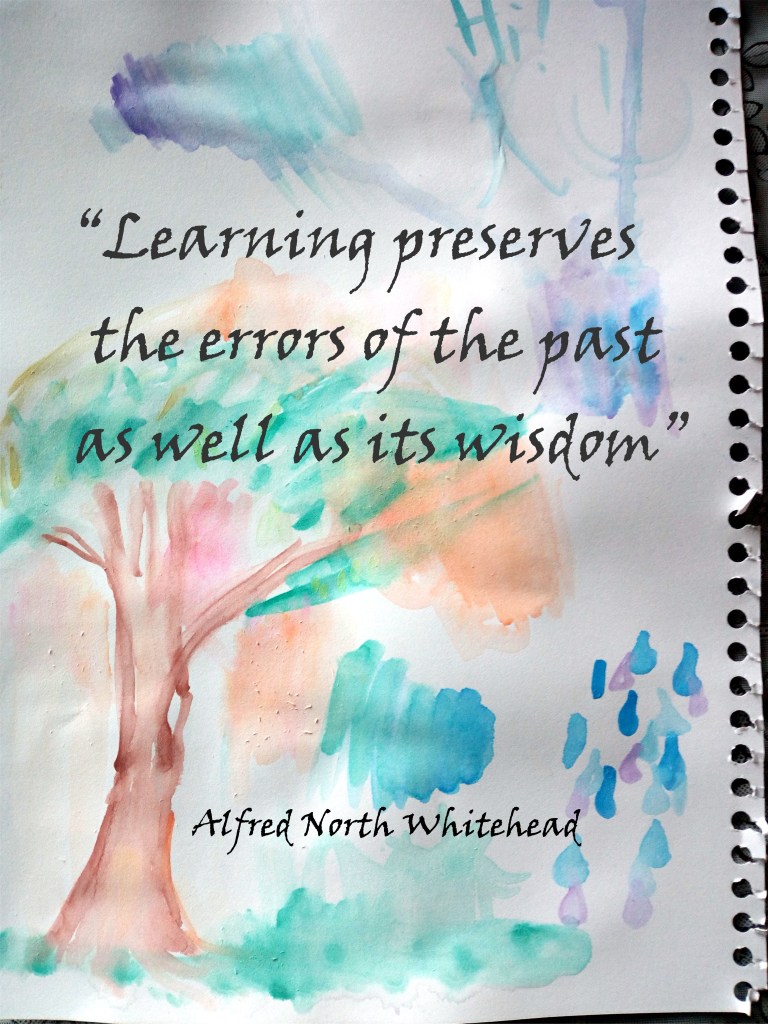
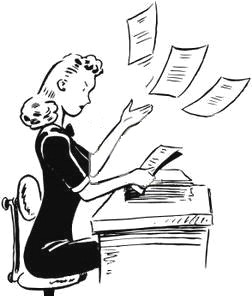
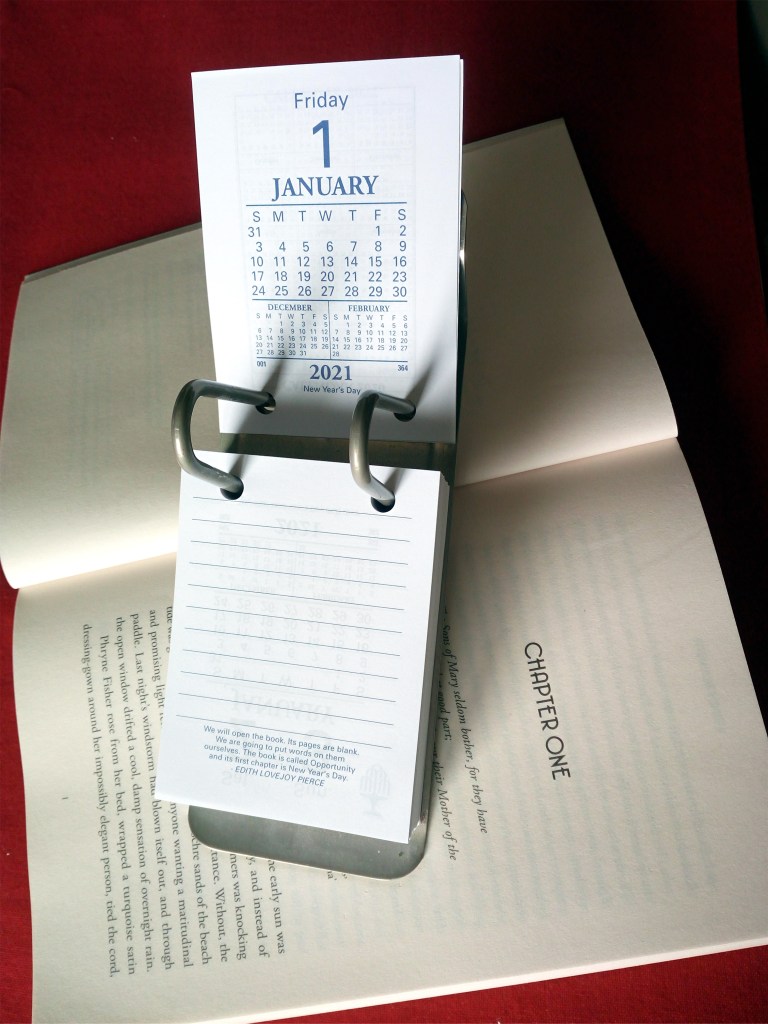
Many years ago I had an overseas penpal but don’t recall our youthful correspondence. I still handwrite to a friend living interstate. I remember passing secret notes in the classroom at a time when penmanship was a prize-winning skill. Believe it or not there are four primary methods of note-taking: lists, outlines, concept maps, and the Cornell method. No mention of a paper plane… Students can define which methods support their learning style and the academic teaching style, e.g. apply strategies to make note-taking more effective.
I learned Pitman Shorthand and loved ‘taking a letter’ and note-taking in special spiral-bound notebooks. Dictaphones came along and notes were transcribed. Generally by then notes were written on lined foolscap notepads (A4 size)—then of course clunky word processors and chunky computers took hold of the world. At home I write freehand/longhand notes in any old exercise book or on any old blank sheet of paper. Small ordinary scraps are great for quick notations and casual doodling. Write shopping lists on the back of shopping dockets (also envelopes if you still get real mail) and you can scrawl as fast and messy as you like. As with many things, paper does not respond well to water and needs to be kept high and dry. The same goes for an electronic device.
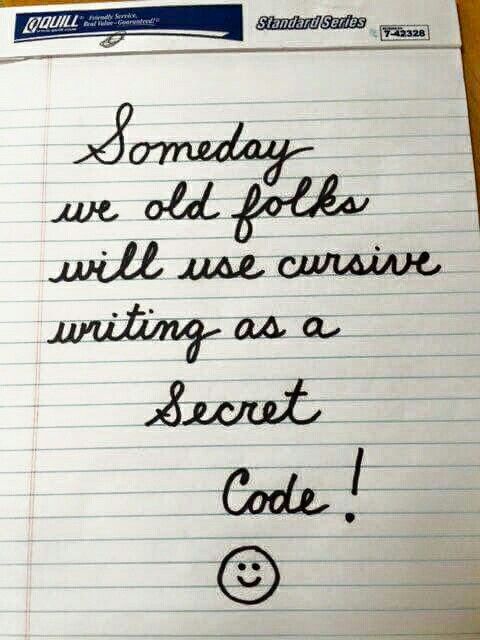
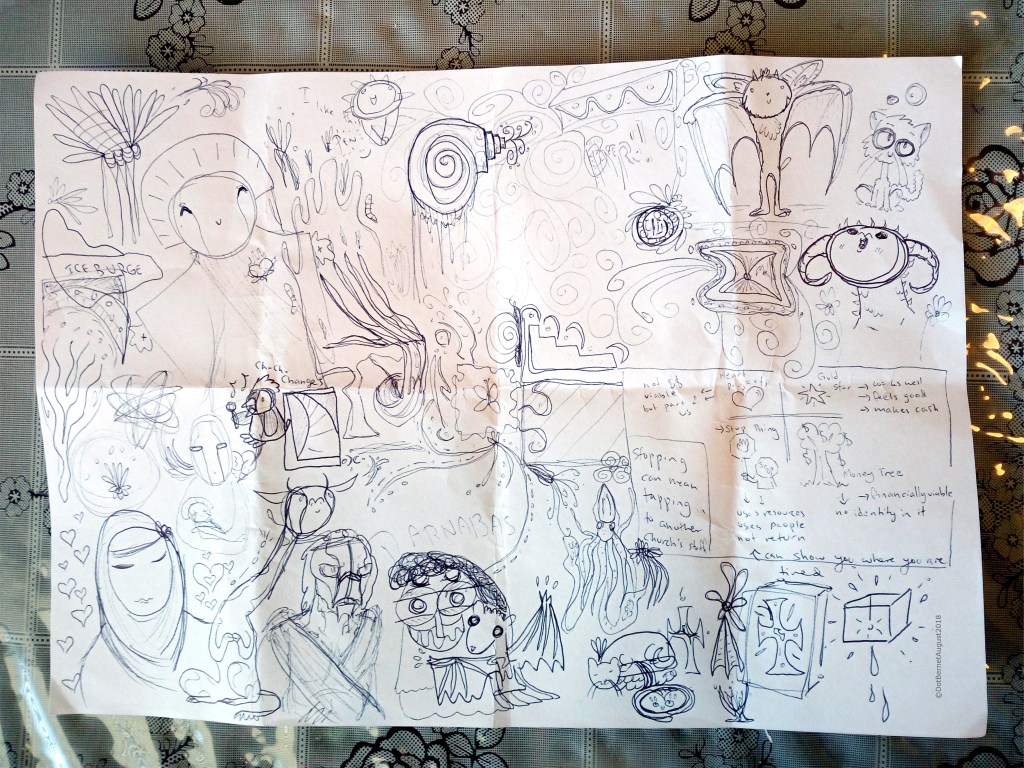

Ideas come from notes. The trouble with my taking of notes is the volume. I have succinct reminders scribbled on scrap paper on my desk, post-its on the fridge, book review drafts, diary appointments, reams of lecture notes in cardboard boxes, and manilla folders bulging with writing course work. My family and I specifically choose yearly wall calendars with big blank squares for our daily notations. Who needs an email prompt when it’s right there on the wall in nice neat numbered squares with the bonus of a lovely new image each month.
‘Yeah, yeah,’ I hear you say, ‘I can get that all in one place on my electronic device.’ But I say ‘That doesn’t have the same charming tactile feel as my pen to paper and the symbolic drawing of a love heart or wonky birthday cake.’ GBW.

Long live paper! Sorry trees, you are the only downfall. I guess with sustainable forestry and me always recycling, you come back in other forms. Let’s face it, I am a product of the 20th century. I have neat paper piles everywhere around me as I type this: books, bills, bunch-of-dates, receipts, invoices, diary, newspaper and a magazine. What’s not to love? Paperwork is a quiet companion. It does not talk back or get in your face with crude advertisements, and never continually updates its own pages. Best of all, a pen and ream of paper (500 sheets) does not need electricity, the internet or expensive repairs.
❤ Gretchen Bernet-Ward

 SEND: There’s pleasure in finding and choosing suitable postcards and stamps uniquely representative of your own location. Clever members can match a postcard to followers hobbies. It took a couple of weeks for the first postcard to hit my letterbox but I could start mailing out straight away.
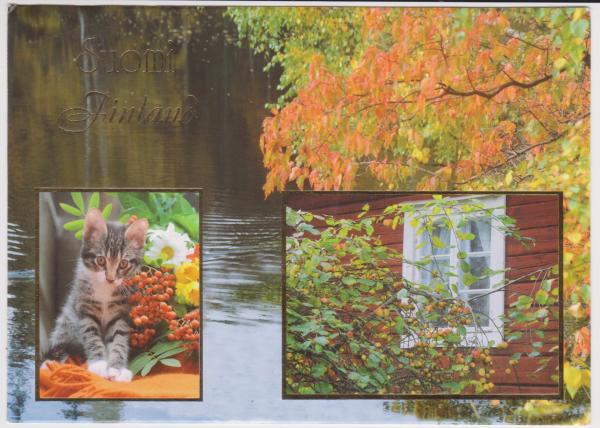 Right down to the different shapes of the stamps, and in some cases, distinctly long addresses, I was hooked on the fun.
 Postcrossing friendships are possible via their blog, forum and meet-ups. Due to work commitments, I closed my Postcrossing account and gave many of my postcards to a collector. I kept a few colourful ones to wistfully gaze at on a quiet day.
 Thoughts Become Words