‘Work-Life Balance is a Myth’ Review

Integrate by John Drury
Whole-of-life plan

Traditional work-life balance means separate compartments in our lives, but lines can become blurred, pressure can build and conflicts emerge.  Instead of working against each other, integration means all parts can work together to achieve a positive outcome for our lifestyle expectations.  Then realisation that your work-life balance is “out of kilter” will no longer apply.  I wish I had read this book before my divorce!

John Drury is a presenter, trainer, facilitator, and author of new book “Integrate” which challenges busy people to rethink their approach to life and work.  “The demands of work have never been greater.  A balancing act is not the answer.  Work-life integration is the only way forward in a 24/7 world” says Drury, whose painful personal experience with burnout, and subsequent recovery while in a senior leadership role, motivated him to start helping other high achievers create and maintain a realistic lifestyle.

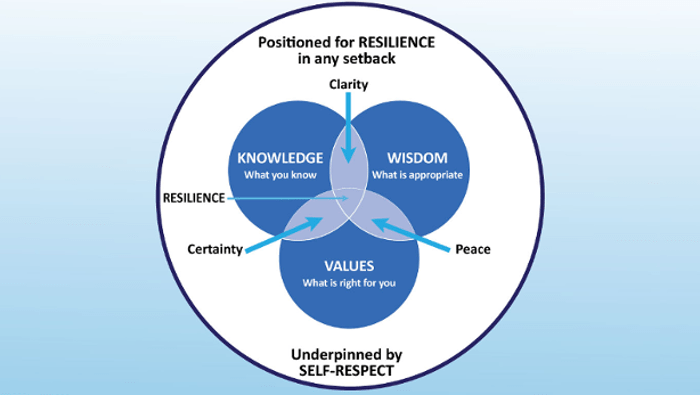
In his book, Drury outlines a way to align all the parts of your life so they work in unison.  He says “This takes effort, but it’s well worth it and the end result will give you a schedule far easier to work with than just a big juggling act which no-one ever seems to make work.”  He believes that you must look after yourself at your very core; respect your health, your wellness, your relationships and your work commitments.

In John Burfitt’s interview, Drury explains that self-care and implementing achievable self-management strategies are essential.  Drury goes on to say that once important areas are defined and outlined, it becomes a matter of making decisions and planning goals “And you must do that, as a goal without a plan is just a wish.”

Integrate by John Drury 02
Image is an edited extract from Chapter 3 of “Integrate: Why work-life balance is a myth and what you need to create a fulfilling lifestyle” by John Drury  John Drury.biz

Further reading: “Integrate” by John Drury

Gretchen Bernet-Ward

Why, Sue Grafton, Why?

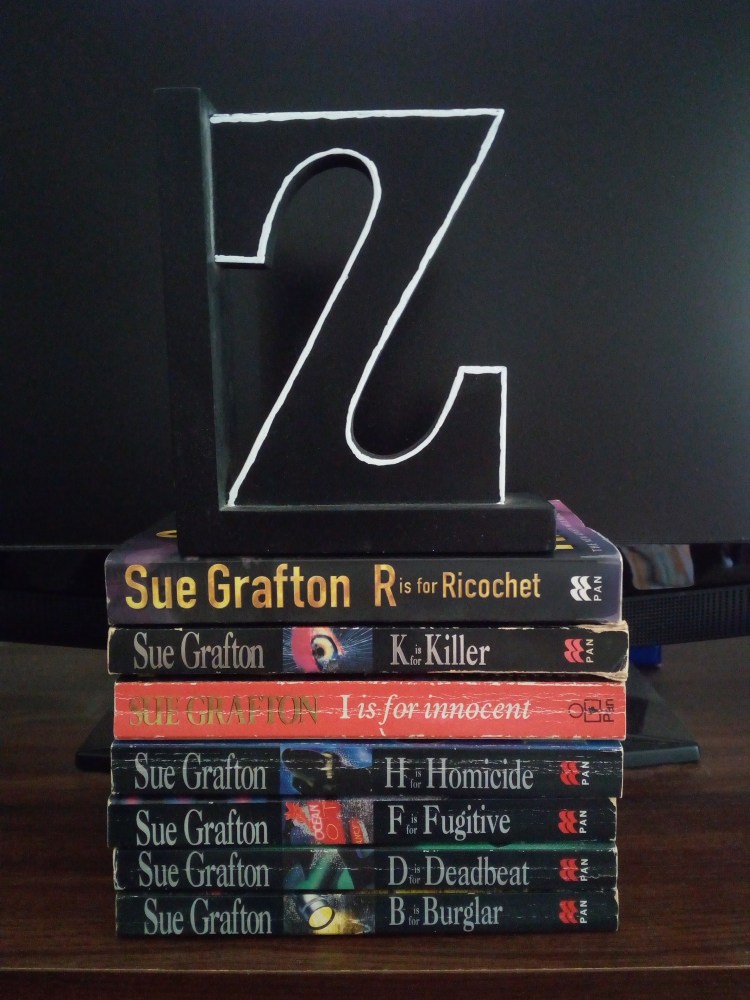
Sue Grafton Bookstack

American author Sue Grafton passed away in Santa Barbara on 28 December 2017 after a two-year battle with cancer.  On hearing the sad news, millions of readers, writers and fans must have screamed “Noooo” and fallen to the ground, arms raised to the sky, wailing “Why, Sue Grafton, why?”  Well, at least I did, and that’s no lie.

Famous for her 25-book Alphabet crime series, Sue Grafton’s last Kinsey Millhone book Z will remain unwritten.  To quote her family “The alphabet stops at Y” and this has been echoed around the world.

Sue Grafton brought me back into crime reading and showed me the joys of a good detective novel.  I was floundering in a bad ten years of my life where I’d lost my father and was struggling with the care of my ailing mother while battling my own ill-health when, quite out of the blue, I was given a second-hand paperback of Grafton’s book “K is for Killer”.

PI Kinsey Millhone walked into my life.  Grafton’s detective series listed below – “H is for Homicide”, “N is for Noose”, “V is for Vengeance” and so on – transported me into a place I understood, 1980s an era I knew, yet detailed the life of a woman in a job which was so foreign, so far removed from my own experiences that I was immediately entranced.  Or as my father would have said “Caught, hook, line and sinker.”

This fortuitous state of affairs meant I had many books to read before I was up-to-date with the current publications.  Here I would like to thank my cousin Laurie who willingly sent me several paperbacks to feed my addiction.  So I read one and moved straight onto the next, graduating from that first battered paperback to hardcovers and finally e-book editions.

The major characters are unchanging; Kinsey is a private detective in California who joined the police force then left to acquire her detective licence; landlord Henry Pitts is now forever in his kitchen; gregarious Rosie; love interest Cheney Phillips and Robert Dietz.  It was fascinating watching Kinsey evolve, if that’s the right word, because in all she only advanced a couple of years and is destined to remain immortalised in her thirties.

It seems Sue Grafton did not even draft a copy of her final book.  The old adage “Leave them wanting more” is true but not the case.  Her family is adamant that although Grafton had a working title (prophetically) “Zero”, there will be no final book, no ghost writer, no movie and no happy ending – just a blank space on the bookshelf.

My condolences to her family.  The final chapter has ended for Sue Grafton and Kinsey Millhone RIP.

Gretchen Bernet-Ward

Sue Grafton Alphabet Crime Series Featuring Kinsey Millhone

  1. A is for Alibi (1982)
  2. B Is for Burglar (1985)
  3. C Is for Corpse (1985)
  4. D Is for Deadbeat (1987)
  5. E Is for Evidence (1988)
  6. F Is for Fugitive (1989)
  7. G Is for Gumshoe (1989)
  8. H Is for Homicide (1991)
  9. I Is for Innocent (1992)
  10. J Is for Judgement (1993)
  11. K Is for Killer (1994)
  12. L Is for Lawless (1995)
  13. M Is for Malice (1996)
  14. N Is for Noose (1998)
  15. O Is for Outlaw (1999)
  16. P Is for Peril (2001)
  17. Q Is for Quarry (2002)
  18. R Is for Ricochet (2004)
  19. S Is for Silence (2005)
  20. T Is for Trespass (2007)
  21. U Is for Undertow (2009)
  22. V Is for Vengeance (2011)
  23. W is for Wasted (2013)
  24. X (2015)
  25. Y is for Yesterday (2017)

‘Kitty Peck Music Hall Murder Mysteries’ Kate Griffin Book Review

London winter 1880, Limehouse, and chorus girls are disappearing from music halls in Paradise, the criminal precinct run with ruthless efficiency by the ferocious and opium addicted Lady Ginger aka The Lady.

Kitty Peck and the Music Hall Murders
Published 2013
(First book in the Kitty Peck series)
A novel by Kate Griffin

Seventeen-year-old Kitty Peck, a seamstress at The Gaudy, is summoned by The Lady and blackmailed to perform a hair-raising act every night to uncover vital information about the missing girls.  Kitty is taunted by The Lady who withholds the truth about her family, particularly her beloved brother Joey.  Before long Kitty becomes the talk of London with her daring show and the plan begins to work.  Gradually she’s drawn into the world of high society ‘toffs’ and embroiled in depravity and murder.  With only her two friends Peggy and set painter Lucca for support, Kitty is shocked to find herself facing an adversary more horrifying than The Lady crime baron.

First of all, the pace and atmosphere is superb throughout the books.  Immediately I was right in the action and swept along on a very dark ride.  The characters evolve nicely and flesh out into interesting and tortured human beings who find themselves in rather bizarre circumstances.  They have subplots with much to hide, emotions seesaw as their personal history gradually unfolds.

There’s a heavy dose of Cockney slang which, due to an Anglophile father, I picked up quickly enough.  Some reveals are to be expected but one took me by surprise!  The novels have adult content.  However, don’t expect true romance.  It’s the Queen Victoria version of an action movie.  Grim, grimy, cold, damp London of the 19th century is a backdrop to dirty deeds done by black-hearted people and Kitty must keep her wits about her to survive.  The endings are cliff-hangers which lead into each book.

Kitty Peck and the Child of Ill-Fortune
Published 2015
(Second book in the Kitty Peck series)
A novel by Kate Griffin

Due to spoilers, I cannot reveal too much about Book Two or Three.  Certain text in the following review has been taken from the book blurb:

London’s East End, March 1881 and Kitty Peck, a spirited but vulnerable young woman, is the reluctant heiress to Paradise, the criminal empire previously overseen by the formidable Lady Ginger aka The Lady.  Kitty is now The Lady, with all that entails; servants, buildings, stock, music halls and vicious crime barons.  Far from the colour and camaraderie of the music hall where Kitty had been working, this newfound power brings isolation and uncertainty, and a disdainful lawyer Telferman.

Desperate to reconnect with Joey, her estranged brother, Kitty travels to Paris with Lucca.  She is unable to refuse the request of a handsome stranger to take a child back to London.  Within days of their return, it’s clear she has been followed by someone, and this someone is determined to kill the child and anyone who stands in their way…starting with Kitty.

There are mesmerizing and harrowing scenes throughout this book which serve to shape Kitty and her world.  More of the secondary characters emerge and betrayal rears its ugly head.  Tension builds as Kitty nears the deadline to meet the other Barons of London, merchants, jewellers, bankers, the controlling elite who are rotten to the core. Will they break her and destroy the Paradise she has inherited?

Kitty Peck and the Daughter of Sorrow
Published 2017
(Third book in the Kitty Peck series)
A novel by Kate Griffin

London, the hot summer of 1881, and the streets of Limehouse are thick with coal smoke and opium; and Kitty Peck is choking on the ever-present bitterness of evil.  At eighteen Kitty has inherited Paradise, she is The Lady of a sprawling criminal empire on the banks of the Thames.  Determined to do things differently from the fearsome Lady Ginger, she now realises that the past casts a menacing and treacherous shadow.

Plagued by city heat, haunted by a terrible secret and facing more deaths, Kitty is stalked by a criminal league intent on humiliation and destruction; she should never go out alone.  But she’s ready to fight for the future of everyone she cares for and more.  Including journalist Sam Collins?

Always difficult to review books with clever twists and turns one cannot expose.  ‘Descriptive’ and ‘gripping’ hardly does them justice.  Sense of place, POV and clothing are beautifully transcribed.  There is one minor point I noticed when reading––there is little mention of food.  Tea and gin are drunk habitually, and champagne is used as a lever, but food is not often consumed.  No matter, they are gritty stories which had me on the edge of my seat.  While it is not an era I would like to inhabit, I can highly recommend this series with a shiny five star rating.

To be concluded in Book Four – Kitty Peck and the Parliament of Shadows – Coming July 2019

“Even though Paradise was riddled with rot, I reckoned I could make it a cleaner place for the poor types who came with the dirty trades. I could make them all love me, I thought.  I was wrong about that. I’ve been wrong about so much.”  My book review to be advised.

ABOUT THE AUTHOR
Kate Griffin was born within the sound of Bow bells, making her a true-born Cockney.  She has worked as an assistant to an antiques dealer, a journalist for local newspapers and now works for The Society for the Protection of Ancient Buildings.  “Kitty Peck and the Music Hall Murders”, Kate’s first book, won the Stylist / Faber crime writing competition and she has written other genres.  Kate’s maternal family lived in Victorian Limehouse and her grandmother told her many stories of life around the docks.  Kate lives in St Albans, north of London.

Further reading  Author Kate Griffin is interviewed by Sarah Oliver  a close look at her lifestyle and writing methods.

Gretchen Bernet-Ward

‘The Diary of a Bookseller’ by Shaun Bythell

Real life book shop owner Shaun Bythell tells of the humorous, exasperating and often crazy experiences he encounters working in The Book Shop, the largest second-hand bookshop in Scotland.  Also, The Book Shop is situated in Wigtown, known as Scotland’s ‘National Book Town’.  Bythell writes a compelling and amusing account of his daily life, from eccentric local characters to a decline in traditional ways of life where diversity is not always good news for rural farmers or booksellers.  A good book for booklovers or would-be book dealers.  Think I’ll stick to reading!

Read a full review by George Delaney:
Readings Review of ‘The Diary of a Bookseller’

Excerpt from The Diary of a Bookseller:

Shaun Bythell Bookshop Owner 02

“For a few years I have given over the formal drawing room above the shop to an art class for one afternoon a week. It is taught by local artist Davy Brown and takes place every Tuesday. A dozen or so retired ladies make up the group. At this time of year the house is bitterly cold, so I left Norrie instructions to light the fire and put the space heater on for an hour before they were due to arrive, but he forgot. One of them almost needed to be resuscitated. I would happily let them use the space for free, but they kindly pay me enough to cover the heating costs and a bit more beside.”

Shaun Bythell Bookshop Owner
Shaun Bythell (PIC: Robert Perry, The Scotsman newspaper) and website link The Book Shop Wigtown Scotland

Gretchen Bernet-Ward

‘I Went Walking’ by Sue Machin

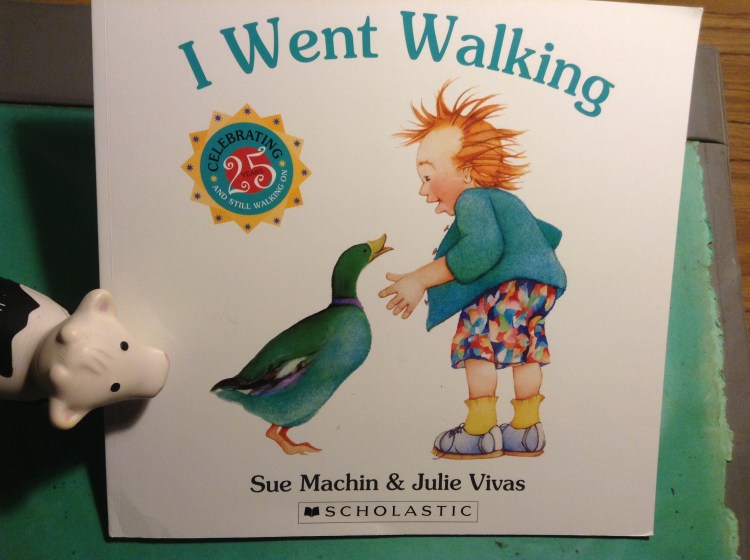
I Went Walking Picture Book
Quack

This is my first children’s picture-book book review.  Legions of preschool storytime fans are hanging out for this one!  Of course, you will have to read it to them.  I could have bored you with reams (remember reams?) of lucid, erudite adult book reviews but I’ve decided to revisit an all-time rollicking favourite “I Went Walking”.

In my no-holds-barred, honest-to-goodness style, I will explore the deeper meaning of taking a walk through a farmyard.  Or maybe it’s all just good fun.

“I Went Walking” written by Sue Machin and illustrated by Julie Vivas
An Omnibus Book from Scholastic Australia
First published 1989, reprinted approx 23 times, sometimes twice in one year.

My softcover copy of this slim 32-page volume celebrates 25 years of publication so that means at the time of writing it’s now 28 years old.  I am sure the book’s huge following of under 5s will be planning a suitable 30th shindig, perhaps everyone invited to come as their favourite barnyard animal.  There could be hay bales to sit on while devouring plate-loads of themed food.  The country and western band would…sorry, got a bit off-topic there…

The front cover artwork displays a young boy talking to a quacking duck.  Open to the second page and this young boy is putting on his coat.  Pay attention to this coat, and other parts of his apparel.  Naturally the page reads “I went walking” with the response on the next page “What did you see?” and thereafter.  Without going into too much detail, he sees a black cat, a brown horse, an apple tree, a red cow who offers him a ride, a green duck and the boy sheds his first piece of clothing.

“I went walking” and “What did you see?” other sidelines like a sack of potatoes but in this instance it’s a muddy pink pig which is hosed down, necessitating the removal of wet shoes, then socks and t-shirt.  The gang of farm animals is following the boy when he bumps into a friendly yellow dog.  He marches off with all six animals following.  They do a wild dance together and that’s the end of the story.

You really have to see the pictures in this picture book to appreciate it.  The clear, colourful drawings and uncluttered storyline combine to make a five-star bedtime reading experience.

Gretchen Bernet-Ward

Draw-a-Duck 02

‘Rain Dogs’ by Adrian McKinty

Adrian McKinty 04
Ulster Riot

It’s 1987 and things are still nasty in riot-torn Northern Ireland.  The Troubles in Ulster won’t go away.  A dreaded mercury tilt bomb causes a fatality in the Royal Ulster Constabulary ranks when least expected. In fact, many things happen when least expected.  The old ‘dead body in the locked room’ scenario rears its ugly head again.  The unassailable Carrickfergus Castle location is picturesque but the freaky circumstances are not.  Pretty reporter Lily Bigelow’s body is found sprawled in the snowy courtyard at the base of the castle keep.  The castle is locked.  Nobody went in and nobody came out, so what’s the deal?  The facts don’t add up and it’s a case of did she fall or was she pushed?

Northern Ireland MapWithout much to go on, DI Sean Duffy of Carrickfergus RUC uses dogged police work, video tape footage, and many repeat suspect interviews, until small pieces slowly emerge.  There is an outline to this puzzle but can it be filled in?  Convincing evidence is hard to come by.  Much in all as I love Sean, I do think he took two matters at face value even though I was shouting at him to double check.  And he does appear to be maturing, perhaps a little bit more circumspect, managing to curb his anger when insulted by hostile Larne CID Chief Inspector Kennedy at a horrific crime scene.

We are left to wonder what part Sean’s old friend and ex-cop Tony McIlroy has to play in his role as protector of the visiting Finnish delegation Mr Laakso Mr Ek & Company.  They are on a tight schedule, which involves finding a suitable factory location to manufacture Lennätin mobile phones, so these dignitaries are unhappy when Mr Laakso’s wallet is stolen.  Sean is unhappy too.  More so later when he has to interview them on the ice-road island of Hailuoto near Oulu in Finland.

The series regulars appear, solid unattractive Sergeant McCrabban and intelligent handsome DC Lawson who steals the limelight with a couple of excellent ideas.  Some of my favourite cameos are from vague Chief Inspector McArthur and major irritant Sergeant Dalziel (gotta wonder about that name) and Sean’s lady love Beth plus the ever-delightful Mrs Campbell from nextdoor, married with kids but oh-so-smouldering.  The only thing which grated on me was the dead giveaway of the chapter titles.  I like them a bit more esoteric.

It seemed to be the year for paedophilia in crime fiction; the RUC Sex Crimes Unit at Newtownabbey gets involved and Jimmy Savile puts in an appearance.  On a different note, Belfast has a visit from world heavyweight boxer The Champ, Muhammed Ali.  I do enjoy Adrian McKinty’s diversions, these little re-writings of history.  I wouldn’t class Rain Dogs as a scary thriller but in a gripping scene, Sean knew he ‘was afraid and fear releases power.  Fear is the precursor of action’.  McKinty also writes the dread and tedium of everyday life in succinct wording (without me needing grim online images) and Sean’s days are peppered with music and references.  Which incidentally are where the titles of the books are derived.

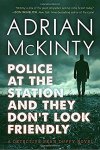
Now living in Australia, Irish-born author Adrian McKinty has again worked his magic with Sean, maybe with a little help from St Michael (or St Francis de Sales) and no doubt book six in the Sean Duffy series Police At The Station And They Don’t Look Friendly is equally as good.  At least I hope so because I don’t think readers are ready to kiss this Carrickfergus detective goodbye just yet.  I can recommend Rain Dogs if you want to sink your canines into a distinctively styled crime novel.

Books in the Sean Duffy series:

  1. The Cold, Cold Ground 2012
  2. I Hear the Sirens in the Street 2013 – my first favourite
  3. In the Morning I’ll be Gone 2014
  4. Gun Street Girl 2015 – my second favourite
  5. Rain Dogs 2016
  6. Police at the Station and They Don’t Look Friendly 2017

Gretchen Bernet-Ward

Adrian McKinty 01
The Troubles
Adrian McKinty 02
More Troubles
Adrian McKinty 03
Big Troubles

‘Breakfast With The Borgias’ by DBC Pierre

Bookcover DBC Pierre 03
Author interview March 2011 http://www.thewhitereview.org/feature/interview-with-dbc-pierre/

Correct thinking and clear vision are applied to wunderkind Ariel Panek, a computer scientist and associate professor but he is powerless when heavy fog sees him stranded overnight in the rambling, dilapidated Cliffs Hotel on the Suffolk coast.  Without connectivity, Ariel is tormented by the “no network” signal because he is overdue to talk at a conference in Geneva where he will meet his undergraduate girlfriend Zeva Neely.

Meanwhile the odd hotel staff and weird guests are making Ariel feel uncomfortable.  A bizarre set of circumstances conspire to prevent him leaving the hotel.  He must fend off unwanted attention, cut through the Borgia family secrets and subterfuge, and try to battle his way back to normality.

Reclusive, modernist Booker prize-winning author DBC Pierre has loaded this eerie Hammer Films-inspired novella with his trademark blend of social, scientific and spiritual matters.  Gradually the layers are peeled back to reveal the chilling truth behind this unsettling tale.

Gretchen Bernet-Ward

Reviewer Notes:
1.  The woman in the story who shares my first name is definitely not me!
2.  If you are reading this, Peter, I’d love you to autograph my copy of the above.
3.  My review of “Release the Bats: Writing Your Way Out Of It” by DBC Pierre.
4.  Synopsis quotation: “You can be insecure and be a writer.  You can be unsuccessful and be a writer.  You can be a bad person and be a writer … You just have to write.  That’s where it gets tricky”.

Bookcover DBC Pierre 02
Writer’s Guide

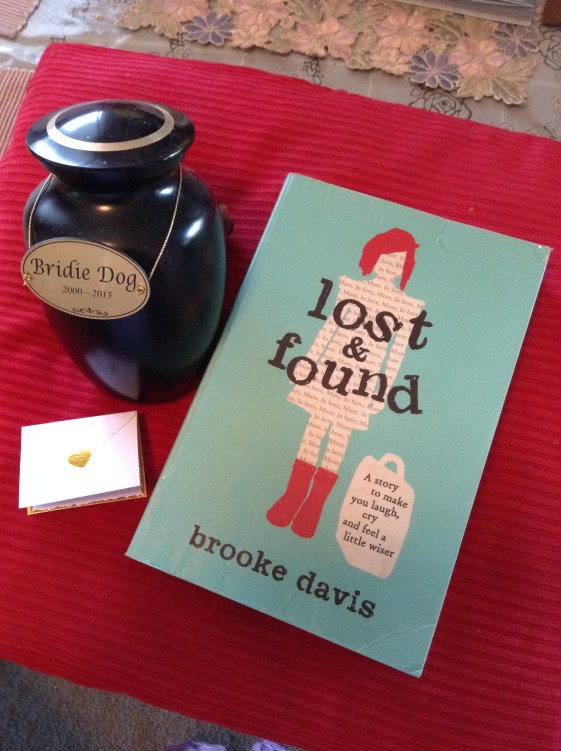
‘Lost and Found’ by Brooke Davis

IMG_3601
Millie

Millie knows that everything must die and keeps a record of assorted creatures in her Book Of Dead Things.  Sadly someone close to her becomes a dead thing too, which causes her mother to do something wrong.

Since Agatha’s husband died, she never leaves the house and shouts at people in the street as they walk by her window.  Until she sees Millie across the street.

Karl has lost his beloved wife and just moved into an aged care home.  He feels bereft as he watches his son leave.  Then he has a light-bulb moment and walks out in search of something.

All three are lost until they find each other and embark on a very unusual journey of discovery, reconciliation and acceptance.  A book with sadness, humour and eye-opening revelations as seven year old Millie Bird, eighty-two year old Agatha and eighty-seven year old Karl slowly but surely reveal what lies deep within their hearts.

Lost And Found is the debut novel of Australian author Brooke Davis which caused a literary sensation at the London Book Fair and sparked a bidding war overseas.  Davis, who suffered a deeply personal loss, said her ideas coalesced during a long train trip to Perth “A lot of the plot in my novel is based around that trip across the Nullarbor,” Davis said.  “The whole novel I think became a process of me trying to work through that loss.”

It is not written in the conventional manner, it does take a couple of pages to assimilate, but then this is half the book’s charm.  The funny bits are outrageous, the sorrowful times brought tears to my eyes especially reading about the older characters, and the outback backdrop is superb.  Millie is a delight throughout the road trip, a trip which is illogically undertaken yet surprisingly exciting.

The trio endure a bumpy ride but it comes out loud and clear that You Are Never Too Late and You Are Never Too Old.  I give it 5-star rating and hope you agree.

Gretchen Bernet-Ward

Emily Brontë Overview

Wuthering Heights Romance?

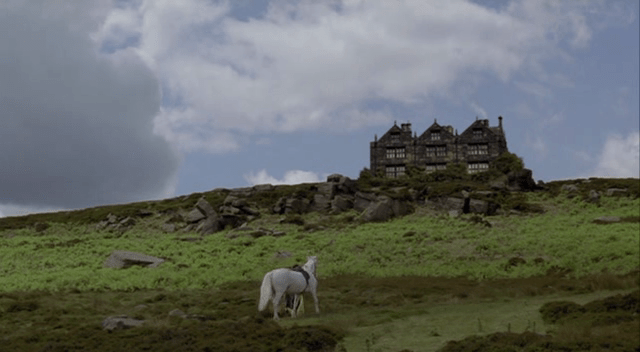
Yorkshire Country House 03
Homeward
I was a huge fan of the Brontë sisters, Emily, Anne and Charlotte.  Now I’m older, wiser and had a couple of love affairs, I see that their work, in particular Emily Brontë’s novel “Wuthering Heights”, reflects their own thwarted love lives.

Due to society, etiquette, the parsonage, limited opportunities for women in 1847, and through no fault of her own, Emily Brontë was greatly restricted when it came to writing about doomed male/female relationships.  To me, “Wuthering Heights” mirrors a lack of follow through, this inability to write a believable mental and physical connection between two people doesn’t come about because there’s no inherent knowledge behind it.  Although it could be argued that it’s a fictitious story, even in her sheltered life as a clergyman’s daughter, I think the themes of domestic upheaval, male aggression and marrying for prestige was something she may have encountered.  One man I almost felt sorry for in the novel is Edgar Linton, the second-best husband with good prospects.  To quote from Catherine “Whatever our souls are made of, his (Heathcliff) and mine are the same, and Linton’s is as different as a moonbeam from lightning or frost from fire.”

Nevertheless, I have re-read this novel and could just about smack the protagonists heads together and say “get real, guys!”  If I were Catherine I would have stayed well away from Heathcliff, walked off without a backward glance.  Either that or suggest he has counselling; obsessive and vengeful man that he is.  No, wait, they both needed counselling!  Catherine certainly had issues. She says of Heathcliff “I’d as soon put that little canary into the park on a winter’s day, as recommend you to bestow your heart on him!…He’s not a rough diamond, nor a pearl-containing oyster of a rustic; he’s a fierce, pitiless, wolfish man” but she doesn’t heed her own warning.  To add to the angst, her brother Hindley is a nasty fly-in-the-ointment with his uppity treatment of adopted Heathcliff.  Gotta have someone to abuse, hey Hindley, especially Heathcliff with his uncontrollable gypsy blood, right?

The sense-of-place is strong for me, dark, brooding Yorkshire, and I shiver when reading some of the almost poetic descriptions.  But from my viewpoint, to say Catherine and Heathcliff were passionately in love is overstating their affair when they caused each other so much misery.  Their families are destroyed and their agonising love does not redeem them in the end.  This novel is billed ‘romance’ but for me, from my modern perspective, it seems a turmoil of mixed emotions between two foolish individuals who should have known when to call it quits.

It’s a pity that Emily Brontë died young and this is the only book she wrote, published under the pseudonym of Ellis Bell.  Today we know that she could have elaborated and perhaps gone beyond the ill-fated Earnshaw family.

Yorkshire Country House 07
Dales

I want to rate “Wuthering Heights” highly but even allowing for the fact it was written in another time, another era, I can’t bring myself to go past three stars.  Don’t let me put you off, if you are into Gothic torment and unrequited love, this is the book for you!

Gretchen Bernet-Ward
Yorkshire Country House 02
Heights
Yorkshire Country House 08
Farm

Writer’s Self-Help

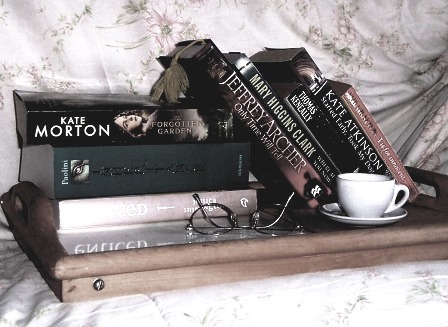
My Reading Tray 05
Afternoon Tea

Over the years I have read a handful of self-help books aimed at emerging authors, including the iconic Artist’s Way by Julia Cameron and famous memoir On Writing by Stephen King, but recently I came across these two quite diverse publications which really gave me a nudge in the right direction.

“Use Your Words” by Catherine Deveny 2016 published by Black Inc.
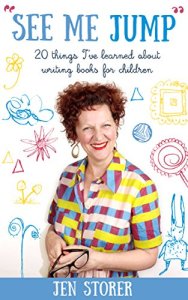
“See Me Jump” by Jen Storer 2016 published by Girl And Duck.

Catherine Deveny’s book is written in plain straight forward language, and she gets right to the heart of the matter.  There’s no place to hide once the momentum starts rolling.  Be warned, this book is for adults.  Catherine uses impolite language and bad manners to push you forward, sometimes against your will.  Then you see that glowing light at the end of the tunnel, er, book.  Well worth reading this boot-camp style book.

Jen Storer’s book is slim yet informative with small sketches dotted through the pages.  Her style is easy, encouraging, friendly and humorous.  It’s a book for adults but those with a yearning to write good books for children.  Note the chapter 4 heading “Don’t let adults fix your character’s problem” which is a must for kids literature.  Many of Jen’s sentences make memorable quotes, my favourite “Be brave. Don’t wait to create.”

Gretchen Bernet-Ward
Catherine Deveny Writer
Self-Help
Jen Storer Writer
KidLit