It’s a sunny, springtime day in subtropical Brisbane and we are heading towards Mt Coot-tha, the ‘mountain’ which is really a hill. The temperature is balmy and the drive is easy, out along a flat highway which decimated countless trees and native bushland.
Mt Coot-tha “Summit” Restaurant & Bar.
Ascending the steps…
We cruise by the Botanical Gardens, the Planetarium, the quarry (!), the cop with a radar speed gun, the tourists in an overheating VDub Kombi-van and climb towards the summit lookout which sits atop what was colloquially known as ‘One Tree Hill’.
Plenty more trees now, well, there is at the moment but Brisbane City Council may revert to one. The council is keen to upgrade the area, adding tourist lures like a zipline and tree-top canopy walk. Bye-bye quiet little harmless native animals and birds who take sanctuary there from the six-lane highway below.
Lunch in the shade of Kuta Café atop Mt Coot-tha, Brisbane.
Hardy plants in the sun all day.
We reach the carpark of our destination, fluke a spot, and notice the air smells eucalyptus fresh. It’s an interesting walk through various nationalities of smiling, picture-taking tourists. We join the milling crowd and peruse the Summit Restaurant & Bar menu before deciding the dollars signs are for high class meals. It is easier to tag onto the lunchtime queue at Kuta Café with its two-tiered eating decks.
Old natural stone from the surrounding area.
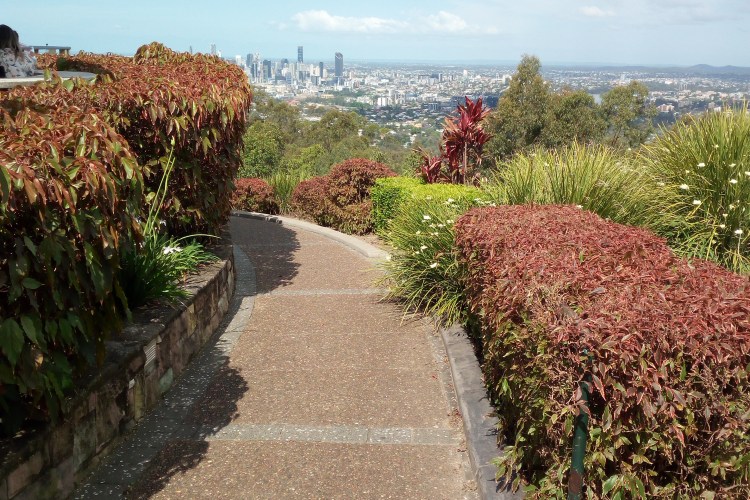
View from almost the top tier of the lookout.
I enjoy a delicious chicken salad wrap and share a huge bowl of baked potato wedges with heaps of sour cream and sweet chill sauce. After keenly snapping views towards the river and western suburbs, Brisbane CBD, and Moreton Bay with Moreton Island sandhills way in the distance, we detour the gift shop and head back to the car.
A friendly magpie lands on the car mirror, enquiring about food, but we have none to give, so it takes off—see below for this gripping encounter.
The Xanthorrhoea plant is uniquely Australian. It grows in the South East of Australia thriving in well-drained, aerated soils with low nutrient content.
Sticky-beak Magpie looking for food.
We agree not to drive the long way, the full circuit around Sir Samuel Griffith Drive which passes leafy barbecue areas, transmission towers and headquarters of local television stations.
Heading down the hillside, the city views and far-reaching scenery becomes less and less until ground level, then the highway roundabout appears, perfectly positioned opposite Toowong Cemetery.
The City of Brisbane is growing, the traffic is growing, the drivers are getting faster. Or am I turning into a grumpy older person? Time for a nap!
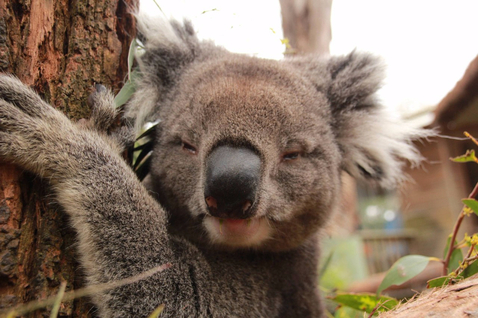
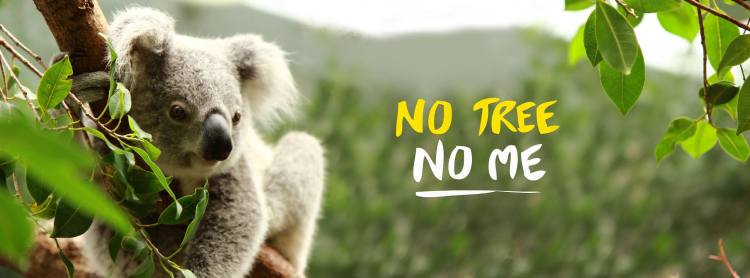
The Koala is a laidback leaf-muncher who gets hassled by the bad boys of the Aussie bush. Not by other native animals but tree-lopping developers and domestic pets. Koalas are a unique marsupial which needs human protection to survive. And eucalyptus trees, of course.
At Lone Pine Koala Sanctuary, an 18-hectare Koala conservation park in the Brisbane suburb of Fig Tree Pocket, Queensland, there is a new facility dedicated to Koala health and well-being. I paid them a visit to learn more…
Greeted by mother and baby on arrival at Lone Pine Koala Sanctuary, Brisbane. On this visit I didn’t hug a real Koala but you can!
The Koala (Phascolarctos cinereus, not a bear) is an arboreal herbivorous marsupial native to Australia. It is the only extant representative of the family Phascolarctidae and its closest living relatives are the wombats.
To quote the KOALA SCIENCE COMMUNITY dedicated to Research, Connect, Protect:
“United by a common purpose to conserve koalas across their range, Lone Pine Koala Sanctuary and Brisbane City Council worked together to build and establish the Brisbane Koala Science Institute, located at the sanctuary in Brisbane, Queensland. The Institute and this online community are further supported by Lone Pine’s not-for-profit organisation, the Research for Nature Foundation, which will help fund various South-East Queensland koala projects, in partnership with local scientists, researchers, and industry professionals.
At the unique Brisbane Koala Science Institute at leafy Lone Pine, I was pleasantly surprised at how much Koala information I absorbed in a short space of time. There are interactive (and multilingual) displays, research labs with public viewing areas and a koala observation area.
♥ Koalas have special teeth for grinding down eucalyptus leaves which ferment creating sleeping patterns which mean they can sleep more than 18 hours a day. ♥ Koalas have large, strong claws to help them climb smooth-barked eucalyptus trees. ♥ A Koala baby, joey, lives in the mother’s pouch for six months then grows up to become a big eater, consuming about one kilogram of eucalyptus leaves per day. ♥ Koalas front paws can grip small branches as they reach for the juiciest leaves. ♥ Koala lifespan is between 10 to 16 years which naturally depends on environmental conditions.
This Blue-Winged Kookaburra swooped down and kept a watchful eye on our lunch, however, it’s best not to feed human food to native wildlife.Afternoon tea, two coffees and two muffins, one caramel and the other blueberry, both with edible chocolate circles iced on top.The wishing well outside the front entrance to Lone Pine Koala Sanctuary with plenty of coins and “I Love Australia” badge.
Although I focused on the Koala, there are many more unique Australian species to see here, from kangaroos to cockatoos, eagles to emus in a beautiful bushland setting. I recommend the following link and video highlights featuring all the wildlife residents of Lone Pine Koala Sanctuary:
A quick guide to the wild birds around Long Pine Koala Sanctuary. Behind the sign, an Eastern Water Dragon lizard came out to sunbathe on the brickwork.
Here’s a map of Queensland and video of Brisbane City which makes me think I live in a pretty good place. Nomad Girl of The Jasmine Edit films short, interesting videos around the world. She makes it look like fun; maybe I could make a video, too?
Oops, just noticed a spelling error near the Great Barrier Reef.
If you are interested in early Queensland architecture from Victorian, Federation and inter-war era, please click here to view Wikipedia Queensland Architecture
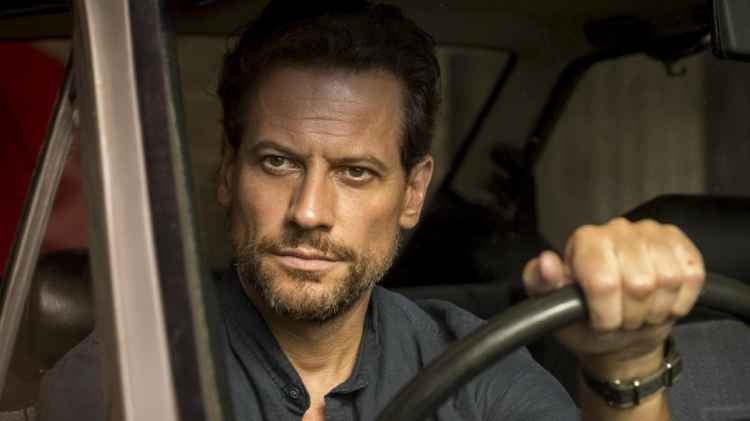
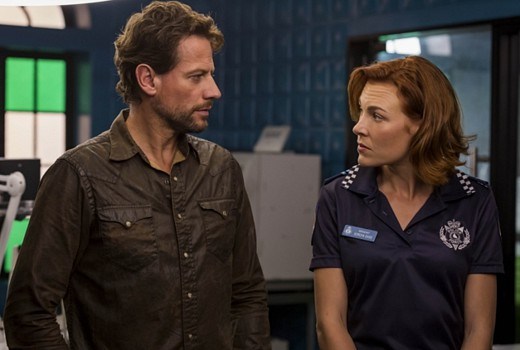
Actor Ioan Gruffudd stars as the boat-dwelling Dr Daniel Harrow in the new TV forensic drama series ‘Harrow’ filmed in Brisbane, Australia. The goal for this intellectual forensic drama, featuring an unorthodox and edgy forensic pathologist who lives aboard an untidy boat on the Brisbane River, was achieved by the combined talents of ABC Studios International and Hoodlum Entertainment.
Welsh actor Ioan Gruffudd, whose recent screen credits include movie ‘Fantastic Four’, TV series ‘Liar’, ‘Forever’ and earlier ‘Hornblower’, is now 44 and says he has more life experience to get under the skin of somebody like the flawed, smart and sarcastic Dr Harrow. Ioan, who also filmed ‘San Andreas’ in Queensland, fell in love with Brisbane, swimming with dolphins, attending theatre productions and an Ashes test cricket match at the Gabba stadium which unfortunately ended with treatment in hospital for heat stroke.
Leigh McGrath, executive producer of the 10-episode season of ‘Harrow’, says “Brisbane has got the tropical heat and humidity which I think adds a different feel to this forensic drama. Normally they are cold, they are Scandi noir, whereas we went the opposite.”
To quote The Australian newspaper journalist Justin Burke “The pilot episode presents an exquisite personal test for Harrow: does he quit his career and sail to Bora Bora as promised with his troubled, thieving, drug-addicted daughter? Or does he heed the professional challenge of grieving father Bruce Reimers (Gary Sweet), who is begging Harrow to reopen the investigation into his daughter Olivia’s death?” and “In addition to the procedural, crime-of-the-week element of the show, there is an overarching mystery that we are presented with in the opening scenes. Someone is seen dusting a body with concrete and throwing it off a small boat into the Brisbane River in the middle of the night. Who and why will be revealed in good time.”
If you click Ioan’s name (further on) you will see video footage of ‘Harrow’ filmed around inner Brisbane. Dr Harrow, a senior medical examiner, is based in the Queensland Institute of Forensic Medicine which in real life is the heritage-listed Brisbane Dental College near City Hall. Postmortems are not as easy on the eye as handsome Ioan Gruffudd.
This series is like reading a crime book with my home town in the background, I love picking out familiar landmarks and wondering how the film crew recreated a gruesome scene. The Brisbane River (Maiwar) stars but there are several familiar supporting actors to spice things up, e.g. Anna Lise Phillips, Remy Hii and Robyn Malcolm.
Keri Lee, boss of Disney’s ABC Studios Intl, is negotiating with global networks so hopefully this major drama series will be made internationally available. Meanwhile Australian viewers can watch ‘Harrow’ on ABC1 on Fridays 8.30pm 2018 or all complete episodes on iView.
Maybe it’s because I was brought up by post-war parents that I am shocked at the staggering amount of food waste in Brisbane. I could not understand why our local Government has joined the world-wide campaign Love Food Hate Waste. Surely you only buy, cook and eat what you need and freeze leftovers?
Apparently for millions of households, it’s not that simple!
The Council brochure states “Love Food Hate Waste was launched in 2007 by Waste and Resources Action Program (WRAP) in the United Kingdom followed by New Zealand, Canada and Australia. With food waste making up 37% of the average Brisbane rubbish bin, 1 in 5 shopping bags of food ends up in the bin. That’s 97,000 tonnes of food thrown away every year. There are simple and practical changes which residents can make in the kitchen to reduce food waste; planning, preparation and storage of food will make a big difference to your wallet and keep Brisbane clean, green and sustainable.”
Scramble over the mat, don’t trip on the dog, here’s a tasty listicle of Council wisdom prepared earlier:
Plan meals ahead – create a meal plan based on what is already in your fridge, freezer and pantry.
Shop mindfully – stick to your shopping list!
Store food correctly – Learn how to store food to ensure it lasts as long as possible and check your refrigerator is functioning at maximum efficiency.
Cook with care – Without controlling portions, we tend to waste food when we prepare or cook too much. Remember fruit and vegetables ripen quickly and are best consumed daily.
Love your leftovers – Freeze leftovers to use for lunches, keep for snacks, or add to another main meal.
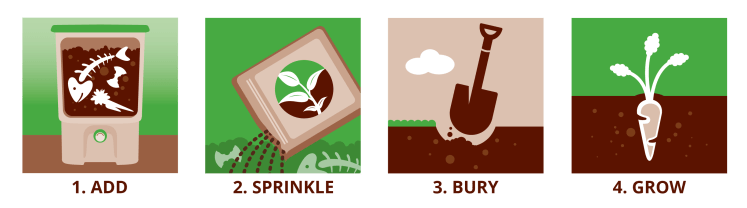
Consider composting – Turn your kitchen scraps into rich nutrients for your garden, get a Bokashi bucket, consider owning pets like chickens or guinea pigs.
Join a community garden – Composting hubs operate in selected community gardens.
Six-week food waste challenge – Every week the Council will provide step-by-step information on how you can reduce food waste in your home. Seriously.
We are over-stocked, over-fed and over-indulgent of our taste buds. Or as my dear mother would say “Your eyes are bigger than your stomach.”
It is going to be an uncomfortable meeting. The aluminum-lined tin roof of the old scout hut has Christmas lights still hanging from the beams but no ceiling fans. In the slowly increasing heat, city council employees stand around fanning themselves with official paperwork, sweat running into the collars of their creased jackets.
A gathering of various ages and nationalities, husbands, wives, old friends milling about, young children already fidgeting, and teenagers comparing notes about being awake so early on a Saturday. And me, taking notes for a writing class.
My brief: Go to an unusual place and observe people and surroundings then write about it.
I tread the worn linoleum flooring, past bare walls, seeking a vacant chair. Instead being lured by chilled water jugs, beaded with droplets. The moisture runs onto trestle tables covered with plastic cloths and neatly stacked glassware. On a corner table, ignored, a tea urn, china cups and sugar. “Too hot for a cuppa,” hisses a woman “but a biscuit would be nice.” No such luck, it looks like it will be all business.
I chose this council meeting, billed as a Community Centre Public Consultation, hoping for a good cross-section of individuals. The focus is an old disused council depot just up the street from the scout hall which is ripe for redevelopment. Possibly a venue for arts and crafts, retired folk or out-of-work men with carpentry skills. Doesn’t sound too threatening but you never know with hot tempers and hotter weather.
There are not enough white plastic chairs so a frantic search gets underway to find more seats for late arrivals. By now, attendance hovers around 45 humidity-affected people. Craggy old veterans, highly-perfumed women, groups in casual shirts and shorts, retired types perhaps looking forward to the proposed construction. One woman commands attention with a loud voice, passionate about protecting her home from noise and extra traffic. A male voice tells her “It hasn’t started yet so shut up.”
Registration sheets are handed around and duly completed, information leaflets handed out, a welcome speech, introductions all round and the meeting starts. The Councillor and various council departments take turns talking about the proposed community centre site and how it will benefit the general public. A white board and black pens are used to draw proposed plans, stressing that existing trees will remain and more planted.
I put my reading glasses on as a slide presentation illuminates but some gruff local residents butt in with irrelevant queries. A young, flushed council assistant is hassled by senior homeowners out to protect their land values, citing added burdens on the already strained infrastructure. “Traffic is bad enough now, this street can’t cope with extra cars.” And “If an event was on, numbers would treble and we couldn’t get out of our driveways!” There is a smattering of applause and a red-faced toddler starts to cry.
The Councillor is getting agitated, stern faced and unhappy about these interruptions to her pet project. She rises, retorts in a firm, concise manner “Questions and answers will be held at the end of this session. Please refrain from interrupting” then she sits down and furiously scribbles a note.
Feeling overheated and drowsy as the meeting drags on, I’m shaken from my lethargy by an unusual break in the proceedings. Oh dear. A plus-size young lady on a wobbly plastic chair is starting to slip. Slowly, her chair sinks as the legs buckle and she gracefully slides to the floor. Plop! The Council officials gasp as one. Embarrassed, she rolls over and stands up. Everyone is fussing, offering her sympathy and cold water. The weakened chair is quickly replaced and a sturdier one supplied.
More words, blurring in, old ground is covered then comes audience input time. An outpouring of emotion from local residents, more fervent than factual, practical comments are overruled by zealous objections. Limp council staff organise the tables and chairs into groups and hand out sheets of butcher’s paper and pens for the audience to scrawl down comments about traffic, parking issues and the type of structure they would like to see near their homes. I don’t attempt a drawing, unlike the person next to me who is lavishly embellishing a castle-like structure. Hardly acceptable but she is about six years old. My hand melts the thin paper and the felt-tip pen smudges as I write a couple of comments.
The Councillor stands, looking strained, and addresses the gathering with a formal thank-you. Her politeness is wasted. It’s time to go and already people are moving towards the rear doors. Outside the air is heavy with the smell of eucalyptus. I fold my notes, not looking forward to my hot car and a long drive home.
AFTERWORD: Jump ahead in time, eight years to be precise, and the derelict sheds are revitalised and re-purposed into a community centre, a thriving hub for group activities. Men’s Shed displays are held yearly, artisans can be commissioned for special projects. The perceived threat to peace and tranquility did not materialise due to sensible planning and a carpark. Feathers were hardly ruffled … unlike the storm brewing over old homes being demolished and their sites redeveloped for high density box-like dwellings. Now that really will affect their suburban infrastructure …
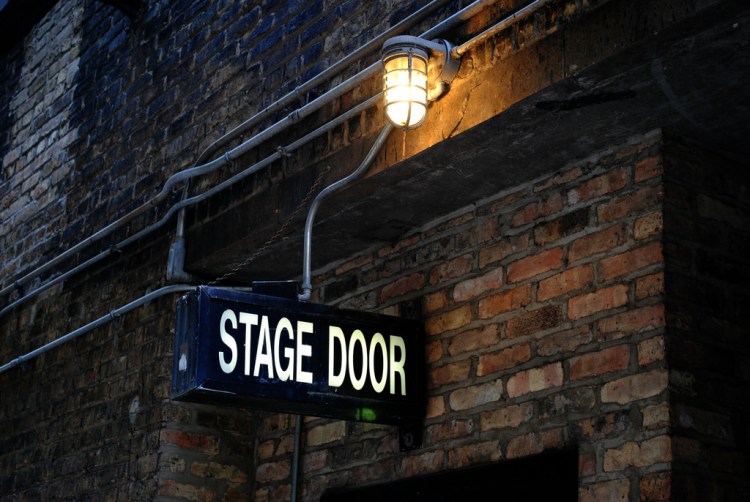
“Noises Off” theatre production is loud on laughs.
My first experience of Michael Frayn’s stage play “Noises Off” was in 1983 at Savoy Theatre, London, so I was keen to see how Queensland Theatre would handle a 21st century production in Brisbane. Currently running at QPAC Playhouse, I was already attuned to the chaos about to transpire.
The Queensland Theatre cast cleverly mirror a blemished performance by a supposed theatre troupe in Weston-super-Mare. This play within a play is an hilarious bedroom farce of abundant innuendo, silly mix-ups and a display of Libby Munro’s white underwear. Simon Burke neatly portrays director and libertine Lloyd Dallas with a droll delivery, and Nicki Wendt and Hugh Parker evolve nicely as bemused husband and wife. Cast flexibility is spectacular, especially athletic Ray Chong Nee who channels Roger Tramplemain, and Louise Siversen as spry housekeeper Mrs Clackett.
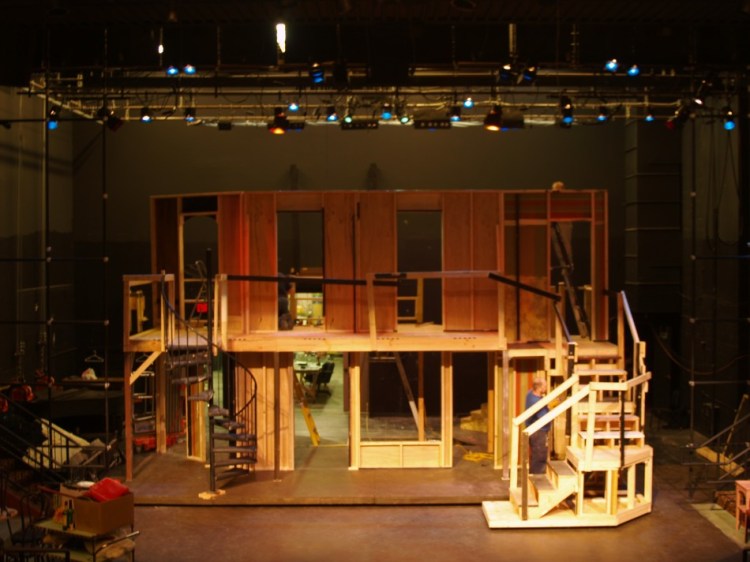
Strong language crops up but it appears that most dialogue, costumes and props are relatively unchanged, with crafty set design advancing the action behind-the-scenes. Authentic director Sam Strong has handled “Noises Off” with finesse and his cast of nine prove that Brisbane audiences can absorb large portions of fast-paced comedy without losing the plot.
Quotable quote from Rebecca Jamieson, Brisbane editor of Peppermint magazine: “Skinny, fat, tall, short, smooth, bumpy, pretty, ugly, strong, weak – we all give ourselves far too many labels, when what we really need to give ourselves is a break”.















 Thoughts Become Words