My ‘Photo of the Week’ Pictorial
Readers of my blog often go straight to my current post which detours Photo Of The Week on my Home page. I’ve gathered together some of my favourite shots—just in case you’ve missed a couple!
♥ Gretchen Bernet-Ward



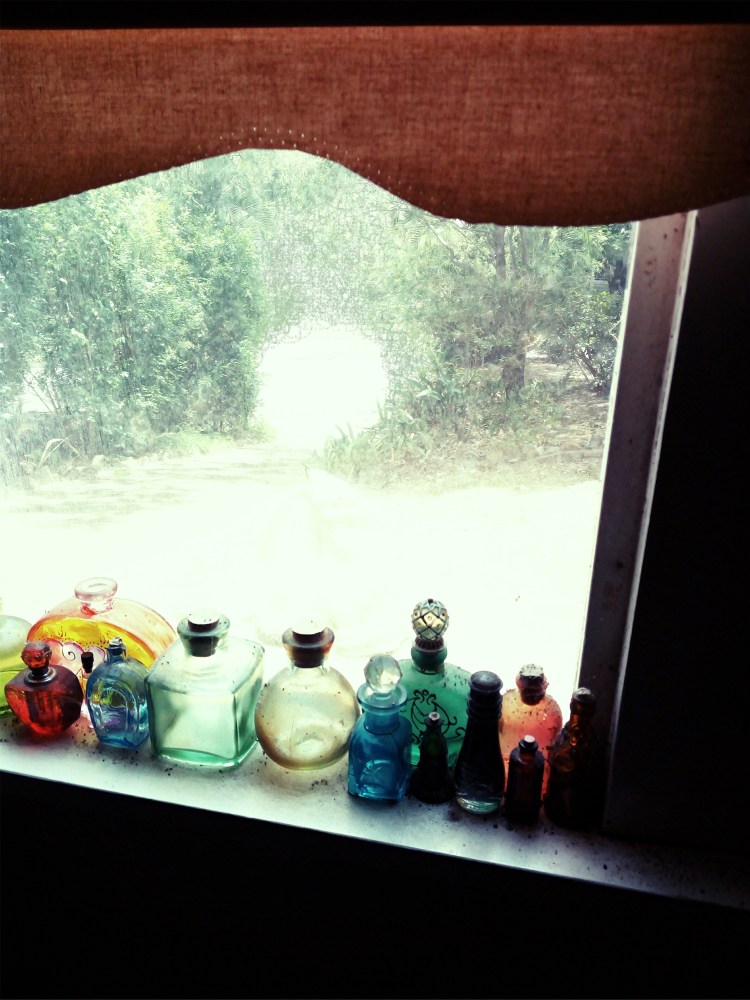
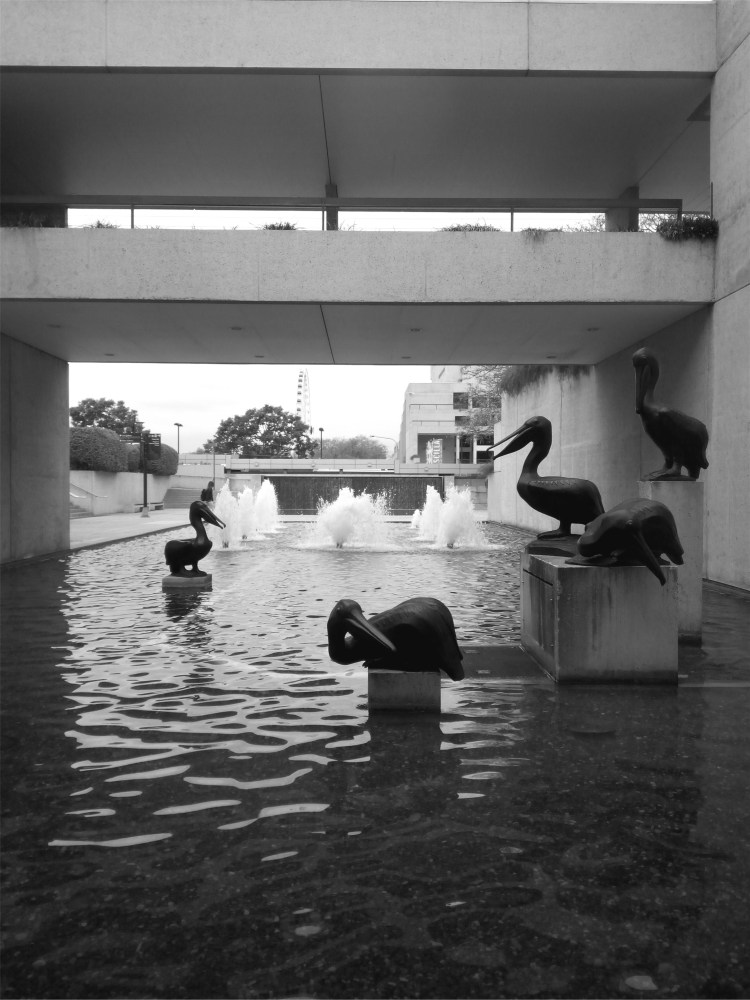


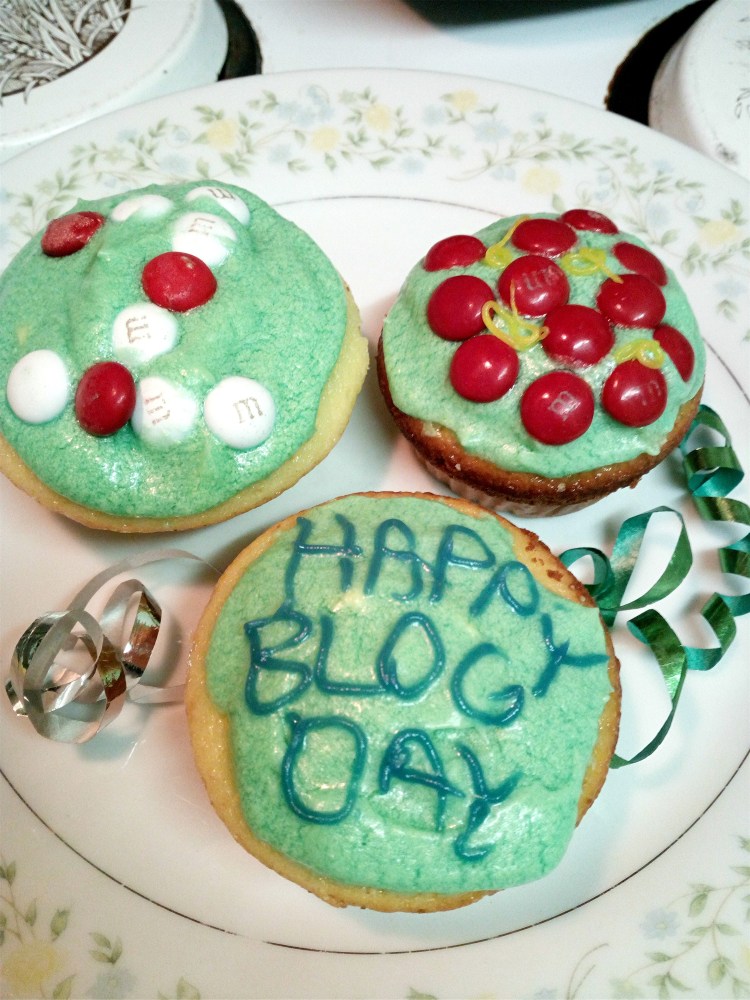

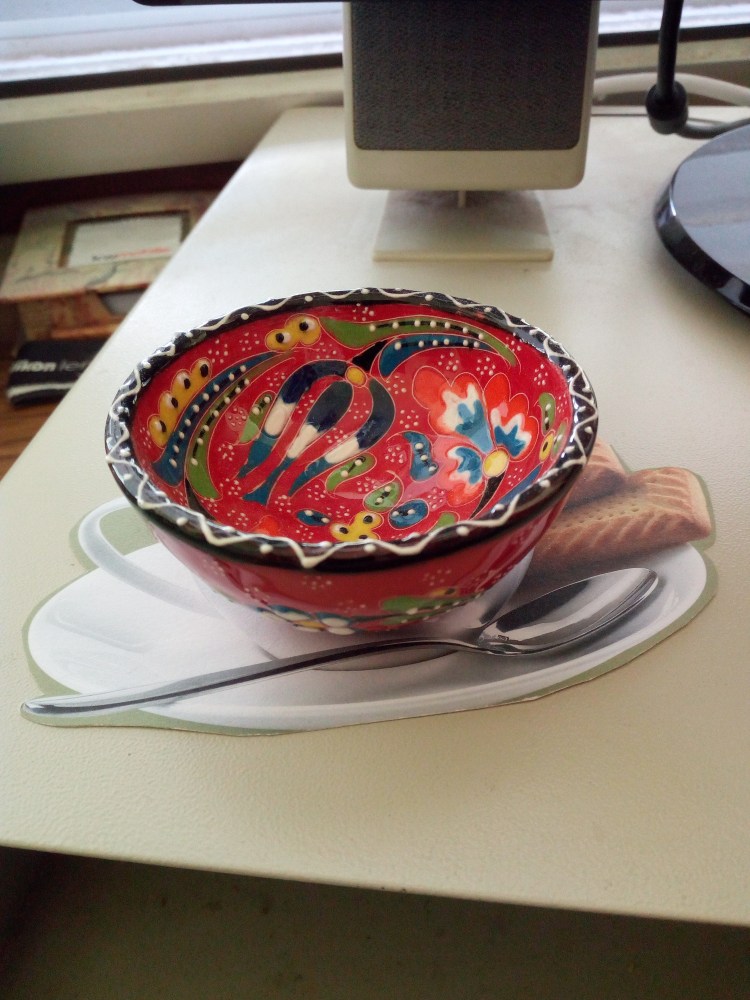


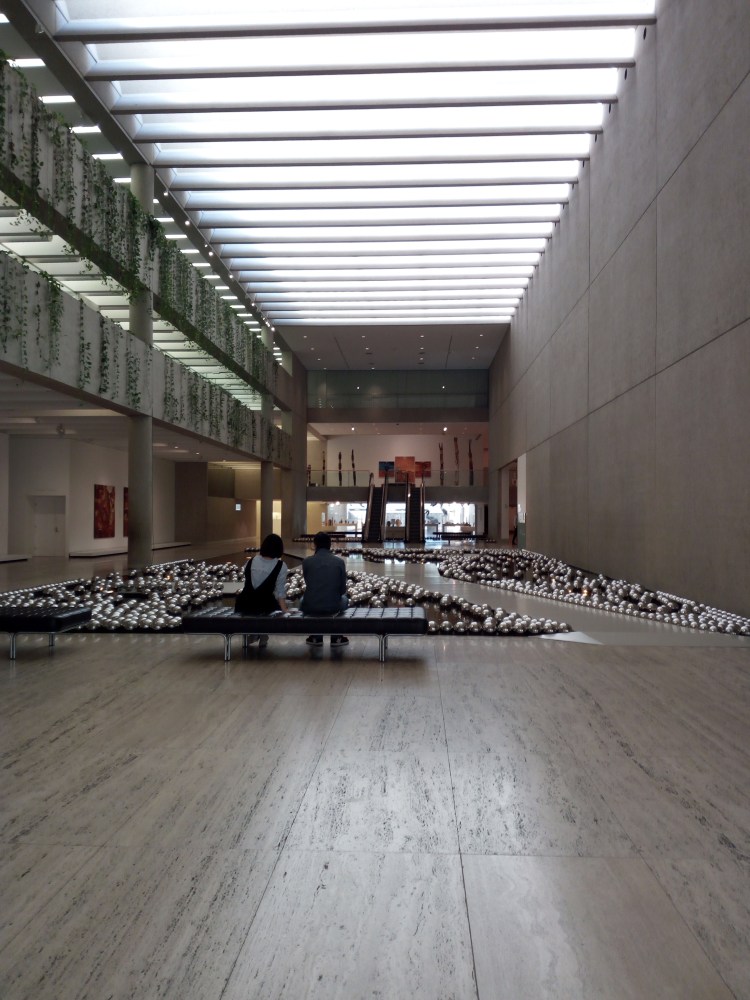
Miscellaneous Collection by Gretchen Bernet-Ward
Readers of my blog often go straight to my current post which detours Photo Of The Week on my Home page. I’ve gathered together some of my favourite shots—just in case you’ve missed a couple!
♥ Gretchen Bernet-Ward
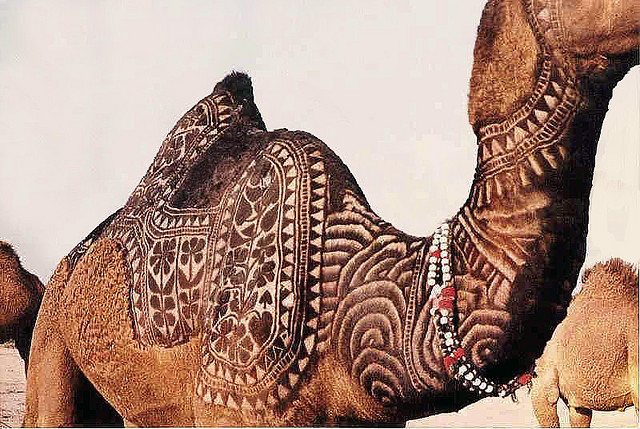
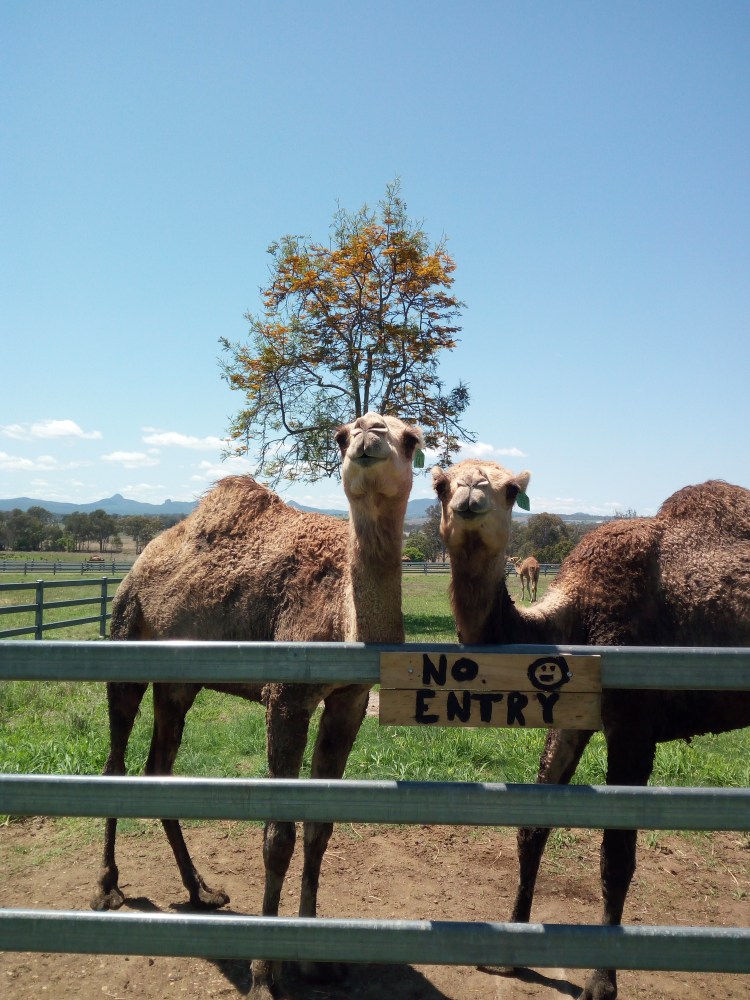
Check out these camel hairstyles! Proud cameleers display their abilities in various competitions from camel racing to designer shearing. Love those patterns! Camels are versatile, thriving in harsh desert conditions similar to the Australian outback. Since visiting a local camel dairy farm, I read the blog of Dr Raziq of Communities Animal Genetic Resources and Food Security to discover more about the biodiversity of original camel country. And beautiful camel hair designs.
♥ Gretchen Bernet-Ward

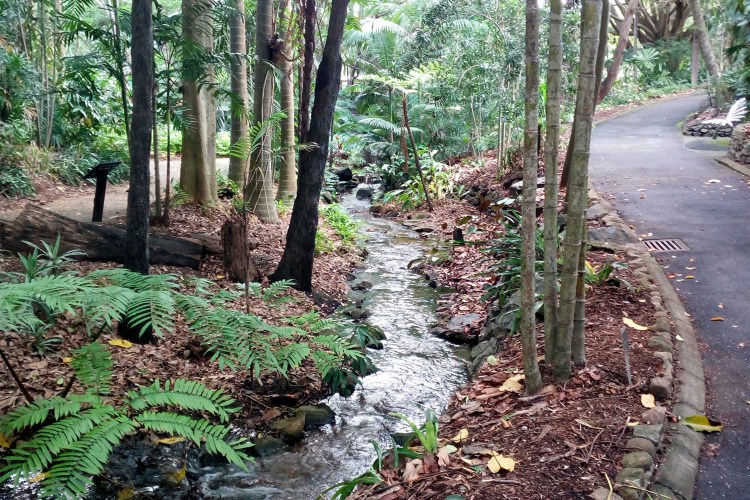
Coming out of a hot dry summer, March weather is beginning to soften the sky and offer the cooler, more gentle mornings of autumn. There is no definite change of season, just a calmness, almost a feeling of relief after the insistent tropical heat.
Apart from, whack, an insect, there’s something serene and relaxing about strolling through a garden, touching leaves, sniffing flowers, following a creek and hearing the splash of a small waterfall through the trees.
To quote Rudyard Kipling “The Glory of the Garden it shall never pass away!” so…


Arriving early at the Brisbane Mt Coot-tha Botanic Gardens, I strolled through a cool, green gully and thought it was strange to be in a capital city yet hear no traffic sounds. I floated along, enjoying the stillness, until my personal calm was shattered when the garden crew came on duty and the leaf- blowing brigade roared into action. I had to wait until one fellow walked out of shot to photograph Xanthorrhoea australis, the Grass-trees (below; left). The atmosphere shuffled its feathers and tranquility returned.


Leisurely, I followed the meandering paths across bridges and green lawns, enjoying the mild sunshine. Strolling down a slope, I came to a bracken-lined watercourse then walked up a gentle incline towards king ferns, piccabeen palms and towering hoop pines. I’ve never fully traversed the 56 hectare (138 acre) area which displays mainly eastern Australian plants.
You can spot Eastern Water Dragons (lizards) and geckos as they scurry out of sight or get a giggle watching the many varieties of water fowl, ducking and diving in the lake. Feeding wildlife is not allowed and I couldn’t entice them into an appealing photograph.
Sculptural features are ‘casually’ placed throughout the gardens and I think the most alluring is a silver fern seat (below; left) with interesting support.


The Japanese Garden (below; entrance and pond) offers soothing symmetry and a waterlily’s single bloom. Nearby the concert bandstand has grass seating surrounded by trees with foliage of different patterns and colours. Around me, there’s a multitude of subtropical shrubs, cycads and flowers with names I never remember. You will notice that I do not attempted to be horticultural! A bit further along, in the arid zone, resides a sci-fi concoction of exotic cacti. The culinary, fragrant and medicinal herb gardens are pure indulgence. But if herbs aren’t your thing, the pungent eucalypt is my favourite and walking the Aboriginal Plant Trail with its edible food plants.


The stillness of the morning created pleasing reflections on the lagoon which is fed by rainwater captured from the hills. You can choose between typical heathland or wetland regions made easily accessible for suburban folk. The Conservation Collection includes rare and endangered species in their natural habitats and I entered the steamy, geodesic hothouse (below; left) where equatorial plants are nurtured. My face beads in sweat, it’s not a place for humans to linger too long. Time for an ice-cream!


Outside the entry are several buildings of interest: Sir Thomas Brisbane Planetarium (below; saved from extinction by a vocal community uprising) large carpark, small art studio, specialist library and auditorium providing a variety of events. I have booked a place in a workshop Monoprinting Australian Native Plants, so a blog post may be forthcoming. The new Visitor Information centre offers guided walks and Gardens Café has the ice-cream. The two white-coated fellows outside the café are entomologists, surviving statues from World Expo 88.


The Mt Coot-tha Botanic Gardens Children’s Trail is a hide-and-seek ramble through the shady rainforest garden with special works of art dotted along the way and I couldn’t resist following it myself. Check out the wacky weathervane! And a log for native stingless Sugarbag bees. Mother and baby Panda bears enjoy the bamboo; they are a special fabrication of laser-cut aluminium by Australian sculptor Mark Andrews.


Parks and gardens change with horticultural trends. The smaller City Botanic Gardens are older and more formal, in keeping with the style of previous centuries, but I prefer the softness of Mt Coot-tha Botanic Gardens. As the world becomes more populated and natural plant life decreases, Brisbane city dwellers like me need our botanical gardens to nourish and refresh our screen-dependant interior lives.
♥ Gretchen Bernet-Ward


Note: Please click or tap an image to enlarge.
You may also like to read about my visit higher up the road at Mt Coot-tha Lookout.

Nasturtiums like to grow free-range in the sun with well-drained soil but I planted the seeds in an old hanging basket under the verandah and watched their lifespan over three months from warm September mornings in springtime to steamy January afternoons in summertime.
♥ Gretchen Bernet-Ward


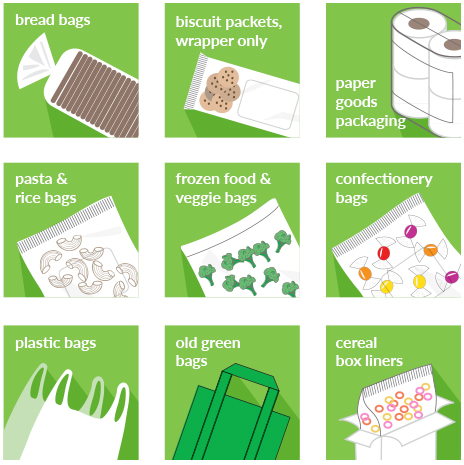
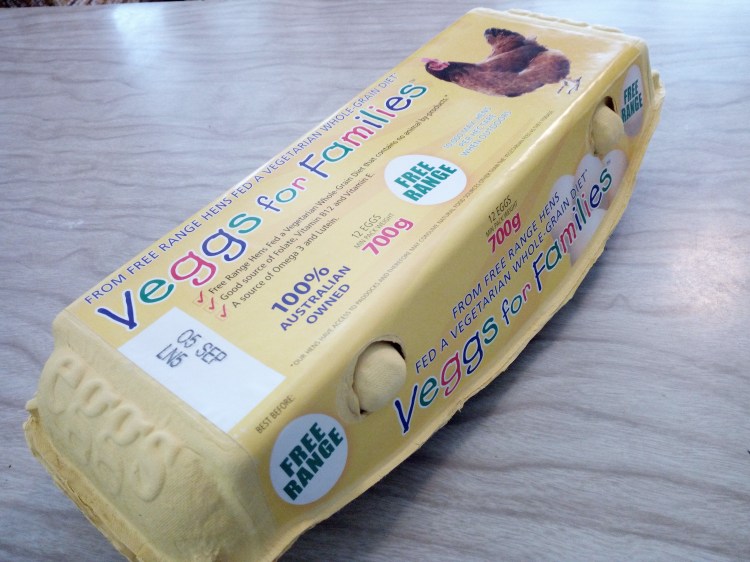
The “NO” items should be recycled in the usual way. Please note the REDcycle Program has been developed for post-consumer household plastic. Participating supermarkets are not obliged to accept large volumes of commercial plastic waste. Please visit http://www.redcycle.net.au/


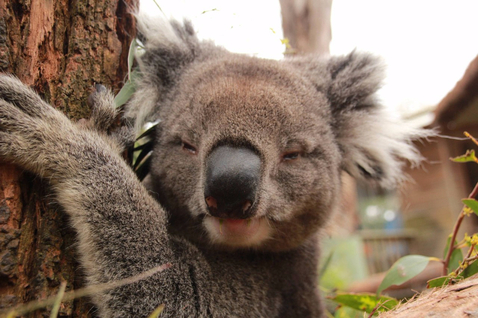
The Koala is a laidback leaf-muncher who gets hassled by the bad boys of the Aussie bush. Not by other native animals but tree-lopping developers and domestic pets. Koalas are a unique marsupial which needs human protection to survive. And eucalyptus trees, of course.


At Lone Pine Koala Sanctuary, an 18-hectare Koala conservation park in the Brisbane suburb of Fig Tree Pocket, Queensland, there is a new facility dedicated to Koala health and well-being. I paid them a visit to learn more…

The Koala (Phascolarctos cinereus, not a bear) is an arboreal herbivorous marsupial native to Australia. It is the only extant representative of the family Phascolarctidae and its closest living relatives are the wombats.
To quote the KOALA SCIENCE COMMUNITY dedicated to Research, Connect, Protect:
“United by a common purpose to conserve koalas across their range, Lone Pine Koala Sanctuary and Brisbane City Council worked together to build and establish the Brisbane Koala Science Institute, located at the sanctuary in Brisbane, Queensland. The Institute and this online community are further supported by Lone Pine’s not-for-profit organisation, the Research for Nature Foundation, which will help fund various South-East Queensland koala projects, in partnership with local scientists, researchers, and industry professionals.
Our aim is to bring together like-minded individuals in a knowledge-sharing environment to foster innovation, facilitate collaboration, and enhance accessibility, with the aim to deliver real, practical outcomes beneficial to the local wild koala populations.” Affiliated with https://www.zooaquarium.org.au/index.php/world-class-koala-research-facility-now-open-at-lone-pine-koala-sanctuary/

At the unique Brisbane Koala Science Institute at leafy Lone Pine, I was pleasantly surprised at how much Koala information I absorbed in a short space of time. There are interactive (and multilingual) displays, research labs with public viewing areas and a koala observation area.
♥ Koalas have special teeth for grinding down eucalyptus leaves which ferment creating sleeping patterns which mean they can sleep more than 18 hours a day. ♥ Koalas have large, strong claws to help them climb smooth-barked eucalyptus trees. ♥ A Koala baby, joey, lives in the mother’s pouch for six months then grows up to become a big eater, consuming about one kilogram of eucalyptus leaves per day. ♥ Koalas front paws can grip small branches as they reach for the juiciest leaves. ♥ Koala lifespan is between 10 to 16 years which naturally depends on environmental conditions.


Although I focused on the Koala, there are many more unique Australian species to see here, from kangaroos to cockatoos, eagles to emus in a beautiful bushland setting. I recommend the following link and video highlights featuring all the wildlife residents of Lone Pine Koala Sanctuary:
https://www.koala.net/en-au/wildlife
https://www.youtube.com/watch?v=T_XXqPirJUU

And here’s my link to a post I wrote last year:
https://thoughtsbecomewords.com/2017/09/01/save-the-koala/
You can adopt a Koala through Australian Koala Foundation.
Thank you, Lone Pine Koala Sanctuary for a relaxing, informative and enjoyable visit.
♥ Gretchen Bernet-Ward
These vivid flowers would be perfect at Christmas time. But, no, this spectacular red Callistemon, an Australian native Bottlebrush, flowers in springtime and early summer. It has long fluffy tubular flowers that look beautiful in gardens and taste delicious to all kinds of native birds, insects and other wildlife. The flower 'brushes' are so soft, not spiky at all.There were two Rainbow Lorikeets hiding in the branches, eating the nectar and chatting away, but they wouldn’t keep still for a snapshot. I saw this long row of flowering plants in an industrial-type setting in Brisbane yet Callistemon grows in every location, tall shady trees to knee-high potted shrubs and used as groundcover.
Information from this website Australian Plants Online Flowering Callistemon indicates that I’ve photographed 'Hannah Ray' which is 4 metres high and suitable for streetscapes. It brightened my September day! ♥ Gretchen Bernet-Ward
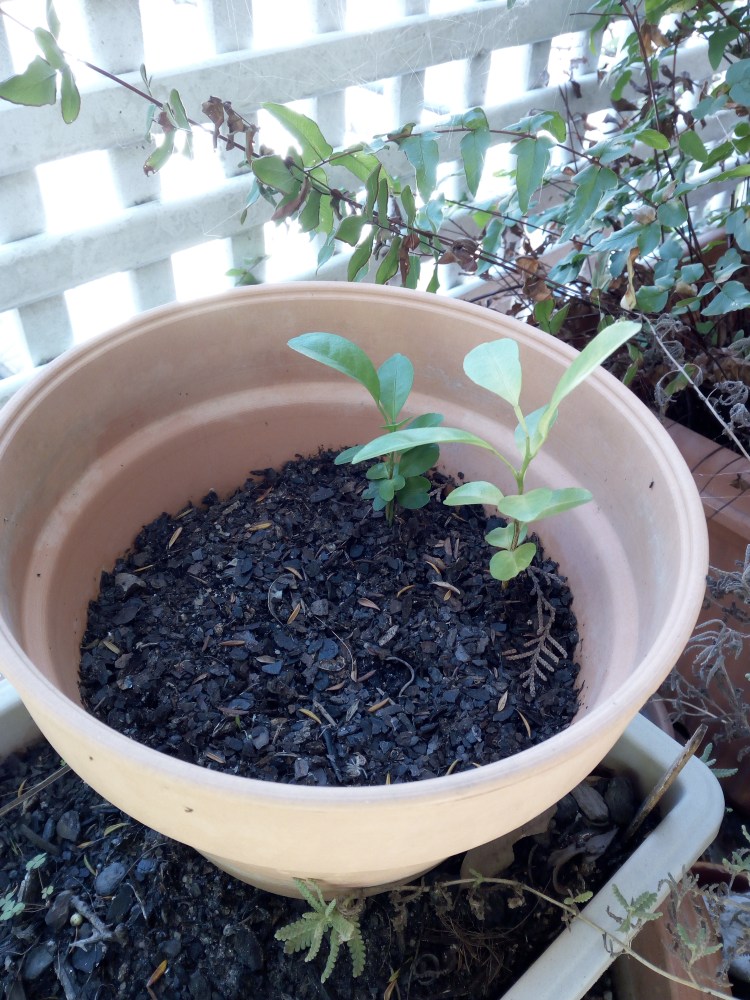
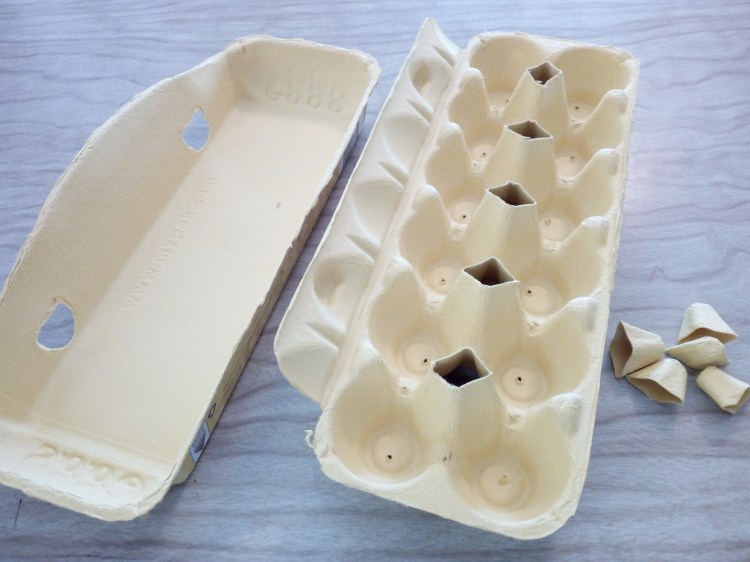
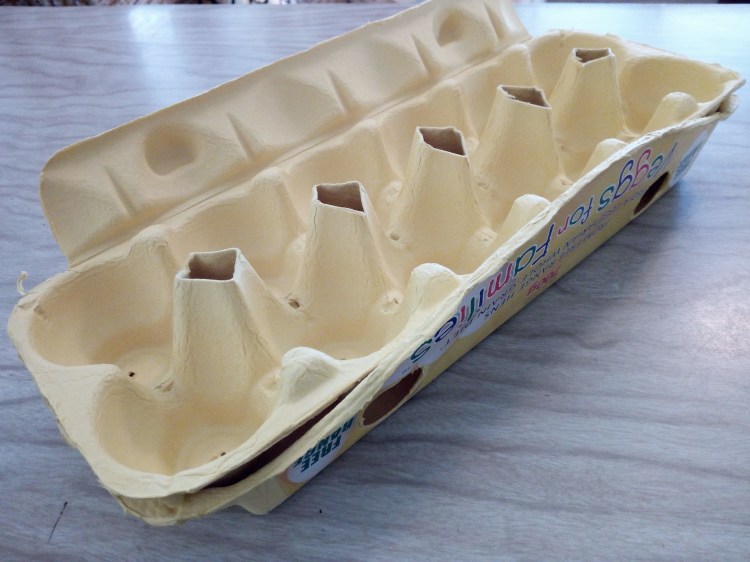
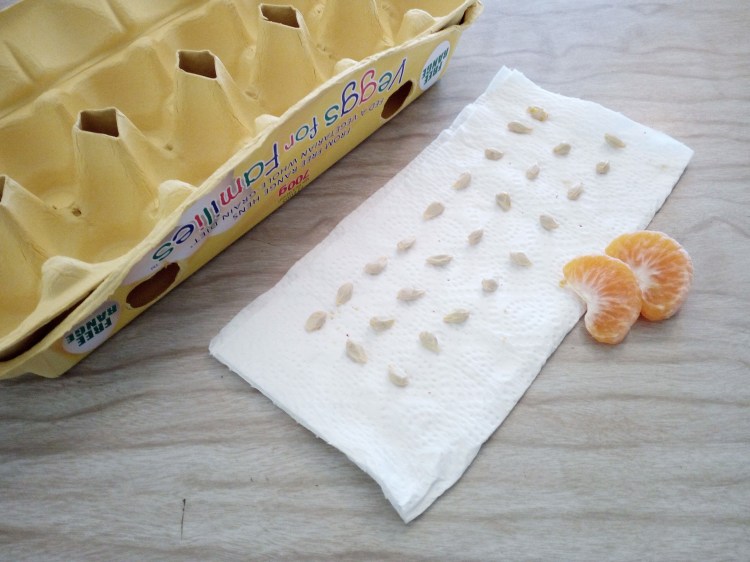
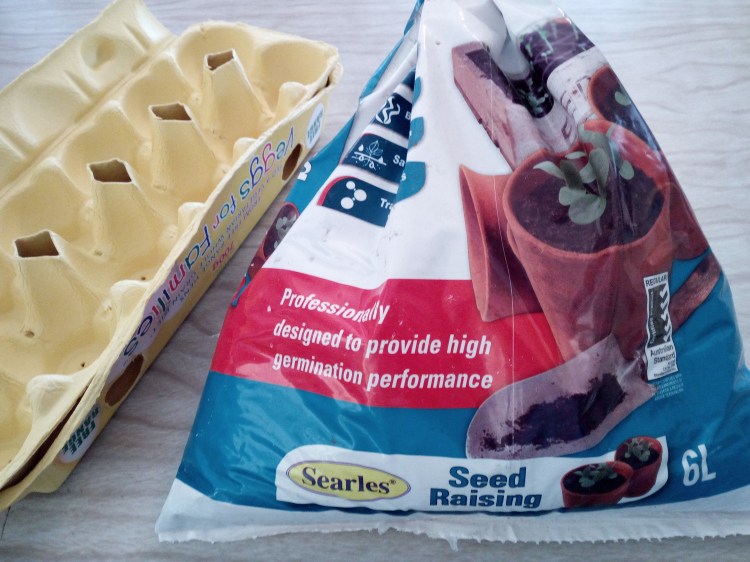
You are invited to follow my pictorial efforts in home-growing mandarin trees with no experience and limited resources. Nothing by the book, just me planting seeds and hoping Mother Nature does the rest. I’m not even sure if you have to dry the seeds first!
♥ Gretchen Bernet-Ward



I was unsure if my takeaway coffee cup was recyclable or not. Turns out it wasn’t. The thin liner of plastic made it non-recyclable no matter how much paper is covering the outside.

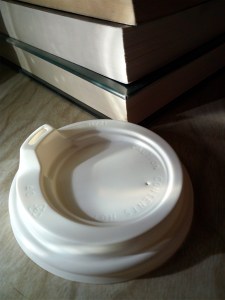
I’m going to do my bit to eliminate environmental pollution and stop landfill waste by thinking ahead.
Shops like BioMe have many alternatives to plastic products. Use your own keep-me cup, cutlery, even drinking straw.


Be like the knights and pilgrims of old who used their own plate and dagger to eat food.
Or the old-fashioned picnic when everything was brought from home in a wicker basket, and everything (except the yummy food) was taken back home. This may need to be modified but if a child can take a lunchbox to school, why can’t an adult take one to work?
I’ve always been prudent with water consumption (Australia, land of drought) and mindful of electricity usage but Craig Reucassel‘s ABCTV program War On Waste is an eye-opening indictment on the lack of thought we put into the disposal of our single-use products.
In a couple of posts, I have talked about the plastics ban and slow clothing (I’ve purchased bamboo underwear) but not really deliberated food waste. I’m going to buy a Bokashi bucket to ferment and recycle kitchen leftovers (no longer have scrap-eating chickens) and get an outdoor compost bin because I think we all have to make an effort to turn around our throwaway society.
♥ Gretchen Bernet-Ward

Don’t you love being on the verge of discovering a new author, that feeling of anticipating! Look at the beautiful location where romance writer Annie Seaton is holding the book launch for her latest release Whitsunday Dawn––in the Whitsunday Islands at beautiful Coral Sea Resort.
“Ecological impact, divided loyalties and the pristine beauty of the Whitsundays under threat, can mining spokesperson Olivia Sheridan expose the truth in time?” Author Annie Seaton brings to life a new era of romance and eco-adventure. Perfect for fans of Di Morrissey and a sun-kissed tropical lifestyle.
As WP readers will know, I’m not usually a romance reader but I’m rather taken by the beautiful location of this all-Australian story. Watch out for my review.
On her website Annie says “I am truly blessed to live by the beach on the east coast of Australia. I am following my lifelong dream of writing, and discovering that readers love reading my stories as much as I love writing them is awesome. It’s what keeps me at my desk each day when the garden and the beach are calling to me!
“You can read of the topical human and social issues I explore in Kakadu Sunset, Daintree and Diamond Sky. My latest release with Harlequin Mira WHITSUNDAY DAWN (August 2018) is an historical/contemporary story set in the Whitsunday Islands in 1943 and 2017.
“My inspiration comes from the natural beauty of our Australian landscapes and I’m passionate about raising awareness of the need to preserve the pristine areas that surround us.”
Will you be in the vicinity of the wonderful Whitsundays? Visit the launch of Annie Seaton’s newest book WHITSUNDAY DAWN being held on Friday 7 September 2018 at Coral Sea Resort Jetty, Airlie Beach, Queensland. A welcome drink then cash bar will be available with complimentary gourmet nibbles and canapes from the Coral Sea Resort kitchen. RSVP via Facebook https://www.facebook.com/AnnieSeatonAuthor/

♥ Gretchen Bernet-Ward


 Thoughts Become Words