Be An Intelligent Person!

♥ Gretchen Bernet-Ward
Miscellaneous Collection by Gretchen Bernet-Ward
♥ Gretchen Bernet-Ward
THING ONE Reading—The Chain by Adrian McKinty
THING TWO Looking—A Lemon in Disguise
THING THREE Thinking—Don’t Rush the Little Wild Ramblers
THING ONE—READING—The Chain by Adrian McKinty—
The Chain took me by surprise. I had no idea what the title referred to until nice normal cancer patient Rachel O’Neill turns into a desperate, frenzied, tigress of a woman ready to kill to protect her cub Kylie.
Adrian McKinty has written 14 books and I’ve read them all, so I know he can write ‘other stuff’. Guns, cops, drugs and tricky, desperate situations. But never with the strong emotion which The Chain evoked in me.
The sequence of events is based on real bandits who kidnap people and hold them to ransom until their families pay to have them released. Not very nice, and neither is what happens to Rachel and Kylie. This sophisticated version of The Chain involves snatching a child and holding them prisoner to save your own child who has been captured and the next person snatches a child and holds them prisoner until their child is released, etc…with brutal consequences for broken links.
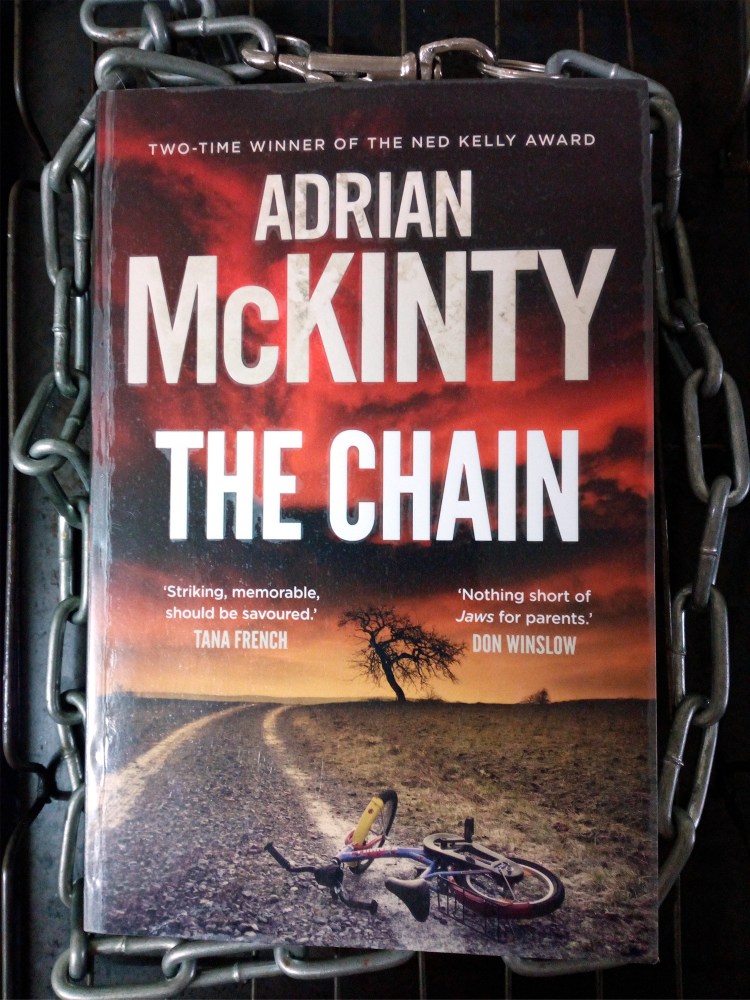
The winners in all of this are The Chain initiators who demand that huge sums of money be paid into their off-shore account otherwise they will force the family to kill your child. The fear, panic and high stress levels are well realised and the pressure applied to Rachel and her ex-army drug addicted brother-in-law Pete (he goes into Bruce Willis mode) never lets up.
Half way through the plot, things take a sharp u-turn (Australian version is chuck-a-youie) but the reader has to trust the writer to follow-through. Trust him I did. And the result was definitely worth it. As always, McKinty writes in his own unique style. There are warnings of social media over-exposure which ring true and even though this suspense thriller is set well and truly on American soil, it holds a universal truth ‘Watch over your children’.
A poetic excerpt from The Chain, Chapter 40, Sunday 11.59 p.m.
“She merges with the traffic.
The highway hums. The highway sings. The highway luminesces.
It is an adder moving south.
Diesel and gasoline.
Water and light.
Sodium filament and neon.
Interstate 95 at midnight. America’s spinal cord, splicing lifelines and destinies and unrelated narratives.
The highway drifts. The highway dreams. The highway examines itself.
All those threads of fate weaving together on this cold midnight.”
Author Adrian McKinty 2019
WordPress link to my previous post reviewing McKinty’s Rain Dogs.
I am wrestling with my new Goodreads account.
THING TWO—LOOKING—A Lemon in Disguise—

THING THREE—THINKING—Don’t Rush the Little Wild Ramblers—
This beautiful quote from Wilder Child Nicolette Gowder struck a cord with me. I thought about young family members who were forever picking up small objects and bringing them home after school. Everything was of interest when out walking, items had to be investigated for smoothness, brightness, weight or lightness. The best treasures were those which once were alive, like a crab claw, rat skull or insect exoskeleton.
I thought about my mother who used to point out the delicate things in nature, things which tend to get overlooked. I inherited her spy-eye for detail especially seed pods. She was more of a beachcomber…but always putting those glistening seashells back where she found them ♥ Gretchen Bernet-Ward

 One post in three parts, Reading Looking Thinking, a neat idea started by blogger Paula Bardell-Hedley. Check out Book Jotter her informative, interesting and book-related website!
The world’s best loved insects – butterflies. As soon as I walked into the Bribie Island Butterfly House, a sense of calm enveloped me. Founder Ray Archer says “Butterflies are beautiful and very peaceful insects” and I can attest to that.
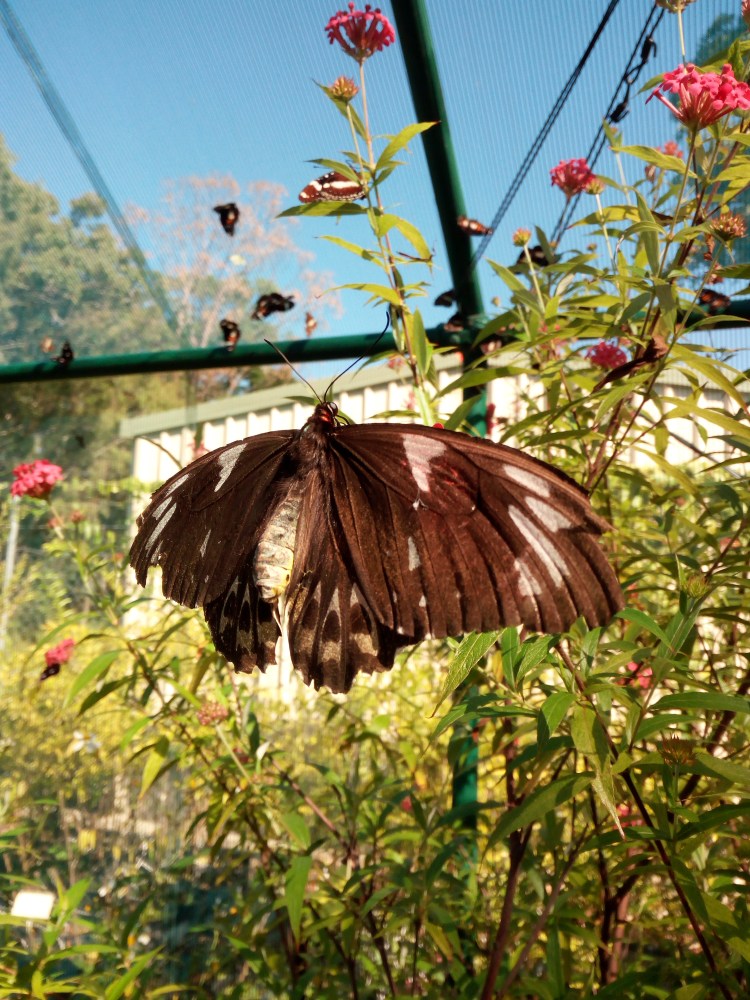
This tranquil not-for-profit organisation was founded by Ray and Delphine Archer who sold their business Olive Products Australia and moved to beautiful Bribie Island, off the south-east coast of Queensland, so Ray could devote time to his passion for breeding and raising butterflies.
I’d like to take you on a stroll through the butterflies domain. But first we will learn a few facts from the Nursery before entering their airy, sun-filled, flower-perfumed enclosure.


Ready to go inside? You have to go slow because butterflies don’t dive-bomb you like mosquitoes. Silent wings flutter by, difficult to photograph, I marvel at their fragility.
Photos left to right—Plant-filled entry; a vine chock-full of happy butterflies; misty air rises from a vaporizer; a Common Crow, why that name?; a Swamp Tiger against the blue sky; newly hatched Monarch; oops, there’s two Orchard Swallowtails mating, best move on . . .


Hanging pot planters and gumboots stuffed with plants.
A rather clandestine bubbler and a secret butterfly door.
Inspirational quote and landing pad stocked with nutritious butterfly food.


This lady (below) had to make sure she was butterfly-free before leaving. The butterflies landed on hair and hats. Interestingly, they stayed well clear of the heavy black plastic doors, perhaps because their focus is on light, bright colours.
Before departing I visited the plant section where butterfly-friendly plants (see chart) were available for purchase. There is no cafe and no merchandising, and nobody telling visitors The Rules. The only suggestion is to leave your worries in a bin at the door. Quite a refreshing visit in more ways than one!


The Bribie Island Butterfly House exists to provide a sense of purpose and lasting friendships among their volunteers, to offer visitors an enjoyable and educational visit in a peaceful environment and to help the disadvantaged via donations to charities.
Grow a patch of dandelions! Check out Lyn’s wonderful UK Butterflies And Garden blog. Pledge to stop using manufactured pesticides! Around my area, the green tree frog and butterfly populations have severely decreased due to the rise in toxic garden herbicides and pesticides. Think natural, not noxious!

And, of course, my avatar is a hand-drawn butterfly.
♥ Gretchen Bernet-Ward
Readers of my blog often go straight to my current post which detours Photo Of The Week on my Home page. I’ve gathered together some of my favourite shots—just in case you’ve missed a couple!
♥ Gretchen Bernet-Ward
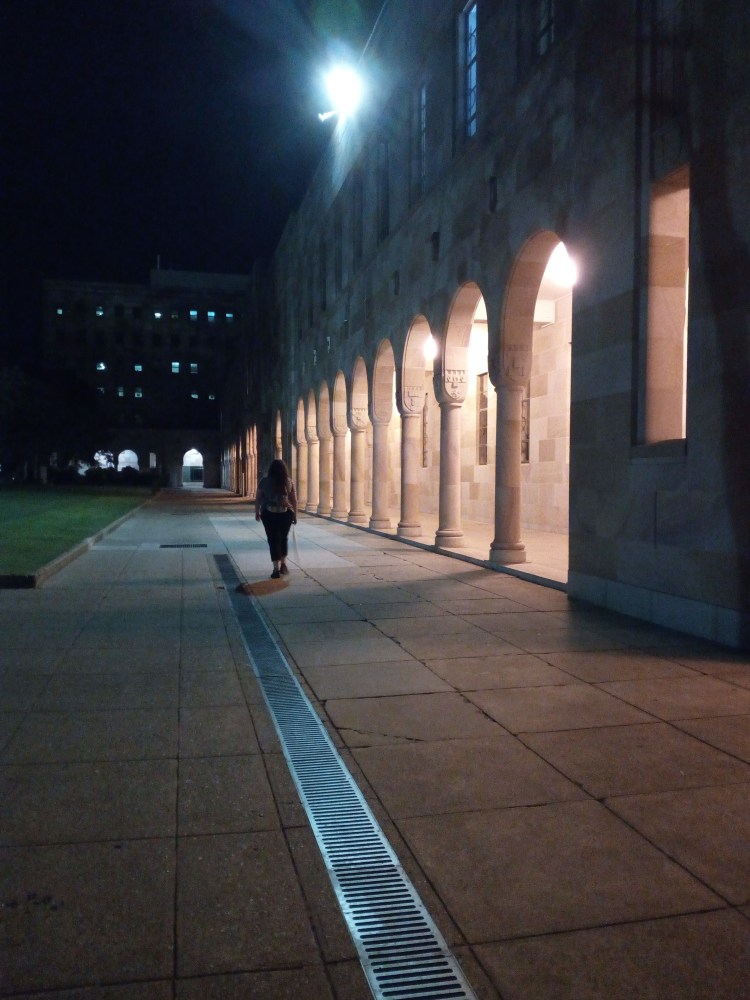

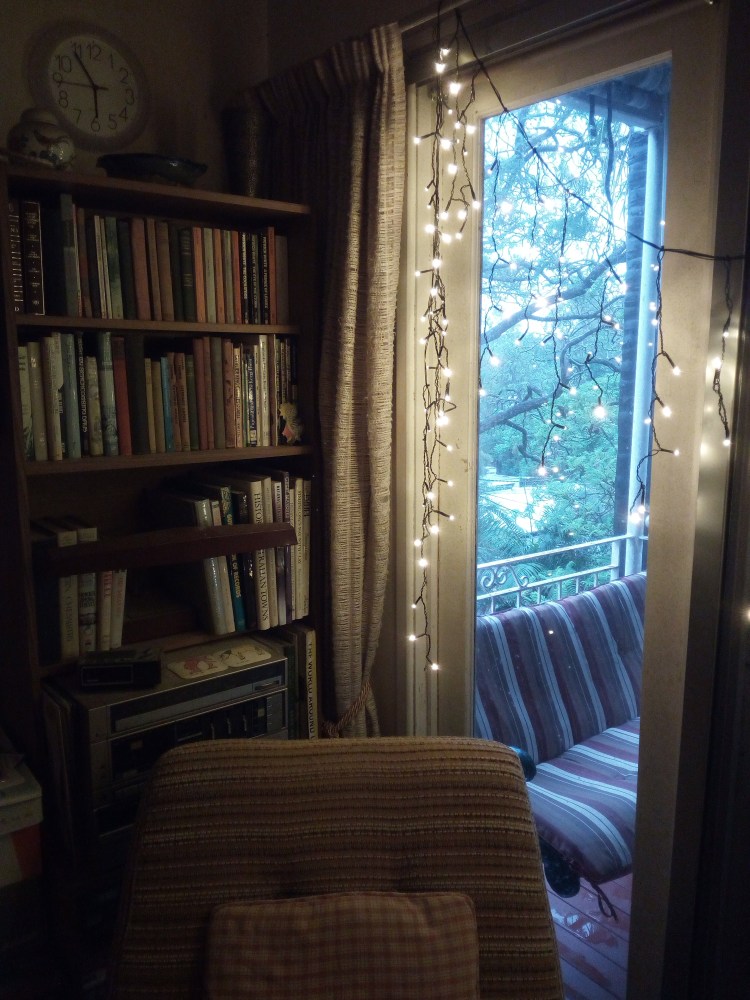


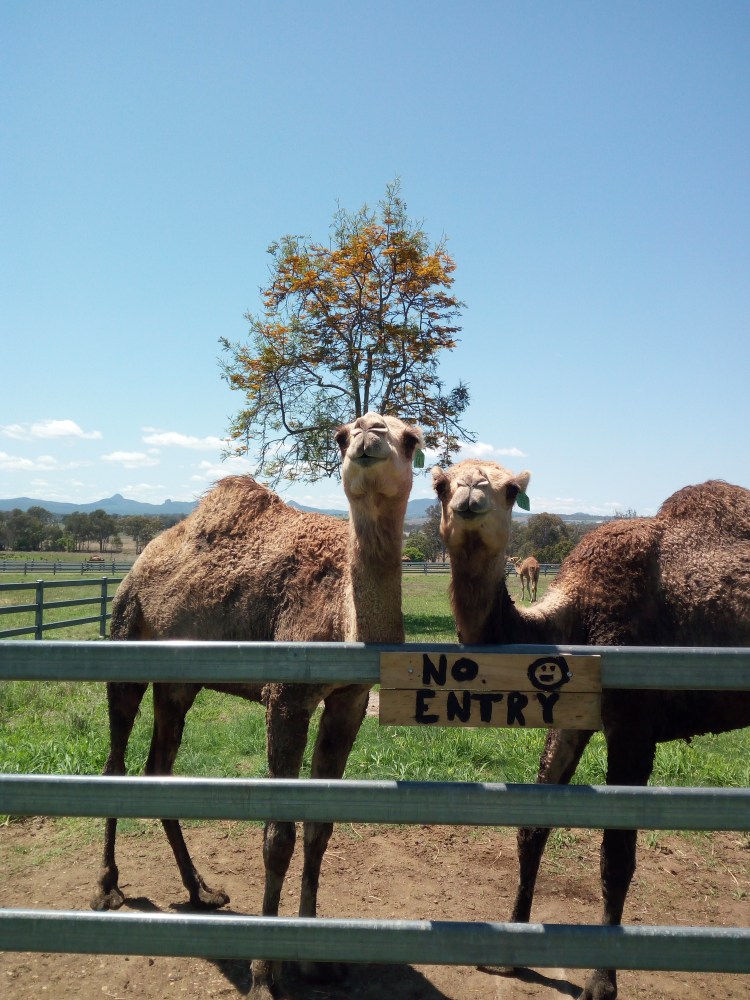
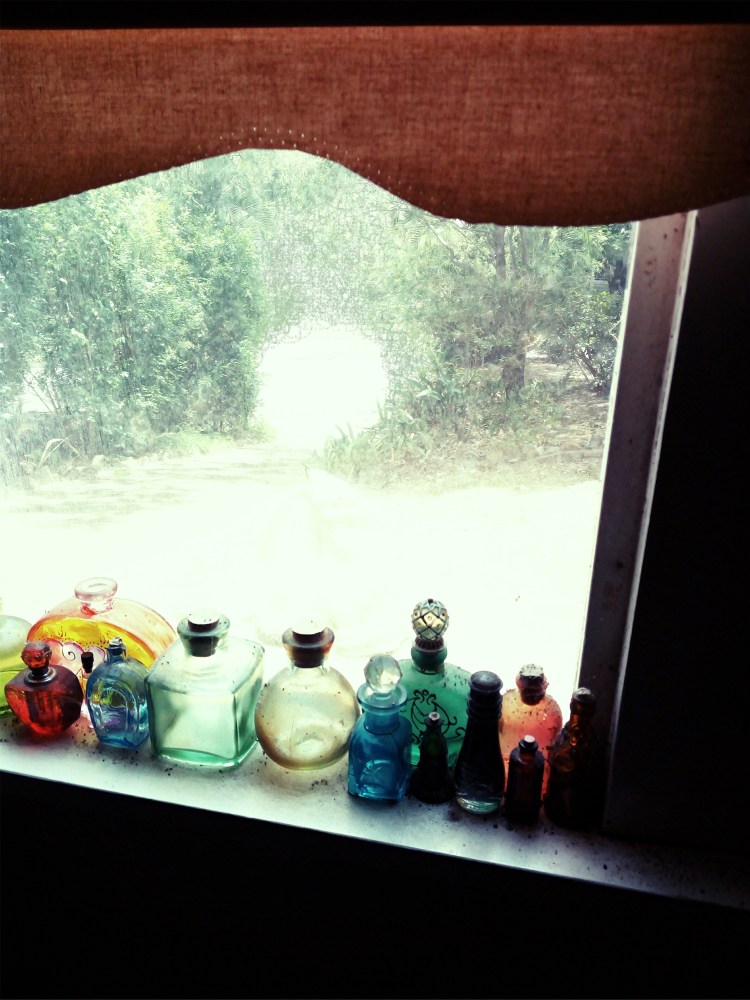





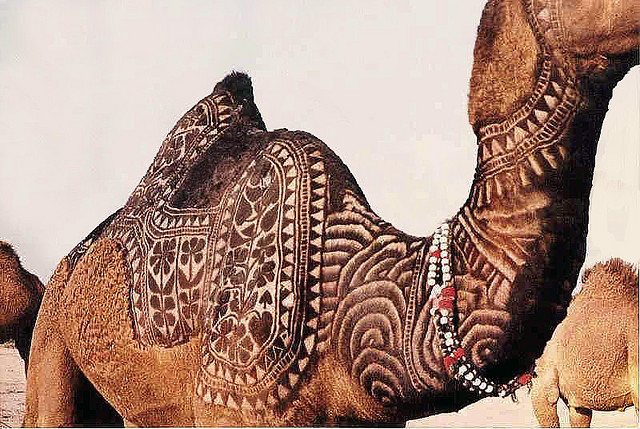
Check out these camel hairstyles! Proud cameleers display their abilities in various competitions from camel racing to designer shearing. Love those patterns! Camels are versatile, thriving in harsh desert conditions similar to the Australian outback. Since visiting a local camel dairy farm, I read the blog of Dr Raziq of Communities Animal Genetic Resources and Food Security to discover more about the biodiversity of original camel country. And beautiful camel hair designs.
♥ Gretchen Bernet-Ward

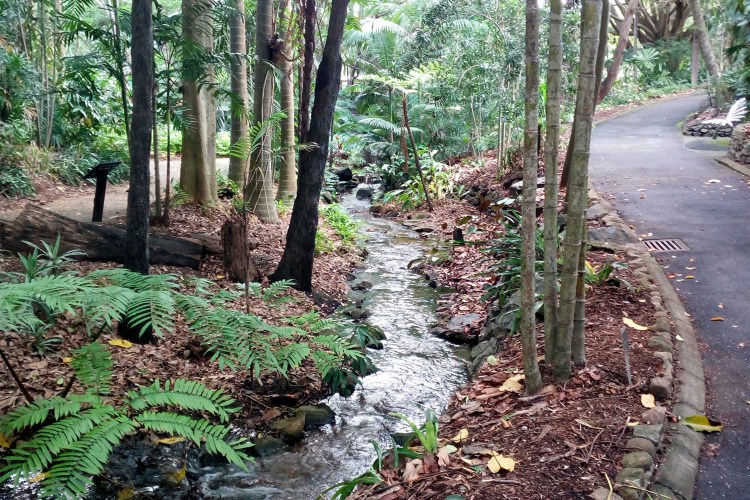
Coming out of a hot dry summer, March weather is beginning to soften the sky and offer the cooler, more gentle mornings of autumn. There is no definite change of season, just a calmness, almost a feeling of relief after the insistent tropical heat.
Apart from, whack, an insect, there’s something serene and relaxing about strolling through a garden, touching leaves, sniffing flowers, following a creek and hearing the splash of a small waterfall through the trees.
To quote Rudyard Kipling “The Glory of the Garden it shall never pass away!” so…


Arriving early at the Brisbane Mt Coot-tha Botanic Gardens, I strolled through a cool, green gully and thought it was strange to be in a capital city yet hear no traffic sounds. I floated along, enjoying the stillness, until my personal calm was shattered when the garden crew came on duty and the leaf- blowing brigade roared into action. I had to wait until one fellow walked out of shot to photograph Xanthorrhoea australis, the Grass-trees (below; left). The atmosphere shuffled its feathers and tranquility returned.


Leisurely, I followed the meandering paths across bridges and green lawns, enjoying the mild sunshine. Strolling down a slope, I came to a bracken-lined watercourse then walked up a gentle incline towards king ferns, piccabeen palms and towering hoop pines. I’ve never fully traversed the 56 hectare (138 acre) area which displays mainly eastern Australian plants.
You can spot Eastern Water Dragons (lizards) and geckos as they scurry out of sight or get a giggle watching the many varieties of water fowl, ducking and diving in the lake. Feeding wildlife is not allowed and I couldn’t entice them into an appealing photograph.
Sculptural features are ‘casually’ placed throughout the gardens and I think the most alluring is a silver fern seat (below; left) with interesting support.


The Japanese Garden (below; entrance and pond) offers soothing symmetry and a waterlily’s single bloom. Nearby the concert bandstand has grass seating surrounded by trees with foliage of different patterns and colours. Around me, there’s a multitude of subtropical shrubs, cycads and flowers with names I never remember. You will notice that I do not attempted to be horticultural! A bit further along, in the arid zone, resides a sci-fi concoction of exotic cacti. The culinary, fragrant and medicinal herb gardens are pure indulgence. But if herbs aren’t your thing, the pungent eucalypt is my favourite and walking the Aboriginal Plant Trail with its edible food plants.


The stillness of the morning created pleasing reflections on the lagoon which is fed by rainwater captured from the hills. You can choose between typical heathland or wetland regions made easily accessible for suburban folk. The Conservation Collection includes rare and endangered species in their natural habitats and I entered the steamy, geodesic hothouse (below; left) where equatorial plants are nurtured. My face beads in sweat, it’s not a place for humans to linger too long. Time for an ice-cream!


Outside the entry are several buildings of interest: Sir Thomas Brisbane Planetarium (below; saved from extinction by a vocal community uprising) large carpark, small art studio, specialist library and auditorium providing a variety of events. I have booked a place in a workshop Monoprinting Australian Native Plants, so a blog post may be forthcoming. The new Visitor Information centre offers guided walks and Gardens Café has the ice-cream. The two white-coated fellows outside the café are entomologists, surviving statues from World Expo 88.


The Mt Coot-tha Botanic Gardens Children’s Trail is a hide-and-seek ramble through the shady rainforest garden with special works of art dotted along the way and I couldn’t resist following it myself. Check out the wacky weathervane! And a log for native stingless Sugarbag bees. Mother and baby Panda bears enjoy the bamboo; they are a special fabrication of laser-cut aluminium by Australian sculptor Mark Andrews.


Parks and gardens change with horticultural trends. The smaller City Botanic Gardens are older and more formal, in keeping with the style of previous centuries, but I prefer the softness of Mt Coot-tha Botanic Gardens. As the world becomes more populated and natural plant life decreases, Brisbane city dwellers like me need our botanical gardens to nourish and refresh our screen-dependant interior lives.
♥ Gretchen Bernet-Ward


Note: Please click or tap an image to enlarge.
You may also like to read about my visit higher up the road at Mt Coot-tha Lookout.

Nasturtiums like to grow free-range in the sun with well-drained soil but I planted the seeds in an old hanging basket under the verandah and watched their lifespan over three months from warm September mornings in springtime to steamy January afternoons in summertime.
♥ Gretchen Bernet-Ward


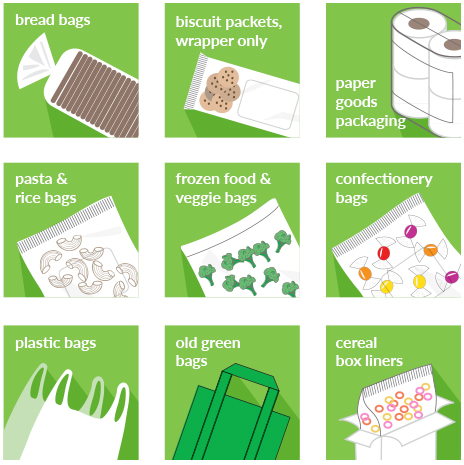
The “NO” items should be recycled in the usual way. Please note the REDcycle Program has been developed for post-consumer household plastic. Participating supermarkets are not obliged to accept large volumes of commercial plastic waste. Please visit http://www.redcycle.net.au/


The Koala is a laidback leaf-muncher who gets hassled by the bad boys of the Aussie bush. Not by other native animals but tree-lopping developers and domestic pets. Koalas are a unique marsupial which needs human protection to survive. And eucalyptus trees, of course.


At Lone Pine Koala Sanctuary, an 18-hectare Koala conservation park in the Brisbane suburb of Fig Tree Pocket, Queensland, there is a new facility dedicated to Koala health and well-being. I paid them a visit to learn more…

The Koala (Phascolarctos cinereus, not a bear) is an arboreal herbivorous marsupial native to Australia. It is the only extant representative of the family Phascolarctidae and its closest living relatives are the wombats.
To quote the KOALA SCIENCE COMMUNITY dedicated to Research, Connect, Protect:
“United by a common purpose to conserve koalas across their range, Lone Pine Koala Sanctuary and Brisbane City Council worked together to build and establish the Brisbane Koala Science Institute, located at the sanctuary in Brisbane, Queensland. The Institute and this online community are further supported by Lone Pine’s not-for-profit organisation, the Research for Nature Foundation, which will help fund various South-East Queensland koala projects, in partnership with local scientists, researchers, and industry professionals.
Our aim is to bring together like-minded individuals in a knowledge-sharing environment to foster innovation, facilitate collaboration, and enhance accessibility, with the aim to deliver real, practical outcomes beneficial to the local wild koala populations.” Affiliated with https://www.zooaquarium.org.au/index.php/world-class-koala-research-facility-now-open-at-lone-pine-koala-sanctuary/

At the unique Brisbane Koala Science Institute at leafy Lone Pine, I was pleasantly surprised at how much Koala information I absorbed in a short space of time. There are interactive (and multilingual) displays, research labs with public viewing areas and a koala observation area.
♥ Koalas have special teeth for grinding down eucalyptus leaves which ferment creating sleeping patterns which mean they can sleep more than 18 hours a day. ♥ Koalas have large, strong claws to help them climb smooth-barked eucalyptus trees. ♥ A Koala baby, joey, lives in the mother’s pouch for six months then grows up to become a big eater, consuming about one kilogram of eucalyptus leaves per day. ♥ Koalas front paws can grip small branches as they reach for the juiciest leaves. ♥ Koala lifespan is between 10 to 16 years which naturally depends on environmental conditions.


Although I focused on the Koala, there are many more unique Australian species to see here, from kangaroos to cockatoos, eagles to emus in a beautiful bushland setting. I recommend the following link and video highlights featuring all the wildlife residents of Lone Pine Koala Sanctuary:
https://www.koala.net/en-au/wildlife
https://www.youtube.com/watch?v=T_XXqPirJUU

And here’s my link to a post I wrote last year:
https://thoughtsbecomewords.com/2017/09/01/save-the-koala/
You can adopt a Koala through Australian Koala Foundation.
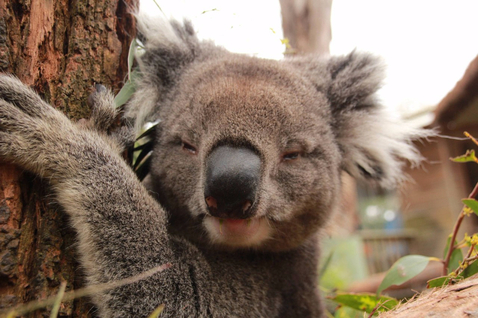
Thank you, Lone Pine Koala Sanctuary for a relaxing, informative and enjoyable visit.
♥ Gretchen Bernet-Ward
These vivid flowers would be perfect at Christmas time. But, no, this spectacular red Callistemon, an Australian native Bottlebrush, flowers in springtime and early summer. It has long fluffy tubular flowers that look beautiful in gardens and taste delicious to all kinds of native birds, insects and other wildlife. The flower 'brushes' are so soft, not spiky at all.There were two Rainbow Lorikeets hiding in the branches, eating the nectar and chatting away, but they wouldn’t keep still for a snapshot. I saw this long row of flowering plants in an industrial-type setting in Brisbane yet Callistemon grows in every location, tall shady trees to knee-high potted shrubs and used as groundcover.
Information from this website Australian Plants Online Flowering Callistemon indicates that I’ve photographed 'Hannah Ray' which is 4 metres high and suitable for streetscapes. It brightened my September day! ♥ Gretchen Bernet-Ward


