Peculiar Place to Sleep

♥ Gretchen Bernet-Ward
Miscellaneous Collection by Gretchen Bernet-Ward
♥ Gretchen Bernet-Ward
In the depths of a July winter here in Brisbane, Queensland, I am sitting with a cold nose and knees, contemplating warmer weather. Our winters probably seems mild to those countries with ice and snow. We have misty mornings then clear blue skies and by lunchtime some clothing layers can be removed for a couple of hours before the cold creeps in again.
The issue is home heating. Of course, I am not talking about the hermetically sealed grey boxes of the millennium. This older house is built like thousands of others—for the heat. We don’t have a fireplace, we don’t have insulation, we don’t have ducted heating, but we do have reverse cycle air-conditioning. Problem is the unit swirls the air around at the edges so it never feels warm enough.
Brrr! This is where an old three-bar radiator and a portable column oil heater come in handy for three months of the year.
So saying, we human beings are a contrary lot—I enjoy the wintertime.
Winter is more conducive to a brisk walk before settling down to writing. Cold weather calls for cosy pursuits. In a hot, humid summer, it’s more a case of lying around gasping after foolishly thinking some physical exercise like gardening was a good idea. The lush, rampant growth of a subtropical summer is a sight to behold but right now the garden lacks happy vegetation; the leaves are brown, the grass is sparse, the earth is hard and dry.
This morning the temperature is currently 8 degrees Celsius, the sun is shining but the air is freezing. Well, maybe not. We don’t really do freezing, more on the chilly side. I am going to make a hot beverage and pull on an extra pair of socks.
♥ Gretchen Bernet-Ward

Pumpkin scones are a traditional morning tea favourite in Queensland. Unsophisticated yet delicious, these golden scones were much-loved by the late Lady Flo Bjelke-Petersen, politician and wife of former Premier Sir Joh Bjelke-Petersen, and she often baked them for public occasions.
Seen as tea-time treats, they are available by the half dozen in bakeries and displayed in the cookery section of annual shows and exhibitions. For home cooking, pumpkin scones have stood the test of time due to their quick preparation and adaptability. They can be eaten sweet with strawberry jam and whipped cream, or savoury with cheddar cheese and chutney.
For full flavour, pumpkin scones are best eaten warm from the oven, but they store well and a quick turn in the microwave gives them a boost on a chilly morning.

3 cups self raising flour
pinch salt
½ cup sugar
1 tablespoon butter
1 cup mashed pumpkin – cooled
1 egg
milk
Cream butter and sugar. Add egg, add mashed pumpkin. Sift in flour alternately with enough milk to make soft, light dough. Pat out or roll on floured board to desired thickness. Cut with round cutter. Place on tray and brush with milk or lightly dust with flour. Bake in a hot oven. Serve warm; plain or with topping.
Above recipe is adapted from Jenny Purvis, “Kilmarnock” Clermont, Queensland.
Courtesy of “Country Hospitality: A Comprehensive Cookery Book” compiled by the Clermont Branch of Isolated Children’s Parents’ Association 1984 edition.

A prayer follows the foreword by former Executive Officer, Queensland Council ICPA, Mr E C Powne MBE, and reprinted below:
Bless my little kitchen, Lord,
I love its every nook,
And bless me as I do my work,
Wash pots and pans and cook.
May the meals that I prepare,
Be seasoned from above,
With thy blessing and thy grace,
But most of – thy Love.
As we partake of earthly food,
Thy table Thou has spread,
We’ll not forget to thank thee, Lord,
For all our daily bread.
So bless my little kitchen, Lord,
And those who enter in,
May they find nought but joy and peace,
And happiness therein. Amen.
♥ Gretchen Bernet-Ward
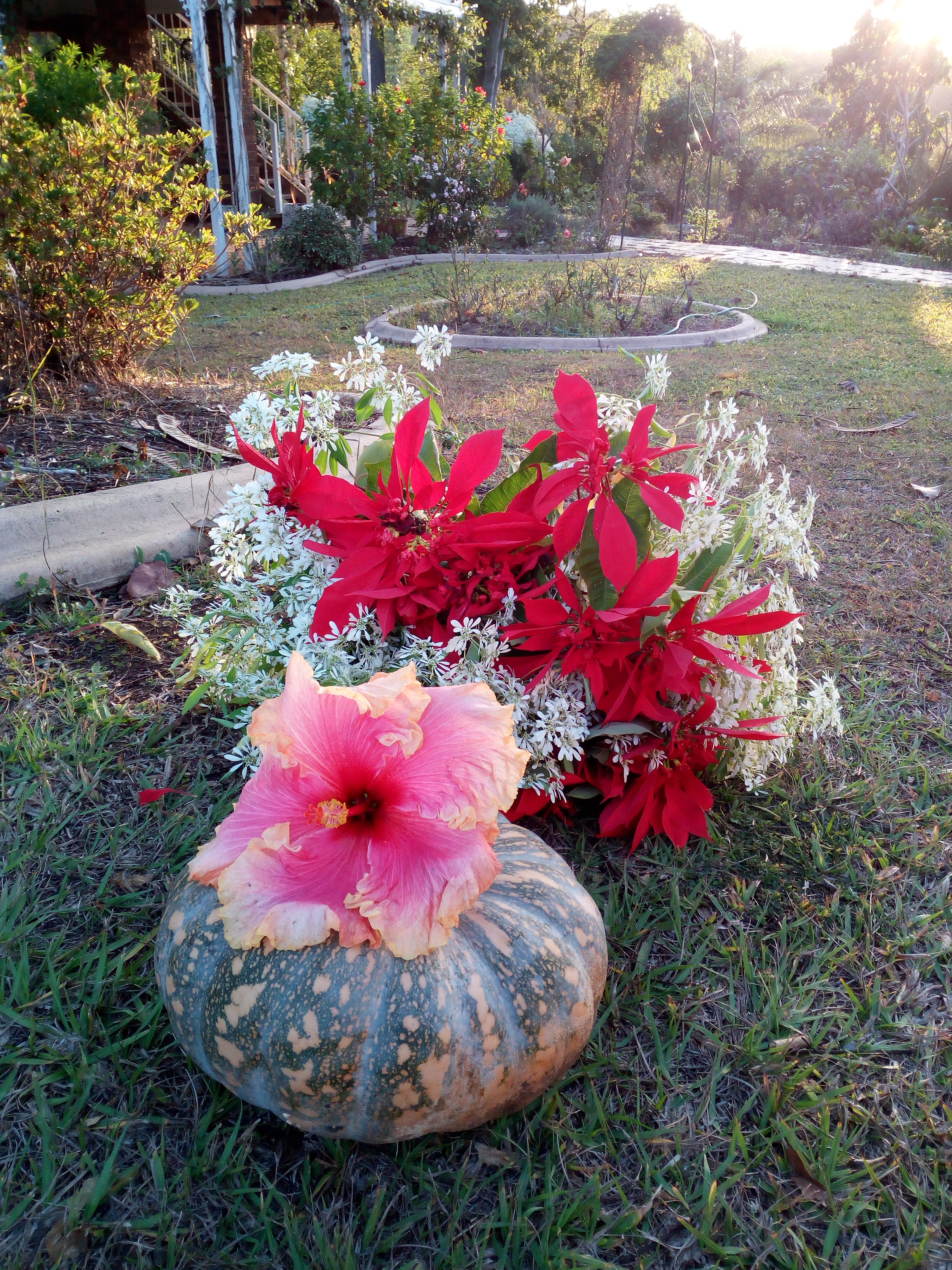
ADDENDUM: Kent pumpkin (also known as Jap pumpkin) has ribbed, grey-green mottled skin and golden yellow flesh. This pumpkin is of the sweeter variety, perfect for pumpkin scones, salads and baked dishes. Great mashed, roasted or steamed and mixed with a variety of sweet or savoury foods. Pumpkin is an excellent source of beta carotene and contains dietary fibre, potassium, and vitamins C and E for good health.
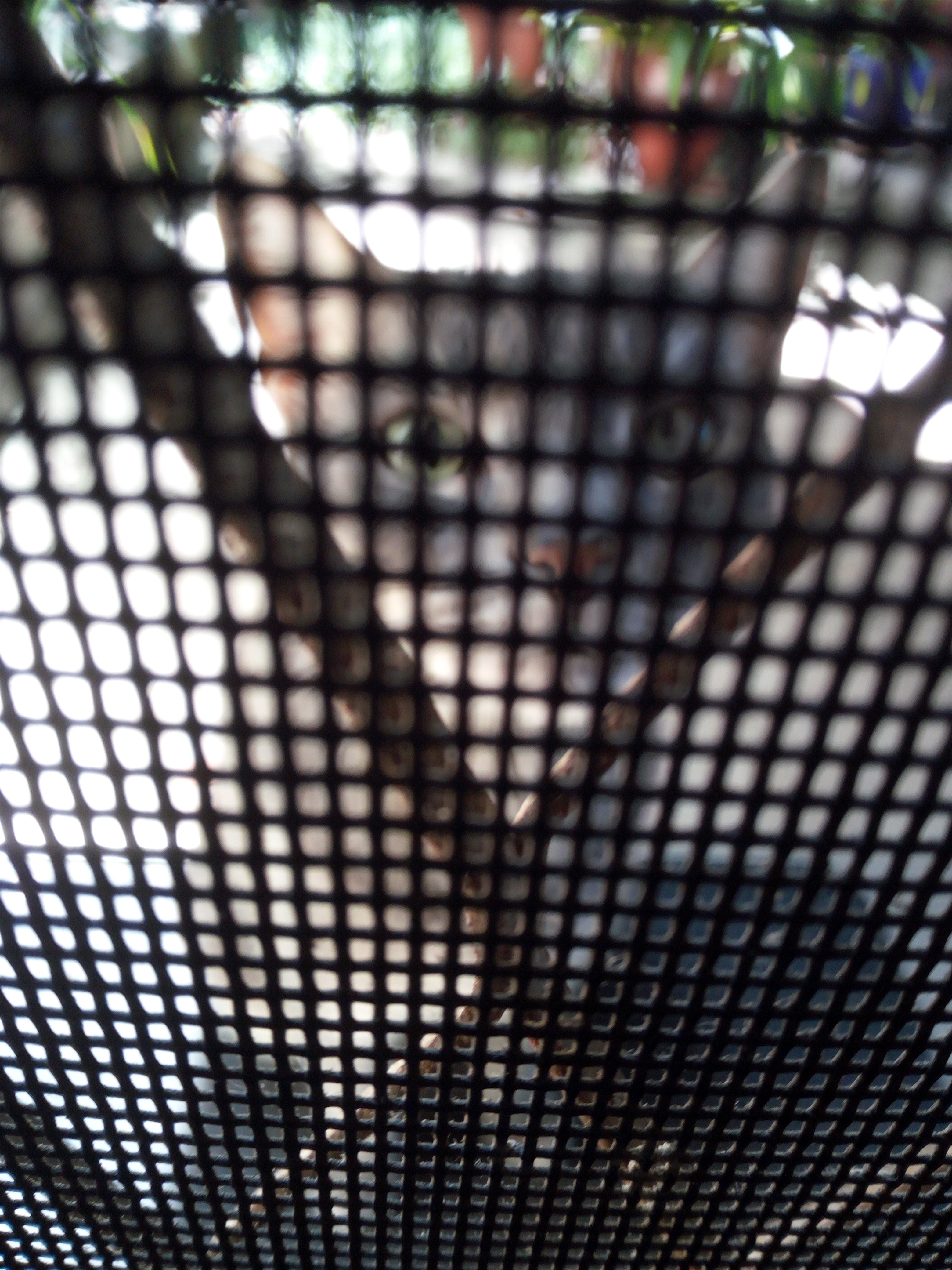
The cat stared through the screen door as though Darth Vader was chasing him. “You are my only hope, G-Obi-Wan Kenobi.” I doubted that, but knew in these pandemic-plagued times there are thousands of pets being abandoned just when a person-pet bond is needed the most.
The day before materialising at our back door, this grey cat had meowed in a distressed and pitiful fashion outside our house.
I had seen him doing similar acts of desperation at other houses. One evening when I left to buy groceries, he ran across the road in front of my car. “That darn cat,” I muttered.
And then later, well, I leaned over and a small piece of sausage happened to hit the concrete below the balcony—it was pounced upon and disappeared immediately.
The cat licked his lips and the glint in his eye said “Foolish move, human”.

Next morning he was waiting outside the door as I filled the kettle with water and popped bread into the toaster.
Tentatively he began to meow. Gradually he started a high-pitched, upset-cat mewling. As he wailed, he placed a paw on the screen door. He started twanging on the metal mesh.
The noise reverberated around the metal door frame. I told him to cut it out or he might impale himself “Hanging by one paw won’t get you sympathy”. Ping. Ping. Ping. He timed it just right. Every. Time.
I gave him some cooked chicken and he practically breathed it in.
Our late lamented dog would have been disgruntled to see a cat lapping at her water bowl. But I think she would have appreciated the irony; the ceramic pattern of dogs and bones.


It became apparent that he was desperate to come inside. Just what I did not need. An inside cat. With my allergies.
He was quickly named Jo-Jo. As we try to navigate the back door, you may recall The Beatles song and understand why this name stuck.
As befitted a homeless feline, Jo-Jo was lean with dull, dusty fur. I visited the local pet supplies warehouse and came out with a heavy carry bag and a lighter bank balance.
One week later and Jo-Jo is still yowling at the back door and pinging the mesh screen.
But our stray is sleeker, his meow is less anxious, and his is more accepting of the morning-evening no snacking between meals timeline. He doesn’t have the luxury of grazing because other creatures, like ants and possums, are partial to cat food.
Jo-Jo is partial to a chin-scratch.

As I type this today, Jo-Jo is languishing on our doormat in the warm autumn sun, fur gently ruffled by the breeze, safe in the knowledge that there is a cat cubby to snuggle into when the evenings grow cooler. Dozing, sleepy now…
Yesterday was different. I saw a mysterious lump in the grass of our backyard. A blob of something which blowflies were finding mighty interesting.
It was a bird, a dead bird. Minus its wings. A murder scenario was easy to reconstruct, but hard to fathom. It looked more like a destructive act than a burning desire for a fresh meal. The next bird was brought to the backdoor as an offering.
A decision will have to be made on the future of Jo-Jo. Find his owner? Find a foster home? Send him to the animal shelter? Take him to the vet for a microchip scan? Cat-proof the house…? Time will tell.
A discovery has already been made—our stray waif is a ‘she’ not a ‘he’.
♥ Gretchen Bernet-Ward
RSPCA Australia COVID-19 Response
Like all of us, the RSPCA is closely monitoring the coronavirus/COVID-19 situation. We’re very aware of the possible risk to our people and impact on animals. It’s possible that minimising this risk may require some changes to our operations. For helpful advice to avoid inconvenience, please check our website and social media (Facebook, Twitter) regularly.
Information on COVID-19 and Companion Animals
There is no evidence that companion animals play a role in the spread of this human disease or that they become sick if they are exposed to the virus. However, you should stay informed about how to minimise the effects of self-isolation or hospitalisation on your pets. View all articles related to COVID-19 on the RSPCA Knowledgebase.

The book title is a typical Darwin expression with good connotations, and Mocco says she is an optimist, she lives on hope and in hope. Originally from Germany, she worked hard with what she had, overcame obstacles and adapted to Australian life with her Aussie-born daughters Susan and Kim and beloved husband Niclas.
The other love in her life is Darwin, 1950s Darwin, at the Top End of Northern Territory. No supermarkets, no fancy restaurants, definitely no air-conditioning, miles and miles of dirt roads, and at that time populated by about 8,000 people. Tough, rough and ready people at that.
The chapters of Mocco’s book are grouped under headings, for example ‘Beginning the Adventure’, ‘Career Change’ (actually a couple of career changes) ‘Health Matters’ and ‘Decision Time’ all of which prepared me for her decade of thought-provoking reading.
Understandably there are heart-rending moments like depression in ‘A Night of Gin’ and the 1974 Cyclone Tracy devastation.
I remember sitting under our ceiling fan watching the ABCTV news on Boxing Day, 26th December, as black and white film footage showed our nation the flattened landscape which was once Darwin. On a lighter note, it was rebuilt and continues to thrive, as did Mocco. Small moments often stick and I enjoyed Mocco’s recollection of wigs and frizz hair-related matters in ‘Hairdressers’ where men were taboo.
Under the subheading ‘Sport’ on page 211, I think this paragraph typifies the tenacity of Darwinites and perhaps a large area of northern Australia. “In spite of the heat and humidity, people played sport. Golf was Niclas’ passion and he became quite a good golfer with a handicap of 16. Watching today’s golf tournaments on television, I marvel at the green fairways and manicured greens. There was none of this in Darwin. The fairways were rough and, in the dry season, as dusty as a (cattle) station in drought. The ‘greens’ were sandy plains without a blade of grass.”

There are 47 photographs throughout the book, vivid examples of the era, and a pictorial of Darwin homelife which includes Mocco in weather so scorching she wore a bikini to hang washing on the Hills Hoist. And there is a great little story behind the snapshot of her small daughter meeting Queen Elizabeth II. Not telling, you’ll have to read the book!
‘Bloody Bastard Beautiful’ is Mocco Wollert’s tribute to Darwin, an intimate recollection of a more rugged time in 20th century Australia, told openly and honestly, and ultimately life-affirming.
♥ Gretchen Bernet-Ward
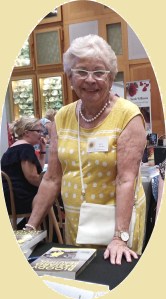 Born in Germany but a true-blue Darwinite by 1960, Mocco Wollert is now a recognised poet and author who lives in Brisbane, Australia.
Mocco has nine poetry books published as well as winning prizes for poems published in newspapers and anthologies.
Her Darwin memoir ‘Bloody Bastard Beautiful’ was first published by Historical Society of Northern Territory and later by Boolarong Press 2017.
For information on today’s Northern Territory, visit https://www.australia.com/en/places/northern-territory.html

♥ Gretchen Bernet-Ward


♥ Gretchen Bernet-Ward


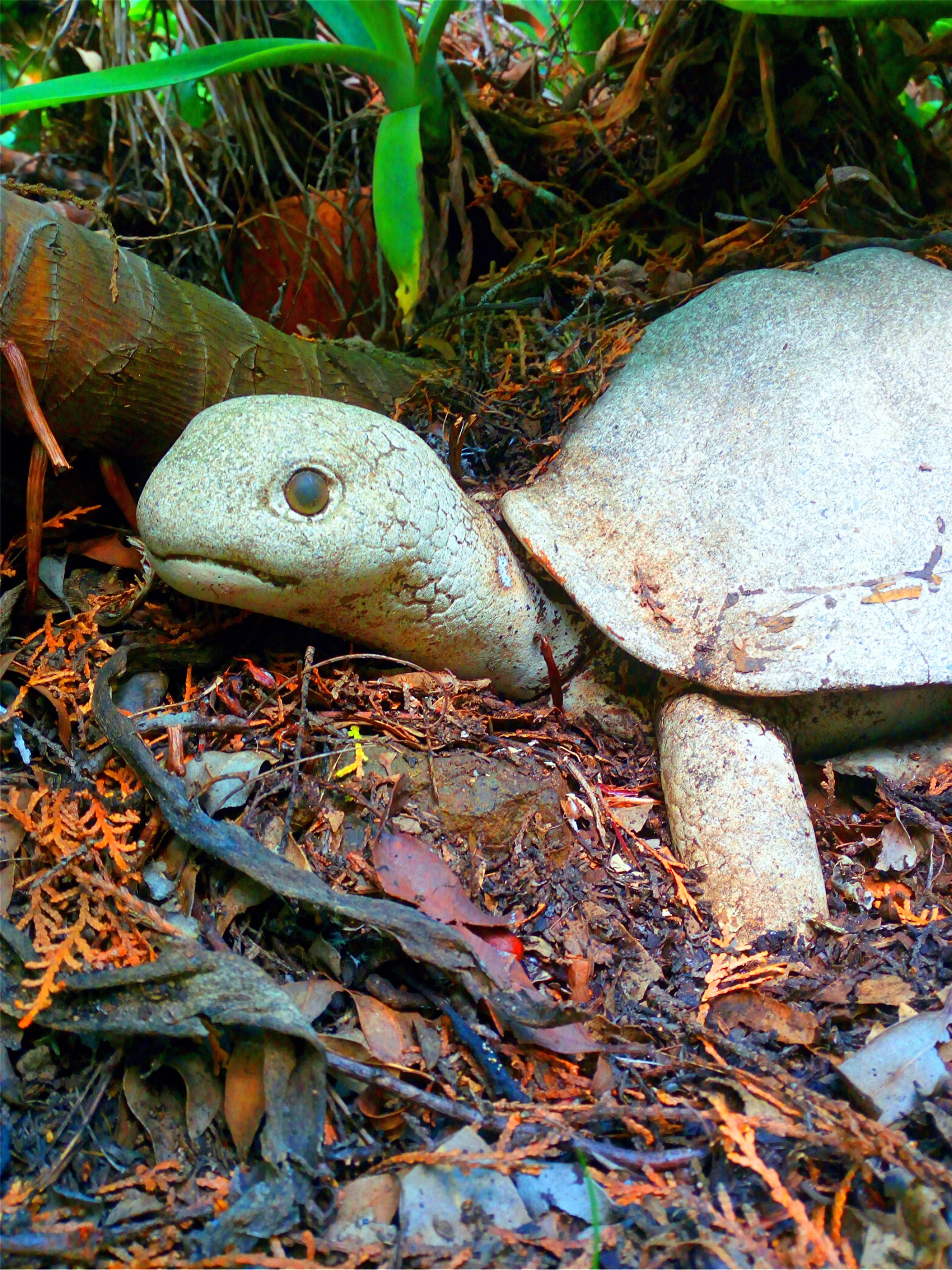
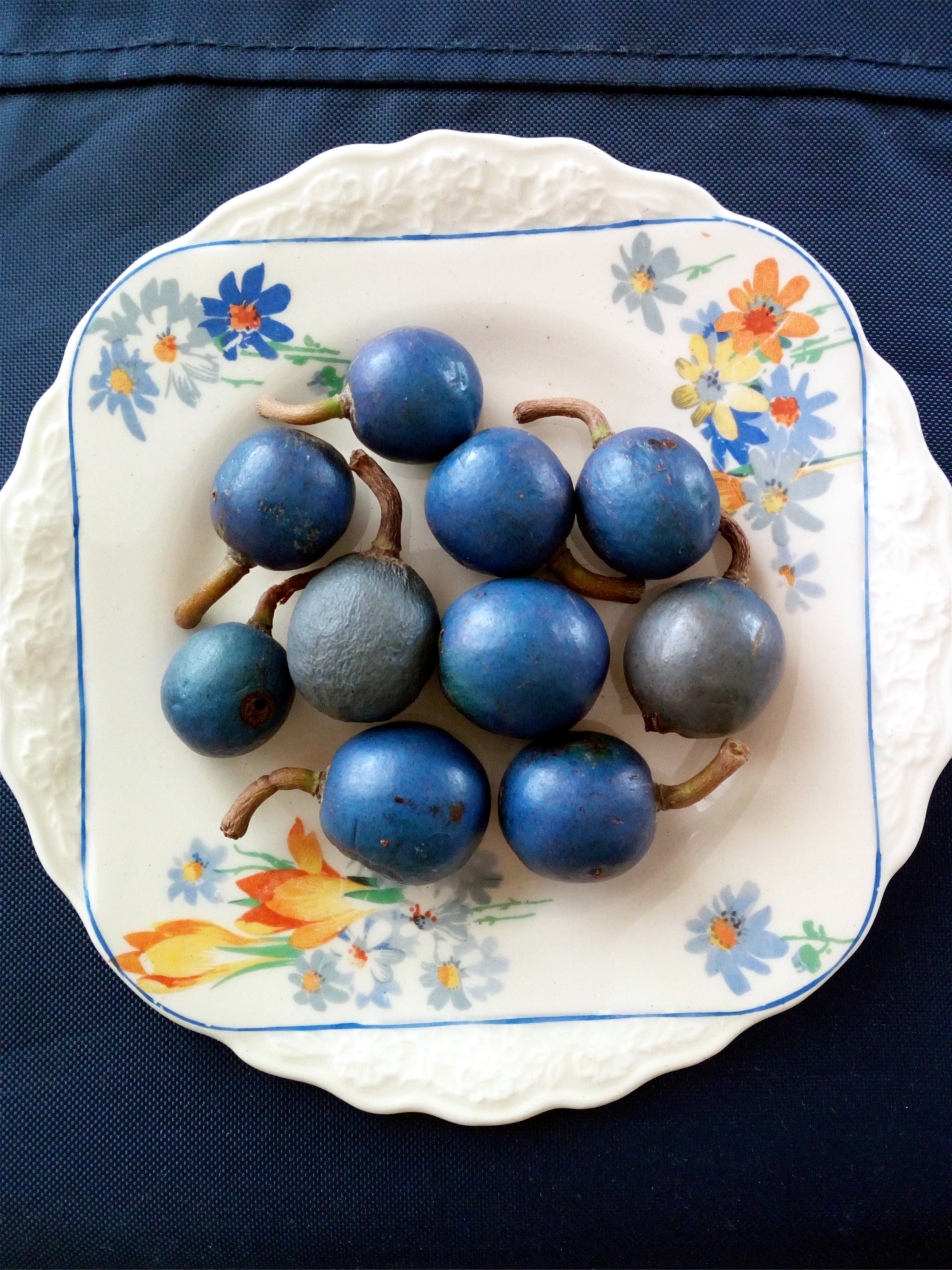
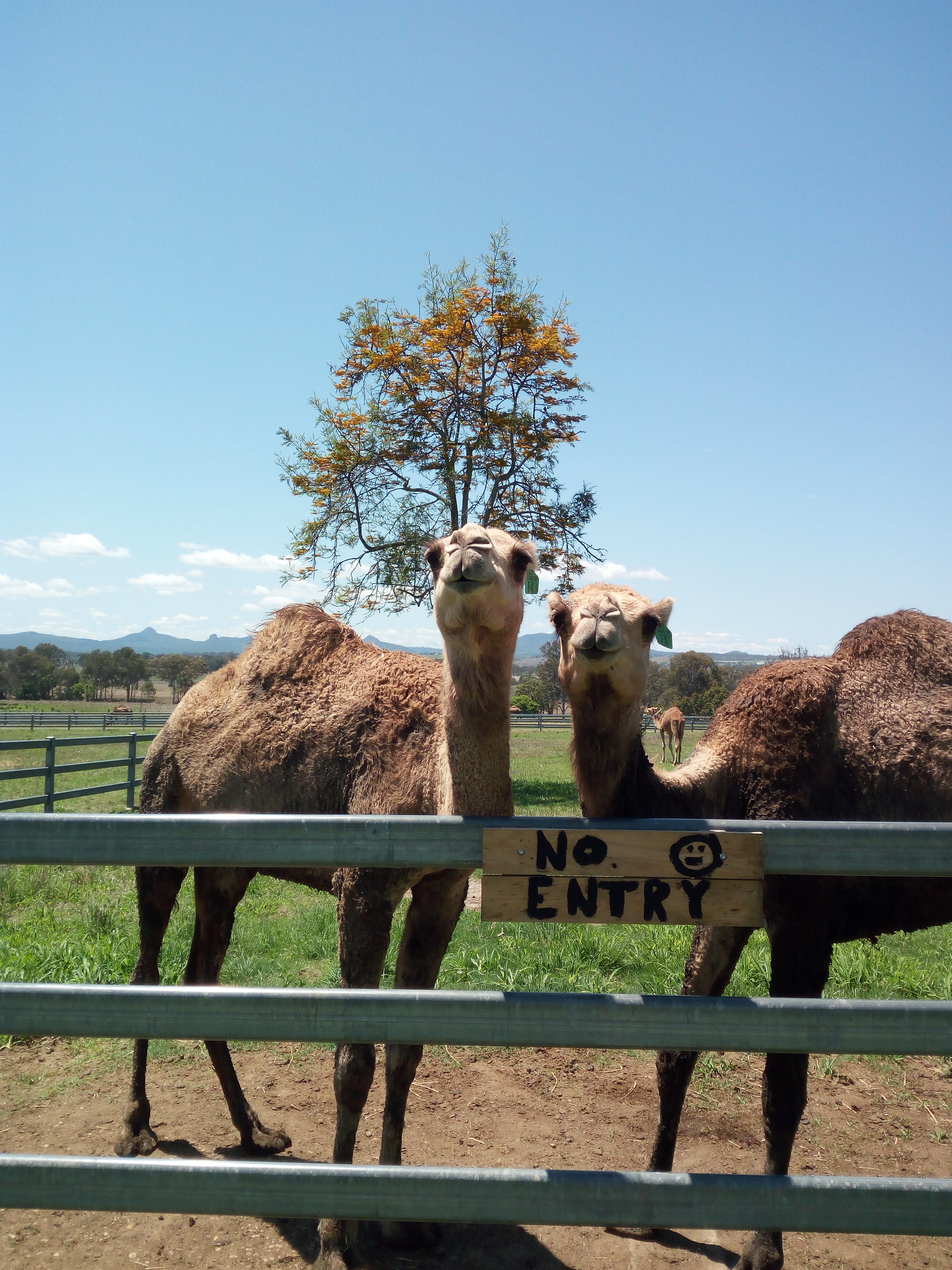
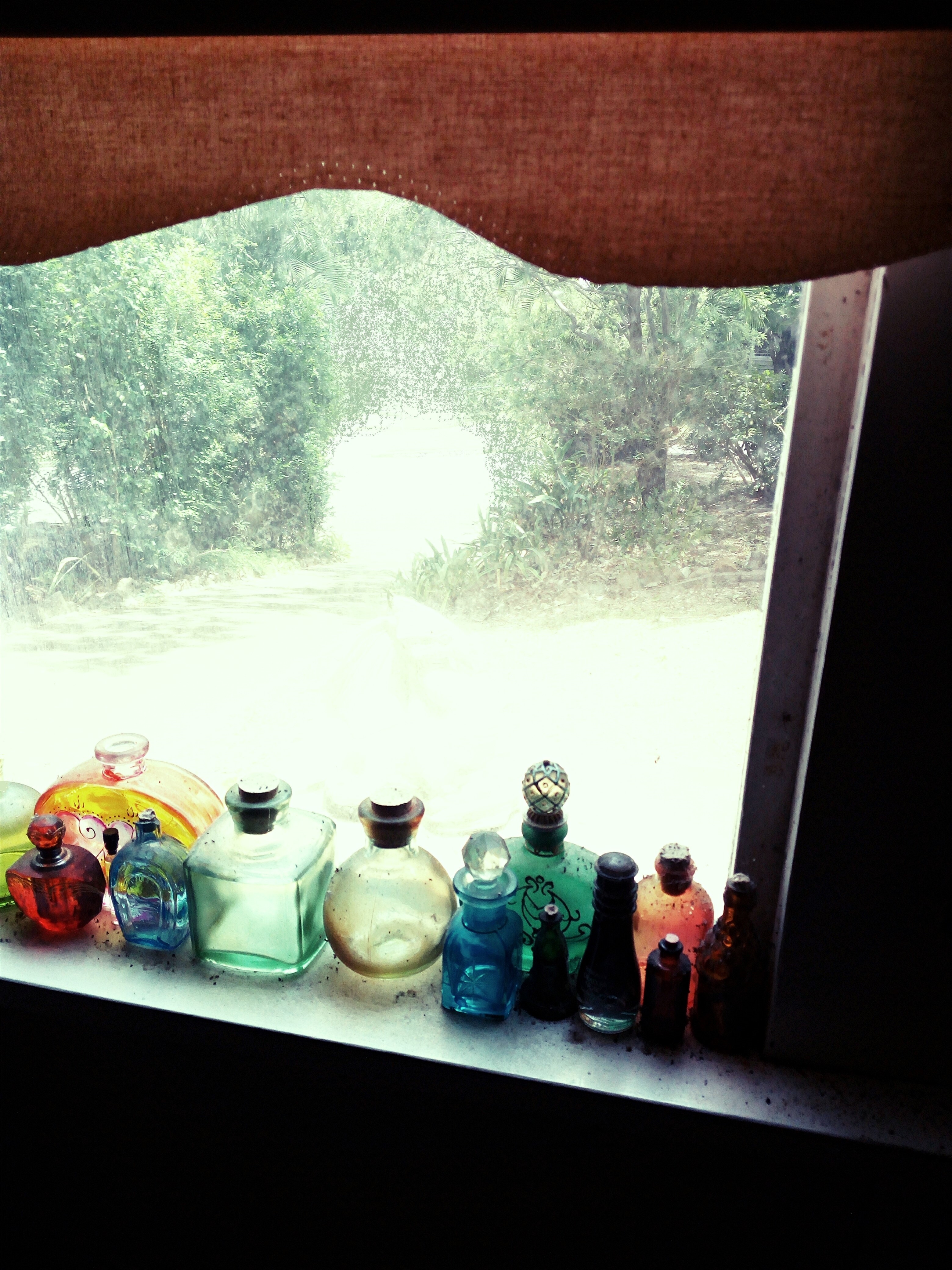
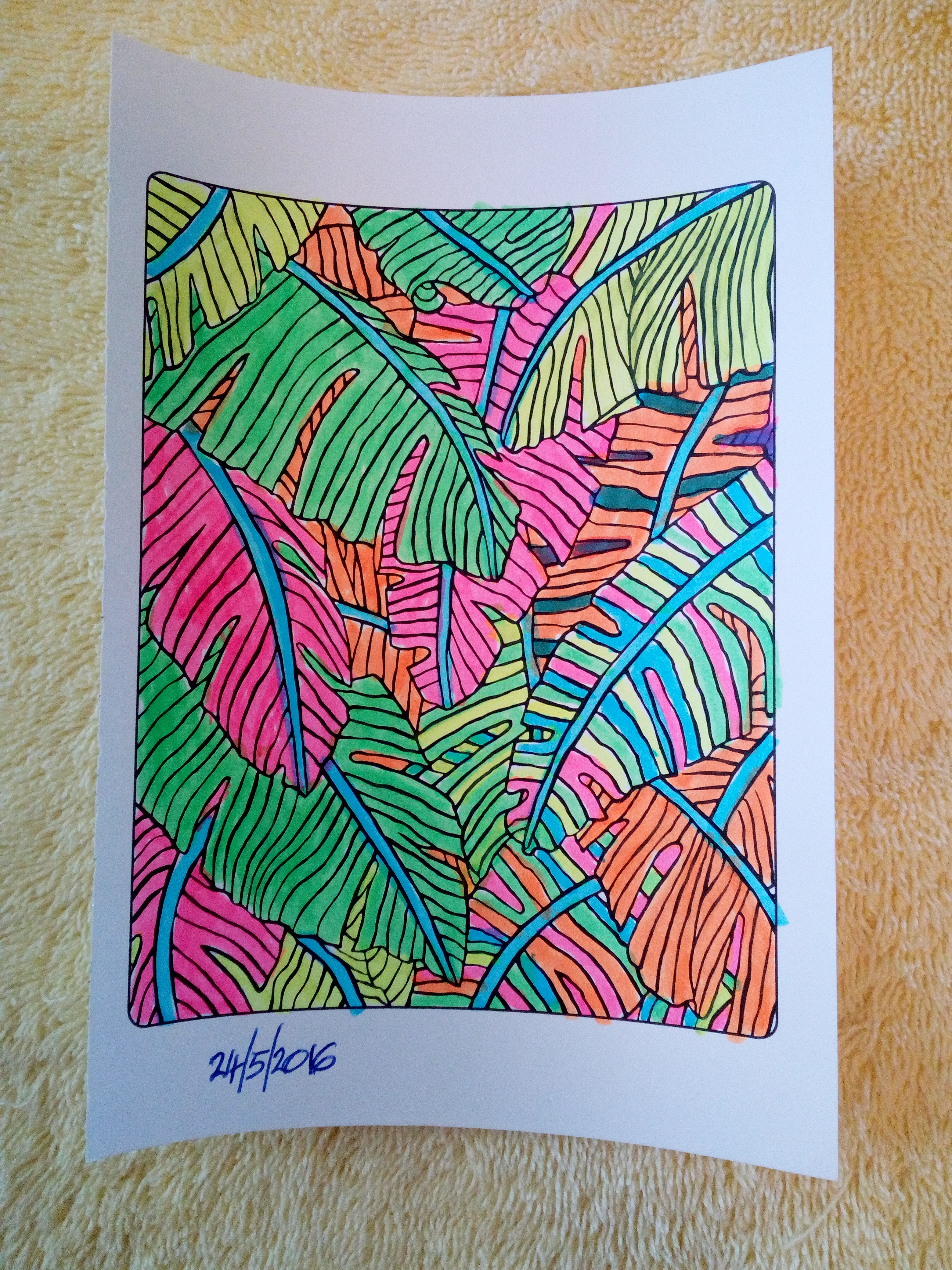
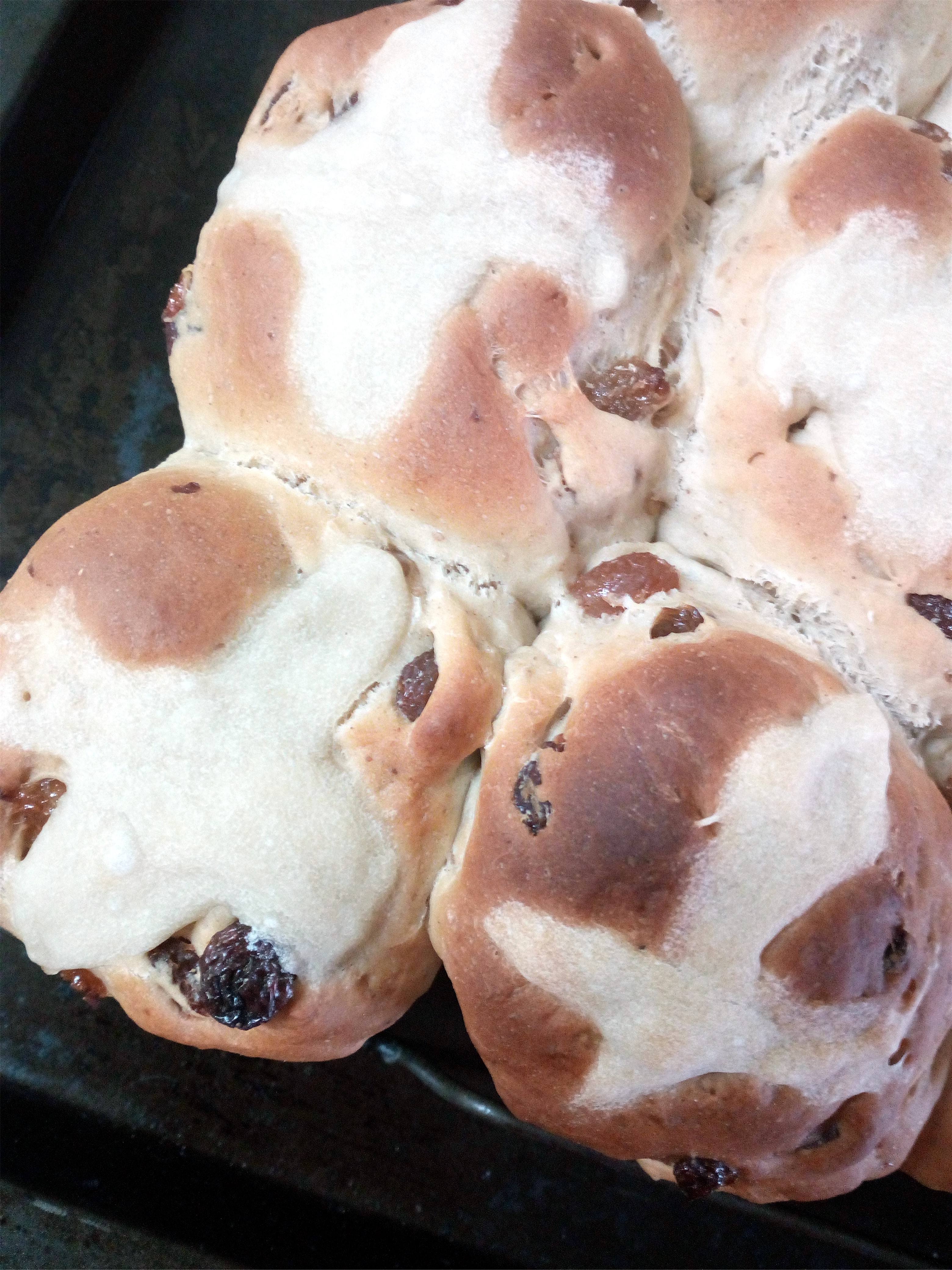
Readers of my blog often go straight to my current post which detours Photo Of The Week on my Home page. I’ve gathered together some of my favourite shots—just in case you’ve missed a couple!
♥ Gretchen Bernet-Ward












♥ Gretchen Bernet-Ward

Nasturtiums like to grow free-range in the sun with well-drained soil but I planted the seeds in an old hanging basket under the verandah and watched their lifespan over three months from warm September mornings in springtime to steamy January afternoons in summertime.
♥ Gretchen Bernet-Ward


 Thoughts Become Words