Three Things #12

THREE THINGS started back in June 2018, an idea from Paula Bardell-Hedley of Book Jotter under the headings READING LOOKING THINKING and it seems I am the only participant left standing.
Thus I have decided that I will write an even dozen—non metric 12—and call it quits. Not because I don’t like the idea, it’s just that now I tend to write posts without the need for an overflow outlet. I try to keep my patter short (cough) and practice slick (cough, cough) editing which mostly works. GBW.
READING
OFF THE BEATEN TRACK: THREE CENTURIES OF WOMEN TRAVELLERS
Author: Dea Birkett with foreword by Jan Morris
Published: 2004
Publisher: Hardie Grant Books Australia
Pages: 144
Includes: 120 Illustrations, Bibliography, Index
ISBN: 1740662180

This book astounds in more ways than one. An enduring record of women in past centuries who did not stay home cooking and cleaning. From exotic, lesser known locations and fascinating old photos, to women around the world who had the courage to explore and travel alone. As Jan Morris said in the Forward “What they all had in common was their gender and their guts”. It offers the young millennials something to think about—survival without the internet.
“Writing was one of the few careers that had long provided women with professional status, more so perhaps than other forms of artistic expression”.
Off The Beaten Track: Three Centuries of Women Travellers
My particular favourite is on pages 94-95. It starts with a quote “The pictures of the pen shall outlast those of the pencil, and even worlds themselves” Ephra Behn, prologue to “The Luckey Chance” (1687).
Below, left, is a vintage bromide print (1902) taken by an unknown photographer which shows traveller Ina Sheldon-Williams dressed in white frills, painting two tribesmen with a horse and foal, in rather genteel surroundings. Unlike fish collector Mary Kingsley (1862-1900) who suffered overturning canoes, leeches and crocodiles in West Africa, and her thick skirts saved her when she fell into a pit of pointed spikes.


The photo on the right follows the biography of Ethel Mannin (1900-1984) an English woman who lived the stuff of literary dreams. Ethel was 23 years-old, had abandoned an early marriage and with one suitcase, a portable typewriter, a child of three and six words of French she went to the south of France in search of the violet fields, olive groves, vineyards and orange trees. Later, her writing enabled her to purchase a home in fashionable Wimbledon.
Ethel’s prodigious writing and her travelling were intertwined and she wrote fiction and non-fiction providing the reason for her travels. Ethel described herself as “An emancipated, rebellious, and Angry Young Woman”. I just love her 1930 B&W National Gallery portrait—a strong look, perhaps later copied by young Wednesday in “The Addams Family”. GBW.
LOOKING

Unlike cultivated New Farm Park, I have been looking out my window with a certain amount of glumness and a large dose of embarrassment, at the backyard garden (read overgrown jungle) which has proliferated after recent steady rain. Autumnal April, an odd time for such rainfall. It fell in south-east Queensland but not enough in the water supply dam catchment areas.
Even in the 21st century we are dependent on water falling from the sky.
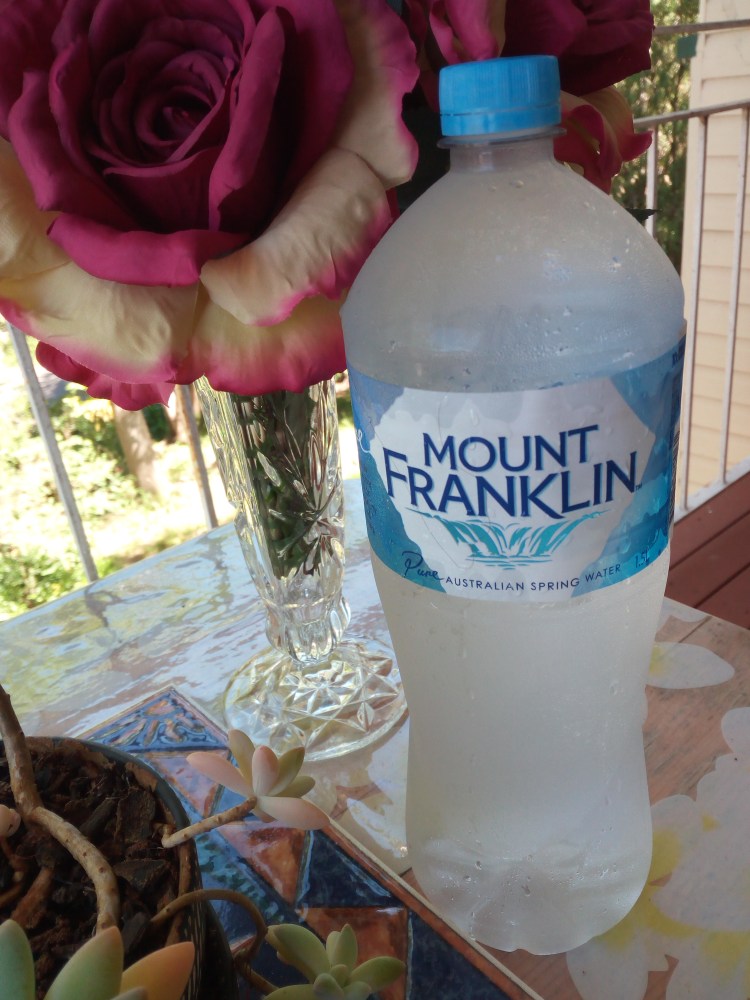
There was a campaign for recycled water during our big Millennium Drought but it never caught on.
I believe Las Vegas, Nevada, has used recycled (reclaimed) water for many years. It’s a mental thing, isn’t it? People are dubious of water others have already drunk and worse…
Getting back to riotous grass, the lawnmower men and gardeners are booked solid so unless I can find an old man with a hay scythe, I will avoid looking out the windows for another week or two. GBW.
THINKING
Fasten seatbelts, get ready for my stream-of-consciousness…
I have been thinking about the legacies we leave behind. Good, bad or unintentional. Of course, there are hundreds of ways a person leaves a legacy; flamboyantly, quietly, cruelly, some not necessarily acknowledged, but they will be there just the same. From the tangible to the ephemeral, the loved to the hated, a universal legacy or a small one-on-one, we leave our mark. Be aware of this legacy, this part of you which I believe you will indelibly leave behind in some form. Use it wisely so those who receive it, directly or otherwise, will know where it came from and decide if it is worthy of keeping, if it will become part of them—although some legacies are hard to shake. Many people are no-fuss, low-key individuals and that’s fine, however, they may not know it but they will intrinsically leave a legacy. A legacy is more than an amount of money or property left to someone in a Will. I believe it can be found in a good book or website (thanks Paula) but rarely in texting or social media. A legacy transcends time. Think about it. I bet you can recall a parent, sibling, teacher, partner, child, best friend or workmate saying or doing something you have not forgotten. Basically it’s the essence of that person you experience and instinctively preserve. A legacy can be as big as a skyscraper or a single gentle word, both of equal value, and both can leave a remembrance. If it is bad, destructive or no value, it should be dismissed and a life lesson learned from it. In turn you can pass on a better legacy so others will benefit. That’s what a legacy is! Sometimes you don’t know until years later (sometimes never) that your legacy of word or deed was appreciated. And it doesn’t matter if you hold a very special legacy close because you will inexorably create your own for someone else. Make it good. GBW.

Bon Voyage Three Things!


 AUTHOR






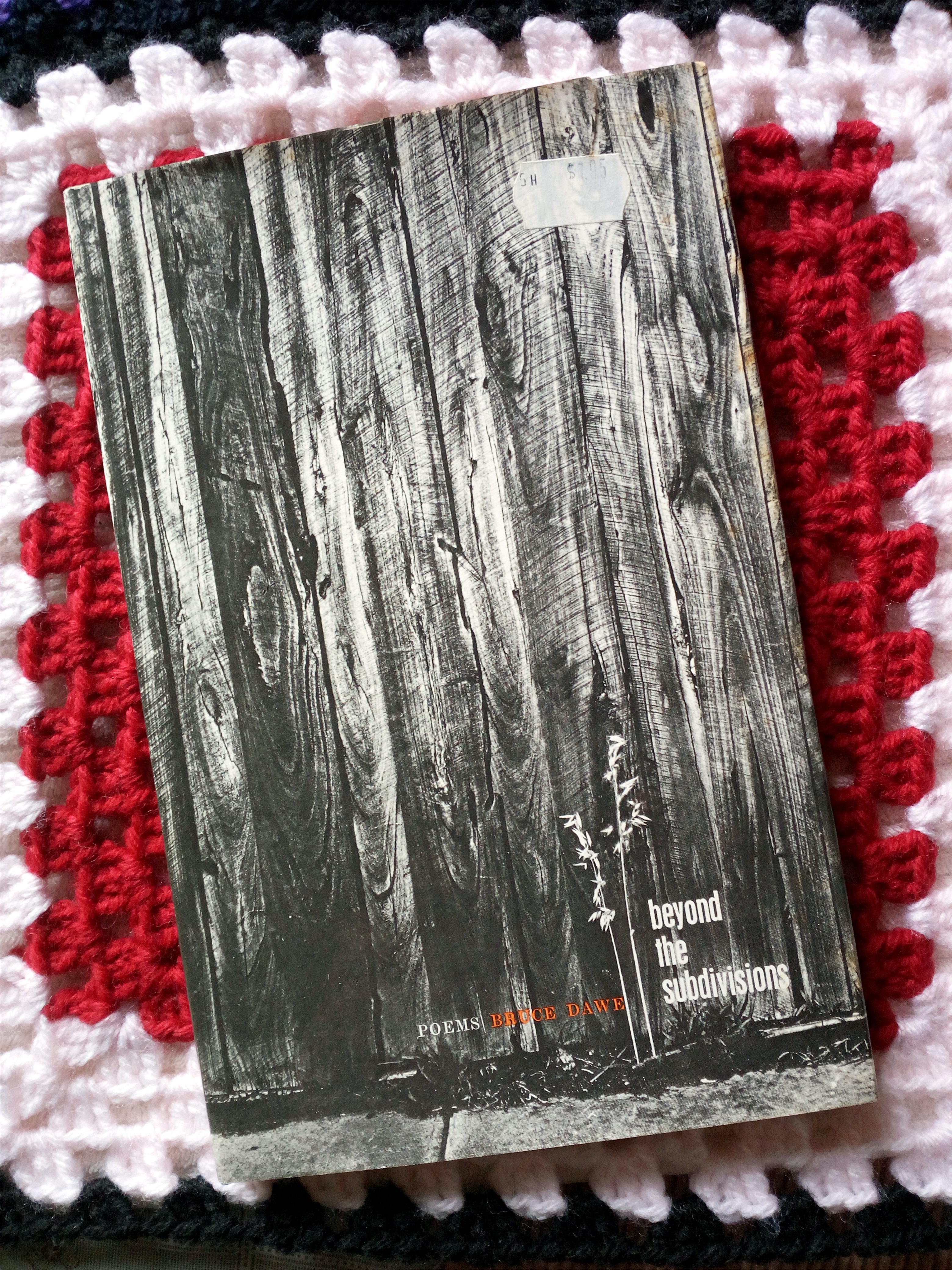
 This slim grey poetry book with orange lining was purchased for one dollar at UQ Alumni Book Fair 2019. The original 1969 price sticker on the front reads $1.95 which is confirmed on the inside flyleaf. In fifty years it had never been opened.


 Which brings me to the reviewers, particularly those who receive an ARC in return for an honest review. Are their reviews strictly honest? Do they leave out the bits they don’t like? Fudge the wording?





 VIEWS LIKES AND FALSEHOODS
Bloggers are so darn nice, offering advice and encouraging aspiring writers to do their best.
Here are my thoughts on the flip side of those Views and Likes.
When I hit Publish, my post is sent out into the world.
It appears at the top of the WordPress Reader until the northern hemisphere wakes up and starts typing.
I amuse myself by waiting to see who will Like my efforts without actually visiting my blog site.
First up, unless I've been Liked by the fastest human reader in the universe, I get a tiny square to say "..." likes my post.
As you may have experienced, it's a spammer.
If not, I give a sardonic laugh when someone clicks Like without viewing.
Sure, people do it - but do people know the stats reflect this deception?
What I don't understand is why a reader/blogger bothers when it breeds an equally dismissive response.
I know, twice I have returned the favour.
Forget about using the old "time poor" excuse, please.
Or harbour the misapprehension that my blogger sense of self needs constant validation.
Be firm, rise above that Like of self-promotion.
My opinion is "Follow a blogger and genuinely read their posts".
Otherwise the Like gesture is hollow.
VIEWS LIKES AND FALSEHOODS
Bloggers are so darn nice, offering advice and encouraging aspiring writers to do their best.
Here are my thoughts on the flip side of those Views and Likes.
When I hit Publish, my post is sent out into the world.
It appears at the top of the WordPress Reader until the northern hemisphere wakes up and starts typing.
I amuse myself by waiting to see who will Like my efforts without actually visiting my blog site.
First up, unless I've been Liked by the fastest human reader in the universe, I get a tiny square to say "..." likes my post.
As you may have experienced, it's a spammer.
If not, I give a sardonic laugh when someone clicks Like without viewing.
Sure, people do it - but do people know the stats reflect this deception?
What I don't understand is why a reader/blogger bothers when it breeds an equally dismissive response.
I know, twice I have returned the favour.
Forget about using the old "time poor" excuse, please.
Or harbour the misapprehension that my blogger sense of self needs constant validation.
Be firm, rise above that Like of self-promotion.
My opinion is "Follow a blogger and genuinely read their posts".
Otherwise the Like gesture is hollow.


 One post with three headings READING, LOOKING, THINKING an idea started by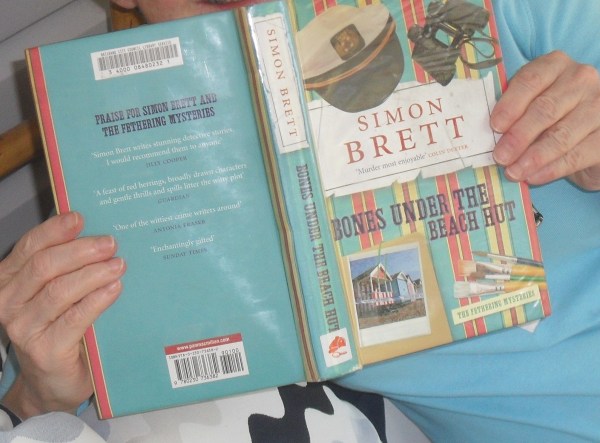



 Thoughts Become Words