Review of Mocco Wollert’s Life in Darwin, Northern Territory
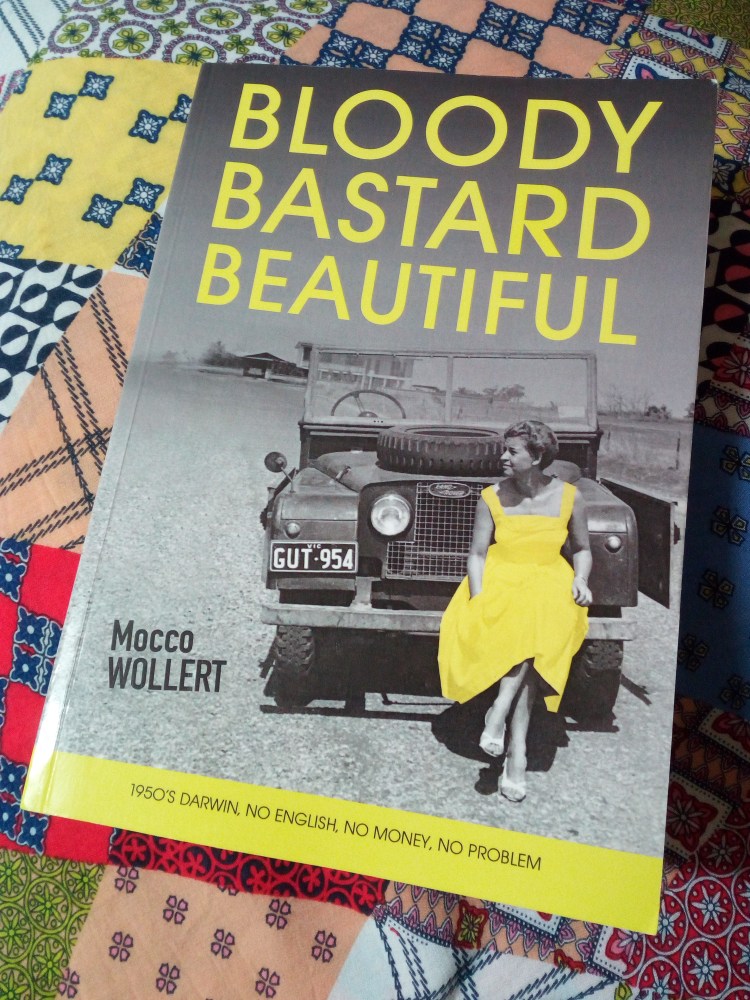
IMG_20200107_191959

The book title is a typical Darwin expression with good connotations, and Mocco says she is an optimist, she lives on hope and in hope.  Originally from Germany, she worked hard with what she had, overcame obstacles and adapted to Australian life with her Aussie-born daughters Susan and Kim and beloved husband Niclas.

The other love in her life is Darwin, 1950s Darwin, at the Top End of Northern Territory.  No supermarkets, no fancy restaurants, definitely no air-conditioning, miles and miles of dirt roads, and at that time populated by about 8,000 people.  Tough, rough and ready people at that.

The strength of a woman when put to the test reverberates powerfully through Mocco Wollert’s narrative.  From good, bad and ugly circumstances, Mocco’s words shine.  She comes across as forthright in her opinions, honest, funny, emotional, grumpy yet ultimately loveable.  She certainly faced challenging circumstances, some which made me wince and some which would have seen me walk away, but not Mocco!

The chapters of Mocco’s book are grouped under headings, for example ‘Beginning the Adventure’, ‘Career Change’ (actually a couple of career changes) ‘Health Matters’ and ‘Decision Time’ all of which prepared me for her decade of thought-provoking reading.

Understandably there are heart-rending moments like depression in ‘A Night of Gin’ and the 1974 Cyclone Tracy devastation.

I remember sitting under our ceiling fan watching the ABCTV news on Boxing Day, 26th December, as black and white film footage showed our nation the flattened landscape which was once Darwin.  On a lighter note, it was rebuilt and continues to thrive, as did Mocco.  Small moments often stick and I enjoyed Mocco’s recollection of wigs and frizz hair-related matters in ‘Hairdressers’ where men were taboo.

Under the subheading ‘Sport’ on page 211, I think this paragraph typifies the tenacity of Darwinites and perhaps a large area of northern Australia.  “In spite of the heat and humidity, people played sport.  Golf was Niclas’ passion and he became quite a good golfer with a handicap of 16.  Watching today’s golf tournaments on television, I marvel at the green fairways and manicured greens.  There was none of this in Darwin.  The fairways were rough and, in the dry season, as dusty as a (cattle) station in drought.  The ‘greens’ were sandy plains without a blade of grass.”
IMG_20200107_192349

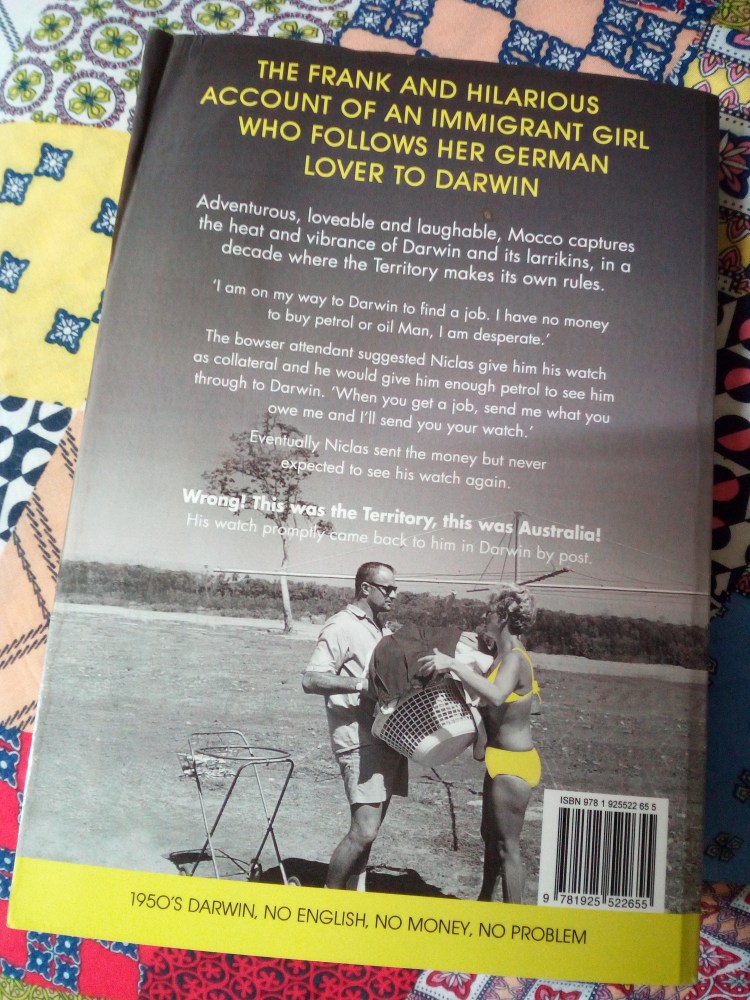
There are 47 photographs throughout the book, vivid examples of the era, and a pictorial of Darwin homelife which includes Mocco in weather so scorching she wore a bikini to hang washing on the Hills Hoist.  And there is a great little story behind the snapshot of her small daughter meeting Queen Elizabeth II.  Not telling, you’ll have to read the book!

‘Bloody Bastard Beautiful’ is Mocco Wollert’s tribute to Darwin, an intimate recollection of a more rugged time in 20th century Australia, told openly and honestly, and ultimately life-affirming.

Gretchen Bernet-Ward


AUTHOR PROFILE

IMG_20191122_183655Born in Germany but a true-blue Darwinite by 1960, Mocco Wollert is now a recognised poet and author who lives in Brisbane, Australia.

Mocco has nine poetry books published as well as winning prizes for poems published in newspapers and anthologies.

Her Darwin memoir ‘Bloody Bastard Beautiful’ was first published by Historical Society of Northern Territory and later by Boolarong Press 2017.

For information on today’s Northern Territory, visit https://www.australia.com/en/places/northern-territory.html
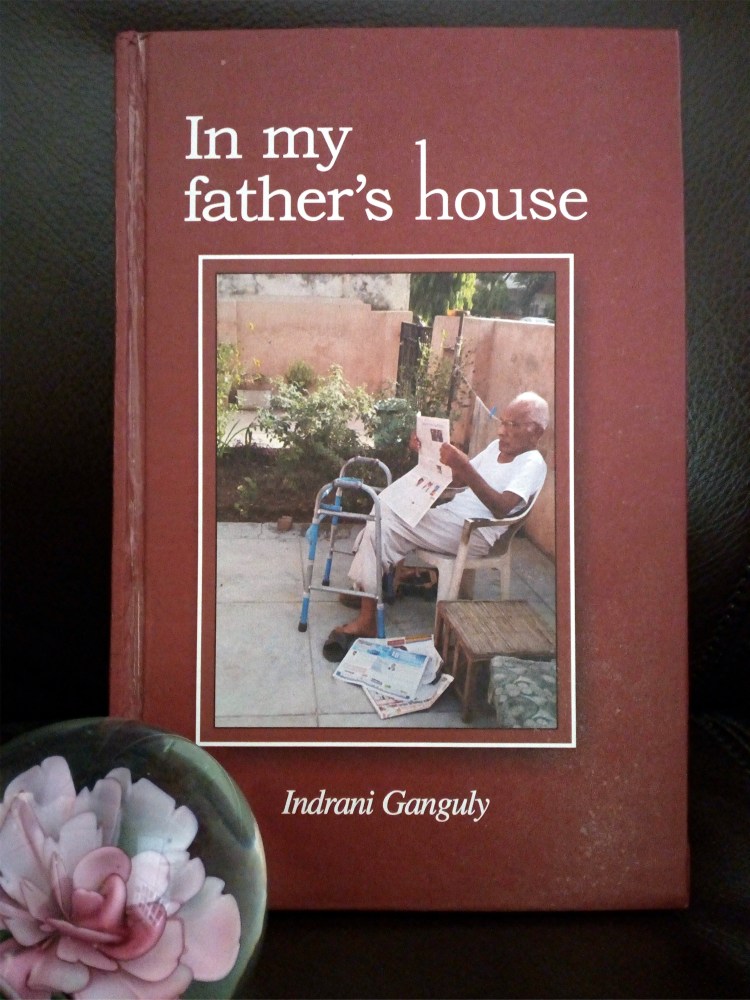

Review ‘In My Father’s House’ by Indrani Ganguly

IMG_20200110_124943

When I first picked up Indrani Ganguly’s memoir-style book, I dipped into a couple of stories.  It soon became apparent the pages contained a thoughtful mixture of poetry, artwork, travellers’ tales, photographs and fiction stories in a layout designed to gently lead the reader though Indrani’s world.

Chapters are grouped under different headings, the kind of book which anyone can read and everyone will find something that touches them.

The content captivated me with a mix of fact, fantasy and deep emotions initially triggered by Indrani’s return visit to her father’s house and her old room which had been left untouched since she moved out.  This is where her thoughts begin to unfold, first with artwork and poems then a retrospective short story about her family titled ‘Menagerie Manor’.

Jewellery Gold 04As luck would have it, being a fan of crime novels, the first short story I read was ‘A Candle for Bob Carter’ in which plain-clothed Chief Inspector Bob Carter is on jewel-guarding duty at a swanky fancy dress Christmas party during a hot Australian summer.  ‘We’ll turn the air-conditioning up dear,” says Leila as the sound system booms the obligatory yet incongruous ‘I’m Dreaming of a White Christmas’.  Such a fun twist at the end.

Indian Goddess Maa Durga Devi 03Under the tribute heading Women Worldwide, I read in awe as determined elderly ladies went ‘Walking in the Land of the Gods’.  Later I laughed out loud after reading ‘Durga Down Under’ a rather irreverent look at Durga, the Supreme Hindu Mother Goddess.  The accompanying poems resonated with me, particularly ‘A Woman’s Solitude’ a brief respite before a hectic day.  Under the title Travel Tales, Indrani writes with clarity and insight, transporting me to spectacular locations around the world.  My favourite is Shimla in the Himalayas which also has a lovely photo of Indrani and her daughter Gitanjali on rugged little ponies.

In this deceptively compact hardback volume there is a lot to read and think about.  ‘In My Father’s House’ is more than a treasury of family memories, Indrani’s words entertained and enlightened me.  She is in tune with diverse levels of society and human nature as well as comfortable within herself and her writing.

IMG_20190805_153244In her foreword, Indrani says ‘I continue to look both backwards and forwards for ideas and inspiration’.  I have already read and blogged her historical novel ‘The Rose and The Thorn’ and look forward to more literary adventures.

Gretchen Bernet-Ward


AUTHOR PROFILE

IMG_20191122_183130Indrani Ganguly was born into a Bengali family in Lucknow and now lives in Brisbane with her husband, son and daughter.  She travels extensively around Australia, India and other countries.

She studied English Honours in Lady Shri Ram College, Delhi University, has a masters in Sociology from Jawaharlal Nehru University, and a PhD on the impact of British occupation on revolution and reform in Burdwan, now in West Bengal.

‘In My Father’s House’ was published 2015 by Unique Publications Delhi, and her novel ‘The Rose and The Thorn’ was published 2019 by Boolarong Press Brisbane.
Indrani’s website: https://indraniganguly139.wordpress.com/blog/

Chrissy Piccies for the Hols

IMG_20191222_185933
May your Christmas be shiny and bright.
IMG_20191223_195015
Cute cat and silver ribbon says Christmastime.
Book Lover’s Mug box and jolly holly.
IMG_20191224_080644
Hot summer is Christmastime in Australia.
IMG_20191226_195711
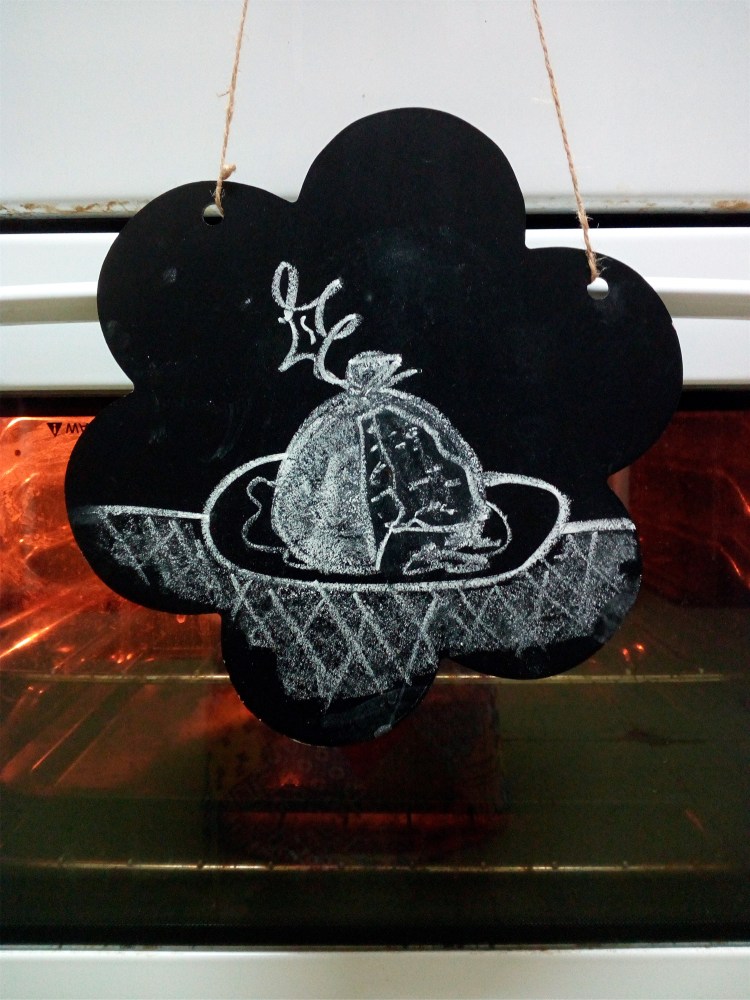
Christmas pudding!

“The tiniest kindness can glow the strongest”

Gretchen Bernet-Ward © 2019

Retrospective: The Casual Vacancy by J K Rowling 2012

The Casual Vacancy by J K Rowling 2012 001
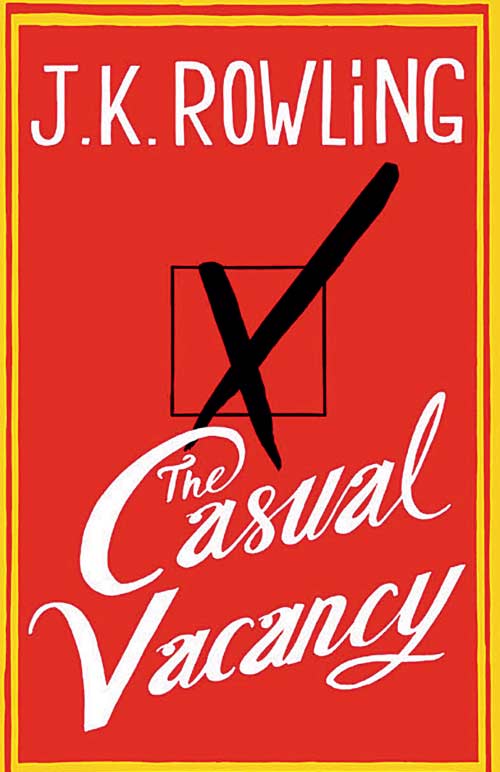
The Casual Vacancy, First edition worldwide cover, Author J. K. Rowling, Publisher Little Brown and Company, Publication date 27 September 2012, Pages 503. The illustration denotes a square and cross marked on a voting ballot paper.

Who read The Casual Vacancy by famed British author J K Rowling?  I certainly did!  It was her first post-Harry Potter novel and caused quite a stir.  I worked in library services at the time so I helped shelve this hardback hundreds of times.  Fortunately the cover was so bright (and the original publication rather big) it was always easy to locate for prospective readers.  Actually the book did not stay shelved for long, there were so many on the waiting list clambering to read it.

The Casual Vacancy was written under Rowling’s real name prior to publication of her Cormoran Strike detective series written under the pseudonym Robert Galbraith.  Don’t ask me why, it didn’t fool anyone.  I do remember penning a scathing review of Lethal White the fourth book in that series.

Anyway…

In 2015, The Casual Vacancy was made into a British TV three-part miniseries.  Directed by Jonny Campbell, scripted by Sarah Phelps, and starred Michael Gambon, Julia McKenzie, Emelia Fox, and others I recognised from sit-coms, but unfortunately never got to see.  Actually this production may not have reached Australian television screens.  By all accounts, viewers were outraged by the changed ending, giving rise to the old saying ‘the book is always better’.

Now, without further ado, I present—

my original book review (previously published on a now-defunct book readers website) hopefully without spoilers—

The Casual Vacancy by J K Rowling 2012
Reviewed by Gretchen Bernet-Ward 2013

Quote “It was a brilliant piece of marketing strategy to publish this J K Rowling book prior to her (subsequently more popular) detective novel ‘The Cuckoo’s Calling’.  What better way to heighten interest and arouse social consciousness than her very first post-Potter novel.  A long-awaited book, The Casual Vacancy is liked and loathed in equal measure but disliked more for the content than the writing – even though we’ve probably read similar books and met people similar to those in Pagford.  I think the pace is well-crafted, the voice and sense-of-place are beautifully brought to life, tinged with the graveness of a modern-day Dickens.

“The characters are an inglorious burst of humanity, almost, but not quite, edging towards insanity.  Indeed, most of the characters appear average but through various twists and turns the families in Pagford and the Fields are slowly stripped of their protective veneers and laid bare, exposing their ugliness beneath.  Nothing is sacred and all manner of collective disorders appear from young and old alike as their every move is documented, every word faithfully recorded.  We see the truths and witness the unveiling of secrets, motivated by revenge via website hacking.

“As we know from the blurb, the book kicks in with the death of Barry Fairbrother who arrives at the golf club for dinner with his wife on their wedding anniversary and keels over in the carpark.  By all accounts, he’s a nice man and liked by many people considering he was a local Councillor on Pagford’s wheeling-dealing Parish Council.  His demise leaves a casual vacancy on the Council board and the fight over his seat begins.  The reader learns there’s a war going on between the communities of Pagford and Yarvil over maintenance of the Fields, a decrepit housing estate, and the closure of a methadone clinic.  Not much political correctness goes on in council chambers.

“There you have it, henceforth The Casual Vacancy seethes with social snobbery, underage excess, racism, drug addiction and the ever-present spectres of greed, selfishness, ignorance and cruelty.  But, hey, don’t let that put you off.  This story hooked me like a continually unfolding TV saga or radio play.  I’d put it down and then have to pick it up just to see what happens to Krystal Weedon and her dissipated mother Terri, or Howard Mollison and his new café, or the ill-fated relationship of Gavin Hughes and Kay Bawden.

“Social worker Kay is new to Pagford and not a big player but she’s hardworking, misguided and gullible and the one I wanted to shout at, tell her to grab her daughter and get out of town fast.  The others, like Simon Price, are set up to be despised with appalling behaviour behind closed doors.  Occasionally I grew tired of the angry men and the gossiping wives and found that the sabotaging teenagers had more diverse demeanours, although young Sukhvinder Jawanda is heart-rending.  Was the ending so predictable?  As this inharmonious story draws to a close, I know it’s all still happening in real life.

“What more can I say?  The Casual Vacancy is an adult novel and anyone who’s been around the block a few times will related to its adult themes.  Whether or not the right people read it and change their social attitudes is another thing.  Sure it’s a tad depressing but I’ll give J K Rowling full marks for moving on from Hogwarts and writing something completely different.”  Unquote.

Gretchen Bernet-Ward 2019


The Casual Vacancy by J K Rowling 2012 002
Joanne Kathleen Rowling CH, OBE, HonFRSE, FRCPE, FRSL, better known by her pen name J. K. Rowling, is a British author, film producer, television producer, screenwriter and philanthropist. She was born 31 July 1965 in Yate, United Kingdom, and at the time of posting has written over 30 books of different genres. https://www.jkrowling.com/

Friendship and ‘A Time to Talk’ with Robert Frost

As we all know,

Christmas is fast approaching,

the silly season has begun,

in gift shops,

in department stores,

kids unable to settle in the classroom,

grass is brown and dry,

barbecue grills are being checked,

sunscreen is stockpiled,

food is flying off the supermarket shelves,

chlorine levels are dosed,

wrapping paper is being unfurled,

groups are having break-up parties,

bells jingle in the hands of Santa as he strolls through the mall,

queues in to the carpark,

queues out of the carpark,

tempers rise,

decisions have to be made about Christmas lunch,

European or Australian,

the temperature is predicted to be in the high 30°s Celsius,

the air-conditioning struggles at midday,

birds welcome the water in birdbaths,

dog water bowls appear outside cafés,

hats and beach umbrellas are selling fast,

flashy new decorations for an old tree,

family car washed and waxed ready to collect grandparents,

music is Christmas themed,

commercials blare out what we need for a happy fun festive season,

there is more than one man behind Christmas,

the wealth in the world prefers to use a generic symbol,

An old lady sits alone on the edge of her bed,

tears in her eyes,

sad for what is lost,

sad for who has gone,

that t-shirt-stained boy who sits on a park bench,

heatwaves shimmering off the concrete path,

wondering if he will see his Dad,

wondering if he will get a present,

put it under the tree he created from twigs,

we need each other,

we need our friends,

text a lunch date,

money spent at Christmastime isn’t going to mean much,

if there’s nobody to reminisce with in the new year,

friends share your life whether it seems like it or not,

they are part of you.

© Gretchen Bernet-Ward


“A Time to Talk”


WHEN a friend calls to me from the road    

And slows his horse to a meaning walk,       

I don’t stand still and look around    

On all the hills I haven’t hoed,          

And shout from where I am, What is it?             

No, not as there is a time to talk.      

I thrust my hoe in the mellow ground,          

Blade-end up and five feet tall,         

And plod: I go up to the stone wall   

For a friendly visit.


Robert Frost (1874–1963)

Poetry Collection “Mountain Interval” 1920


Christmas Koala 001

Review ‘The Man in the Water’ by David Burton

David Burton has written an outstanding story about a tenacious young man determined to solve a mystery.  In a tightly woven and highly readable plot he keeps the pressure up, and keeps it real.  Shaun sees a man’s body floating in the local lake and when he returns with Constable Charlie Thompson the body has gone.  The story kicks off from there and Shaun begins to investigate the mysterious death.  He uncovers far more than he ever imagined.  And he has a good imagination!

Set in a gritty, rundown Queensland coal mining town, the atmosphere is hot, dry and pulsating with undercurrents from personal relationships through to shonky mining regulations.  My assumptions were overturned, clues were flipped and hopes were dashed.  From angry picket lines headed by volatile Peter Grant, head of the mine workers union, to various forms of small town mindset, Shaun’s investigations pull him deeper and deeper into a world of unanswered questions.

Coal Mining Coal TruckThe subtext throughout the story is “Who believes Shaun actually saw the man in the water?”.  Not many people, it seems.  Even his mother Linda struggles to accept the situation, although a family death may be clouding her reasoning.  Shaun does appear to have a kind of obsessional limerence.

Fortunately Shaun has a keen ally in his long-time friend Will, a larrikin with a charming manner.  They both believe the drowned man was murdered and someone has masterminded a cover-up.  They negotiate their way through a minefield of possibilities, taking risks, and discovering the mental and physical challenges faced by coal workers and their families.  Only once did I suspend disbelief when Shaun infiltrates a building, but it’s a pivotal moment.

In between covert operations, annoying teachers and school classes, Shaun and Will are on the school debating team with Megan Grant.  Shaun adores Megan from afar and he imagines a future of “happy ever afters” together.  Investigations continue in Brisbane with their debating team when a challenge is held in a Harry Potteresque private school perched on a hillside (I recognised it) and they stay overnight in enemy territory.  A gripping spy-like chapter for you to discover.

IMG_20191112_192248

I loved the personalities David Burton has created, the characters often did the opposite to what I expected, making them fallible yet understandable.  In certain cases, there’s a fine line between liking and loathing.  There is power in subtlety, and from the frustration of workers about to lose their jobs, to the death of a loved one, nothing is overstated.

David Burton has given Shaun a proactive role with plenty of intrigue.  I have no hesitation in saying “The Man in the Water” is an excellent mystery for young adults and older readers.  I became fully absorbed in the story and was right beside young Shaun trying to unravel the riddle.  The end result is definitely worth it!

Quote from Chapter 32 “From the sky, Shaun’s home town looked like it was surrounded by yawning black holes.  It was epic.  The mines were colossal dark wounds in the earth, the town a sort of defiance among the rubble.  It was a god’s sandpit.  He pressed his face against the window and watched as the earth turned with the plane.  They were coming in to land.”

Gretchen Bernet-Ward


AUTHOR PROFILE

David Burton Writer and Playwright
David Burton, Author and Playwright

David Burton is an award-winning director, playwright and author.  By the age of 30, he’d written over two dozen professionally produced plays, published a book, and been a core part of some of the most innovative theatrical projects in Australia.

He’s now 32, a Dad, and has written a new YA fiction book “The Man in the Water” which I reviewed.

Visit http://www.daveburton.com.au/

Booktopia https://www.booktopia.com.au/the-man-in-the-water-david-burton/book/9780702262524.html

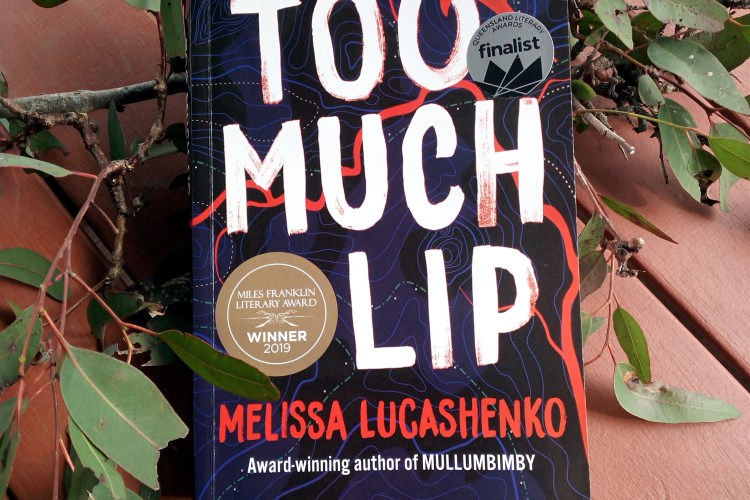
Review ‘Too Much Lip’ by Melissa Lucashenko

The incessant fights in the Salter family are too real, their plight is real, every word is real and that’s what damaged me the most.  I took long walks due to the serious and unrelenting nature of the content.  Loaded with the troubles of the Salter family, cruel sarcasm, too much drink, too many smokes, I was getting worn down right along with them.  It took me a month to read this book in fits and starts but I’m glad I did.

Abrasive characters are well portrayed which makes them doubly annoying, they need to be accepted warts and all, like ‘mouthy’ Kerry Salter and her unlikable brother Ken who argue every minute of the day.  I’m sure I’d have put Ken in hospital at about Chapter Three.

Maybe take the pressure off young Donny.

Harley Davidson Black Softail Motorbike 02
Bad things are happening, but as long as Kerry’s Harley Softail is safe.

Early on, Bundjalung woman Kerry has returned to her home town of Durrongo, and grieves the loss of her girlfriend Allie, her Pop and her stolen blue backpack.  She does a B&E, part retribution, part spirit world, and the universe turns a notch.  Fair move, but repercussions come later.  Then there’s romance in the form of her hot eye-candy boyfriend Steve Abarco who’s the flagship for level-headed, rock-solid men.

Kerry’s tarot card-reading mother Pretty Mary celebrates a birthday and those volatile chapters are my favourites.  At the party is another brother, gay Black Superman, maybe long-dead sister Donna, plus assorted Aunts (called Mary) Uncles and children who gust through the pages like eucalyptus smoke.  But forget about opening old family wounds, I’d say a lump the size of police headquarters sits in the pit of their stomachs, continually irritating their every move.

The battle against a new prison, to be built on sacred ground where Salter ancestors are laid to rest, ramps up with a land rights campaign.  Enter cops like Senior Sergeant Trevor Nunne and money-hungry Mayor Jim Buckley.  Ken’s flamboyant gesture on a piece of Buckley’s property was not appreciated and leads to disastrous retaliation.

You will have noticed that I am not giving too much away.

IMG_20191014_132631
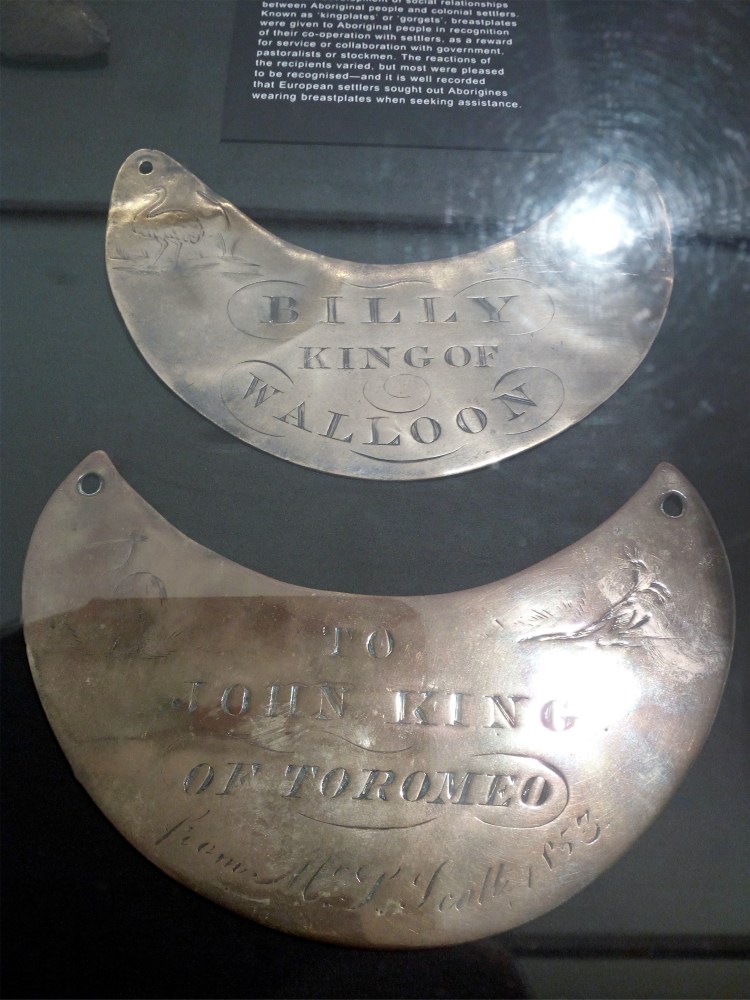
Two Aboriginal kingplates I photographed in a display cabinet at Ipswich Art Galley, Queensland.

Writing style-wise, I did wondered why Kerry wasn’t written in first person.  Some events are seeded in advance while others appear to be inserted later to up-the-ante.  Every so often the voice changes, doubt creeps in, there’s a lull.  Or a change in atmosphere with The Doctor.  Occasionally things become omnipotent and POVs jump in and out of people’s heads but that can be overlooked for scary brave writing.

If you are not Australian, you WILL become lost in the slang and cultural references.

Try anyway.

Read this rude, gutsy book if you ARE offended by swearing, truisms close to the bone, and the struggles of Indigenous people.  As Ken says in Chapter 15 ‘How to invade other people’s countries and murder ‘em, and call it civilisation’.

It’s a strong insight into the modern world and an ancient culture, one which doesn’t need skyscrapers because Country is a place of belonging and a way of believing.

Good onya, Melissa, for audaciously holding your nerve*

Gretchen Bernet-Ward


* REFERENCE : Sydney Morning Herald interview insights into the writing of ‘Too Much Lip’
https://www.smh.com.au/entertainment/books/melissa-lucashenko-too-much-lip-was-a-frightening-book-to-write-20180724-h1326h.html

AUTHOR PROFILE : Melissa Lucashenko is an acclaimed Aboriginal writer of Goorie and European heritage.  Since 1997 Melissa has been widely published as an award-winning novelist, essayist and short story writer.

AUTHOR WEBSITE : https://www.melissa-lucashenko.com/

IMG_20191017_150615

Indrani Ganguly ‘The Rose and The Thorn’ Book Review

Author Indrani Ganguly based her historical novel in Lucknow, India, a city renowned as the most refined of the Muslim kingdoms where she, her mother and grandmother were born.  In 1857 the Siege of Lucknow was also the scene of some of the most brutal fighting during the country’s uprisings.

Lucknow India 002

Indrani Ganguly’s novel is an illuminating blend of fact and fiction.  Twins Mukti and Lila Chatterjee—the eponymous rose and thorn compared to a black rose in their garden—are the heart and soul of the story.  Ganguly’s research is comprehensive thanks to an academic background, and her foreword mentions some family memories.  She explains the book is not a personal history of her family, although I think there are insights which add to the charm of the narrative.

Two parallel movements emerged in India in the 19th and 20th centuries, the national movement of Independence and the social reform to uplift the most vulnerable sections of society.  During this time of national and social upheaval, the role of Indian women makes enlightening reading.

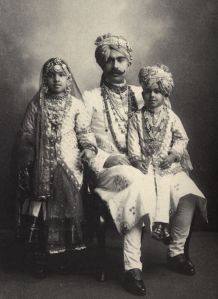
India Father and Children 1930sLucknow Rose and Thorn

There are six families in “The Rose and The Thorn”.  The main characters are Jai Chatterjee, history professor, his wife Shanti and their twin daughters Mukti and Lila.  Then follows The Mukherjees, The Alis, The Johnsons, The Banerjees, and The Maharajas.  It is easy to keep track as the years unfold, events develop in clear progression and the tension builds.

Young Mukti innocently reads the signs of civil unrest in a 1922 pamphlet calling for a boycott on foreign clothing, and the event is witnessed by her British friend Elizabeth and father Alan when riding in a tanga (horse-drawn transport).  Protesters burn clothes on a huge bonfire, quickly followed by police aggression.  One of the police inspectors, Anil, is a Chatterjee family member.

India horse-drawn Tanga

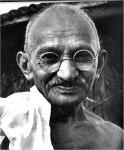
India Mahatma GandhiAround this time, non-violent resistance advocate Mahatma Gandhi is arrested and imprisoned for two years for publishing seditious material.

The twins Lila and Mukti grow up, marriages are arranged and their resilient personalities emerge to deal with life; the loss of loved ones, writing for radical newspaper Chandpur Barta, social work at a women’s centre, and an eventful protest march for women’s rights.

As a young woman in 1970s I was woven into the women’s liberation movement but did not realise how long Indian women had faced their own battles.  They were invisible, they survived as long as they had a man, otherwise they were classed as nothing.  From a 21st century stance, I find it difficult to comprehend the household dictates of that time and the shocking treatment of widows.

The character portrayals of the men and women in the story are strong, and they have firm opinions on the subjects of politics and political activism—handsome Rashid Ali spices things up!  His mother Ruksana is also a driving force.  Mosquito-hating Krishna Banerjee and the Maharaja are men not to be underestimated.  Societal revolutions are brewing but the big question is ‘Will Congress win?’  If women had the vote things may have been different.

Lucknow India 001

I was interested in the chapters dated March 1923 because that was the year my mother was born.  As my mother grew up, I wonder how much she and her Australian contemporaries knew of the Partition turmoil in India?  I knew India was part of the British Commonwealth but certainly didn’t learn about their struggles.  To quote the prologue “There are no martyrs’ monuments or eternal burning flames…” for the ordinary women who led extraordinary lives.

On a lighter note, Chapter 25, March 1923 “The Governor’s Ball” has an outrageous encounter with the Governor’s wife.  And during a family visit to the Taj Mahal, a wandering minstrel strolls by, strumming his ektara (traditional one-stringed musical instrument) singing a saucy song:

There was a rose and a thorn in my life
One was my lover and one was my wife.
Which was which I could not tell
It changed day-by-day and as night fell . . .

. . . I don’t want to give too much away, dear reader, but I will say there is a secret.

Author Ganguly explains that representing the dialogue in English was a challenge.  The two languages used in the book are Hindi and Bengali which have very different grammar syntax.  She overcame this and the result is flowing dialogue containing a smattering of Indian words which enhance the story.

India Food Luchi Eggplant 01The woven cloth khadi, and sweet and savoury food references enticed me to look for translations.  I found a recipe for Mukti’s favourite dish, freshly fried luchi and eggplant.

My curiosity was piqued by the influential roles of India’s royals, the Maharaja and Maharani, in the story.  I read a quote from modern-day Princess Shivranjani of Jodhpur who doesn’t have a problem with only male heirs inheriting but aptly retorts “If you say a boy is everything and a girl is nothing, well, I have a problem with that!”

Indian Goddess Maa Durga Devi 03Powerful Goddess Durga, whose name is spoken several times in the book, also got me researching.  “Durga” in Sanskrit means “invincible” and numerous Mantras are chanted for her throughout the year.
The era of Indian history from 1916 to 1947 is brought alive by Indrani Ganguly through the eyes of Mukti and Lila, and the wise and courageous women who supported them.  While I did not choose a favourite between the rose and the thorn, I enjoyed their journey and learned a lot about the faith and endurance of families in India during those turbulent times.

The epilogue narrator says “I myself travelled many different paths till I joined my father in Delhi but that is another story.”  I look forward to reading it!

Gretchen Bernet-Ward


AUTHOR PROFILE

IMG_20190802_140349
Author Indrani Ganguly

Indrani Ganguly was born of Bengali parents in Lucknow, India.  Her parents imbued her with a strong sense of Indian and world history and culture, and a great appreciation of  diversity in all its forms.  Indrani studied English Honours and sociology in India and did her PhD on the impact of British occupation on revolution and reform in West Bengal from the Australian National University.  In 1990, Indrani married an Australian with whom she now lives in Brisbane, Queensland.  They have a son, daughter and grandson.
Indrani’s website: https://indraniganguly139.wordpress.com/blog/

Published by Boolarong Press
https://www.boolarongpress.com.au/product/the-rose-and-the-thorn/
NOTE General photographs (above) are for illustration purposes only.

Here is the YouTube link to BBC’s Great Indian Railway Journeys video which documents the history and scenes of Lucknow, and shows the buildings which Indrani Ganguly writes about in her book.
https://www.youtube.com/watch?v=CckjZafH0vI

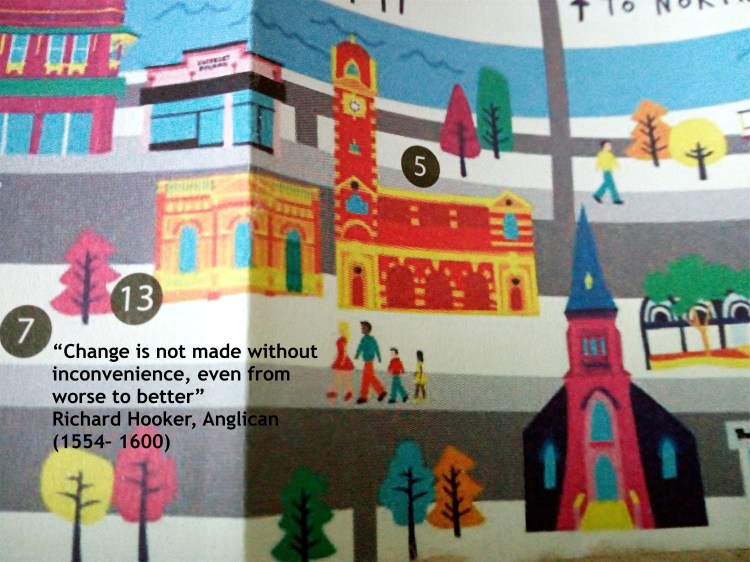
‘Change…’ said Richard Hooker

IMG_20190701_101114
Richard Hooker (March 1554 – November 1600) was an Anglican priest and an influential theologian. Hooker’s emphases on reason, tolerance and inclusiveness considerably influenced the development of Anglicanism. He was the co-founder (with Thomas Cranmer and Matthew Parker) of Anglican theological thought.

Gretchen Bernet-Ward

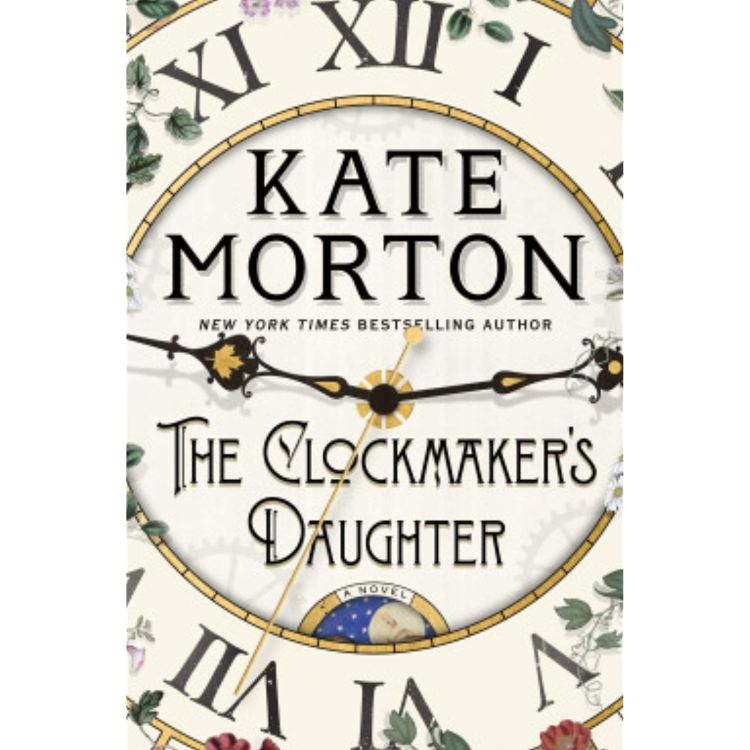
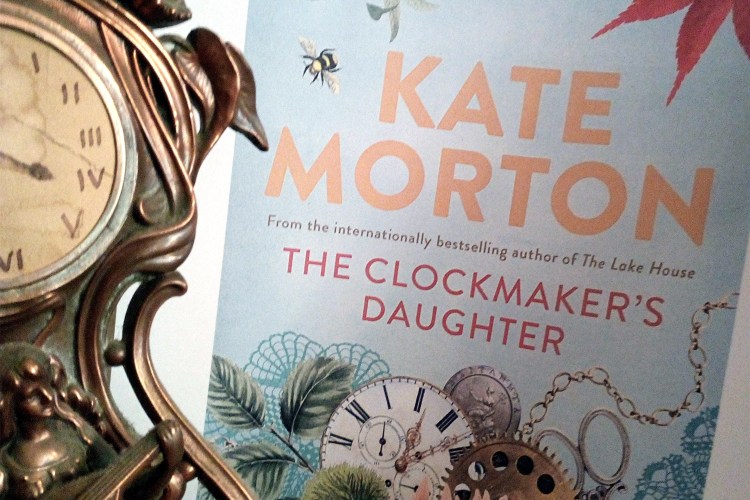
‘The Clockmaker’s Daughter’ by Kate Morton

Not my usual genre

but I love and respect this book. It deserves the status of a 21st century classic.  Narrated by numerous voices from Birdie Bell to Elodie Winslow, I was immersed in a mystery with twists and ghostly turns, fine art and emotional lives of several families over two centuries of turmoil and heartbreak.

The fluid nature of ‘The Clockmaker’s Daughter’ is similar

to the ebb and flow of a river.  In this case the Thames, and the reader should move with the tide, not fight against it.  Accept each individual character and enjoy their allotted time in the book, otherwise an undercurrent could pull you down into reader malaise which may cause you to miss the best bits.

Human emotions are the core of this novel

but some criticism seems to be there are too many characters.  Why?  The classics and modern historical fiction have loads of characters.  I think Kate Morton truly loved her cast of players and couldn’t bear to trim them to fit a mere trifle like a word limit.  Each person has a purpose!

Perhaps the 21st century reader has difficulty due to

a shorter attention span?
less retentive memory?
poorer concentration?
reading skills only suitable for glancing at a small screen?
Tick all of the above
(Sorry, just had to lecture…)

My friends know that rarely, if ever, do I reread a book

The Clockmakers Daughter by Kate Morton 03

because once read, never forgotten – well, almost – but ‘The Clockmaker’s Daughter’ is the first book in years which I have felt compelled to reread.  It touched on many threads in my own familial life and exposed feelings and understandings.  In one chapter, I had to stop because the emotion became too much as I recalled several elements of my own family’s journey through life and death.  My grandfather was an early 20th century artist, talented and struggling to make a living, perhaps similar to Edward Radcliffe.

Triggered by outstanding writing, we pour our own sentiments into a story

and Kate Morton succeeded in cracking my heart just enough to make the sadness bearable.  Then the atmosphere lightens, a scene change like a stroll in springtime.

Synopsis from publishers Simon and Schuster

https://www.simonandschuster.com/books/The-Clockmakers-Daughter/Kate-Morton/9781451649413

“In the depths of a 19th-century winter, a little girl is abandoned on the streets of Victorian London.  She grows up to become in turn a thief, an artist’s muse, and a lover.  In the summer of 1862, shortly after her eighteenth birthday, she travels with a group of artists to a beautiful house on a bend of the Upper Thames.  Tensions simmer and one hot afternoon a gunshot rings out.  A woman is killed, another disappears, and the truth of what happened slips through the cracks of time.  It is not until over a century later, when another young woman is drawn to Birchwood Manor, that its secrets are finally revealed.”

Oh, secrets revealed

but there are a couple of unanswered questions.  This is where a keen reader sees the clever intertextuality and works it out for themselves from the vignettes Kate Morton has polished and refined for us.   Even down to the defining chapter headings—or didn’t anyone notice that.  This story is a puzzle, it appeared to be disparate people until I followed the signposts, keeping observations tucked away for future reference.  Gradually events join up, different eras are linked, a genealogical timeline exposed.

Here’s my incomplete list of characters…

Elodie Winslow, modern archivist
Tip, her great-uncle
Handmade leather satchel
Birdie Bell, young pickpocket
Lily Millington, pickpocket and artist’s muse
Mrs Mack, purveyor of crime
Martin Mack, thug
Pale Joe, sickly boy
Birchwood Manor
Fairy folk tale
Edward Radcliffe, artist and portrait painter
Frances Brown, his fiancée
Lucy Radcliffe, his sister
Thurston Holmes, unpleasant friend
Ada Lovegrove, sad student
Juliet, newspaper columnist
Jack, ex-policeman
Radcliffe Blue, diamond

There are beautiful paragraphs

which I would love to reproduce, although being taken out of context would ruin the impact.  There’s grimy poverty stricken London, the joy of wildflowers, the thunder in a storm, a fascinating country manor, the love between Edward Radcliffe and Lily Millington, the dubious behaviour of their friends and family culminating in a shocking moment followed by the ultimate conclusion.

I won’t divulge crucial plot points and

my recommendation is to read ‘The Clockmaker’s Daughter’ without preconceived notions.  Unlike reviewer Caroline E. Tew, Crimson Staff Writer of The Harvard Crimson, I did not expect a resolution that is literal, practical or easy to digest.  Have a pinch of romance in your soul.

There’s a 12-Minute PDF Blog summary out there which should have a Spoiler Alert.  It reports inaccurately on a clue, and pretty much gives the game away.  I am glad I did NOT read it prior to reading the novel.  It exposes the plot in a clinical fashion, ruining the atmosphere and skimming across Kate Morton’s beautiful prose and depth of feeling.

On the other hand

an exceptionally good review of ‘The Clockmaker’s Daughter’ by Jo Casebourne of The Reading Project will give you well-rounded insights into the story and characters in chronological order from 1860s to present day.

Naturally author Kate Morton’s website is an absolute must
https://www.katemorton.com/behind-the-clockmakers-daughter/

I have reproduced a chapter vignette (below) to show a scene of top-notch character writing.  But first, let me ask you to ponder this key question, answerable after reading the book.  Out of the four woman, mother, sister, lover, fiancée, who do you think loved Edward Radcliffe the most?

Gretchen Bernet-Ward


Chapter Sixteen ‘The Clockmaker’s Daughter’ Extract

Leonard Gilbert, ex-soldier, researching the Radcliffe family.
Lucy Radcliffe, now elderly yet still sharp.

“The cottage was pleasantly dark inside, and it took a moment for his gaze to arrive at Lucy Radcliffe in the midst of all her treasures.  She had been expecting him only a minute before, but clearly had more important things to do than sit in readiness.  She was engrossed in her reading, posed as still as marble in a mustard-coloured armchair, a tiny figure in profile to him, a journal in her hand, her back curved as she peered through a magnifying glass at the folded paper.  A lamp was positioned on a small half-moon table beside her and the light it cast was yellow and diffuse.  Underneath it, a teapot sat beside two cups.
‘Miss Radcliffe,’ he said.
‘Whatever do you think, Mr Gilbert?’  She did not look up from her journal.  ‘It appears that the universe is expanding.’
‘Is it?’ Leonard took off his hat.  He couldn’t see a hook on which to hang it, so he held it in two hands before him.”

Kate Morton 09

Five Star Ratingstar twinkle twinkle 03star twinkle twinkle 03star twinkle twinkle 03star twinkle twinkle 03star twinkle twinkle 03