Alfred, Lord Tennyson, in full Alfred Tennyson, 1st Baron Tennyson of Aldworth and Freshwater (born 6 August, 1809, Somersby, Lincolnshire, England — died 6 October, 1892, Aldworth, Surrey) an English poet often regarded as the chief representative of the Victorian age in poetry. He was raised to the peerage in 1884.
In honour of the Queen’s Platinum Jubilee (and because I like umbrellas!) I have reblogged my enthusiastic post from 21st April 2018 to add to the 70th celebrations in 2022 – it’s all about the umbrellas!
_______________________________
In UK, Her Royal Highness has two birthdays each year: her actual birthday on 21st April and her official birthday usually the second Saturday in June. Born in 1926, at the time of writing, she is 92 years-old and still going strong. Happy birthday, Your Majesty!
The birthday of reigning monarch Queen Elizabeth II is celebrated at different times of the year throughout the Commonwealth countries and usually accompanied by a public holiday. In Australia, each State and Territory has decreed a different day.
In Queensland (named after Queen Victoria) we have a Monday holiday in honour of the Queen’s birthday and enjoy a long weekend. This year it falls on Monday 1st October 2018 and Brisbane residents will head to official celebrations, BBQs, coastal regions, rainforest walks or just laze around at home and read a book.
♥Gretchen Bernet-Ward
“God Save Our Gracious Queen”
Royal Umbrellas
Britain’s Queen Elizabeth II holds her umbrella as she meets guests as she hosts a Garden Party at Buckingham Palace in central London on June 3, 2014. AFP PHOTO / POOL / YUI MOK
Queen Elizabeth’s Platinum Jubilee concert in London 2022 was an over-the-top extravaganza of real people, digital wonders, popular songs, personal tributes and Paddington Bear served tea. The music swelled while famous folk talked, superstars sang and everyone swished up and down the huge stage. At night, Buckingham Palace was an ever-changing canvas of celebration showing special moments from over 70 years. High above, fireworks shimmered, creating magical icons for smiling members of the Royal family and the ecstatic crowd of well-wishers, literally millions of cheering flag-waving people spread out as far as the eye could see. What a night!
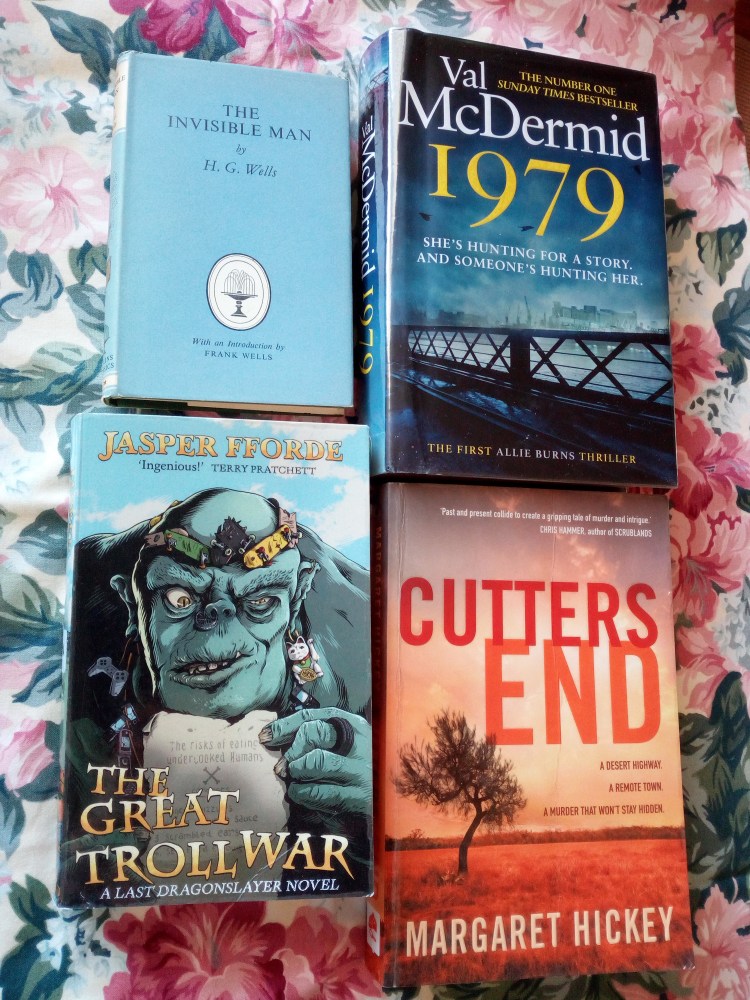
This is the perfect crime novel for an imperfect crime. First-time fiction author Margaret Hickey shows she has a superlative grasp on our vast dry landscape and uncomfortable small town atmosphere.
The story of “Cutters End” excels in the finer details, the misleading conversations and chilling moments. While the hitchhiker plot is not new, the way this one is handled is both clever and gripping, and gives certain Australian police procedurals a run for their money.
A series of events conspire to pull Detective Sergeant Mark Ariti out of long service leave and send him inland to Cutters End as an Acting Inspector to investigate the unexplained death of local man Michael Denby, hopefully to solve this decades-old case. The big question is “Tragic car accident or murder?” And will the result give Ariti a career boost or convince him to leave the force?
Detective Sergeant Mark Ariti wonders “Those courses, a lot of butcher’s paper and PowerPoint. What did it take to become Commissioner, role play?”
To compound matters, DS Ariti is having troubles at home (hhmm) and coincidently was an old school friend of two women, Ingrid and Joanne, the original hitchhikers who are entwined in the cold case. Joanne is now a high-profile celebrity. Also Ariti has Superintendent Conti breathing down his neck asking for updates at every turn.
At the Cutters End police station, Ariti meets Senior Constable Jagdeep Kaur and she shines in her role as the understated country cop. The characters, from pub owners to laconic farmers and the town’s snap-happy crazy man distinguish themselves as Ariti begins collecting old data and uncovering new information.
It is intriguing how author Margaret Hickey has woven and looped the plot so that I found it tricky to discern fact from fiction and who was telling the truth. Clues? There is an interesting side story about Ingrid’s travels and her overseas partner Sander.
Generations have struggled against the inhospitable conditions of inland South Australia, either too hardy or too stubborn to leave. Hot dusty life goes on in Cutters End and, intentionally or not, the townspeople are good at telling only half the story behind Michael Denby and the single vehicle crash.
The rundown motel, the struggling petrol station, the lacklustre pubs against a backdrop of hundreds of kilometres of flat, wide open country. “It was forgotten. Like the aunt with failing health who sends cards to family but is never invited for Christmas, this area had a forsaken feel.“
Cutters End by Margaret Hickey
A stark tree, a lone shoe, several things didn’t add up yet held my interest and kept me concentrating. Then a vital link is discovered, suspects come sharply into focus and it’s game on.
I am really looking forward to reading “Stone Town” Margaret Hickey’s second book in this series.
♥ Gretchen Bernet-Ward
It never fails to annoy me when book reviewers find fault with indigenous language or slang in a book. I don’t mean a foreign language, for example an Irish character using a smattering of French, but the local terminology in the country in which the story is placed. For instance, Australian crime novels are often set in small towns or outback locations where descriptive words are used. They, like most informal terms used in common speech, are second nature to the Australian reader. But apparently this throws overseas readers into a tizzy. Well, guess what guys, we have been reading British and American books for many many years and we learned to cope! Embrace the difference! I am sure Mrs Google will help you learn a couple of new words 😀 GBW.
Kookaburra with yabby crayfish claw, Crows Nest, Queensland 2022
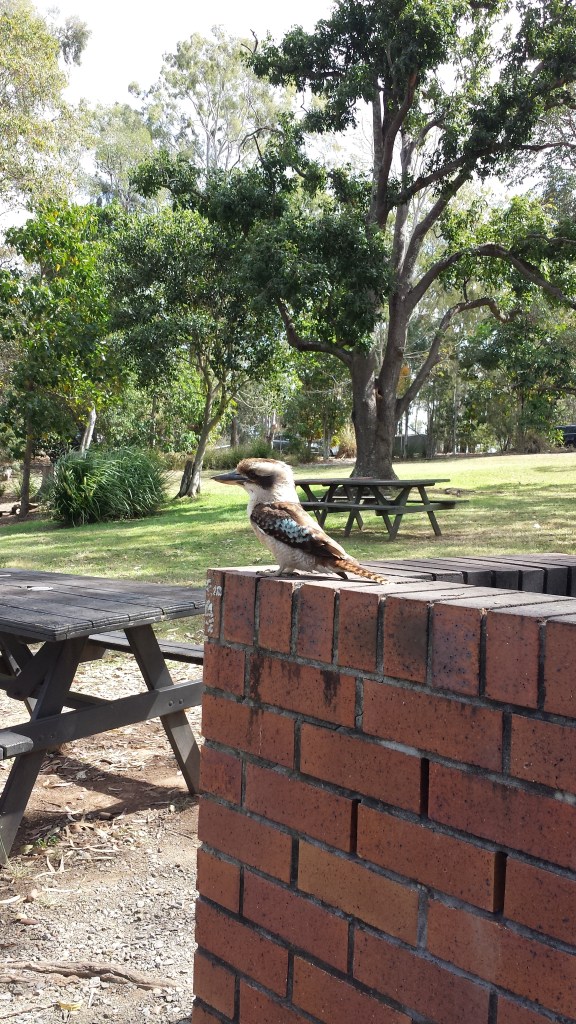
The Laughing Kookaburra can be identified immediately by both plumage and call. The cackling laugh is often used in scary jungle movies.
Laughing Kookaburras are found throughout eastern Australia. They feed mostly on insects, worms and crustaceans (like the yabby crayfish above) although small snakes, mammals, frogs and birds may also be eaten. Prey is seized by pouncing from a convenient perch. The meal is eaten whole, but larger prey is killed by bashing it against the ground or tree branch.
The kookaburra photograph (above) was taken at Crows Nest, located 44km north-east of Toowoomba on the Great Dividing Range, Queensland. It is one of the larger members of the kingfisher family with a wingspan 64cm-66cm (25in-26in).
I have always loved keen-eyed, stocky little kookaburras. Suburban kookaburras living in parkland sometimes loiter around barbecue cooking areas. They are not dangerous birds and rather stand-offish but I would not encourage them with human food. That powerful beak is better suited to nature’s diet.
Laughing Kookaburra feathers are generally off-white below, faintly barred with dark brown, and brown on the back and wings. The tail is more rufous, broadly barred with black. There is a conspicuous dark brown eye-stripe through the face, like an old-fashioned burglar mask.
My grandfather was an artist, woodcarver and bespoke furniture maker, and he designed and cast this laughing kookaburra (above) in a plaster mould. After hand-painting the kookaburra, he framed it in the minimalist style of 1960s. Both he and my grandmother (a needleworker extraordinaire) created Australian designs when many things were influenced by British and European artisans.
The kookaburra’s scientific name is Dacelo novaeguineae but the name ‘kookaburra’ is generally believed to be derived from the original term ‘grab a stick’ or ‘gougou garrdga’ in Kamilaroi/Euhlayi language.
Group kookaburra calls are best heard in early morning and at dusk, and are crazy loud if you are standing under their tree.
A group of kookaburras is called ‘a riot of kookaburras’ because of the raucous noise.
Studies have shown that kookaburras pair for life. The nest is usually a bare chamber in a naturally occurring tree hollow. The breeding season is August to January and every bird in the family group shares parenting duties. The ideal set-up really.
The literary equivalent of a supernova, sheer plotting brilliance, mind blown!
The Trolls are looking hungry and humans are on the menu. In besieged Cornwall, unhealthy scenarios are playing out and Jennifer Strange, Court Mystician to the Kingdom of Snodd, does not like it one bit.
Jennifer is always cool under pressure and prepares to take action, indeed it is her destiny. She is joined by her best friend Tiger, the sword Exhorbitus, a VW Beetle with links to her past, and a Quarkbeast. Meanwhile megolomaniac Mighty Shandar is a sorcerer out to conquer the world and needs another Quarkbeast to do it.
Jennifer hopes the Button Trench will hold back the ravenous hordes and that Mighty Shandar will back off. He ain’t gettin’ her Quarkbeast that’s for sure.
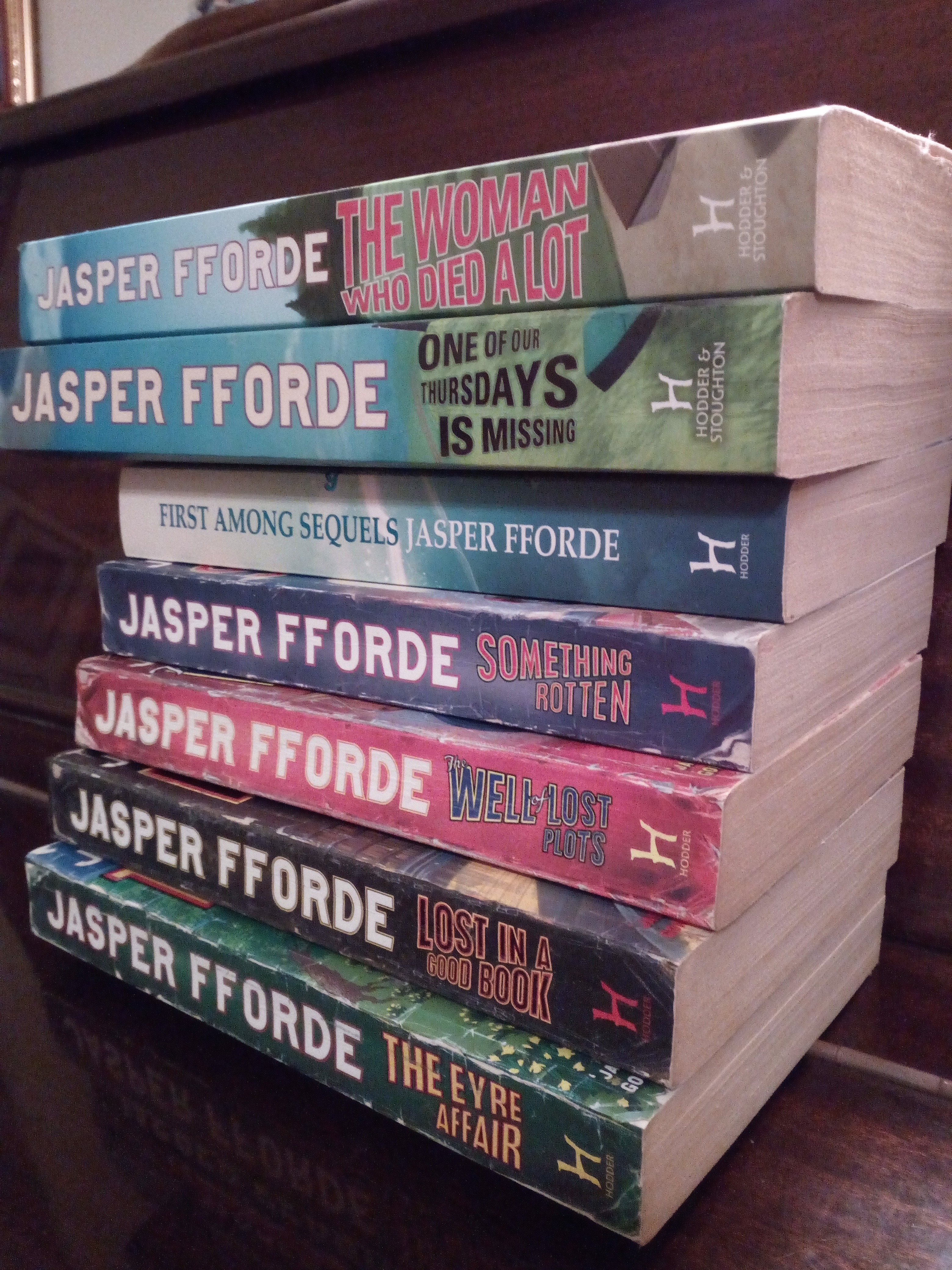
The Last Dragonslayer novels by Jasper Fforde missing the last book!
Unfortunately even regular characters Lady Mawgon and sorceress Once Magnificent Boo are floundering to find ways to thwart the ever-expanding evil. Drooling Trolls are multiplying daily and Mighty Shandar’s over-inflated ego expands by the minute.
In the mix are—Royal Princess Shazine Snodd in a commoner’s body whom glamour boy Sir Matt Grifflon is keen to marry; Mighty Shandar’s obsequious assistant Miss D’Argento; the two delightful reconnaissance dragons Feldspar and Colin (I learned how dragons make flames) plus integral quirky characters throughout. The likes of Kevin Zip and Full Price add to the story and you will probably recognise their personalities whether or not you have read the other books. But as the ubiquitous footnotes hint, read the other books!
Just as The Big Bang Theory song says “Maths, science, history, unravelling the mystery…” this book has it all, from subtle throwbacks, movie references, intertextuality, the Chrysler Building, to a very different type of submarine Bellerophon. I was surprised by an unexpected, unnamed Special Guest appearance—breaking the fourth wall—I would love to say who and why but in respect to spoilers I will abstain.
Over the years, author Jasper Fforde’s signature wit has given his readers a slightly skewed look at locations in Wales but this time it’s Penzance where Bergerac TV actor John Nettles has become an icon, venerated with a bronze statue in the town square. Jennifer ponders her life as she strolls through beautiful Morrab Gardens.
+Jasper Fforde will be in North Cornwall for the Book Festival 24-25 September 2022+
I think Royal pomp and circumstance take a bit of a pounding in this Dragonslayer plot, so the unscheduled appearance of Molly the Troll is a zany twist. As Jennifer says “I can’t think of much that isn’t weird about all this.” The wizard Great Zambini says “Bigger and bolder than anything you can imagine” and he’s right. Jennifer knows a reconnoitre is needed so she and the dragons set off on a dangerous mission with devastating results and further repercussions.
Great quotes emerge from The Great Troll War.
For instance the soulless sorcerer Mighty Shandar outlines his evil plan “A conscience is as much a barrier to knowledge as biology is to eternal life.”
But he doesn’t hear these words:
“Shandar knows that while utter ruthlessness is a useful skill for taking power,” said Mother Zenobia, head of the Sisters of the Lobster Orphanage, “it’s overrated when it comes to keeping power… it’s amazing how quickly subjects tire of their tyrant once the mass murder begins.”
The Great Troll War is the ingenious fourth and final book in The Last Dragonslayer series promoted at young adult readers but I believe it sits nicely in that unique niche reserved for novels devoured by all age groups. Those interested in a retro-present-day twist on believability, tweaking the norm and perhaps even glimpsing into the future while grounded in the everyday.
Find out the truth about the orphanage and Jennifer’s absentee parents, what role buttons play, and how not to recruit warriors. Oh, yes, stay away from creepy Hollow Men. I loved the chunks of humour and lightbulb moments as strategies are worked out amid the ever-present whiff of disaster and universal annihilation.
At the heart of The Great Troll War Jasper Fforde has written a relatable fantasy sci-fi story about the power of friendship and trust, with strong messages on clear-thinking and using available knowledge to work out the best, most logical and kindest way to end a war before it starts.
Jennifer certainly has a tough job.
♥ Gretchen Bernet-Ward
———————————
The Last Dragonslayer synopsis for the series below:
The Last Dragonslayer (2010) In which we meet Jennifer Strange, learn about Kazam and a Dragon is despatched but not without magnificent events that lead on to a Big Magic.
The Song of the Quarkbeast (2011) The King wants to control magic and use it for his own ends, but Jennifer and Kazam will not let that happen, and we learn what may happen if Quarkbeasts collide.
The Eye of Zoltar (2013) Jennifer goes on what is emphatically not a quest in the Cambrian Empire. She finds the mysterious Eye of Zoltar and also learns a thing or two about Jeopardy Tourism.
The Great Troll War (2021) A ramshackle band of humans hold out against the Troll invaders led by Jennifer Strange. An evil mastermind is plotting a dastardly plan, and all seems hopeless. Or is it?
Special Features section on the website has details about each book, places to order it, and a host of extra information. None of Jasper Fforde’s books have a chapter 13. You can read more on his website: FAQ
Addendum: I often recommend Jasper Fforde’s books (one reviewed for Reading Wales #dewithon) and have always admired his inventive out-there writing style. Try the series Thursday Next or Nursery Crimes, or one of his stand-alone novels like The Constant Rabbit. GBW.
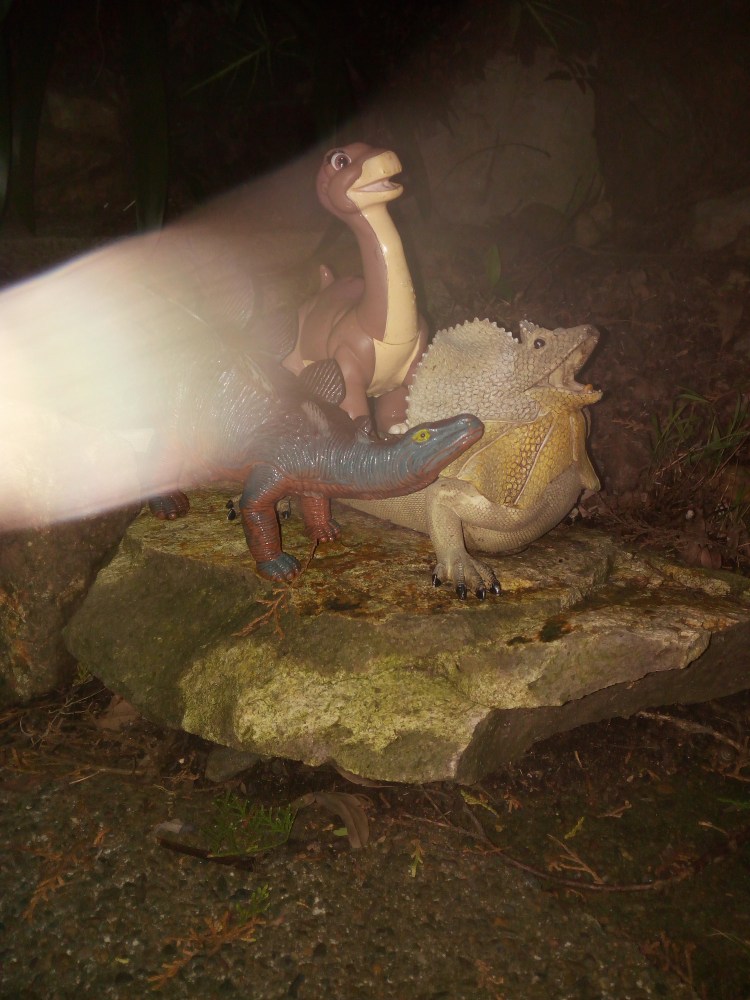
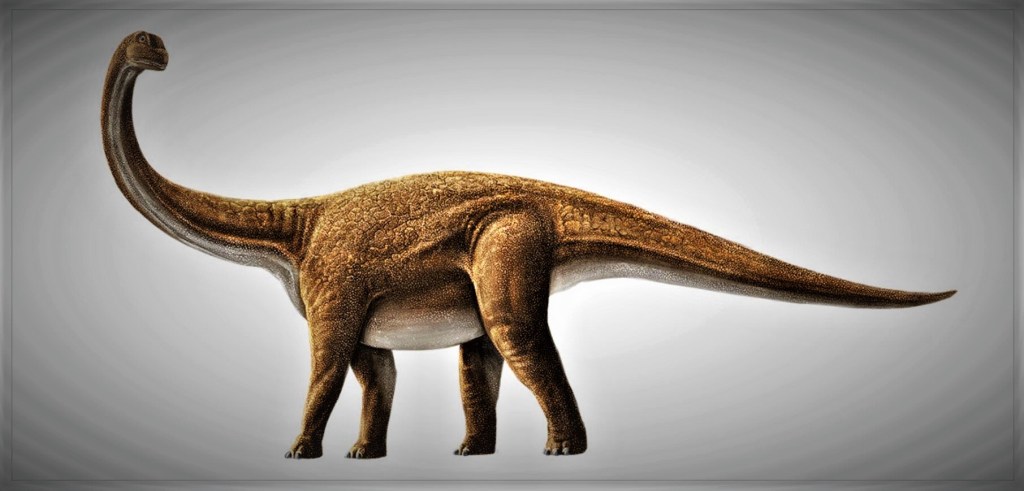
Some of the nominees are dinosaurs. My family has always been fascinated by dinosaurs. From books, movies, kids series to figurines, they have loomed large in our home for many years. Now Queenslanders of all ages have the opportunity to help choose the 10th official State emblem, a fossil—it doesn’t have to be a dinosaur.
Choosing a Fossil Emblem
There are 12 fossil candidates lined up for the honour of being our State’s newest emblem. “Did you know in the Early Cretaceous Period, inland seas covered much of Outback Queensland? This means that Queensland has some of the most exciting fossil museums, dinosaur trails and discovery centres in the world, including the internationally renowned fossil sites of the Riversleigh World Heritage Area.“
“Outback Queensland towns like Hughenden, Richmond and Winton are on Australia’s Dinosaur Trail, and many other Outback areas such as Eromanga, Eulo and Quilpie regularly attract fossil hunters and dinosaur lovers.”
All Shapes and Sizes
I am surprised that as well as featuring large prehistoric creatures, the endearing platypus is on the list, and Lovellea wintonensis, the oldest known permineralised fossil flower (which dinosaurs munched on).
Select your preference for Queensland’s newest fossil emblem—
Visit the website View the illustrations Read the history Click a million years in the making!
Postscript: I m-i-g-h-t have voted for a dinosaur…
NEWS FLASH
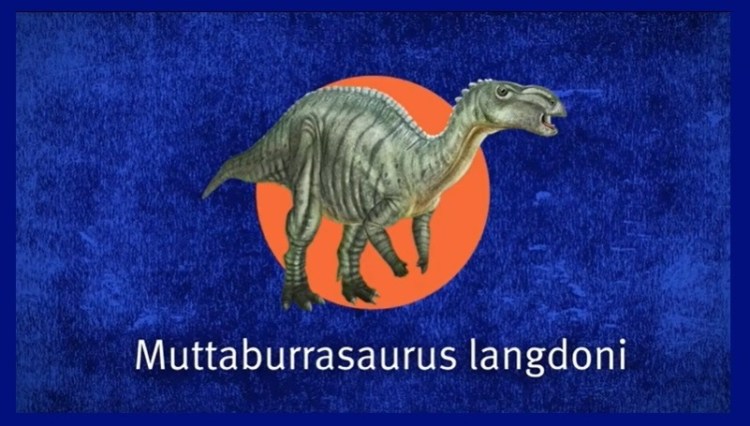
19th January 2023 – Queensland’s State Fossil Emblem is the Muttaburrasaurus langdoni.
The Muttaburrasaurus has been chosen by Queenslanders as the State’s fossil emblem. The intact dinosaur fossil was found in Muttaburra, Central Queensland, by a local cattle grazier in 1963.
Queensland’s Newest State Fossil Emblem is the Muttaburrasaurus langdoni
Many people read more than one book at a time and I have been doing this for several years. If one book is slow or doesn’t capture my immediate interest, I switch to another one. Plots and characters never seem to get confused because I usually read different genres.
And I always like to finish a book!
Watch out for a special blog post for my 100th Book Review. This milestone took me by surprise. I have many more reviews on Goodreads but I personalise my blog post reviews.
Have a quick look at Fantastic Fiction, my favourite go-to resource:
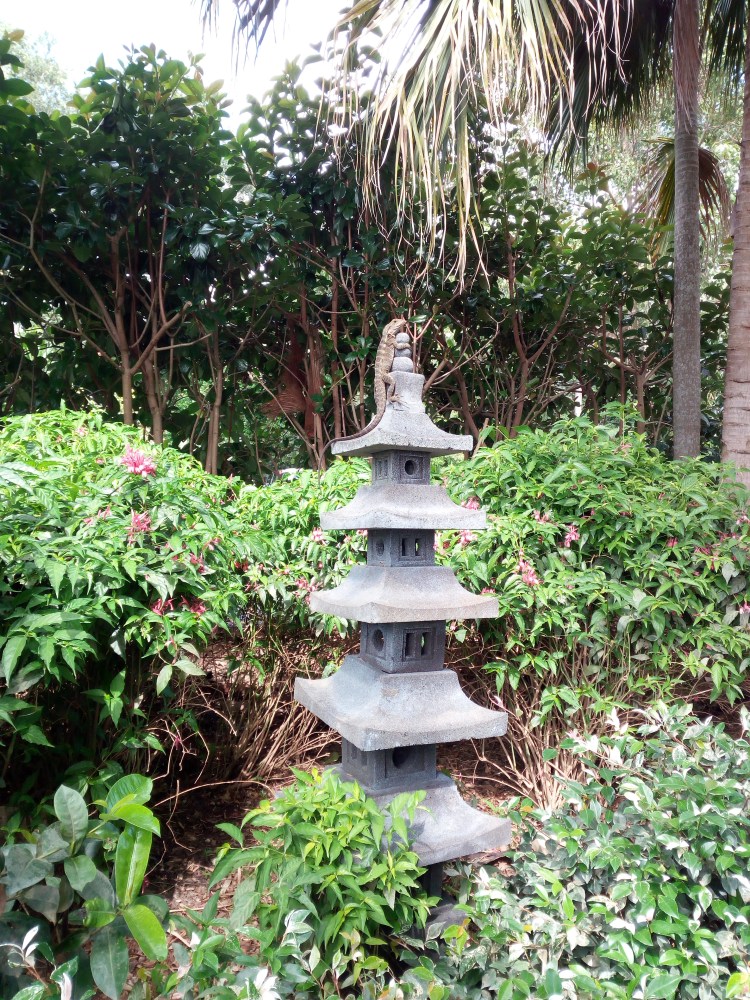
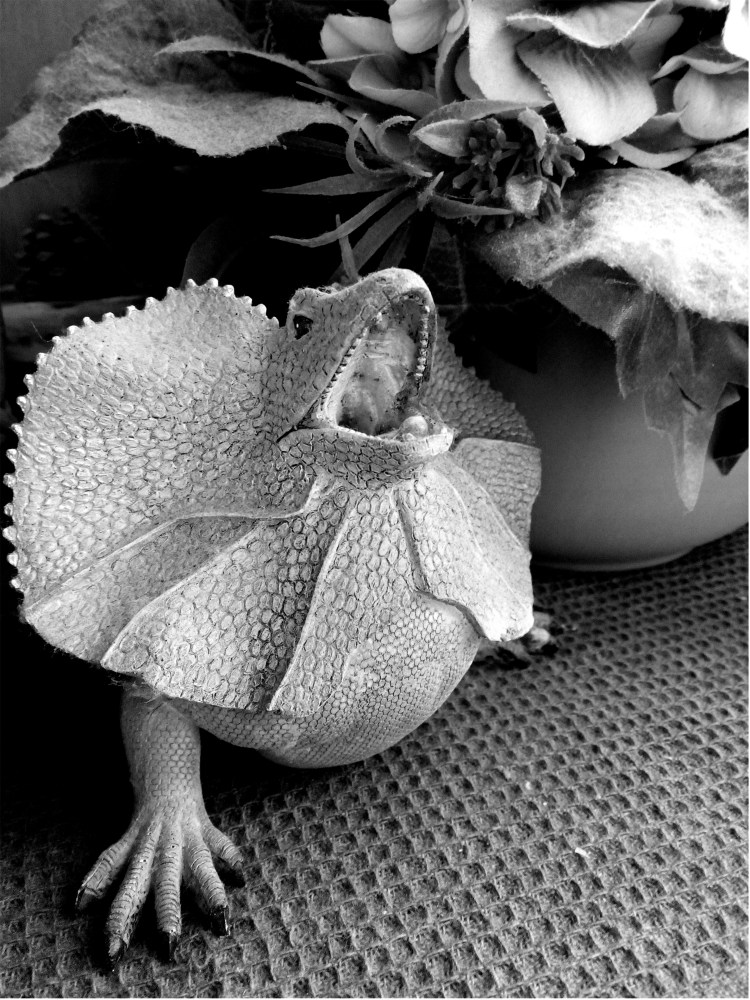
“Water Dragons are one of our most frequently encountered lizard species here in South East Queensland. They thrive just about anywhere, particularly around water sources of varied descriptions where they usually can be found in good numbers and they don’t mind the presence of people.”
“They feed primarily on small spiders and insects but will take other small vertebrates on occasion.”
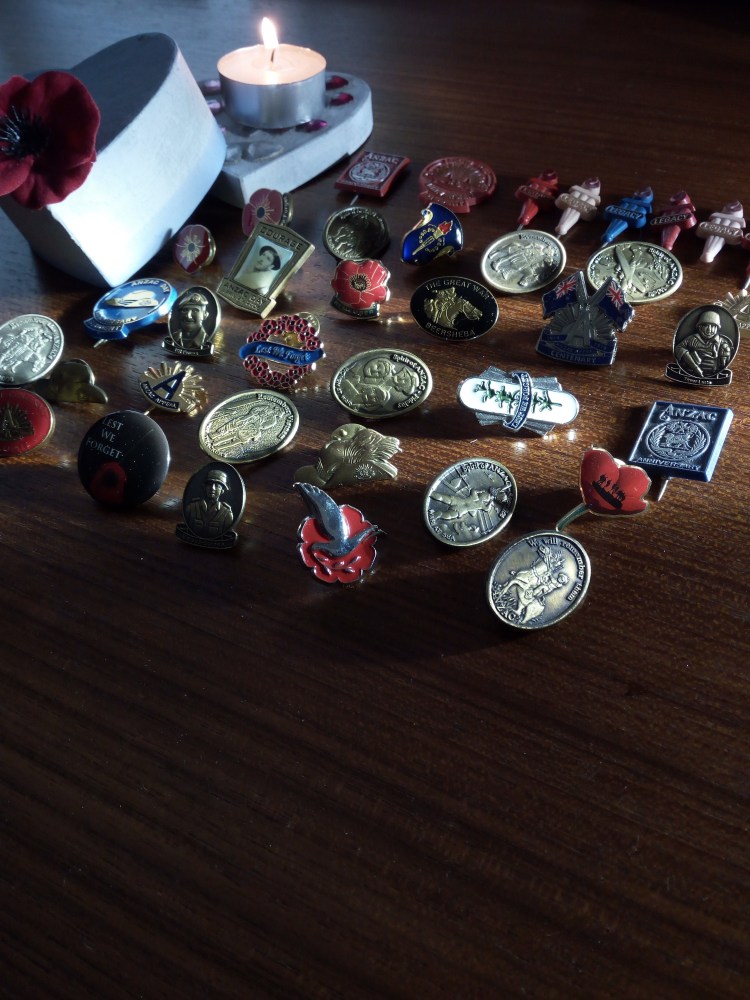
Anzac Day commemorations will take place on Monday 25 April 2022 across Australia, and at the Australian War Memorial’s Sculpture Garden, marking the 107th anniversary of the landings at Gallipoli.
This Anzac Day also marks the 80th anniversary of Anzac Day commemorations at the Memorial.
This year’s commemorative program will include:
5.30 am Dawn Service 9.30 am RSL (ACT Branch) Veterans’ March 4.45 pm Last Post Ceremony
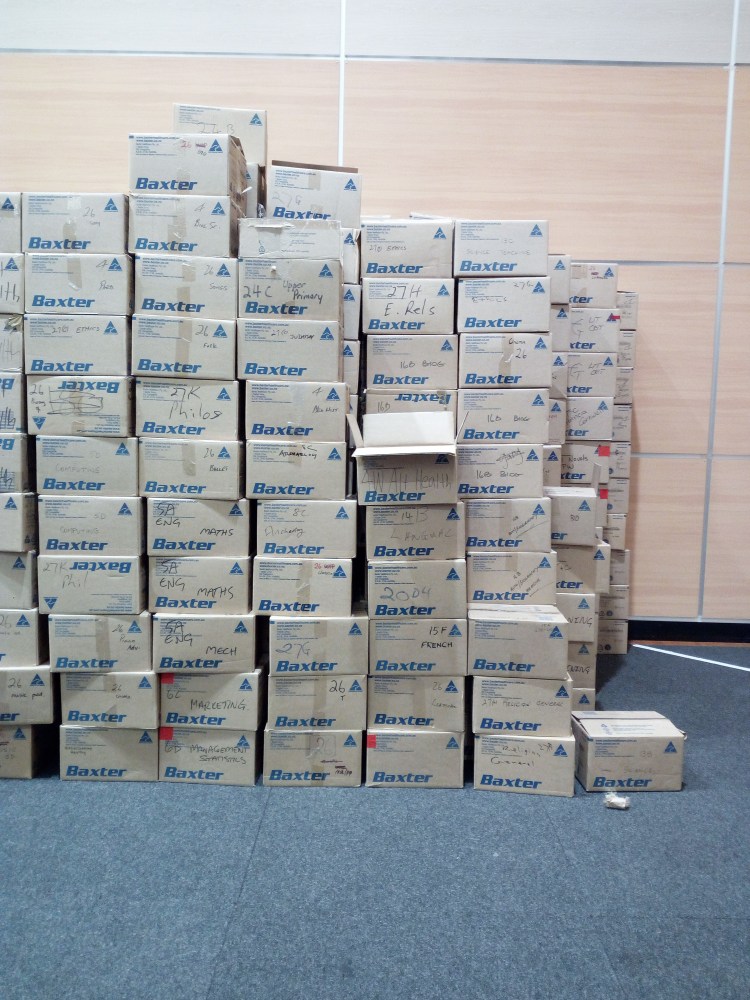
Heads up… Brisbane’s longest-running Book Fair is coming soon! The UQ Alumni Book Fair will be spread over four glorious days in April/May 2022 with heaps more than text books.
This annual fundraiser is a much awaited event for Brisbane booklovers. Based at the University of Queensland, St Lucia campus, there is something for every reader and collector.
I’ll be going with a BIG carry bag!
The Book Fair is organised by volunteers who harness their love of books and generously donate their time to help raise funds to support researchers, educators and residential scholarships for UQ students.
Come along to the Book Fair for a huge range of—-
Pre-loved books of every genre for every age group
Magazines
Sheet music
DVDs
Videos
CDs
Vinyl records
Occasional photographs, print or piece of memorabilia
Special Family Day for young readers
The Rare Book auction is biennial and next event is 2023
Register now White Gloves talk on rare Australian books at UQ Fryer Library.