My Wall Calendar Fetish

IMG_20200104_181914
The master of mysterious…

Do you keep a favourite wall calendar?  Do you keep an image from a favourite wall calendar?  Do you even buy a wall calendar?  Well, I do.

Each year late in December I peruse the newsagents and stationery stores for The One.  The wall calendar with good images and good size squares to write in.  The paper is also important, not too shiny otherwise the ink smudges, and not too thin otherwise the pages tear and have a tendency to flop forward.  I then have to resort to sticky tape to hold old months out of the way of a new month.  Sometimes I use glider clips (paper clips, metal things bent to slide over paper and hold it together) or if I don’t like the calendar much, I glue the old months together.

Occasionally it annoys me where the hole is punched in some wall calendars because it can affect the hanging process on my coat-hook (in the bedroom) the nail (in the kitchen) and the picture hanger (in the study) and enlarge the hole.

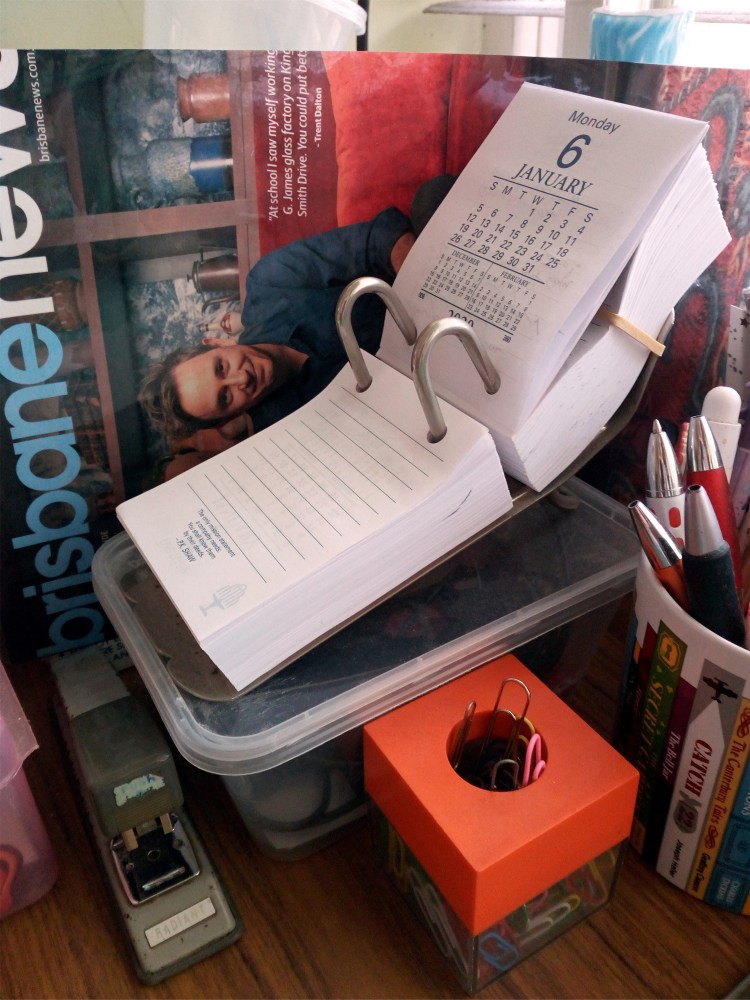
One of the calendar ‘things’ which has been a major item on our Christmas list for many, many years is a Bunch-Of-Dates.  A delightful play on words (perhaps conjured up by a light-hearted printer) it consists of a shaped metal frame which goes through the two holes in a square block of paper containing 365 day leaflets plus a tiny yearly calendar and national holiday dates.  An added bonus is daily quotations from inspiring people.

This pre-internet invention sits on office desks and when the workers begin their day, they flip over yesterday’s date to reveal all the chores they have to do today.  Every job I ever worked in from 1970s onward had Bunches-of-Dates sitting on staff desks or the reception desk.  Yes, I actually still use this old-fashioned device and it is right beside me on my left-hand side.  The date at the top (see photo) with lines at the bottom.  Yesterday, Sunday 5th January 2020, it had approximately seven things written on it, e.g. shopping for a light bulb and To Do things like fill bird bath with water.

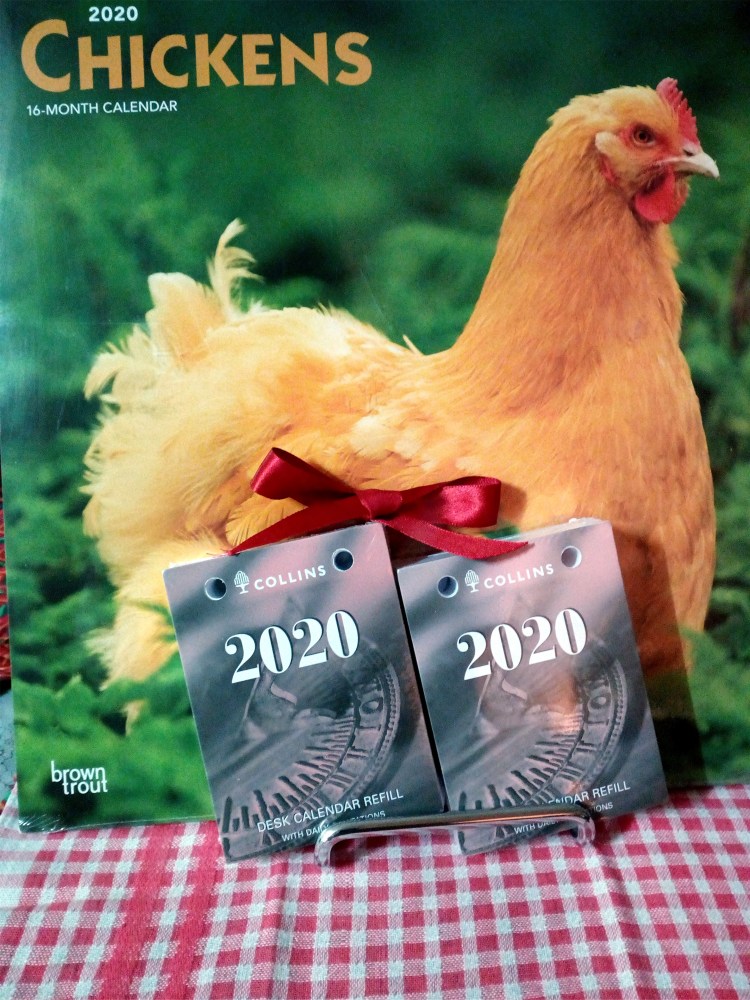
You can buy the Bunch-Of-Dates refills for a couple of dollars (a range of office calendars and diaries are printed by Collins Debden) and every year after 1st January, they are renewed across the country.

If they are not used by lazy coworkers who try to remember things and when they can’t, they blame it on you for not reminding them, their blank Bunch-Of-Dates can be used as scrap paper for note-taking.  I sometimes find some thin old wire, like a twist-tie, which I thread through the holes and firmly bind 365 unused days together.  Just the right size for cryptic notes to colleagues or wayward family members.


IMG_20200106_081409
Happy New Year 2020…

Lately I have taken to keeping the last year’s used Bunch-Of-Dates (with exclamation marks, little drawings, council reminders) because sometimes I jot down an important number and don’t transfer it over to my Contacts file.  At this point, I must mention that I have an electronic calendar.  It is most ingenious but no matter how ingenious, it still needs input.  I am very sparing with what I type into my electronic calendar otherwise a lengthy tirade will pop-up at me in the morning when I least expect it.

Another thing; I never ever put stuff on my mobile phone.  Silly, I guess, but they need to be charged and friends say ‘my battery died’ whenever they are late.  An old-school piece of paper in your pocket will never let you down.  That, and a pen, is all you need to survive in the world of words.

But, you ask, what about keeping your favourite calendar photographs?  Goodness, I don’t know where to start!

I have many beautiful scenery images, all totally scribbled on the back, all years old.  But I love them and I often remember the month that went with them.  Except for the one I framed which is three elephants and their passengers splashing down a river in a jungle.  The shallow water is jade green, as vivid as the lush tropical foliage.  There is a feeling of both pleasure and menace.

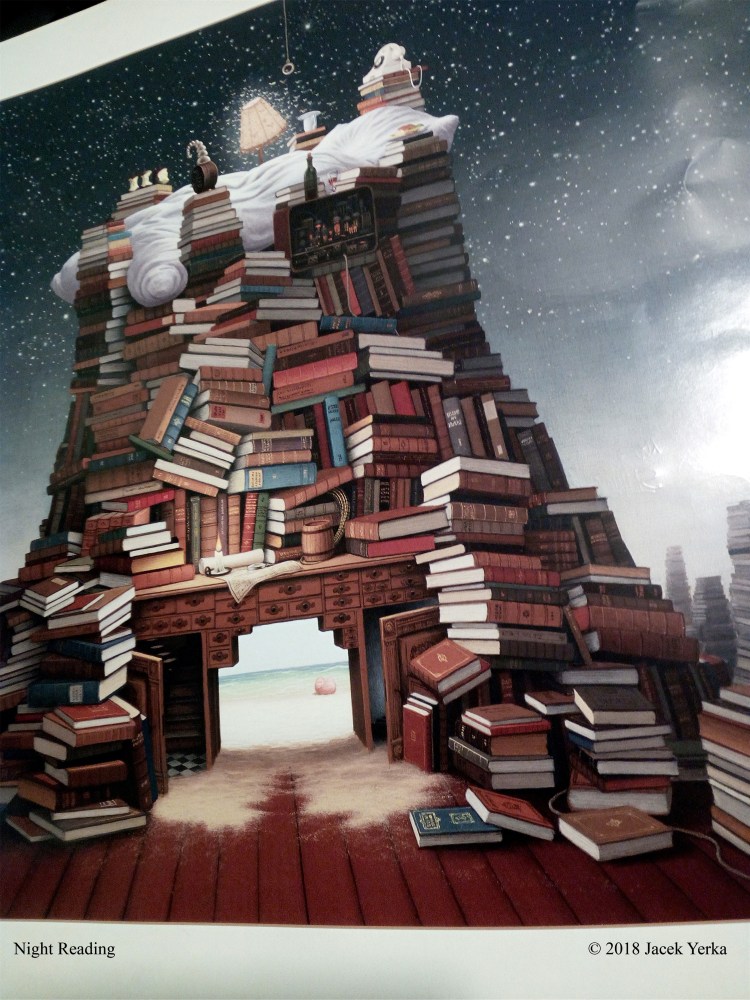
Anyway, a person in my familia has taken a shine to Polish artist Jacek Yerka’s fantasy style and I began to enjoy the ones where he puts hundreds of bookstacks in quirky settings.  I kept this one (see above) perhaps not his strangest, but I get a lot of pleasure out of it.

Every so often I have a surplus calendar, a gift or whatever, so I hammer in an extra nail and hang it up, not as prominent as those I love but I give it hanging space.

And this year?  Oh joy, this year I discovered an Australian Jumbo Big Huge calendar with gigantic squares!  It will take anything I wish to write on it and leave room for more—the down side of this extravagant calendar is no pictures.  There is a tiny strip along the top showing a beach or mountain or city but nothing else.  And one of these images is repeated, not a good look in my eyes.  Ho-hum, can’t have everything.

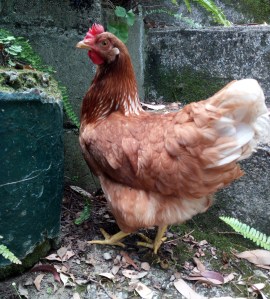
In the kitchen my next favourite is Chickens, not cooked, just hens displaying glorious feathers in beautiful country settings.  Pecking through, it looks like April hens are ahead of the flock photogenically.  I will have to let you know who gets preserved at the end of the year.  Just a minute, I’ll write a note on my calendar…

Gretchen Bernet-Ward


IMG_20191224_173424
This is not an advertisement, just a bit of calendar styling.

Art Deco Delights on Display

IMG_20191014_130309_BURST001_COVER
 

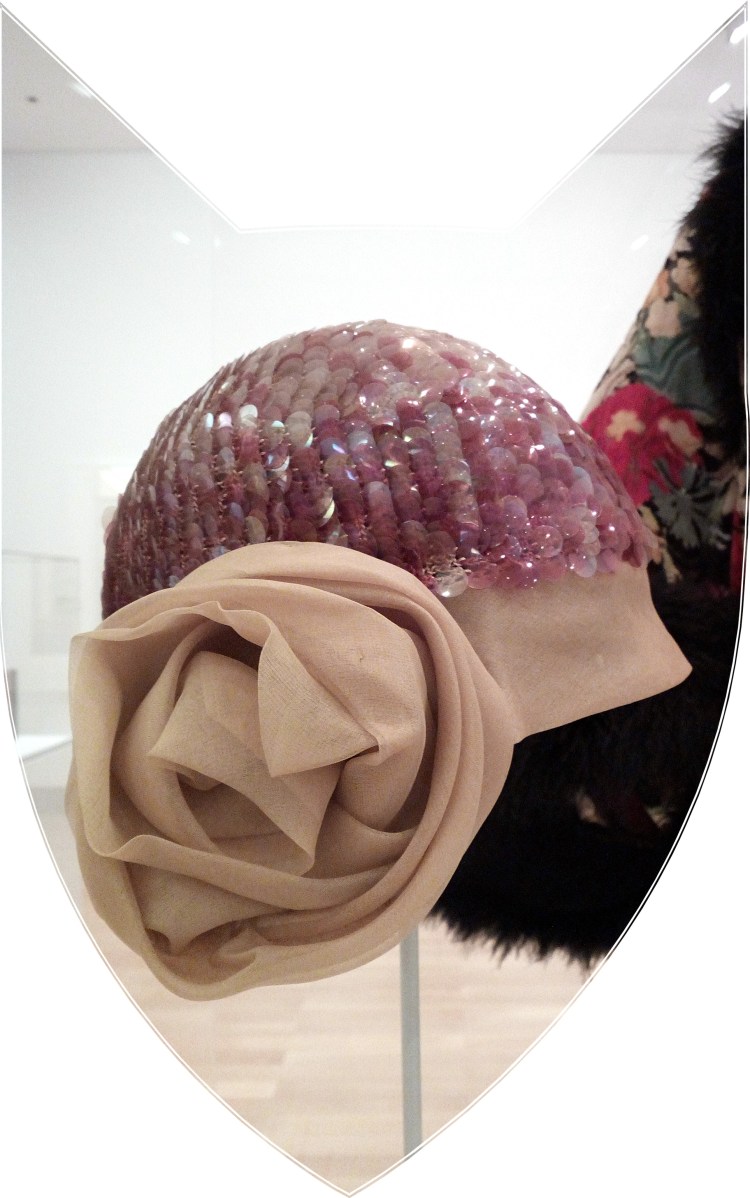
The first photograph shows a Cloche hat (circa 1925) made of rayon, silk organza, sequins and mercerised cotton.  The designer is unknown.  I saw it displayed in the Ipswich Art Gallery exhibition ‘The World Turns Modern’.  It is from the Julian Robinson Collection on loan from National Gallery of Australia.

ART DECO is the predominant decorative art style of the 1920s and 1930s, characterised by precise and boldly delineated geometric shapes and strong colours and used most notably in household objects and in architecture.

Below is my small sample of Art Deco on display.


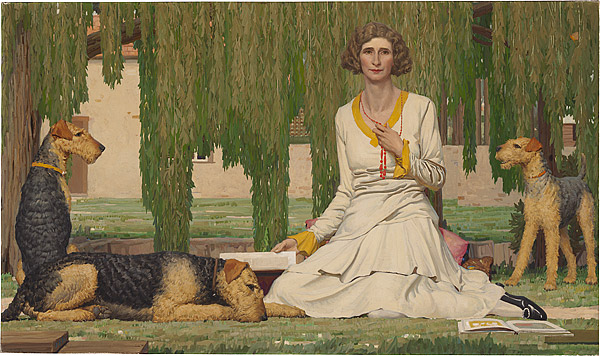
Ipswich Art Gallery Art Deco Lady with Dogs

The first painting to draw my eye was Christian Waller in her garden with her dogs.
Artist :  Napier Waller (Penshurst, Australia 1893 – Melbourne, Australia 1972)
Title :  ‘Christian Waller with Baldur, Undine and Siren at Fairy Hills 1932’
Materials and technique :  Oil and tempera on canvas mounted on hardboard.
Dimensions :  121.5 h x 205.5 w cm, overall frame 1315 h x 2165 w x 60 d mm (big!)
Purchased :  NGA 1984.

“The frieze-like formality of the painting and its cool, crisp colours underscore the demise of the Waller marriage.”  Such a sad note, and I wonder who got the Airedale terriers?


IMG_20191014_123704


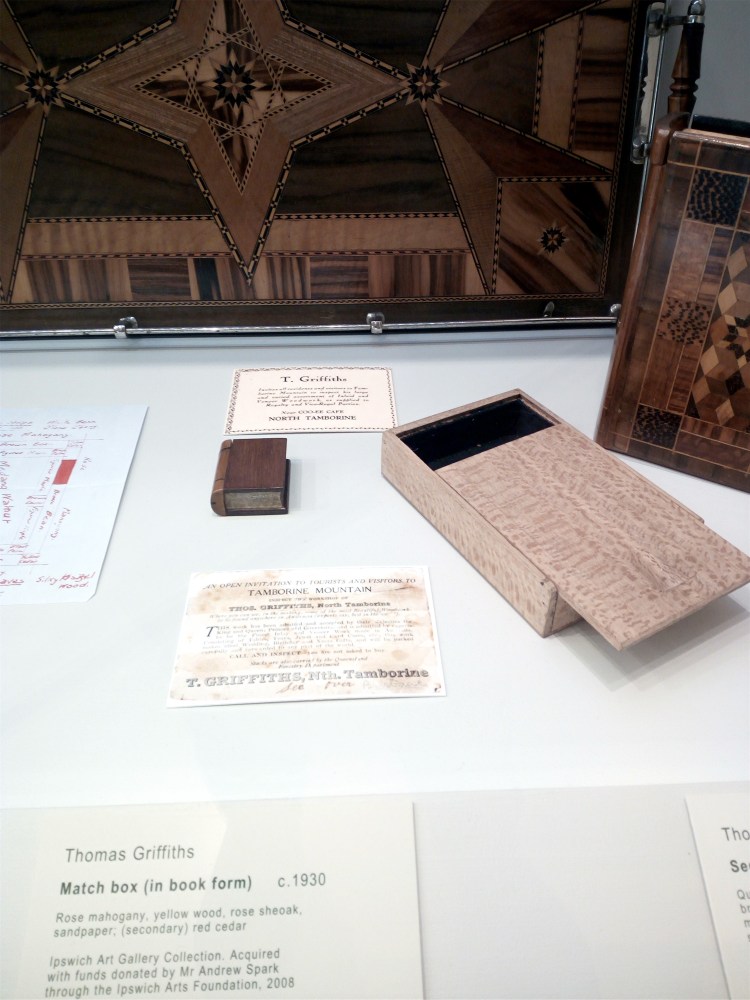
Inlaid wood was all the rage and this match box (in book form) took my fancy.  As the information card states, it comprises rose mahogany, yellow wood, rose sheoak, sandpaper and red cedar.  Rare commodities nowadays.


This stunning bronze cast (in relief) features a woman wrangling two horses; I liked the strength, energy and symbolism of this piece.  Jean Broome-Norton’s renaissance woman is not life-size but the plinth gives it height and power.


The modern front doors of award-winning Ipswich Art Gallery, and inside the original building has been restored and extended.  The shipping and travel poster hints at women enjoying greater freedom, the right to vote and travelling unchaperoned.  The image of the independent woman became popular in graphic design for posters and portraiture.


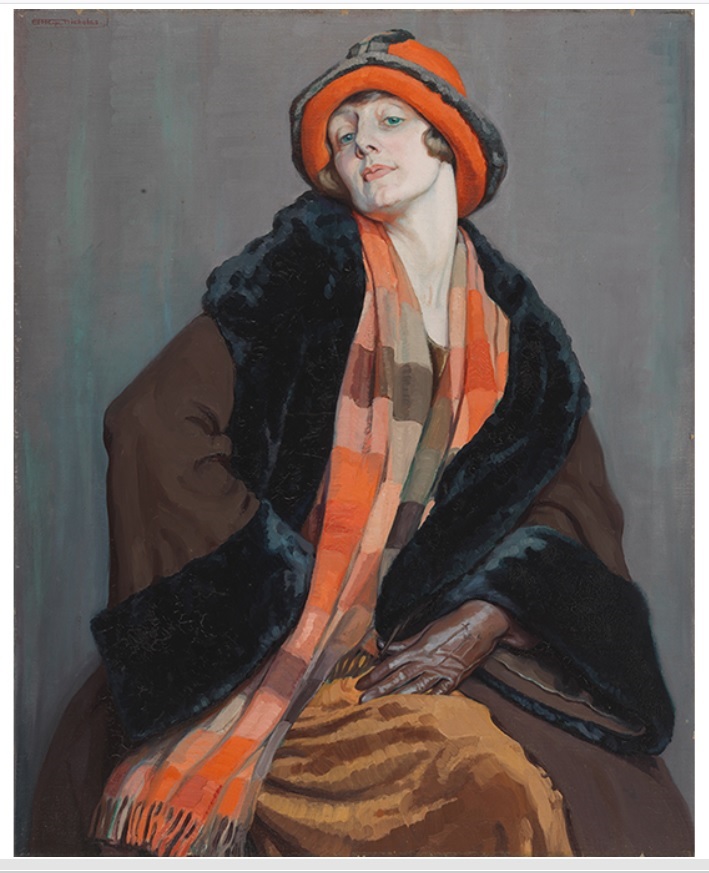
Ipswich Art Gallery IMAGE Hilda Rix Nicholas Une Australienne 1926
 
 
This painting appears on gallery advertising posters and epitomises the era.
IMAGE: Hilda Rix Nicholas ‘Une Australienne’ 1926.

Oil on canvas. National Gallery of Australia, Canberra. Purchased 2014.
© Bronwyn Wright.


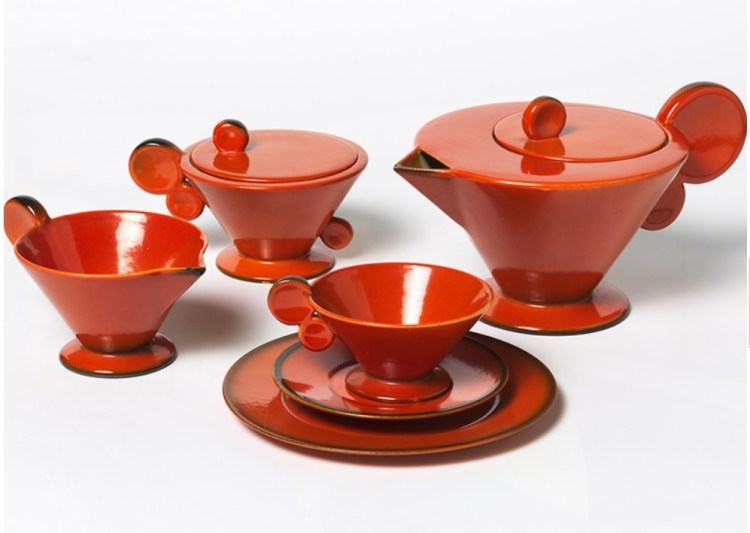
Ipswich Art Gallery Art Deco Red Teapot and Teacups
 

Unfortunately my photographs of etchings, square teapots and Lalique glassware did not work due to the lighting.  Pictured above is a red Art Deco tea-set of stunning design, quite petite, which may not have been easy to sip from if you were feeling nervous at a polite society soirée.


Left photo :  In a side gallery, I viewed ‘Cover Story: Queensland Arts Council Cover Art and Poster Collection 1981 to 2008’ displaying commissioned work by leading Australian artists and illustrators.  From rough sketches to finished art, it was fascinating to see such big names especially in children’s literature, for example Graeme Base, and my favourite Alison Lester and her 1991 on-tour directory cover.

Right Photo :  Upstairs in the heritage gallery, I just had to take a photo of this wonderful 1895 miner’s brooch which I presume was designed for a man but it is small and delicate.  Made of 15ct gold, it may have been used as a tie pin, and the case is about the size of a snuff box.


IMG_20191014_135211
 

Time for a cuppa at the Post Office Café.  I was impressed how the colour and table setting matched the Art Deco theme without really trying.  The proprietor of the café told us that she was sick of washing the tablecloths and they were being replaced with inlaid lacquered tabletops.  Shame, but the sweet treats were delicious.


IMG_20191014_141459
 

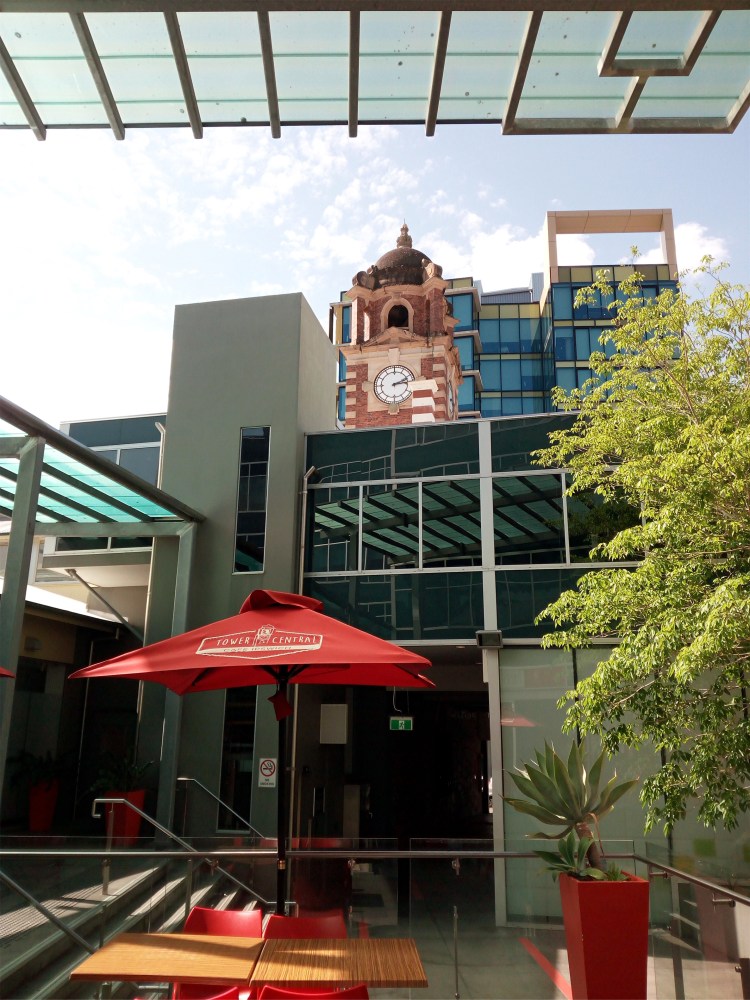
The view outside had interesting angles and contrasts; the Post Office Café courtyard, the umbrella, the modern buildings and above, as if floating, the original Ipswich Post Office clock tower, circa 1890.


If you are interested in the Art Deco exhibition, get in quick, it closes this weekend!


07 Sep 2019 – 27 Oct 2019

“Comprised entirely of works selected from the National Gallery of Australia collection, this exhibition provides superb examples of the diverse expressions of Art Deco.”

Gretchen Bernet-Ward

My Monoprinting Experiment

French artist Paul Gauguin (1848 – 1903) used monoprinting to created beautiful works of art.  Most were not acknowledged in his lifetime but I had the opportunity to try his technique.

The workshop I attended was run by Brisbane Botanic Gardens Mt Coot-tha.  Everyone met at the BCC Library and then walked down to the activity room.  Our instructors were Frances and Lee-anne and their introduction covered the evolution of Australian native plants, the background to Gauguin’s work and monoprinting.   A monoprint is a one-of-a-kind print that forms part of a series.

It was a two-hour class with about twelve people and we were itching to get started.  We couldn’t wait to peruse the beautiful and aromatic array of Australian native plants ready to make our imprints.

Here is my quick overview


IMG_20190319_111613

Beginners Guide to Monoprinting


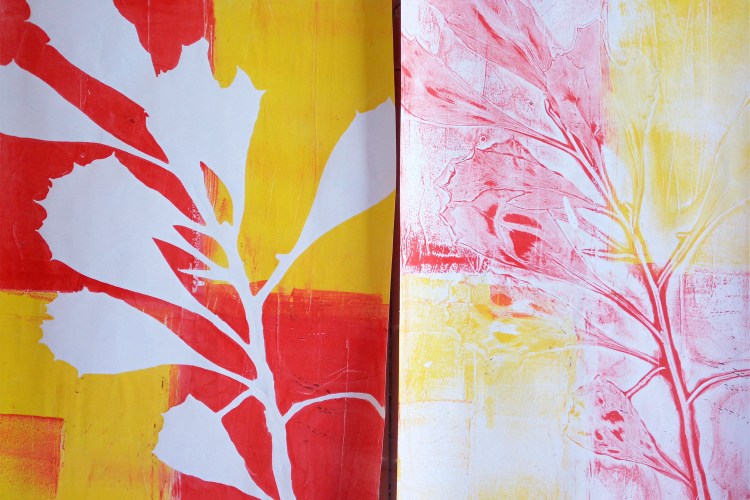
  • You may have read that monoprinting is an age-old printmaking method which produces a single image.  I’d have to say that is only partially correct – the image can be reversed or added to several times, each time producing a different image.  (See my coloured prints above).


  • I rolled out four paint blobs (yellow and red) on an acetate pad, added a leafy tree branch and a clean sheet of paper on top before smoothing it out flat.  Peel off.  Two for the price of one!  I placed ferns and leaves with the branch, added fresh paper on top, pressing down hard.  I reversed the procedure and did ‘mirror’ images.


  • You may have heard that you need lino or woodcarving tools.  I used a wooden chopstick to press and draw my B&W designs.  There were several which didn’t make the grade and I tried to choose the better ones.  (See my black and white prints below).


  • It is thought that you need to work on a glass plate or gel plate, but a sheet of tough plastic (clear heavy acetate) works well with monoprinting paints and is easy to clean.  Of course, you can upscale your equipment when your hobby turns into a money-making enterprise.


  • A special roller isn’t really necessary to spread the paints, you can use a small rubber roller with a plastic handle.  No flattening press needed.  Once the overlay paper is in place, you can use your hands to smooth the paper flat, or add background patterns through the paper with the tips of your fingers.  


  • Pigmented paints and printing inks produce colours which look great but the traditional black-and-white looks dramatic.  I didn’t achieve any depth to my work but the middle black-and-white print (below) is reversed and the hatching in the background was done with the backs of my finger nails.


  • We ran out of time and I would have loved to have dabbled more.  The free class I attended supplied the equipment – plus afternoon tea – and the paper used was office A4 size.  It was porous enough and strong enough to take my amateur efforts.


IMG_20190319_110512
My words of encouragement “You have to try it, muck around with it, get messy and see what happens”

The trick is to work fast, especially in Queensland temperatures, because the paint will dry quickly.  Drying caused one of my prints to have a ghostly quality.  That was part of the fun – the results were often a surprise.

Monoprinting is a forgiving and flexible technique, experimental yet satisfying, and several participants achieved a pleasing degree of botanical detail worth framing.

Gretchen Bernet-Ward

Leonardo da Vinci said…

Gears and Cogs 15 Quotation
Renaissance genius Leonardo da Vinci (1452-1519) was a painter, sculptor, architect, inventor and student of all things scientific but he had difficulty waking up in the morning. He wrote “Lying on a feather mattress or quilt will not bring you renown”. One of his earlier inventions was a personal alarm clock powered by water. Based on his elementary diagrams, Leonardo’s device would trigger an alarm by the collection of water dropping into a reservoir at brief intervals. I would have thought the drip, dripping of water all night would have kept him awake. Website https://www.leonardodavinci.net/ Gretchen Bernet-Ward

Skateboarding

IMG_20181008_080157
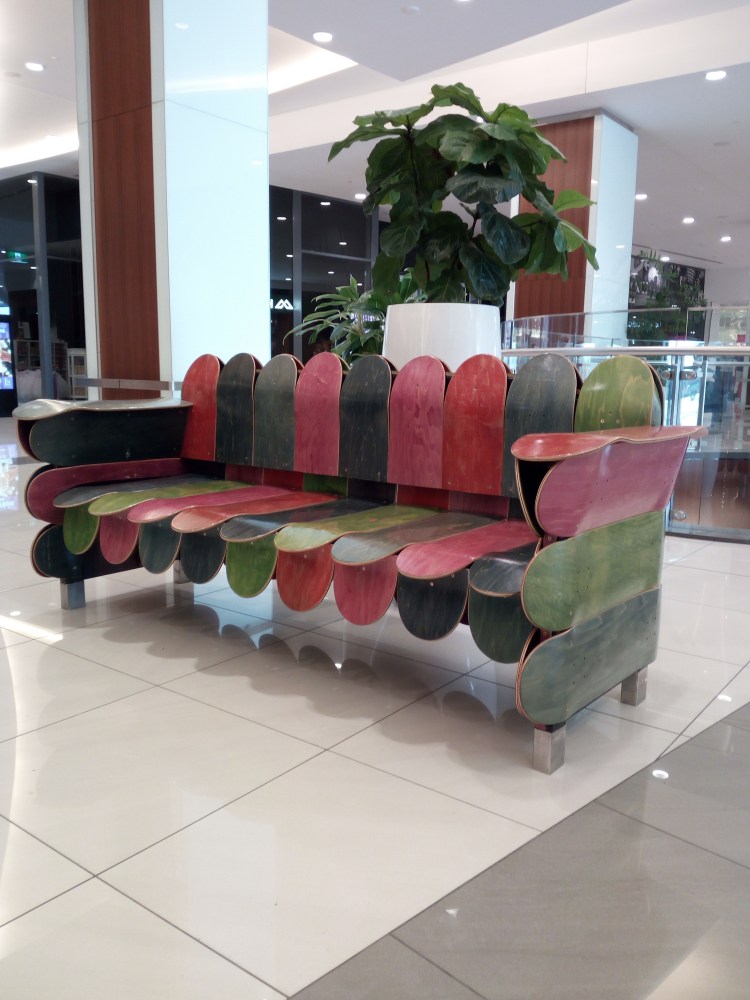
“Skateboarding is more exciting than regular sports, more fun than going to the gym, cheaper than therapy, quicker than walking, more real than anything else” or you can make them into a chair.

Gretchen Bernet-Ward

Miniature Works of Art

After browsing the magazines at our local newsagent, I head for the greeting card section, well-stocked with original, colourful and varied cards, all shapes and sizes for all occasions.

My eye is always caught by a card which I think would suit the receiver.  Even if there’s no occasion on the horizon, I’ll buy the greeting card so I’m prepared.

This bookcase artwork is my latest purchase which came with a shiny gold envelope – I love it so much I don’t think I’ll mail it to anyone!


IMG_20180928_181134

Title M137 Bookshelves
Designed by Jane Crowther © 2016
Published by Bug Art Ltd, Nottingham, England UK
Website http://www.bugart.co.uk


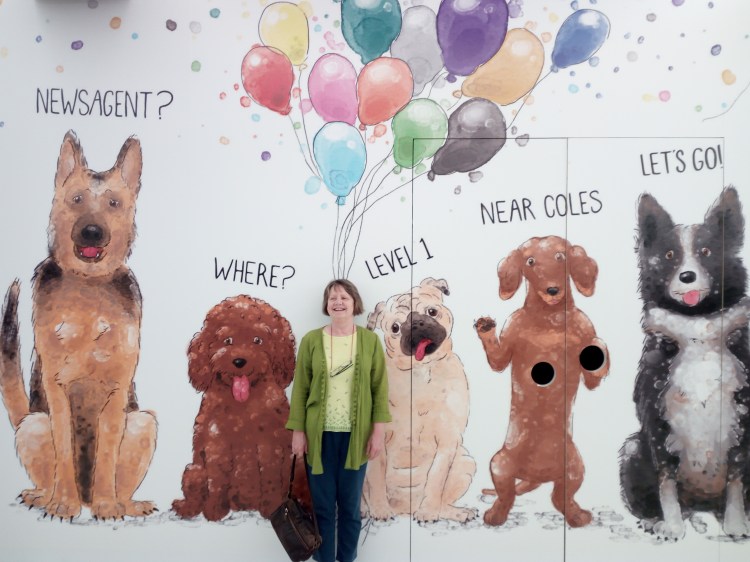
Another newsagent and stationery shop is undergoing renovations.  The dog paintings make a nice change from blatant fashion store hoardings.  Balloons or thought bubbles?

Gretchen Bernet-Ward

IMG_20181008_075625

Jane Milburn Slow Clothing Advocate

Slow Clothing reflects author and refashion advocate Jane Milburn’s own unique style, independent of “fast fashion” trends.  Upcycled from denim jeans, the dress Jane wore during her talk at a local BCC library had the potential to look strange but was distinctive and quite beguiling.

Jane, sustainability consultant and founder of Textile Beat, touched on several key elements during her talk––environmentally unfriendly fabrics and dyes; sweat shop labour; landfill; passive fashion; synthetic vs natural fibre; signature style and minimal wardrobe.  Hot topics included recycle by exchange, shopping tips, Sew It Again mending and creating new from old.  Jane tends to hoard fabric offcuts and used buttons, and has a passion for real cotton thread.

Rethinking clothing culture doesn’t mean wearing your clothes until they fall apart at the seams, it means mindful immersion, repairing and refashioning your garments.

An attentive audience, Jane encouraged us to make thoughtful, ethical, informed choices to reduce our clothing footprint on the world.  Until recently, she regularly visited charity shops for secondhand garments but is currently resisting the temptation and working with what she’s got.  “We believe secondhand is the new organic and mending is good for the soul.  In return, we are liberated and satisfied.”

In her book Slow Clothing: finding meaning in what we wear Jane shares insights and upcycling advice.  She has created templates like Upcycled Collar and History Skirt, guiding home sewing conversion of a beloved garment to reflect the changes in our lives.

To provide meaning and story to her own favourite pieces, Jane Milburn restyles and sews her clothing by hand.  Currently testing t-shirt cotton drawstrings as an alternative to underwear elastic (elastic is made from synthetics) Jane stitches everything by hand.

Help! I can hear you say, nobody has hand-sewn an outfit since the mid-twentieth century––except maybe Vivienne Westwood––but don’t panic, Jane’s book provides testimonials, illustrations and clear instructions for eco-dyes and upside-down jumper skirts through to sewing on a button.  Eco-fashionistas unite!

Although Slow Clothing is a multifaceted, easy-to-read book with positive chapter headings (Purpose, Authenticity, Creativity, Action, Autonomy, Reflection) amid the ingenious apparel, I am missing a frivolous note, perhaps a ball gown?  On a serious mission, Jane has created a Slow Clothing Manifesto with ten tags to keep in mind when out shopping: think, natural, quality, local, few, care, make, revive, adapt, salvage.
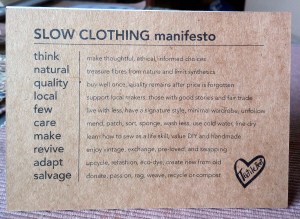
IMG_20180723_091617Quotes from Jane embody the Slow Clothing philosophy “Slow Clothing brings wholeness through living simply, creatively and fairly” and “We buy thoughtfully, gain skills, and care for what we wear as an embodiment of ourselves.”  Personally I am hoping to see people clutching their Slow Clothing Manifesto cards at an op shop near me.

The current trail Jane Milburn is blazing makes fascinating reading.  Arts Queensland, meeting VIPs, War on Waste ABCTV, visiting 103-year-old Misao Jo in Osaka, hosting a Clothing Repair Café, conducting workshops and championing natural-fibre, Jane says “It has been personally satisfying to see the uptake of upcycling as a conscious practice with many young people interested in its potential for customising their clothes.”

Unfortunately I didn’t get to ask Jane Milburn how we go about combating the greed of designer labels.  But the clear message is––help reduce landfill by upcycling your clothes to reflect your own unique style.

Gretchen Bernet-Ward

HRH Queen Elizabeth II Birthday

In UK, Her Royal Highness has two birthdays each year: her actual birthday on 21st April and her official birthday usually the second Saturday in June.  Born in 1926, at the time of writing, she is 92 years-old and still going strong.  Happy birthday, Your Majesty!

The birthday of reigning monarch Queen Elizabeth II is celebrated at different times of the year throughout the world and usually accompanied by a public holiday.  In Australia, each State and Territory has decreed a different day.

In Queensland (named after Queen Victoria) we have a Monday holiday in honour of the Queen’s birthday and enjoy a long weekend.  This year it falls on Monday 1st October 2018 and Brisbane residents will head to official celebrations, BBQs, coastal regions, rainforest walks or just laze around at home and read a book.

Gretchen Bernet-Ward
“God Save Our Gracious Queen”

View my blog post about my own umbrella
https://thoughtsbecomewords.com/2018/03/02/childhood-status-symbol/

The Power of Doodling

In between writing and not being published, I attempt to draw, which defaults to my basic doodle setting.  My mind slips out of gear when doodling.  I drew a curlicue doodle which ended up with a small snail at the end of it.  Significant?

Is there a better chance of being published if you illustrate your own bookcover?  Nope.  Even with children’s picture books, there’s no guarantee it will be snatched off the slush pile because of the synchronicity of your fresh-faced pictures and curlicued words.  In fact, in Australia the editors prefer to nominate an artist so forget that plan.  Still, I can’t stop myself doodling.  What use is it?  (A) tension release, (B) learning aid, (C) mind clearer, (D) mind-wanderer, or who knows what.  Ah ha, light bulb moment!  I will research the experts and see what they have to say on the subject of Doodling 101.

Prepare to be bored, please doodle among yourselves – preferably with a real pen or pencil.

First up are the good news listicles and powerful headings:
  • 4 Benefits of Doodling | Examined Existence
  • 5 Big Benefits Of Being A Doodler | HuffPost – Huffington Post
  • 7 Ways Doodling & Colouring Benefit Your Brain | Care2 Healthy Living
  • 7 Benefits of Doodling and How to Get Started – Daring to Live Fully
  • Doodling Your Way to a More Mindful Life | Psychology Today
  • How Doodling Benefits Your Brain – Kendal at Home
  • How Doodling Makes You Smarter | Reader’s Digest
  • Study: Doodling Helps You Pay Attention – TIME
  • Science: Doodling Has Real Benefits For The Brain – Fast Co. Design
  • The Power of the Doodle: Improve Your Focus and Memory – WSJ
  • The Cognitive Benefits of Doodling – The Atlantic
  • The “Thinking” Benefits of Doodling – Harvard Health Blog …..

….. had enough?

You can’t get out of it that easily!

Here’s what JournalWeek had to say in a non-scientific wayDoodling comes from the word doodle – a habit of unfocused or unconscious drawing a person makes while his attention is actually occupied by something else.  Doodles are generally simple and sometimes nonsense drawing that may have definite representational meaning.

Today, doodling is fondly considered a ‘national’ pastime mainly because it is done by a lot of people in different settings, but mostly in classrooms and offices.  <Using a pen, or more recently using laptop, tablet or smart phone apps>  Some examples of doodling are found in school notebooks, mostly in the margins, caused by a student who is either lacking interest in the class or day dreaming. Another example is when someone is having a long telephone conversation while a pen and paper are within range.

What’s interesting about it?  For many people, it’s just a typical way of occupying themselves. Not a lot of them realise that doing it does actually provide some benefits.  Let’s find out how…

Memory Link:  Admit it – you doodle perhaps in most instances where there is a chance to. Most of us could not deny it because we have developed the habit as students.  What you remember and what sticks in your mind are usually the things you doodle. For instance, it can be trees you always see outside your bedroom window, logo of your favourite team, or the name of your favourite band, singer or celebrity.

The products of doodling are the images and words coming out of your subconscious mind. Although they seem to be of no significance, they can actually be helping you in learning and grasping knowledge.

One health benefit of the habit:  According to the Applied Cognitive Psychology study, doodling allows us to be able to effectively recall information hidden within our subconscious. The same research found out that the people subjected to the experiment that filled in shapes while listening to the phone had a better memory retention or recall percentage. The different is about thirty percent compared to those people who did not doodle.

Being Productive:  Although not yet proven, the hypothesis is that the habit itself is effective in minimising and combating daydreaming and absentmindedness.  But the power of doodling is not limited within the bounds of memory and recall alone. There is a widespread belief that it, in fact, corresponds to empowering one’s intellectual prowess. As it appears, someone who’s doodling seems to be distracted or plainly unfocused.

However, this is an activity that gives the brain an awkward but beneficial exercise of engagement and processing of complicated thoughts and ideas. Likewise, those who rely on their talents of creativity also use doodling to unlock that artistry and creativity in them.

Not convinced?  Read about some of the most notable people in history who themselves admit that the habit has in fact helped them focus, recall, and literally make use of their brains. The list includes the likes of Leonardo DaVinci, Sylvia Plath, Presidents Bill Clinton, Ronald Reagan and Thomas Jefferson, as well as poet John Keats, mathematician Stanislaw Ulaw, Franz Kafka and Mark Twain.

Therefore, if you have issues about paying attention and focus, doodling will help you deal with those issues. There’s really nothing wrong or you won’t lose anything if you start to developing the habit.  <And maybe gain a small work of art>

Most of this blog post was brought to you by JournalWeek!
“Our aim and mission is to provide our readers articles on interesting facts”
http://journalweek.com/interesting-facts-about-the-power-of-doodling/

I think the saddest doodle belongs to Jorge Luis Borges, writer, essayist and poet, who drew a self-portrait after he had gone blind.

Jorge Luis Borges Self Portrait When Blind
Jorge Luis Borges self portrait when blind

“I have always imagined that Paradise will be a kind of library”
– Jorge Luis Borges (1899-1986)

Gretchen Bernet-Ward
IMG_20180331_162029

Your House, Your Story

Red Tractor Designs Rachael Flynn

I love the homey words and clean, familiar lines of Rachael Flynn’s artwork.  She lives on a cattle and sheep farm in a locality called Piambong which is about 25km north-west of Mudgee, NSW, Australia.  Her calendar (above) features rural farm life with a quirky theme and seasonal recipe each month.
Website http://www.redtractor.com.au/

Gretchen Bernet-Ward

IMG_20171218_083228